 EN
How to Assess Production Efficiency at a PP Woven Bag Factory
Discover the 4 critical production metrics—throughput, defect rate, equipment uptime & on-time delivery—to vet factories confidently.

2026/09/04

Ventilation is one of the most critical yet often overlooked factors in agricultural storage. When crops are stored in agricultural bags, inadequate airflow can trap moisture, create conditions for microbial growth, and cause significant post-harvest losses. Whether you're storing grains, seeds, pulses, or other farm produce, understanding ventilation problems and their solutions is essential to maintaining product quality and protecting your investment.
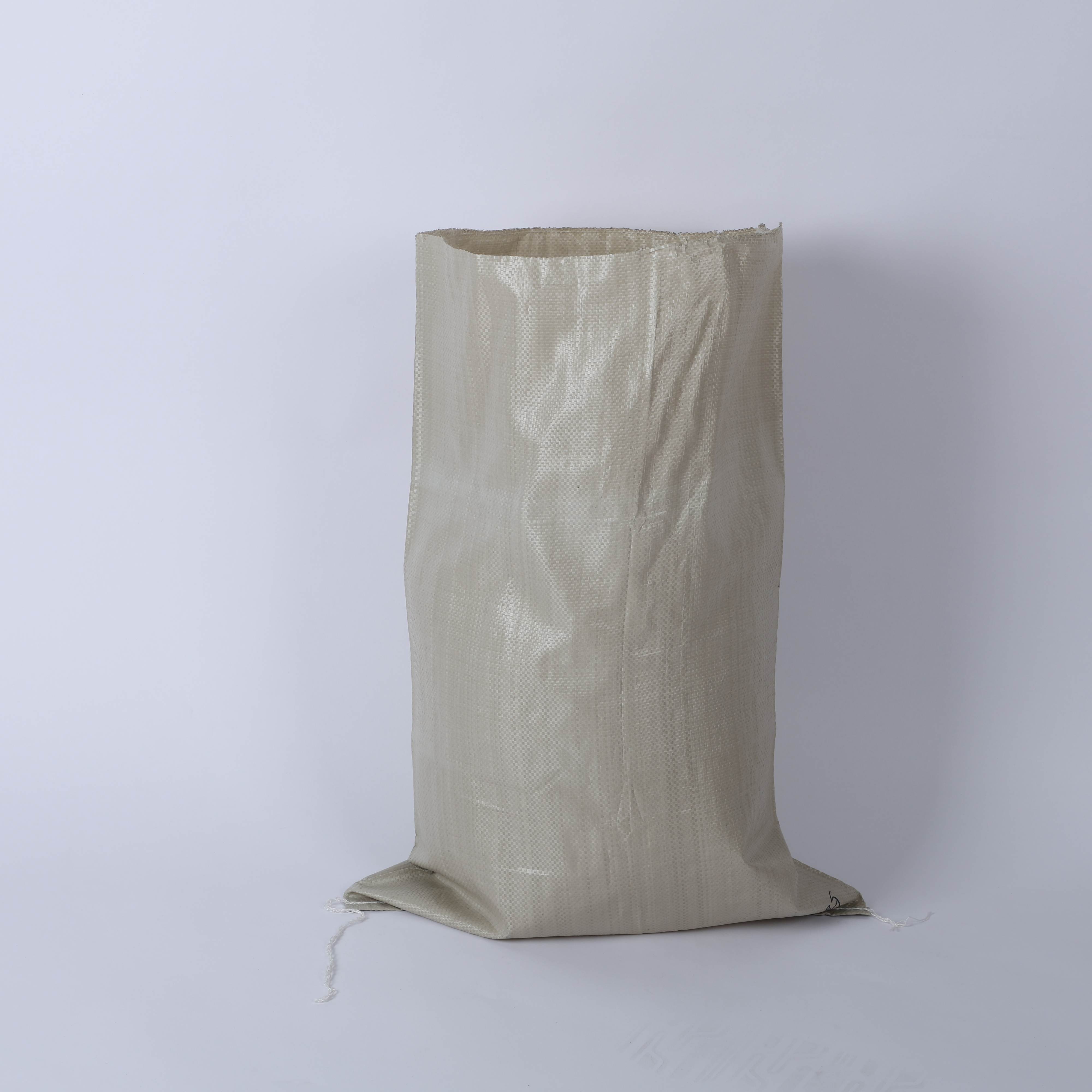
Proper ventilation within agricultural packaging directly impacts storage longevity and product viability. Moisture accumulation inside bags can lead to fungal infections, pest infestations, and nutrient degradation. Modern agricultural packaging solutions address these challenges through strategic design and material selection, ensuring that your crop storage bag performs optimally throughout the storage period.
Moisture is the primary enemy of stored crops. When produce is placed in sealed or poorly ventilated bags, temperature fluctuations cause condensation to form inside the container. This trapped moisture creates an ideal environment for mold growth, fungal diseases, and bacterial contamination. In high-humidity climates or during seasonal transitions, this problem becomes particularly acute, affecting everything from grain quality to seed viability.
The relationship between air circulation and moisture control is fundamental to effective farm produce bag design. When ventilation is inadequate, moisture-laden air cannot escape, leading to localized wet pockets within the storage area. These zones become breeding grounds for spoilage organisms and can quickly spread degradation throughout the entire bag contents.
Temperature fluctuations inside sealed storage bags can cause significant stress on crops. Without proper ventilation, heat accumulates inside the pp agricultural sack, creating thermal gradients that accelerate respiration rates and nutrient loss. External temperature changes, particularly during transitional seasons, amplify this effect, leading to rapid deterioration in produce quality and reduced shelf life.
Poor airflow also prevents the natural cooling that occurs with adequate ventilation. During the hottest parts of the day, crop storage bags without proper air circulation can reach temperatures well above the surrounding environment, accelerating decomposition and triggering unwanted metabolic processes in stored grains and seeds.
Modern agricultural packaging employs advanced materials that balance moisture barriers with controlled breathability. High-quality agricultural packaging should allow minimal water vapor transmission while preventing insect ingress and maintaining structural integrity. The selection between standard and breathable fabrics depends on your specific crop, climate, and storage duration.
Woven polypropylene represents an excellent middle ground for many farming operations. These bags offer inherent micro-porosity that permits limited air exchange while maintaining protection against pests and external contaminants. The weave structure of a pp agricultural sack naturally facilitates some vapor movement, making it suitable for crops that require slight ventilation during storage without compromising containment.
The environment surrounding your farm produce bag is equally important as the bag design itself. Proper warehouse ventilation, elevated storage platforms, and adequate spacing between bags all contribute to overall air circulation. Placing bags on pallets rather than directly on floors improves airflow beneath the stack, reducing moisture accumulation at contact points.
Maintaining consistent warehouse temperature and humidity levels through mechanical ventilation or natural air exchange prevents the condensation cycles that occur with temperature fluctuations. Strategic placement of storage bags in naturally ventilated areas, or near ventilation outlets in climate-controlled facilities, significantly reduces moisture-related problems. Additionally, regular inspection and rotation of stored crops allow early detection of ventilation-related issues before widespread spoilage occurs.
Choosing appropriate agricultural packaging requires understanding your specific storage needs. For long-term storage of moisture-sensitive crops, breathable woven bags offer superior performance compared to completely sealed alternatives. The design of the bag, including closure method and material composition, directly influences moisture management capabilities and overall ventilation effectiveness.
Consider the crop type when evaluating agricultural bags options. Grains destined for food processing may require different ventilation characteristics than seed stock or animal feed. The intended storage duration also matters significantly; short-term storage may tolerate less sophisticated ventilation strategies than multi-month warehouse operations. Consulting with agricultural packaging specialists helps ensure you select bags optimized for your particular application.
Effective ventilation management requires ongoing monitoring and proactive maintenance. Regular humidity checks inside storage areas help identify developing moisture problems before they cause significant damage. Thermometers placed near stored crops reveal temperature extremes that indicate inadequate air circulation or environmental control issues that need addressing.
Rotating stored crops and inspecting the interior surfaces of farm produce bags during inventory cycles provides early warning of condensation or mold development. If moisture appears on bag interiors, ventilation adjustments should be implemented immediately, such as increasing warehouse air exchange or relocating bags to better-ventilated areas. Maintaining detailed records of storage conditions and observed issues helps identify patterns and optimize future storage practices.
Proper ventilation allows moisture-laden air to escape from agricultural packaging, preventing condensation buildup that promotes mold and fungal growth. When air can circulate within and around crop storage bags, temperature remains more stable, respiration rates slow, and the overall storage environment becomes hostile to spoilage organisms. Effective ventilation essentially maintains the agricultural bags at conditions that preserve rather than accelerate crop degradation.
Woven polypropylene sacks provide an excellent balance between ventilation and protection. These pp agricultural sack materials have inherent micro-porosity that permits controlled air and vapor exchange while preventing insect infiltration and maintaining structural durability. For crops requiring longer storage, breathable options designed specifically for moisture management often outperform completely sealed alternatives, making them ideal farm produce bag choices for many agricultural applications.
While warehouse ventilation significantly improves overall storage conditions, it cannot fully compensate for poorly designed agricultural bags. The best results come from combining appropriate agricultural packaging design with optimized storage environment management. High-quality bags with suitable breathability characteristics, combined with well-ventilated warehouse facilities and proper spacing between bags, create the most effective protection against moisture damage and crop spoilage.

Discover the 4 critical production metrics—throughput, defect rate, equipment uptime & on-time delivery—to vet factories confidently.

Ensure regulatory compliance & worker safety with proven methods for chemical woven bags—material selection, labeling, storage & training.

Discover the full PP woven bag manufacturing workflow—from extrusion & weaving to printing & QC. Boost efficiency, compliance & ROI. Download the process guide now.

Struggling with weak bags or high material waste? Master extrusion and tape drawing tech for stronger, cheaper PP woven bags. Optimize your production line now.

Struggling with defects or customer returns? Discover the 5 non-negotiable quality checkpoints across your woven bag production line
Which automation tier is right for your PP woven bag factory? Compare manual to Industry 4.0 systems for cost, quality, and scalability.
Get in touch for details on polypropylene woven bags and flexible packaging solutions.
Tel
Address
No.2015, Liaoyuan Building, Lanshan District, Linyi City, Shandong Province.China

