 EN
How to Assess Production Efficiency at a PP Woven Bag Factory
Discover the 4 critical production metrics—throughput, defect rate, equipment uptime & on-time delivery—to vet factories confidently.

2026/09/03
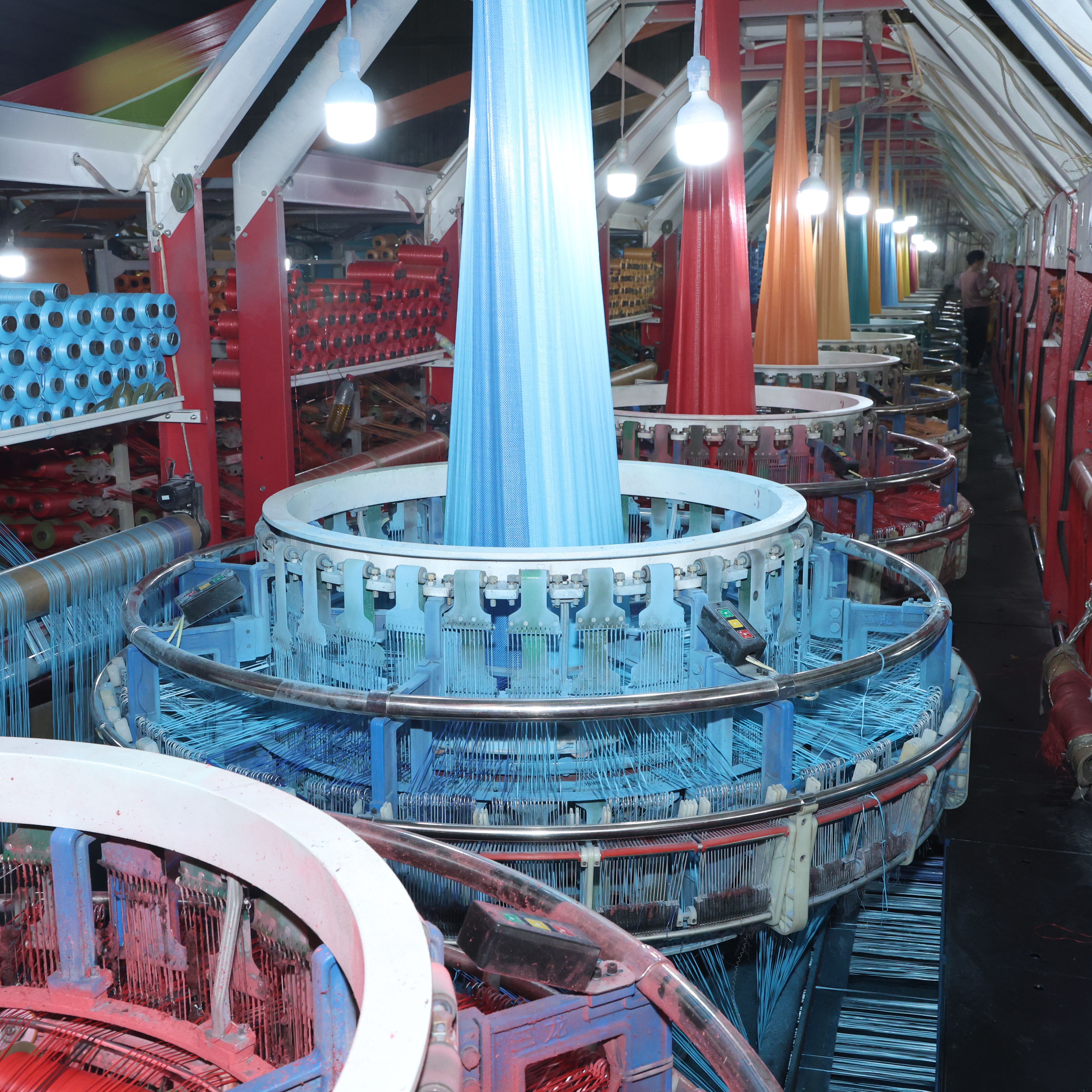
Equipment downtime represents one of the most significant challenges facing modern woven bag production line operations. When machinery fails or operates below capacity, production timelines slip, costs escalate, and customer commitments become difficult to meet. Understanding how to identify, diagnose, and resolve these issues efficiently is essential for any PP woven bag factory aiming to maintain consistent output and profitability.
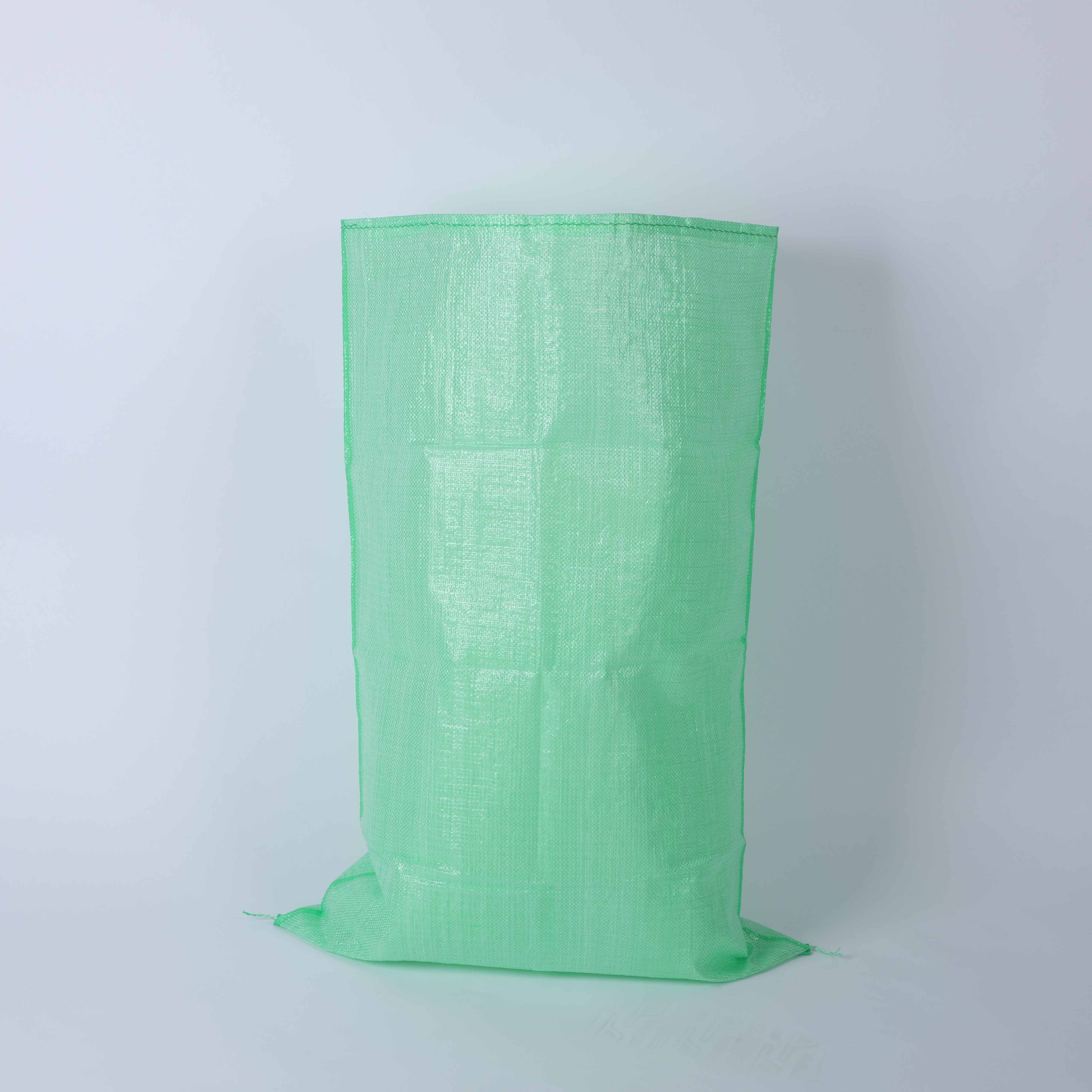
Downtime in a bulk bag manufacturing environment can stem from mechanical failures, material contamination, human error, or inadequate maintenance protocols. Each incident disrupts workflow, increases labor costs, and potentially damages your reputation with clients. Effective troubleshooting requires a systematic approach, clear documentation, and a culture of preventive maintenance across all levels of your operation.
In a custom woven bag factory, equipment operates continuously under demanding conditions. The primary mechanical vulnerabilities include bearing wear, motor fatigue, and transmission problems. When spindle bearings degrade, the woven bag production line experiences vibration, noise, and eventually complete stoppage. Motor coils can overheat if cooling systems fail or if ambient temperature in the facility remains uncontrolled. Transmission belts and chains wear down gradually, leading to slippage before final breakage.
Regular inspections of these components help identify wear patterns early. Track operating hours for each machine, monitor temperature readings, and document unusual sounds or vibrations. Most pp bag manufacturing operations report that 70 percent of unexpected failures could have been prevented through early detection and timely component replacement.
Material contamination ranks as a leading cause of downtime in bulk bag manufacturing settings. Foreign particles, moisture, or incompatible polymer batches can jam feeders, clog extruders, or degrade product quality. A custom woven bag factory must establish strict incoming material inspection procedures to catch problems before materials enter production. Test batches of new suppliers' resin to ensure consistency with existing specifications.
Humidity control in storage areas also matters significantly. Polypropylene absorbs moisture, which compromises mechanical properties and creates processing difficulties on the woven bag production line. Maintain storage areas at relative humidity levels between 40 and 60 percent to prevent degradation.
Preventive maintenance forms the foundation of reliable pp bag manufacturing operations. Establish a detailed maintenance calendar that outlines daily, weekly, monthly, and annual tasks for every machine in your woven bag production line. Daily checks might include visual inspections of motor conditions, lubrication top-ups, and temperature monitoring. Weekly maintenance could involve cleaning filters, checking alignment, and testing emergency stops.
Train maintenance staff to recognize early warning signs before equipment reaches failure state. A bulk bag manufacturing facility that invests in predictive maintenance technologies such as vibration analysis, thermal imaging, and oil analysis can extend equipment life by 30 to 50 percent. Assign responsibility clearly so that no maintenance task falls through gaps in accountability.
Maintain comprehensive records for every machine in your custom woven bag factory. Document maintenance history, downtime incidents, parts replaced, and performance metrics. This information reveals patterns, identifies chronic problem areas, and supports data-driven decisions about equipment upgrades or replacements. When downtime occurs, record start time, duration, suspected cause, actions taken, and resolution method.
Analyze downtime data quarterly to identify trends. If a specific machine in your pp bag manufacturing environment shows recurring issues, prioritize replacement or major refurbishment. Use performance dashboards to communicate equipment status to management and production teams, creating shared accountability for reliability.
When equipment stops unexpectedly in a woven bag production line, seconds matter. Develop a rapid troubleshooting flowchart that operators and maintenance technicians can follow immediately. Start with visual checks: Are there error codes displayed? Is power reaching the machine? Are safety guards in place? Can you identify obvious jamming, spillage, or contamination? These simple questions often reveal the problem within minutes.
For a bulk bag manufacturing operation, having spare parts on hand reduces restart time significantly. Keep emergency inventory of common wear items such as belts, bearings, fuses, and seals. Train at least two technicians to handle each critical machine so that expertise is not concentrated in one person. Cross-training prevents extended downtime when primary technicians are unavailable.
Downtime resolution in a pp bag manufacturing facility requires coordinated effort across production, maintenance, and management teams. Establish a communication protocol that alerts relevant personnel immediately when critical equipment fails. Assign a downtime coordinator who tracks progress, communicates status updates, and documents decisions made during the incident.
In your custom woven bag factory, sharing troubleshooting knowledge improves response times over time. Hold monthly meetings to review recent incidents, discuss lessons learned, and update protocols based on new insights. Encourage operators to report early warning signs before catastrophic failure occurs.
Inadequate maintenance and lack of preventive care represent the leading cause of unexpected downtime in bulk bag manufacturing. Many facilities operate equipment without regular lubrication, alignment checks, or component inspections, allowing wear to progress undetected until failure becomes inevitable. A structured preventive maintenance program targeting bearing lubrication, filter cleaning, and alignment verification can eliminate 60 to 70 percent of downtime incidents.
Reducing downtime costs requires a three-part strategy: prevention through scheduled maintenance, rapid detection through performance monitoring, and fast resolution through spare parts availability and trained personnel. Investment in condition monitoring tools, staff training, and spare parts inventory typically returns positive ROI within 12 to 18 months through reduced unplanned downtime and extended equipment life in pp bag manufacturing operations.
A comprehensive downtime response plan includes clear diagnostic procedures, a directory of spare parts with storage locations, contact information for external repair services, training records for all technicians, documented communication protocols, and a system for recording and analyzing every incident. This preparation enables your woven bag production line to resume operations quickly and identifies opportunities for continuous improvement in reliability and operational efficiency.

Discover the 4 critical production metrics—throughput, defect rate, equipment uptime & on-time delivery—to vet factories confidently.

Ensure regulatory compliance & worker safety with proven methods for chemical woven bags—material selection, labeling, storage & training.

Discover the full PP woven bag manufacturing workflow—from extrusion & weaving to printing & QC. Boost efficiency, compliance & ROI. Download the process guide now.

Struggling with weak bags or high material waste? Master extrusion and tape drawing tech for stronger, cheaper PP woven bags. Optimize your production line now.

Struggling with defects or customer returns? Discover the 5 non-negotiable quality checkpoints across your woven bag production line
Which automation tier is right for your PP woven bag factory? Compare manual to Industry 4.0 systems for cost, quality, and scalability.
Get in touch for details on polypropylene woven bags and flexible packaging solutions.
Tel
Address
No.2015, Liaoyuan Building, Lanshan District, Linyi City, Shandong Province.China

