 EN
How to Assess Production Efficiency at a PP Woven Bag Factory
Discover the 4 critical production metrics—throughput, defect rate, equipment uptime & on-time delivery—to vet factories confidently.

2026/08/31
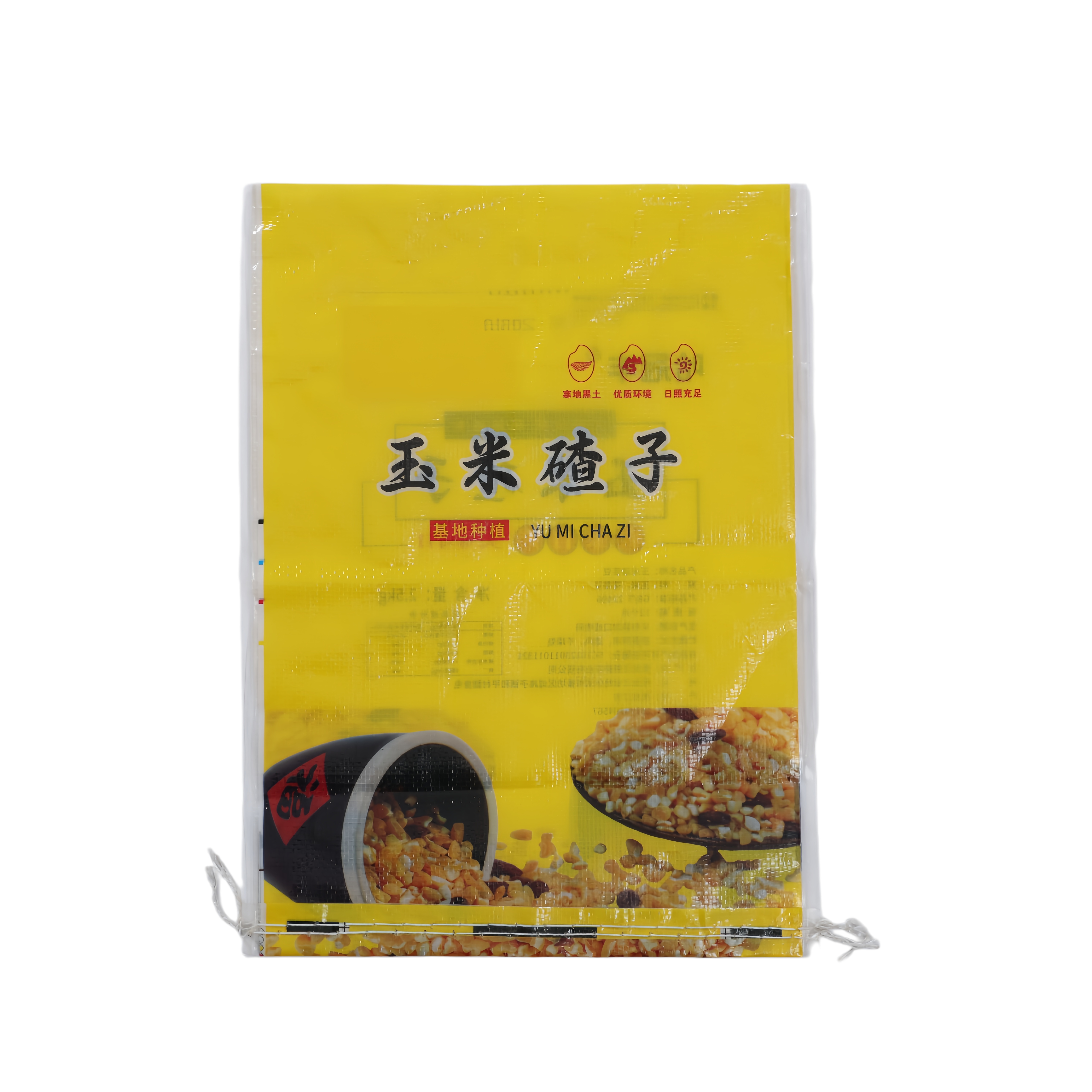
Moisture penetration represents one of the most significant challenges in modern agricultural operations, particularly when storing nutrients over extended periods. When water seeps into fertilizer bags, it compromises product quality, reduces nutrient availability, and can lead to substantial financial losses. Understanding how moisture enters storage containers and implementing preventive strategies is essential for maintaining product integrity throughout the supply chain.
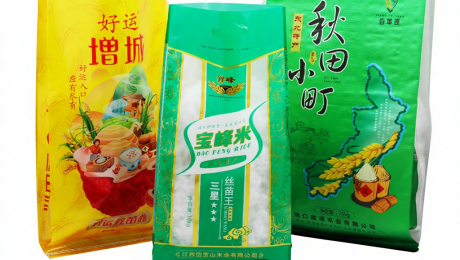
The right fertilizer woven bag design and storage environment work together to create a protective barrier against environmental moisture. Agricultural fertilizer packaging must balance durability, breathability, and moisture resistance to perform reliably in diverse climates. This article explores the root causes of moisture penetration, proven prevention methods, and best practices for maintaining dry conditions in fertilizer storage facilities.
Moisture enters pp fertilizer sack containers through multiple pathways, with water vapor diffusion being the most common mechanism. Even tightly woven polypropylene materials allow microscopic water molecules to pass through when relative humidity levels exceed 70 percent. The permeability of standard agricultural fertilizer packaging increases significantly in warm conditions, as higher temperatures accelerate molecular movement through the polymer structure. Seams, closure areas, and puncture points create additional weak spots where moisture can accumulate. Understanding these entry mechanisms helps determine which preventive layers prove most effective for different storage scenarios.
Storage location humidity stands as the primary driver of moisture problems in fertilizer woven bag systems. Coastal regions, tropical climates, and facilities near water sources experience higher atmospheric moisture levels that continuously challenge bag integrity. Temperature fluctuations create condensation cycles where warm air holds moisture that condenses on cooler surfaces inside and outside bags. Ground moisture, inadequate roof ventilation, and direct water exposure from sprinkler systems or rain accumulation all contribute to accelerated penetration through agricultural fertilizer packaging. Stacking density and poor air circulation within storage piles trap humid air against bag surfaces, intensifying the moisture gradient that drives water uptake into the fertilizer product itself.
Modern pp fertilizer sack designs incorporate virgin polypropylene resins that provide superior moisture resistance compared to recycled materials. Virgin-grade resins contain fewer defects and micropores that could allow water vapor passage, making them ideal for long-term agricultural fertilizer packaging applications. Multi-layer bag construction adds moisture barriers without significantly increasing cost or weight. High-density polyethylene inner liners create a physical seal that dramatically reduces moisture diffusion through the outer woven layers. Bag thickness, measured in microns, directly correlates with moisture protection capability; bags exceeding 100 microns typically provide substantially better protection than thinner options. Evaluating the polymer grade and construction method helps determine whether a given fertilizer woven bag meets your specific moisture protection requirements.
The closure system represents a critical weak point in any agricultural fertilizer packaging solution, as improper sealing allows direct moisture entry and product spillage. Heat-sealed closures create an airtight bond that prevents water vapor diffusion through the opening area, significantly outperforming simple fold-and-staple methods. Stitched closures, when combined with wax-coated thread and proper tension, provide reliable long-term protection for fertilizer storage bags. Ensuring closure equipment functions correctly and operators follow standardized procedures prevents gaps that compromise entire bag batches. Regular inspection of closure quality during production catches defects before bags reach distribution channels, reducing field failures and customer complaints related to moisture damage.
Reducing ambient humidity within storage facilities represents the most effective strategy for preventing moisture penetration into any agricultural fertilizer packaging. Proper roof design with adequate ventilation and pitch prevents water accumulation and condensation formation inside warehouses. Dehumidification systems actively remove moisture from the air, maintaining relative humidity below 60 percent where water vapor penetration through fertilizer bags becomes negligible. Raising storage piles on pallets or moisture barriers prevents ground water from wicking into bags through direct contact. Installing perimeter drains and ensuring adequate facility grading directs water away from storage areas, protecting inventory from standing water and splash exposure. Regular facility inspections identify roof leaks, damaged seals, and ventilation problems before they affect large quantities of stored fertilizer woven bags.
Strategic stacking arrangements improve air circulation around fertilizer bags, reducing moisture accumulation on exposed surfaces. Leaving gaps between stacks allows ambient air to flow around containers, preventing the formation of stagnant, humid microclimates. Row orientation and stack height affect ventilation patterns; lower stacks with perpendicular row arrangements provide superior airflow compared to massive consolidated piles. First-in-first-out rotation ensures older inventory moves before moisture exposure becomes excessive, minimizing product quality degradation. Covering stored fertilizer bags with breathable tarps protects against direct rain and dust while allowing water vapor to escape, preventing condensation trap conditions. Monitoring moisture content in stored products through periodic sampling catches problems early, triggering corrective actions before significant losses occur. These practical techniques ensure your investment in quality agricultural fertilizer packaging delivers consistent performance throughout the storage cycle.
Fertilizer bags absorb moisture through water vapor diffusion when relative humidity exceeds 70 percent, direct water contact from rain or ground moisture, condensation formation from temperature fluctuations, and inadequate ventilation around stored piles. The materials in pp fertilizer sack containers allow microscopic water molecules to penetrate slowly over time, especially in warm, humid environments. Faulty closures, punctures, and poorly sealed seams accelerate moisture entry significantly compared to intact, well-sealed bags.
Moisture absorption causes nutrient leaching, chemical degradation, and reduced product efficacy in agricultural applications. Caked or clumped fertilizer becomes difficult to apply uniformly, leading to inconsistent crop nutrition and lower yields. Microbial growth accelerates in moist fertilizer storage conditions, potentially creating safety concerns and product loss. The value reduction from moisture-damaged inventory can exceed 50 percent, making effective moisture control essential for profitability in agricultural fertilizer packaging supply chains.
Selecting quality fertilizer woven bags with virgin polypropylene construction and proper closure systems provides excellent protection at modest cost premiums. Improving storage facility ventilation, maintaining humidity below 60 percent, and implementing proper stacking practices deliver substantial benefits without major capital investment. Regular facility maintenance, including roof inspection and drain cleaning, prevents expensive emergency repairs and product losses. Monitoring stored product moisture content and rotating inventory promptly catch problems early, maximizing the protection that comes from your investment in agricultural fertilizer packaging designed for long-term preservation.

Discover the 4 critical production metrics—throughput, defect rate, equipment uptime & on-time delivery—to vet factories confidently.

Ensure regulatory compliance & worker safety with proven methods for chemical woven bags—material selection, labeling, storage & training.

Discover the full PP woven bag manufacturing workflow—from extrusion & weaving to printing & QC. Boost efficiency, compliance & ROI. Download the process guide now.

Struggling with weak bags or high material waste? Master extrusion and tape drawing tech for stronger, cheaper PP woven bags. Optimize your production line now.

Struggling with defects or customer returns? Discover the 5 non-negotiable quality checkpoints across your woven bag production line
Which automation tier is right for your PP woven bag factory? Compare manual to Industry 4.0 systems for cost, quality, and scalability.
Get in touch for details on polypropylene woven bags and flexible packaging solutions.
Tel
Address
No.2015, Liaoyuan Building, Lanshan District, Linyi City, Shandong Province.China

