 EN
How to Assess Production Efficiency at a PP Woven Bag Factory
Discover the 4 critical production metrics—throughput, defect rate, equipment uptime & on-time delivery—to vet factories confidently.

2026/08/28
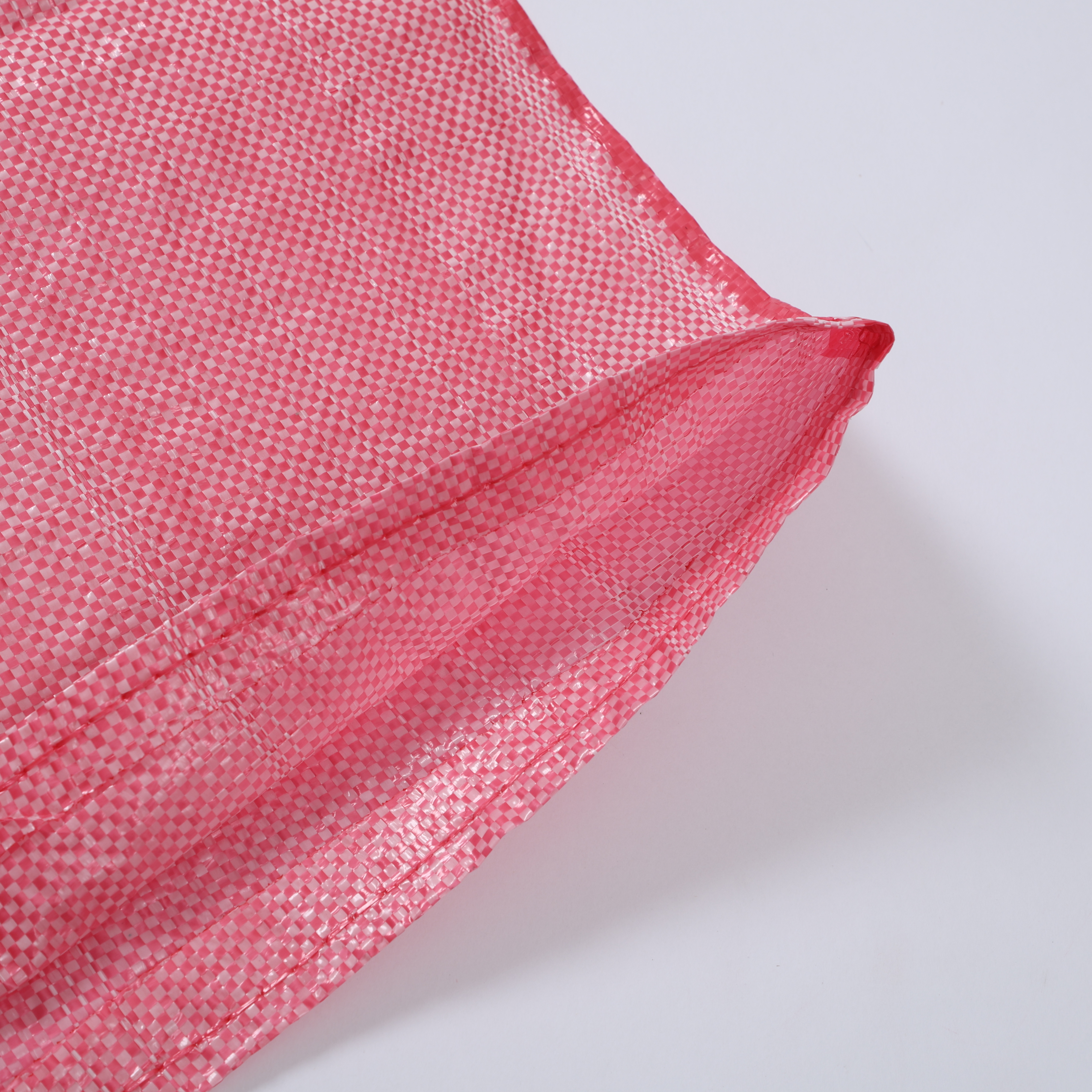
Print fading on a packaging bag is one of the most frustrating quality issues manufacturers and distributors face. When custom graphics, logos, or product information fade, disappear, or blur during storage, transit, or use, the result damages brand perception, reduces shelf appeal, and can render entire batches unmarketable. Understanding the root causes of print fading on woven packaging sacks is essential for maintaining product integrity and protecting your investment in branded industrial packaging bag solutions.
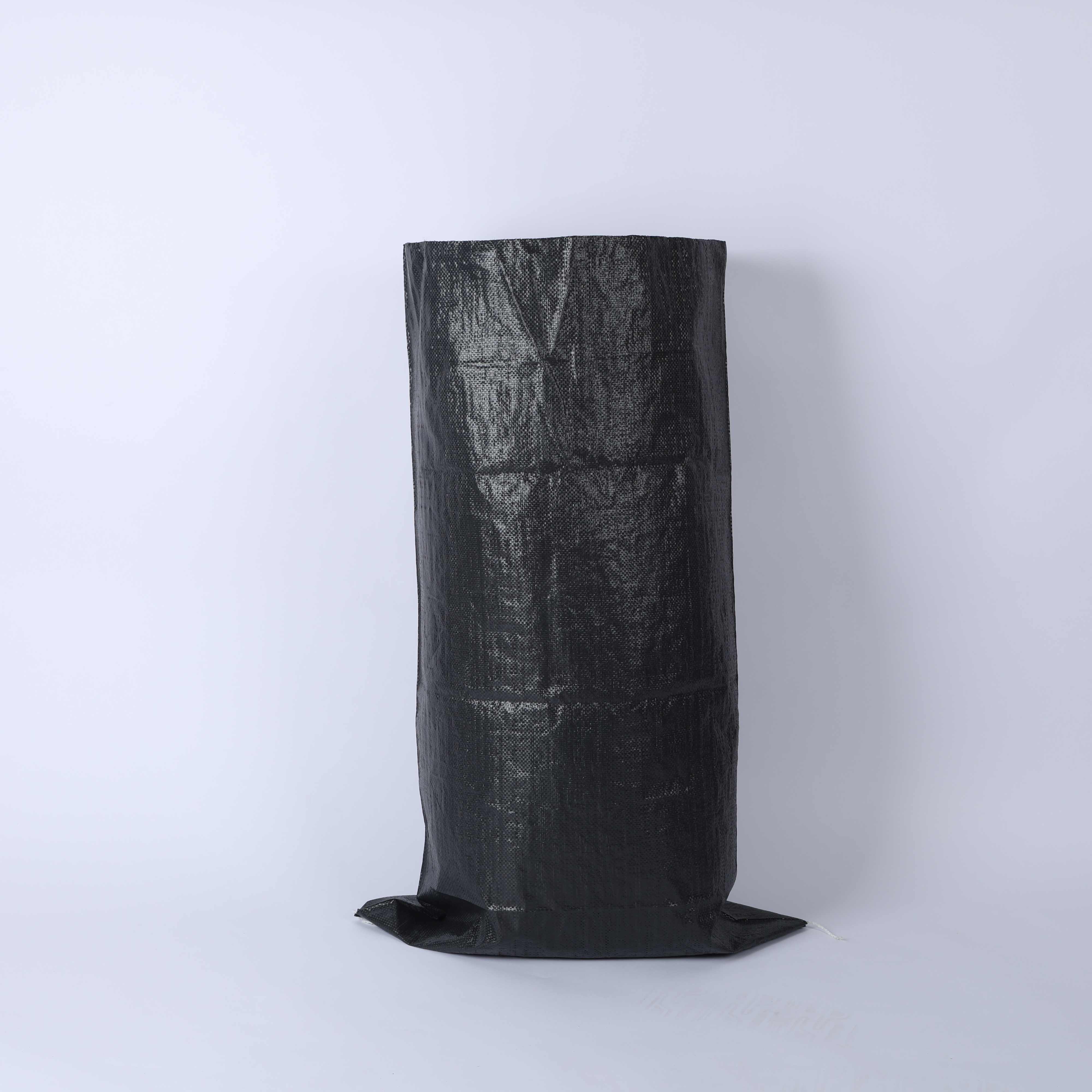
Print fading occurs through several interconnected mechanisms, and addressing it requires a systematic approach. Whether you work with a woven packaging sack supplier, manage an in-house printing operation, or specify bulk packaging bag requirements, this guide will help you identify what causes fading, how to prevent it, and what corrective actions work in real-world production environments.
Ultraviolet light is one of the primary drivers of print fading on any pp packaging bag. Polypropylene films used in woven materials are naturally susceptible to UV degradation, and printed inks sit on the bag surface, exposed to direct sunlight during storage and distribution. When a packaging bag sits in a warehouse with skylights, outdoor staging areas, or transport vehicles exposed to sunlight, UV radiation slowly breaks down ink color molecules. The fade often appears gradual but becomes obvious within weeks to months, especially if the bag contains bright colors or gradients.
Not all inks bond equally well to polypropylene substrate. Lower-quality industrial packaging bag printing processes may use standard flexographic or gravure inks that lack proper surface chemistry for polypropylene adhesion. When ink lacks adequate adhesion to the woven packaging sack surface, it sits loosely on the film, prone to rubbing, flaking, or fading due to physical handling. Environmental exposure accelerates this problem because loose ink particles are more susceptible to oxidative breakdown and moisture interference.
The choice of ink directly impacts print durability on a woven packaging sack. UV-resistant inks specifically formulated for polypropylene provide far superior fade resistance compared to standard inks. These specialty inks contain additives that absorb or reflect UV radiation, preserving color saturation longer. When specifying a bulk packaging bag with printed graphics, always request inks rated for outdoor or extended-light-exposure applications. Premium pp packaging bag manufacturers typically offer ink upgrades as part of quality tiers, and the cost difference is minimal compared to the cost of reprinting faded inventory.
Corona treatment is an electrical surface preparation process that increases polypropylene's surface energy, improving ink wetting and adhesion. When a woven packaging sack undergoes proper corona treatment before printing, ink molecules bond more strongly to the film. This treatment significantly reduces fading caused by ink flaking or loose particles. Many industrial packaging bag producers include corona treatment as standard, but it is worth confirming with your supplier that pre-printing surface preparation meets your durability requirements.
When print fading appears on existing inventory, systematic diagnosis is critical. Examine whether fading is uniform across all sides of the bulk packaging bag or concentrated on sun-exposed areas. Uniform fading suggests ink or coating degradation, while uneven fading points to environmental exposure or moisture damage. Test samples by storing bags in light-proof containers and comparing fade rates. If shielded samples remain stable, UV exposure is the primary cause. If samples fade regardless of light exposure, ink adhesion or chemical contamination is likely the culprit.
If your pp packaging bag inventory is already fading, immediate protective storage is essential. Move bags away from direct sunlight into climate-controlled facilities. Use opaque covering materials such as dark tarps or lightproof storage boxes to prevent further UV exposure. For active production, specify UV-blocking or light-stabilized polypropylene films when reordering your woven packaging sack supply. Some manufacturers offer pigmented or tinted base films that reduce light penetration, which adds a secondary defense layer against print fading on industrial packaging bags.
Print fade speed depends on ink formulation, substrate quality, surface treatment, and storage conditions. Budget-tier bulk packaging bag options often use lower-cost inks with minimal UV protection. Premium pp packaging bag lines feature UV-stabilized inks and better adhesion chemistry, resulting in dramatically slower fade. Storage environment also matters significantly; bags kept indoors fade slower than those in outdoor or semi-outdoor conditions. Consistent environmental control and higher-grade inks will always extend print durability.
Print fading is typically irreversible once UV or adhesion damage occurs. Inks cannot be easily restored to original color intensity. The only practical solution for badly faded packaging bag inventory is replacement or reprinting. This is why prevention through proper ink selection, surface preparation, and storage management is far more cost-effective than attempting recovery. Protecting bags from light exposure immediately after discovering fading can slow further degradation, but the existing fade cannot be eliminated.
Request printed sample runs from your woven packaging sack supplier and conduct accelerated UV exposure testing. Place samples under controlled UV lamps for set periods and compare color retention to your baseline. Also test samples in real-world storage conditions for 4 to 6 weeks if timeline allows. Ask suppliers for their specific ink formulation specifications and UV-stabilizer content. Request examples of their past industrial packaging bag orders that have been in long-term storage, and request customer references for similar applications to validate real-world durability claims.

Discover the 4 critical production metrics—throughput, defect rate, equipment uptime & on-time delivery—to vet factories confidently.

Ensure regulatory compliance & worker safety with proven methods for chemical woven bags—material selection, labeling, storage & training.

Discover the full PP woven bag manufacturing workflow—from extrusion & weaving to printing & QC. Boost efficiency, compliance & ROI. Download the process guide now.

Struggling with weak bags or high material waste? Master extrusion and tape drawing tech for stronger, cheaper PP woven bags. Optimize your production line now.

Struggling with defects or customer returns? Discover the 5 non-negotiable quality checkpoints across your woven bag production line
Which automation tier is right for your PP woven bag factory? Compare manual to Industry 4.0 systems for cost, quality, and scalability.
Get in touch for details on polypropylene woven bags and flexible packaging solutions.
Tel
Address
No.2015, Liaoyuan Building, Lanshan District, Linyi City, Shandong Province.China

