 EN
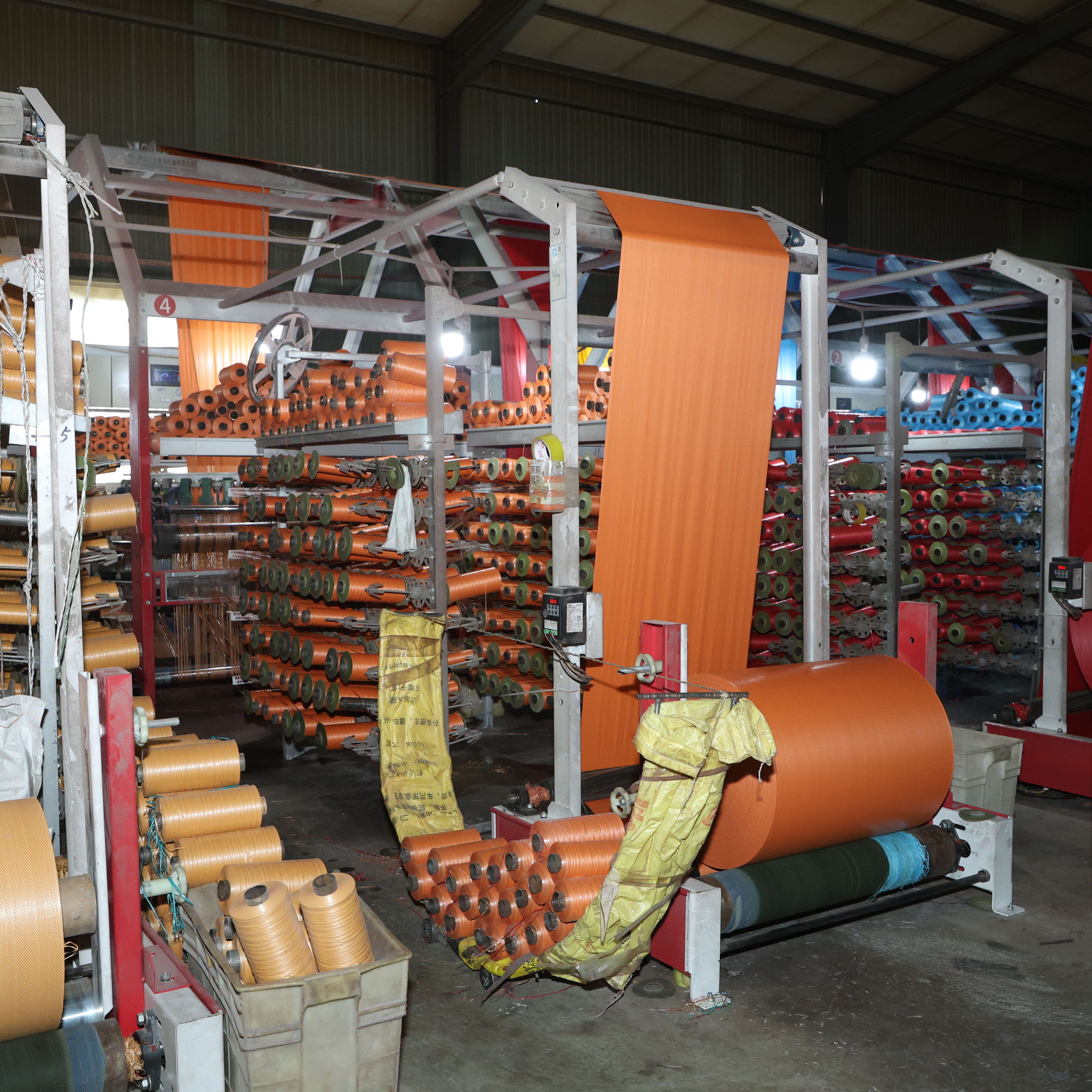
How to Assess Production Efficiency at a PP Woven Bag Factory
Discover the 4 critical production metrics—throughput, defect rate, equipment uptime & on-time delivery—to vet factories confidently.

2026/08/26
Seal weakness between a PE liner and outer woven bag is one of the most common failure points in industrial packaging, especially when dealing with moisture-sensitive materials. When the PE lined structure fails to maintain its integrity, product contamination, moisture ingress, and shelf-life reduction become immediate concerns. Understanding the root causes of seal failure and implementing targeted troubleshooting strategies can significantly improve packaging reliability and reduce costly product loss in the field.
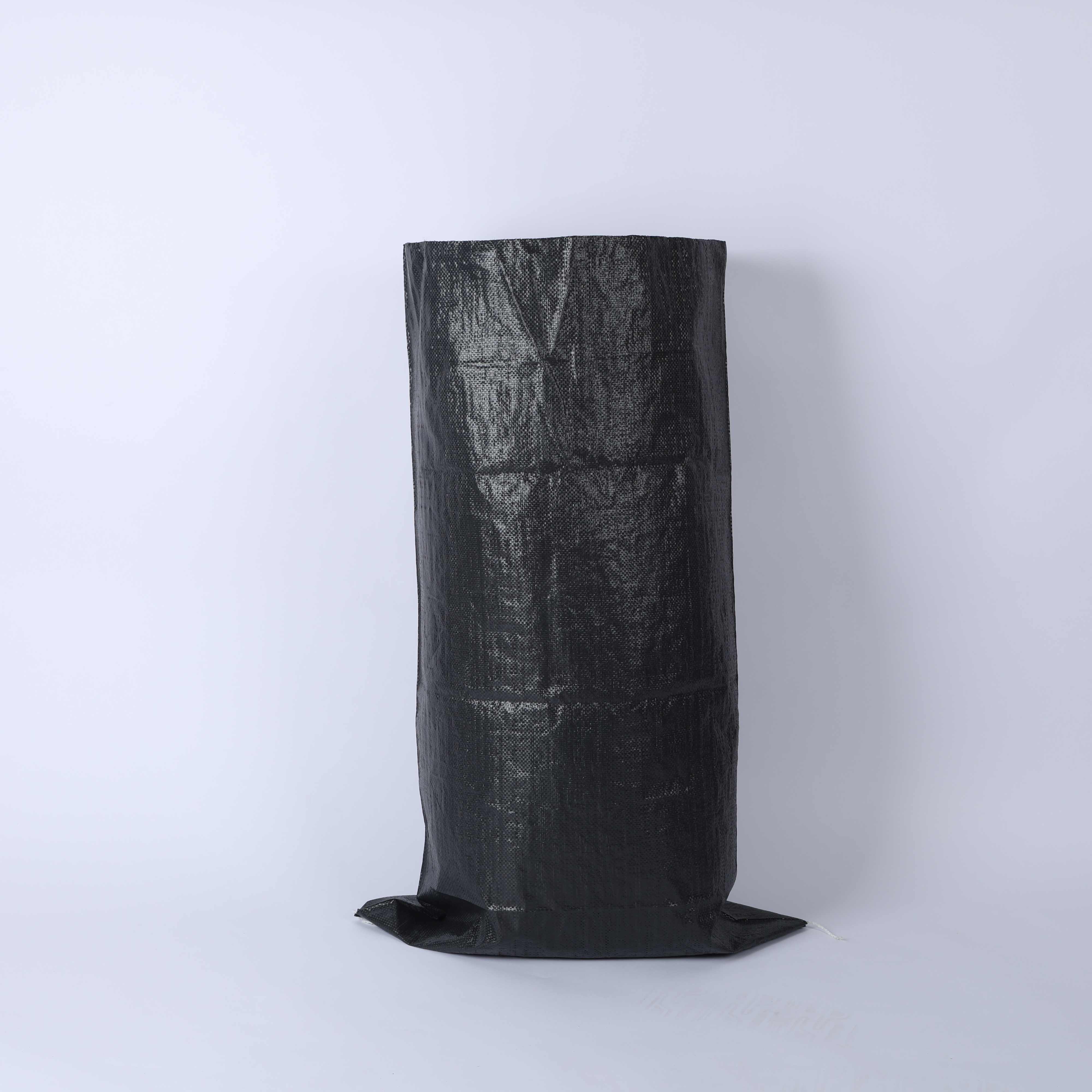
The performance of a PE liner bag depends critically on the bond strength between the polyethylene film and the woven substrate. A moisture barrier bag must maintain complete seal integrity throughout its supply chain journey, from filling and transport to storage and final delivery. When this seal fails prematurely, the entire protective function of the PE Lined structure becomes compromised, leaving contents vulnerable to environmental exposure.
One of the primary drivers of seal weakness in PE liner bags is surface contamination at the seal point. Dust, processing residue, or moisture on the woven substrate surface prevents the polyethylene liner from bonding effectively. During manufacturing, if the woven material is not properly cleaned before the PE liner is applied, microscopic particles create voids in the seal zone. These weak points then propagate under pressure, temperature cycling, or mechanical stress during handling, causing localized delamination.
Adhesion quality between the polyethylene and polypropylene fibers also depends on surface chemistry. When woven fabric surfaces are oxidized or contaminated with oils or sizing compounds, the PE liner cannot achieve molecular-level contact. The result is a seal that appears intact visually but lacks the necessary tensile strength to resist internal pressure or external force, making it especially problematic for a PP PE composite bag structure.
Heat sealing is the standard method for bonding PE liners to woven bags, and inconsistent temperature control is a leading cause of weakness. If sealing temperatures are too low, the polyethylene does not melt sufficiently to create molecular bonding with the substrate fibers. Conversely, if temperatures exceed optimal ranges, the PE film can degrade, lose flexibility, and become brittle, creating stress points that fail under normal handling. Inadequate dwell time during sealing also prevents complete polymer flow and consolidation, resulting in incomplete fusion.
Environmental variations in the production facility—humidity, ambient temperature, and material temperature before sealing—add another layer of complexity. A moisture barrier bag manufactured in a high-humidity environment may experience PE film expansion or moisture absorption, altering seal geometry and reducing mechanical integrity. Without active environmental controls, batch-to-batch consistency deteriorates, and seal strength becomes unpredictable.
The integrity of the outer woven layer directly influences how well a PE liner bag performs under stress. Loose weave construction, uneven fiber tension, or inferior yarn quality creates a surface that cannot provide stable anchorage for the polyethylene film. During heat sealing, the molten PE must flow into the spaces between woven threads and lock in place. If the woven structure is too loose or inconsistent, the PE liner cannot achieve uniform penetration and bonding depth across the seal area.
Fiber damage during weaving, such as splitting or fraying, further compromises seal strength. When woven fibers are partially broken at the seal edge, the PE liner has reduced surface area for adhesion. Additionally, certain woven constructions may exhibit differential stretch behavior between the warp and weft directions, causing stress concentration at seal points and accelerating delamination over time.
The thickness and composition of the polyethylene layer significantly affect seal robustness. A PE liner that is too thin cannot accommodate thermal stress or mechanical flexing without cracking or tearing. Conversely, excessively thick PE liners may not fuse completely into the woven substrate, leaving a loose, unbonded surface layer vulnerable to peeling. The optimal thickness balances flexibility, thermal conductivity during sealing, and mechanical resilience in the finished package.
Polyethylene formulation also matters. Low-density polyethylene (LDPE) offers better flexibility and impact resistance, while linear low-density polyethylene (LLDPE) provides enhanced puncture resistance and tensile strength. The choice of PE resin blend determines how well the liner accommodates seal-induced stress and resists aging. A moisture barrier bag using suboptimal PE formulations may seal correctly initially but degrade rapidly under temperature cycling or UV exposure.
Begin troubleshooting by conducting peel strength testing at the seal point. Extract samples from suspect PE liner bags, perform 90-degree and 180-degree peel tests, and compare results against specification baselines. Weak peel strength—typically below 2.0 N/15 mm—indicates adhesion failure between the PE liner and woven substrate. This quantitative data pinpoints whether the problem is material-based, process-based, or environmental.
Microscopic examination of the seal zone reveals whether the PE has penetrated the woven fibers or merely sits atop the surface. Cross-sectional analysis shows fusion depth, void presence, and delamination boundaries. Visual inspection under magnification often reveals contamination particles, uneven melting, or fiber damage that would be invisible to the naked eye. For critical applications, dynamic package integrity testing—such as vacuum decay or helium leak rate measurement—confirms whether a moisture barrier bag maintains its protective function under realistic conditions.
Implement strict environmental controls in the sealing department. Maintain ambient humidity between 40 and 60 percent and temperature stability within plus or minus 2 degrees Celsius. Pre-condition woven substrate materials to the production environment before sealing to ensure consistent PE liner adhesion. Monitor material temperature immediately before sealing to confirm it falls within the optimal window for PE polymer flow and bonding.
Upgrade sealing equipment to include temperature profiling sensors, dwell time verification, and pressure monitoring. Many seal failures in PE lined woven bags occur because operators do not have real-time feedback on sealing parameters. Modern heat-sealing presses with closed-loop temperature control and adjustable pressure profiles dramatically improve consistency. Regular maintenance of sealing dies, cleaning of residue, and replacement of worn components prevent gradual performance degradation.
If seal weakness persists despite process optimization, evaluate the base materials. Test alternative woven constructions with tighter, more uniform weaves that provide better PE liner anchorage. Confirm that the PP PE composite bag meets thickness and strength specifications. Consider upgrading to a higher-quality LLDPE formulation or increasing liner thickness if application requirements permit. Work with suppliers to conduct accelerated aging tests on candidate materials, simulating the full environmental range the bag will encounter.
Additionally, explore hybrid sealing strategies, such as combining heat sealing with adhesive bonding or ultrasonic sealing, which may achieve better fusion between the PE liner and woven substrate under difficult conditions. Document all changes and conduct production trials before full rollout to confirm that modifications resolve the original seal weakness without introducing new problems.
Sudden seal weakness typically indicates a process or environmental change. Common triggers include sealing temperature drift due to equipment wear, increased ambient humidity affecting material moisture content, supplier change in woven substrate weave tightness, or introduction of a new PE liner batch with different melt flow properties. Investigate the production timeline and correlate failures with equipment maintenance schedules, material receiving dates, or seasonal humidity changes to identify the trigger event.
Implement in-process peel strength testing on a statistical sample basis, targeting at least three samples per production run. Perform 180-degree peel tests and establish a minimum acceptance threshold—typically 2.5 N/15 mm or higher depending on the specific application. Alternatively, use dynamic package integrity methods like vacuum decay testing to confirm the moisture barrier bag maintains seal integrity under realistic handling and storage conditions without requiring destructive sampling.
Minor delamination at the seal edge does not necessarily compromise the moisture barrier function if the delamination is confined to a small area. However, any separation between the PE liner and woven substrate creates a potential entry point for moisture ingress, especially in high-humidity or condensation-prone environments. The safe approach is to consider even small delamination as a defect and investigate the root cause to prevent progressive failure and ensure reliable product protection throughout the shelf-life window.

Discover the 4 critical production metrics—throughput, defect rate, equipment uptime & on-time delivery—to vet factories confidently.

Ensure regulatory compliance & worker safety with proven methods for chemical woven bags—material selection, labeling, storage & training.

Discover the full PP woven bag manufacturing workflow—from extrusion & weaving to printing & QC. Boost efficiency, compliance & ROI. Download the process guide now.

Struggling with weak bags or high material waste? Master extrusion and tape drawing tech for stronger, cheaper PP woven bags. Optimize your production line now.

Struggling with defects or customer returns? Discover the 5 non-negotiable quality checkpoints across your woven bag production line
Which automation tier is right for your PP woven bag factory? Compare manual to Industry 4.0 systems for cost, quality, and scalability.
Get in touch for details on polypropylene woven bags and flexible packaging solutions.
Tel
Address
No.2015, Liaoyuan Building, Lanshan District, Linyi City, Shandong Province.China

