 EN
How to Assess Production Efficiency at a PP Woven Bag Factory
Discover the 4 critical production metrics—throughput, defect rate, equipment uptime & on-time delivery—to vet factories confidently.

2026/08/27
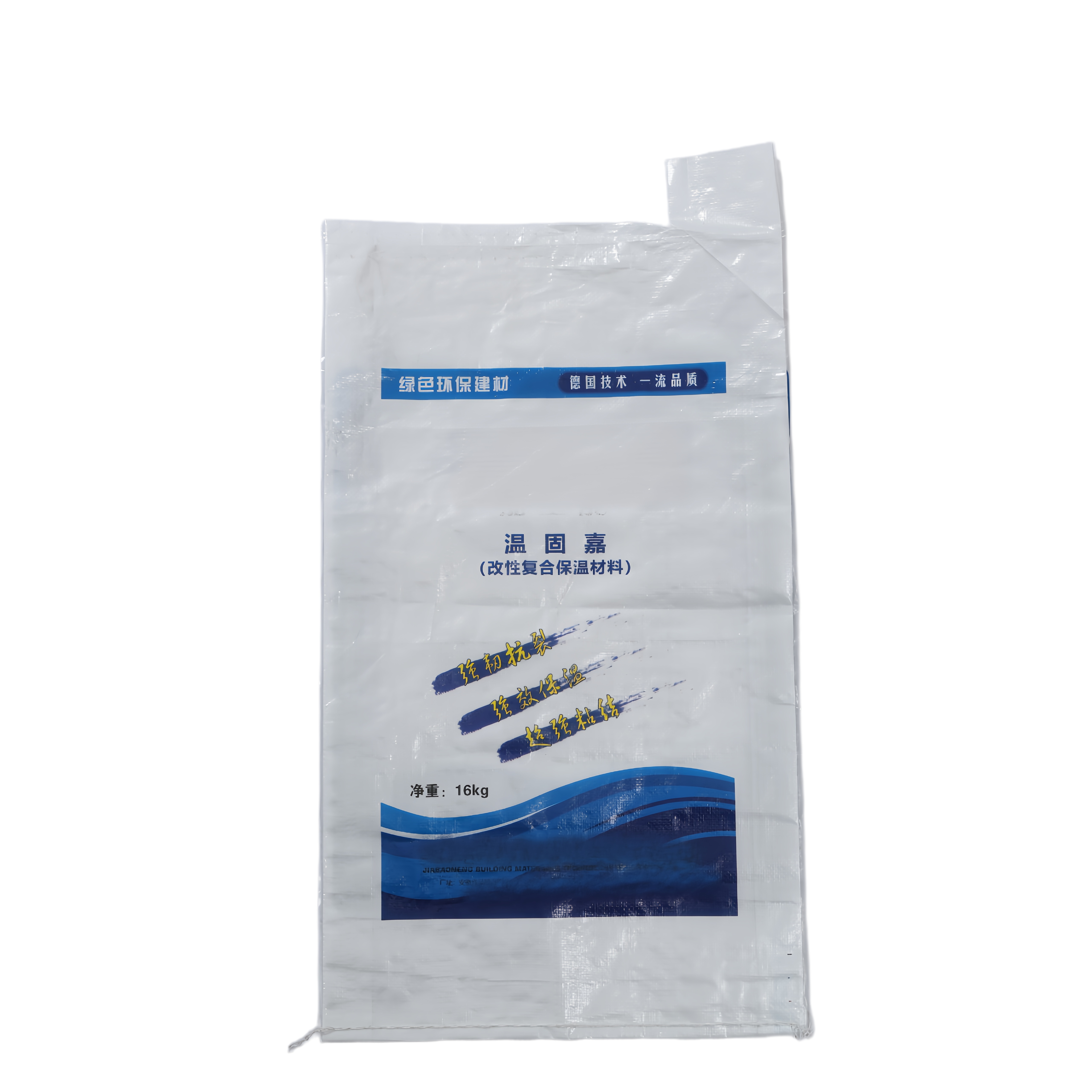
Sizing inconsistencies in custom woven bags can disrupt your supply chain, damage your brand reputation, and create costly logistical headaches. When bulk orders arrive with variations in dimensions, weight capacity, or structural integrity, the impact extends far beyond the warehouse. Customers expect reliable custom packaging solutions that meet exact specifications, and even small deviations can trigger returns, complaints, and lost business opportunities. Understanding the root causes of sizing problems and implementing systematic troubleshooting protocols helps protect your operations and ensures that every batch of custom woven bags meets your requirements.
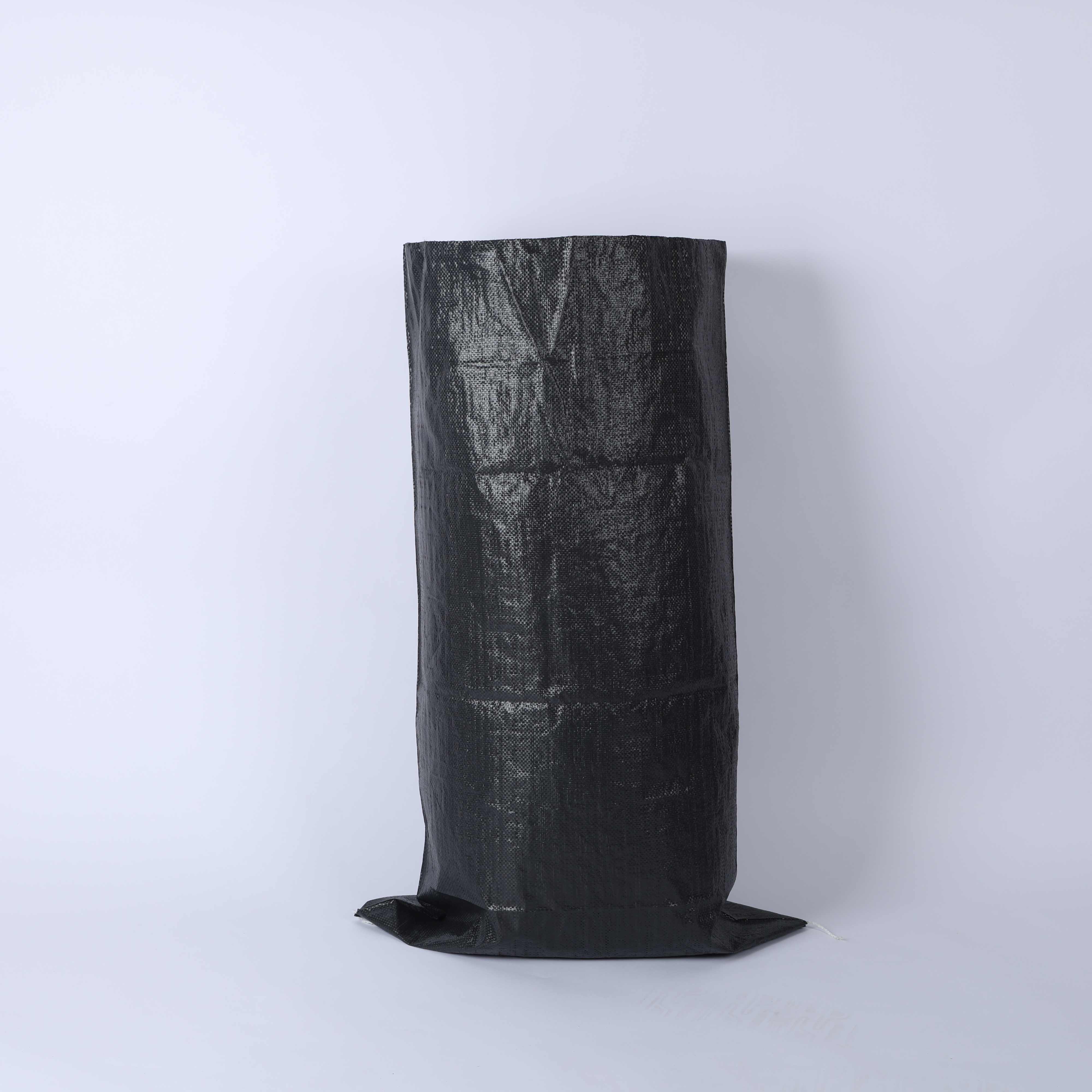
The challenge of maintaining dimensional accuracy in custom printed woven bag production stems from multiple variables in the manufacturing process. Raw material characteristics, machinery calibration, environmental factors during production, and handling procedures all influence final dimensions. A tailored woven sack order that appears correct during initial inspection might reveal problems only after unpacking at your facility or during end-use. Establishing a proactive quality control framework, documenting baseline specifications clearly, and maintaining open communication with your manufacturer are essential steps to identify and resolve sizing issues before they affect your operations.
The foundation of accurate custom woven bags lies in material consistency and machinery precision. Polypropylene film thickness, yarn specifications, and weave density directly impact the final bag dimensions. When manufacturers source materials from different suppliers or batches, subtle variations in material properties can accumulate throughout the production process. Looms must maintain precise tension controls, and cutting equipment requires regular calibration to ensure consistent width and length. Environmental conditions such as humidity and temperature also affect material behavior during production. A personalized pp bag manufactured during high-humidity seasons may shrink differently than one produced in dry conditions, leading to post-production dimensional changes.
Many sizing problems originate from unclear or incomplete design specifications between your team and the custom packaging solution provider. Ambiguous measurements, missing details about finished dimensions versus material dimensions, and unclear tolerances create room for interpretation errors. If specifications don't distinguish between the lay-flat width and the gusseted depth of a custom printed woven bag, manufacturers may produce bags that technically meet one interpretation while failing your actual requirements. Detailed technical drawings, sample references, and explicit tolerance ranges must be documented and confirmed before production begins. Written confirmation of all dimensional parameters eliminates assumptions and provides a clear baseline for quality assessment.
Effective troubleshooting begins with accurate measurement of received custom woven bags. Use calibrated measuring tools and establish a consistent sampling methodology that captures variation across different sections of the batch. Measure multiple dimensions on several bags, not just one representative unit. Check width, length, gusseted depth if applicable, handle length, and any other critical dimension relevant to your application. Record measurements systematically and compare them against your specifications with documented tolerances. When variations appear, calculate whether deviations fall within acceptable ranges or represent genuine quality failures. A tailored woven sack order showing 2 percent dimensional variance might be acceptable for some applications but unacceptable for others, so your tolerance framework must reflect your actual business requirements.
Beyond dimensional accuracy, assess the structural integrity and functional capacity of custom printed woven bag samples. Fill bags with test loads appropriate to their intended use, checking whether they hold their shape and maintain dimensional stability under weight. Examine seam strength, handle attachment quality, and overall construction consistency across multiple units. Test the film quality for tears, weak points, or inconsistent thickness that might compromise durability. Weight a sample of empty bags to identify consistency in material usage; significant weight variations often signal underlying dimensional or construction problems. These functional tests reveal issues that simple measurements might miss and provide practical evidence of whether the custom packaging solution actually meets your operational needs.
When sizing inconsistencies are identified, document findings thoroughly and communicate them clearly to your manufacturer with specific evidence. Provide exact measurements, photographs, and samples that illustrate the discrepancies. Distinguish between problems affecting the entire batch and isolated defects in individual units. Request written explanation of what occurred and what corrective actions the manufacturer will implement. Ask for detailed information about their quality control processes, including what checks should have caught the problem before shipment. This dialogue often reveals whether issues stem from production errors, specification misunderstandings, or material supply problems. Clear documentation creates accountability and establishes a foundation for corrective action.
Incorporate lessons learned from previous sizing issues into your ongoing specifications for custom woven bags. Request pre-production samples for new orders or significant order variations, allowing you to verify specifications before full manufacturing begins. Establish written quality agreements that define acceptable tolerances, inspection procedures, and remedies for non-compliance. Schedule regular communication checkpoints with your manufacturer during production rather than waiting until completion. For critical custom printed woven bag orders, consider on-site inspection or third-party quality verification. Request batch documentation that includes material test certificates, production equipment calibration records, and dimensional verification data. These preventive steps reduce the likelihood of recurrent sizing problems and demonstrate your commitment to quality standards.
Tolerance ranges depend on your specific application and end-use requirements. For most retail and packaging applications, a tolerance of plus or minus 1 to 2 percent of specified dimensions is reasonable. For industrial or specialized applications where precision is critical, tighter tolerances of plus or minus 0.5 percent may be necessary. Discuss your functional requirements with your manufacturer and agree on realistic tolerances based on their production capabilities. Document tolerance ranges explicitly in your technical specifications and purchase orders to ensure clarity.
Request pre-shipment inspection reports that document dimensional measurements and quality checks performed by your manufacturer. Ask for random sample inspection data showing that multiple units were measured rather than just one representative bag. Request photographs of measurement tools applied to actual bags from the production batch. For high-value or critical orders of personalized pp bag products, negotiate the right to conduct independent third-party inspection before shipment. These verification steps provide objective evidence that your custom printed woven bag order meets agreed specifications.
Act quickly to quantify the scope of the problem by sampling across the affected batch. Contact your manufacturer immediately with documentation of the dimensional failures and request immediate investigation. Determine whether the issue affects usability or merely represents cosmetic variation. If bags are unusable, negotiate for replacement or credit with your manufacturer. Document all impacts including customer complaints, rework costs, and lost productivity. Use this incident to revise your acceptance criteria and quality control procedures for future custom woven bags orders, ensuring similar problems don't recur.

Discover the 4 critical production metrics—throughput, defect rate, equipment uptime & on-time delivery—to vet factories confidently.

Ensure regulatory compliance & worker safety with proven methods for chemical woven bags—material selection, labeling, storage & training.

Discover the full PP woven bag manufacturing workflow—from extrusion & weaving to printing & QC. Boost efficiency, compliance & ROI. Download the process guide now.

Struggling with weak bags or high material waste? Master extrusion and tape drawing tech for stronger, cheaper PP woven bags. Optimize your production line now.

Struggling with defects or customer returns? Discover the 5 non-negotiable quality checkpoints across your woven bag production line
Which automation tier is right for your PP woven bag factory? Compare manual to Industry 4.0 systems for cost, quality, and scalability.
Get in touch for details on polypropylene woven bags and flexible packaging solutions.
Tel
Address
No.2015, Liaoyuan Building, Lanshan District, Linyi City, Shandong Province.China

