 EN
How to Assess Production Efficiency at a PP Woven Bag Factory
Discover the 4 critical production metrics—throughput, defect rate, equipment uptime & on-time delivery—to vet factories confidently.

2026/08/07
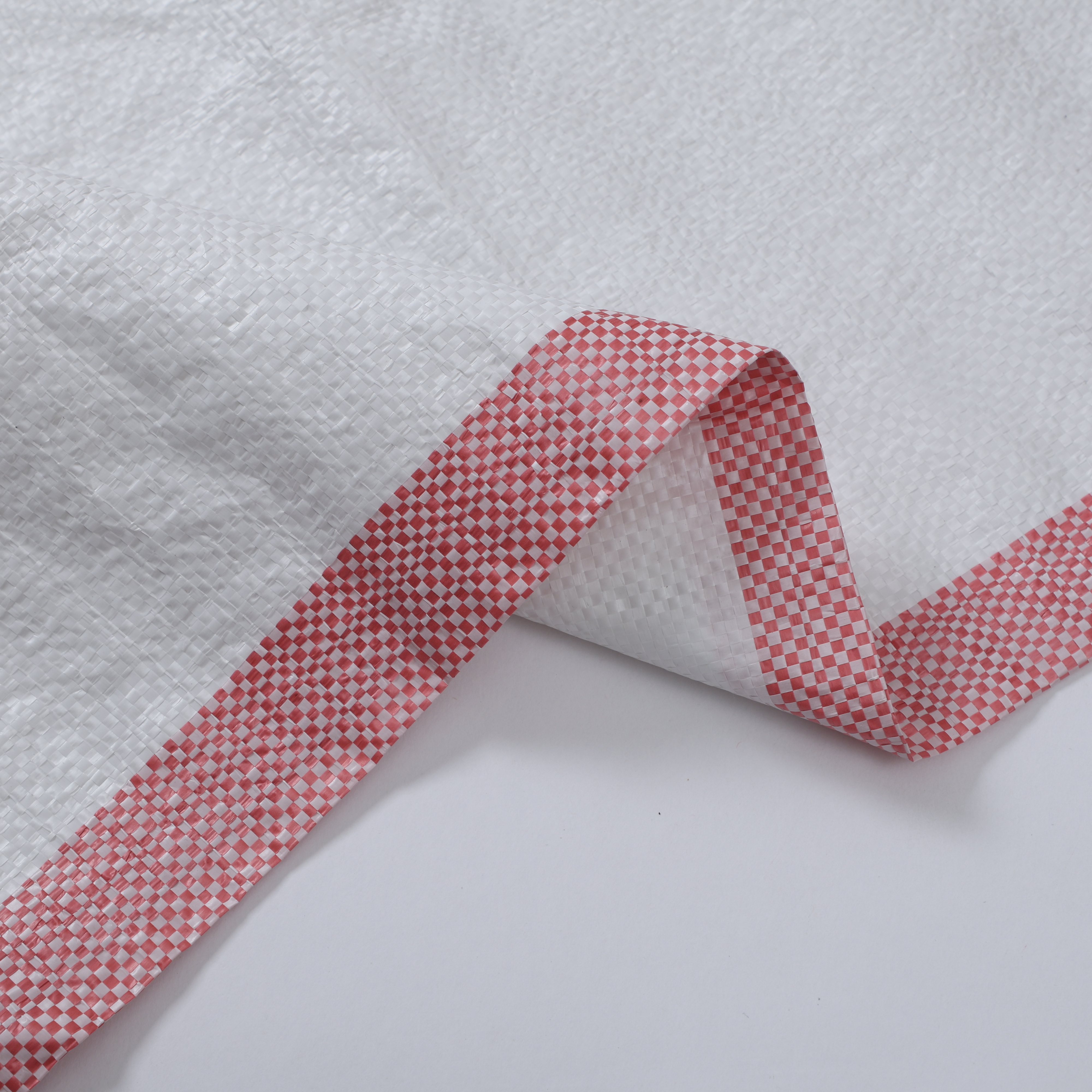
UV degradation represents one of the most significant storage challenges for any facility managing pp woven bags in outdoor environments. When polypropylene woven bag materials remain exposed to direct sunlight, the ultraviolet rays initiate a photochemical breakdown that compromises structural integrity, reduces tensile strength, and accelerates material embrittlement. Understanding the root causes and implementing effective mitigation strategies can substantially extend the service life of your pp woven sack inventory and protect valuable product contents from environmental damage.
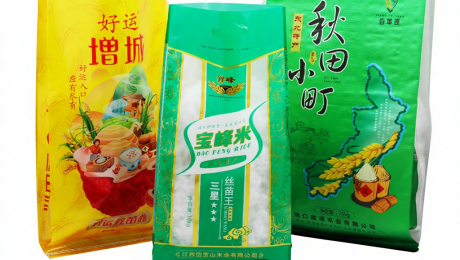
The problem intensifies in agricultural, chemical, and industrial sectors where woven polypropylene packaging serves as the primary containment solution for bulk materials, seeds, fertilizers, and powders. Without proper storage protocols, UV exposure can turn a reliable pp bulk bag into a liability within weeks, leading to product loss, contamination, and costly operational disruptions. This guide explores the mechanisms of UV degradation, identifies early warning signs, and presents field-tested solutions that industrial buyers and storage facility managers can implement immediately.
Ultraviolet radiation contains photons with sufficient energy to break chemical bonds in polypropylene molecules. When a pp woven bag is exposed to sunlight, UV wavelengths penetrate the polymer chain and initiate chain scission, a process where long molecular chains fragment into shorter, weaker segments. This degradation starts immediately upon exposure, even on overcast days, because UV rays penetrate cloud cover. The severity accelerates in tropical and subtropical climates where UV intensity is stronger and exposure duration extends year-round.
The polymer backbone loses elasticity as molecular weight decreases, causing the pp woven sack to become brittle and prone to cracking. Surface discoloration—typically fading to yellow or brown—signals ongoing photochemical reactions. Once initiated, degradation continues internally even if external appearance seems unchanged, making early-stage damage difficult to detect visually. Industrial facilities storing polypropylene woven bag inventory must recognize that visible yellowing indicates advanced degradation rather than initial stages.
Multiple environmental variables interact to intensify UV damage in pp bulk bags. Heat amplifies photochemical reactions, meaning outdoor storage in summer months accelerates degradation significantly compared to cooler seasons. Humidity and moisture infiltration weaken fibers mechanically, making UV-damaged material more susceptible to tearing during handling. Salt spray in coastal regions and industrial air pollutants contain reactive compounds that synergize with UV exposure to further compromise woven polypropylene packaging structural integrity.
Storage surface characteristics also influence degradation rates. Light-colored concrete and reflective surfaces bounce additional UV radiation onto stored bags, effectively doubling exposure intensity. Geographic location determines annual UV index levels, with equatorial and high-altitude regions presenting extreme risk.
Systematic visual inspection protocols catch UV degradation before critical failures occur. Examine the pp woven sack surface for color changes—fading, yellowing, or browning indicates active photochemical breakdown. Check seams and stress points where UV damage concentrates, as these areas typically fail first under load.
Tensile testing provides quantitative degradation assessment. Extract small samples from polypropylene woven bag rolls stored for known periods and measure breaking strength in a lab setting. A 20-30 percent reduction in tensile strength within two to three months of outdoor exposure signals severe UV damage requiring immediate storage modifications. Documentation of these test results creates a baseline for evaluating protective measures and helps establish inventory rotation schedules that prevent product failure in customer hands.
UV-degraded pp woven bags create multiple downstream risks throughout supply chains. Weakened material may rupture during automated bagging, conveyor transport, or stacking operations, causing product spillage and production delays. For agricultural seeds or pharmaceutical ingredients, contamination from environmental exposure renders entire shipments unmarketable.
Customers receiving pp bulk bags with hidden UV damage may experience failures during their own handling and distribution, damaging your reputation and triggering costly warranty claims. Early detection and preventative storage improvements eliminate these risks while preserving product value and operational efficiency. Implementing monitoring protocols shows due diligence and positions your facility as reliability-focused, strengthening customer relationships and reducing liability exposure.
The most effective UV mitigation involves preventing direct sunlight exposure entirely. Install overhead structures—shade cloth, polycarbonate panels, or permanent covered storage facilities—over areas where pp woven bags are stacked. High-density polyethylene shade cloth blocks 50-90 percent of UV radiation while maintaining air circulation to prevent moisture accumulation. For temporary solutions, tarps or UV-resistant plastic sheeting provide cost-effective protection, though these require regular inspection for degradation and secure anchoring against wind damage.
Covered storage facilities eliminate exposure variability and create stable environmental conditions ideal for pp woven sack longevity. Polycarbonate roofing allows light penetration while blocking harmful UV wavelengths, and ventilation systems maintain moderate humidity levels that prevent mildew while minimizing polymer stress. For large-volume operations, purpose-built warehousing represents the optimal long-term investment, as it protects polypropylene woven packaging completely and enables climate control that further extends storage duration.
Selecting pp bulk bags manufactured with UV-stabilizing additives significantly enhances outdoor storage performance. Carbon black pigmentation—adding 2-5 percent by weight—absorbs UV radiation and dissipates energy as heat, reducing polymer chain damage by up to 90 percent compared to unstabilized material. Hindered amine light stabilizers (HALS) and other UV absorbers provide chemical protection that complements physical barriers. When sourcing woven polypropylene packaging for outdoor applications, specify UV-stabilized grades and request certification documentation confirming additive type and concentration.
Comparison tests between standard and UV-stabilized pp woven bags demonstrate dramatic performance differences. Stabilized material maintains strength and flexibility after six months of outdoor exposure, while unstabilized bags become brittle within weeks. Though UV-stabilized pp woven sacks carry a 10-15 percent material cost premium, this investment pays dividends through extended inventory life and reduced waste. For high-value products or facilities with minimal covered storage, UV-stabilized grades become economically justified and operationally essential.
Implement first-in-first-out (FIFO) inventory rotation to ensure that pp bulk bags stored outdoors are used before significant degradation occurs. Establish maximum outdoor storage windows—typically 8-12 weeks depending on climate and UV intensity—and move aged inventory into covered areas or rotation into active use. Environmental monitoring systems track solar radiation, temperature, and humidity, providing data to optimize storage timing and predict degradation rates for your specific location.
Simple UV index monitoring using digital sensors provides actionable intelligence for storage decisions. During high-UV seasons, reduce outdoor storage duration and increase covered storage allocation. Correlate accumulated UV exposure with tensile strength measurements to establish facility-specific degradation curves. This data-driven approach transforms UV protection from guesswork into predictable management, enabling logistics teams to balance inventory capacity constraints with product integrity requirements effectively.
UV degradation begins immediately upon sunlight exposure, though visible signs typically appear within 2-4 weeks depending on climate intensity. A pp woven bag in direct sun at tropical latitudes may lose 30-40 percent of tensile strength within 8-12 weeks, while the same pp woven sack in temperate climates might take 16-20 weeks to reach equivalent damage levels. The polypropylene woven bag degradation rate accelerates during summer months and slows during winter, making seasonal storage planning critical for outdoor facilities.
Moderately UV-degraded pp bulk bags can sometimes be downgraded for lower-stress applications or internal company use where burst strength requirements are reduced. However, severely degraded woven polypropylene packaging becomes brittle and unsafe for product containment, requiring disposal. The economic threshold for salvage typically occurs around 50 percent tensile strength retention; material below this level creates unacceptable failure risk. Prevention through protective storage proves far more cost-effective than attempting salvage operations on degraded inventory.
UV-stabilized pp woven bag formulations retain 70-85 percent of original tensile strength after six months of outdoor exposure, while unstabilized pp woven sacks typically retain only 30-50 percent under identical conditions. The polypropylene woven packaging performance gap widens at longer storage durations, with stabilized material maintaining functionality throughout a full year of outdoor storage while unstabilized grades fail within 3-4 months. For operations with limited covered storage capacity, investing in UV-stabilized pp bulk bag grades reduces material replacement frequency and prevents customer-facing product failures that damage reputation.

Discover the 4 critical production metrics—throughput, defect rate, equipment uptime & on-time delivery—to vet factories confidently.

Ensure regulatory compliance & worker safety with proven methods for chemical woven bags—material selection, labeling, storage & training.

Discover the full PP woven bag manufacturing workflow—from extrusion & weaving to printing & QC. Boost efficiency, compliance & ROI. Download the process guide now.

Struggling with weak bags or high material waste? Master extrusion and tape drawing tech for stronger, cheaper PP woven bags. Optimize your production line now.

Struggling with defects or customer returns? Discover the 5 non-negotiable quality checkpoints across your woven bag production line
Which automation tier is right for your PP woven bag factory? Compare manual to Industry 4.0 systems for cost, quality, and scalability.
Get in touch for details on polypropylene woven bags and flexible packaging solutions.
Tel
Address
No.2015, Liaoyuan Building, Lanshan District, Linyi City, Shandong Province.China

