 EN
How to Assess Production Efficiency at a PP Woven Bag Factory
Discover the 4 critical production metrics—throughput, defect rate, equipment uptime & on-time delivery—to vet factories confidently.

2026/09/07
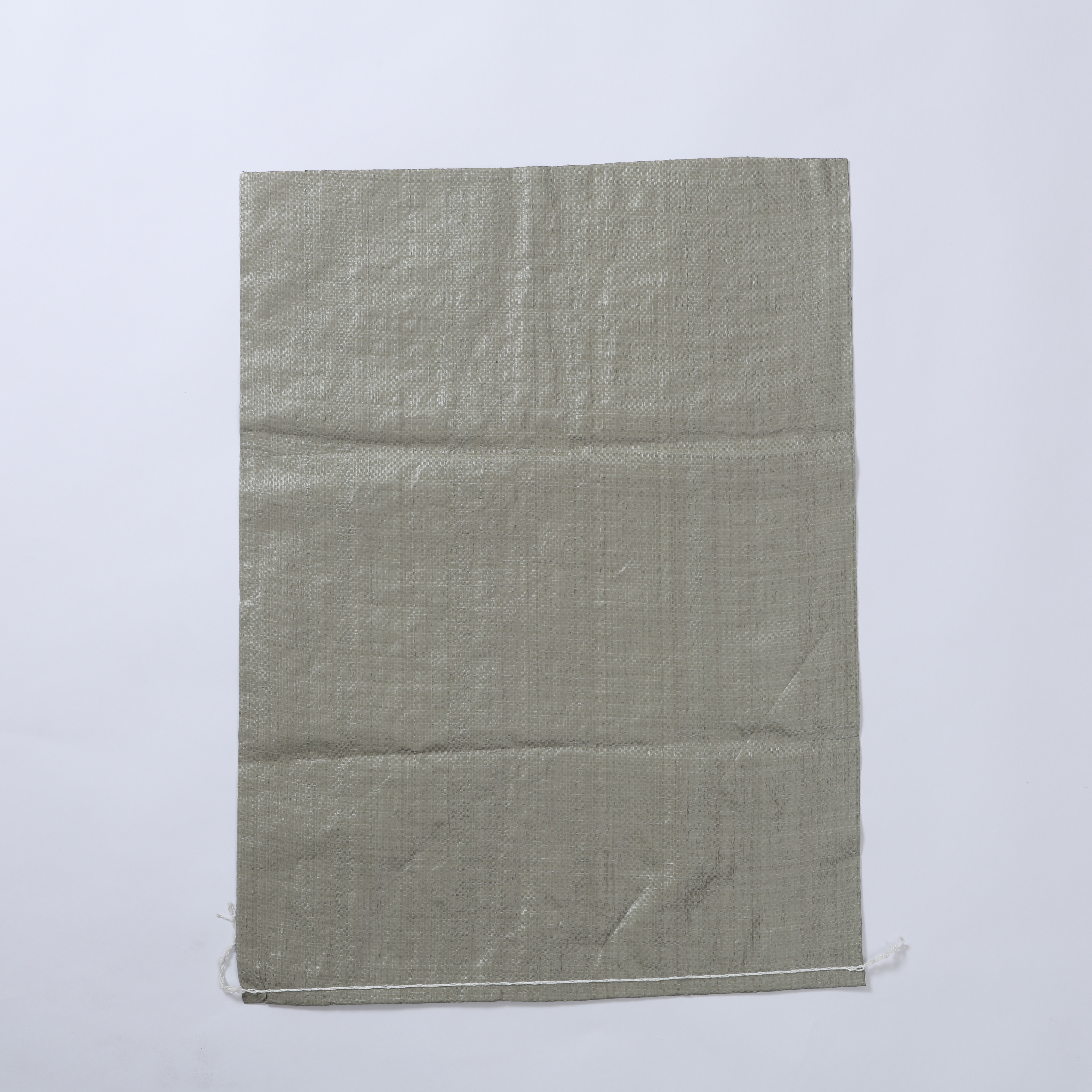
Weight bearing failures in agricultural bags represent a significant operational challenge for farmers, distributors, and agricultural suppliers. When bulk storage containers fail under load, the consequences extend beyond financial loss, affecting crop integrity, supply chain efficiency, and farm profitability. Understanding the root causes and implementing effective troubleshooting strategies can help prevent costly failures and protect valuable harvests during storage and transportation.
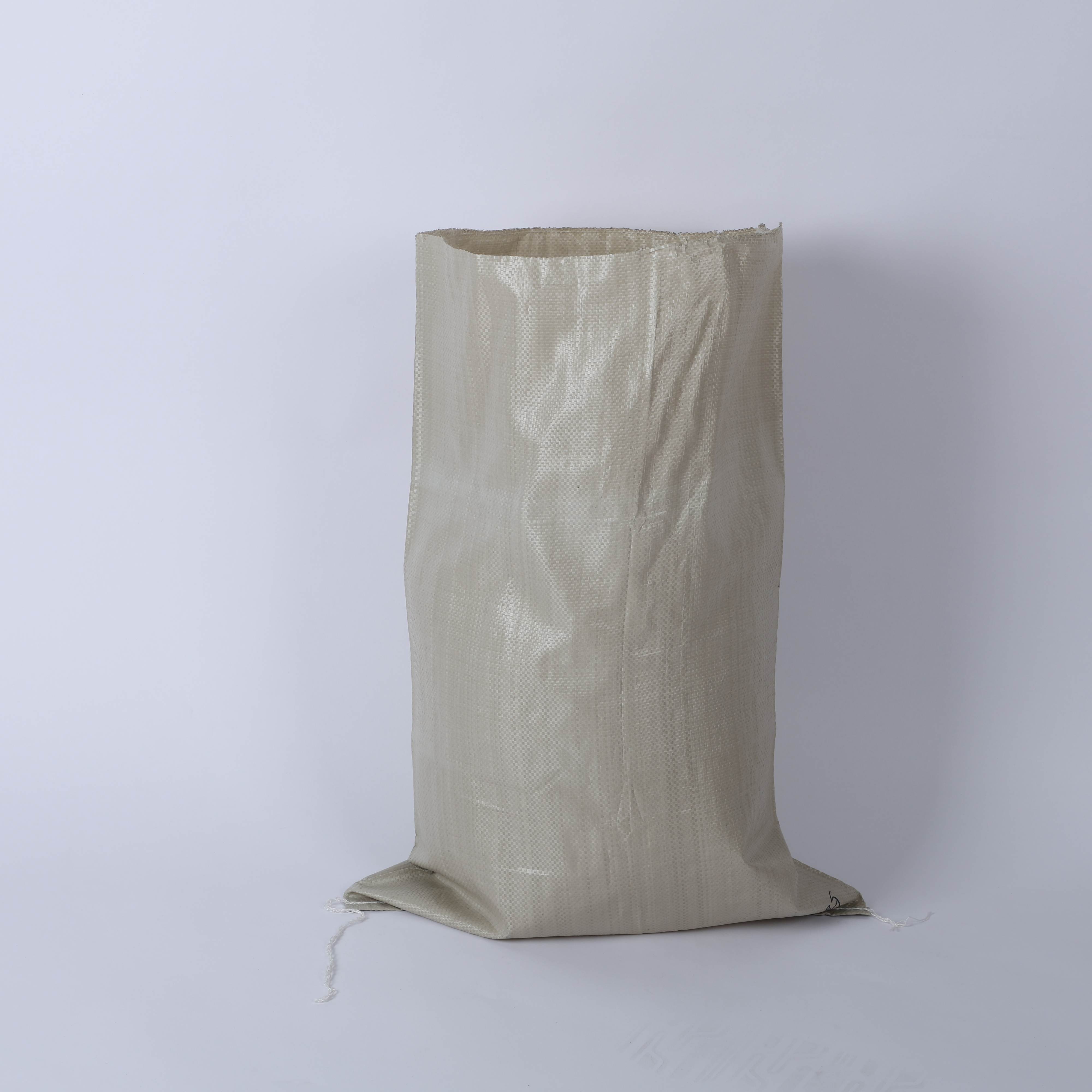
Agricultural packaging solutions must withstand extreme pressure and environmental stresses while maintaining structural integrity. The reliability of agricultural bags depends on material quality, design specifications, and proper usage conditions. Identifying failure patterns early allows operations to adjust storage methods, upgrade bag specifications, or implement preventive maintenance protocols before problems escalate into supply disruptions.
The foundation of reliable agricultural packaging lies in material composition and manufacturing standards. PP agricultural sack products crafted from virgin polypropylene resin offer superior strength compared to recycled materials, particularly when bearing concentrated loads. Fiber degradation occurs when bags experience prolonged ultraviolet exposure before use, excessive temperature fluctuations during storage, or chemical contact with fertilizers or moisture. Farmers should inspect incoming batches for discoloration, brittleness, or surface deterioration that signals compromised material integrity.
Weight bearing capacity depends directly on yarn denier, weave density, and lamination thickness in premium agricultural packaging designs. A pp agricultural sack with 120-gram weight rating provides substantially greater load support than 100-gram alternatives under identical stacking configurations. Manufacturers specify these ratings based on laboratory testing under standardized conditions, yet field applications often introduce variables such as moisture content absorption, temperature extremes, and dynamic motion during handling that reduce practical load margins significantly.
Seam failures represent the most common cause of weight bearing collapse in farm produce bags, occurring when stitching breaks apart under accumulated stress. The connection between sidewalls and top closure experiences maximum tension during stacking and transport, making seam quality paramount for crop storage bag performance. Manufacturing defects such as skipped stitches, inconsistent thread tension, or incorrect stitch spacing create weak points that fail at loads well below rated capacity.
Double-stitched construction distributes load more effectively than single-stitched alternatives, yet this upgrade increases production costs substantially. Examining failed bags reveals whether seam rupture originated from manufacturing deficiency or from abuse exceeding design parameters. Suppliers offering reinforced corner construction and doubled selvedge edges demonstrate commitment to durability in demanding agricultural packaging applications.
Moisture penetration into agricultural bags creates internal stress accumulation that accelerates weight bearing failures dramatically. Polypropylene materials absorb minimal water directly, yet grain and crop materials inside absorb significant moisture when relative humidity exceeds optimal ranges. As crop storage bags absorb environmental moisture, contents expand and create outward pressure against bag walls, effectively pre-stressing the material before any external loads are applied during stacking.
Warehouse conditions with humidity levels above 70 percent create dangerous scenarios for stacked bulk bags, particularly when temperature cycling causes condensation to form on interior surfaces. Ventilation improvements and moisture barriers provide cost-effective protection compared to upgrading to heavier agricultural packaging grades. Monitoring dew point temperatures and adjusting storage locations within facilities can reduce moisture-related failures by 40 percent or more in many operations.
Extreme cold temperatures reduce polypropylene flexibility, causing bags to become brittle and susceptible to tearing under pressure that would normally be tolerable. Farm produce bags stored in unheated facilities during winter months experience material property changes that compromise weight bearing capacity significantly. Cold-induced failures typically appear as sudden splits rather than gradual seam separation, indicating that the material itself has become too rigid to flex under load.
Conversely, prolonged heat exposure degrades polymer chains and reduces tensile strength in agricultural bags intended for long-term storage. Direct sunlight penetration through transparent or translucent materials accelerates this degradation process substantially. Shaded storage areas with temperature stabilization prevent both brittle fracture in cold conditions and polymer breakdown from heat exposure.
Weight bearing failures intensify when operators stack bags beyond designed height tolerances or create unstable pyramid configurations. Agricultural packaging specifications include maximum stacking recommendations based on testing at standardized load distributions, yet field conditions rarely match laboratory assumptions. Square or rectangular stacking patterns distribute loads more evenly than staggered arrangements that concentrate pressure on fewer contact points.
The critical load threshold occurs when bottom bags experience cumulative pressure from multiple layers above, creating concentrated stress zones at seam intersections. For crop storage bag operations, limiting stacks to six or seven layers prevents bottom-bag deformation that leads to cascading failures up the stack. Weight calculation should account for moisture gain during storage, not just initial fill weight, ensuring realistic load margins throughout the storage period.
Inadequate floor support or uneven surfaces create localized stress points where pp agricultural sack materials fail prematurely. Concrete floors with surface damage, loose gravel bases, or wooden pallets with uneven loading distribute weight unevenly across bag contact surfaces. Palletizing bags on rigid, level platforms reduces point-load stress compared to direct floor placement, improving weight bearing performance substantially.
Airflow beneath stacked bags prevents moisture accumulation and reduces humidity-related swelling that weakens agricultural bags. Elevated storage on permeable pallets with adequate under-stack ventilation extends the safe storage period for farm produce bags by weeks or months. Investment in proper material handling infrastructure yields measurable improvements in failure rates and harvest preservation across entire agricultural operations.
Sudden failures typically result from seam defects, moisture-induced swelling that pre-stresses bags before load application, or stacking heights that exceed design specifications. Material defects or construction flaws create weak points that rupture under loads well below rated capacity. Temperature extremes that make polypropylene brittle also trigger sudden failures when bags receive handling impact during loading or environmental stress cycles.
Conducting weight bearing tests with sample bags from incoming batches provides real-world validation beyond manufacturer specifications. Creating test stacks at intended storage heights and monitoring for progressive deformation or seam separation reveals practical performance limitations. Third-party laboratory testing following standardized protocols offers definitive capacity confirmation when failure patterns suggest discrepancies between specifications and field performance.
Upgrading becomes necessary when failure frequency exceeds one percent annually, when cost analysis shows that improved agricultural packaging reduces total crop losses, or when stacking height requirements exceed current bag ratings. Environmental conditions like high humidity or temperature extremes may necessitate superior pp agricultural sack grades that resist moisture absorption and temperature-induced degradation. Consulting with suppliers about climate-adapted crop storage bag options ensures that upgrades provide measurable reliability improvements justified by cost increases.

Discover the 4 critical production metrics—throughput, defect rate, equipment uptime & on-time delivery—to vet factories confidently.

Ensure regulatory compliance & worker safety with proven methods for chemical woven bags—material selection, labeling, storage & training.

Discover the full PP woven bag manufacturing workflow—from extrusion & weaving to printing & QC. Boost efficiency, compliance & ROI. Download the process guide now.

Struggling with weak bags or high material waste? Master extrusion and tape drawing tech for stronger, cheaper PP woven bags. Optimize your production line now.

Struggling with defects or customer returns? Discover the 5 non-negotiable quality checkpoints across your woven bag production line
Which automation tier is right for your PP woven bag factory? Compare manual to Industry 4.0 systems for cost, quality, and scalability.
Get in touch for details on polypropylene woven bags and flexible packaging solutions.
Tel
Address
No.2015, Liaoyuan Building, Lanshan District, Linyi City, Shandong Province.China

