 EN
How to Assess Production Efficiency at a PP Woven Bag Factory
Discover the 4 critical production metrics—throughput, defect rate, equipment uptime & on-time delivery—to vet factories confidently.

2026/09/01
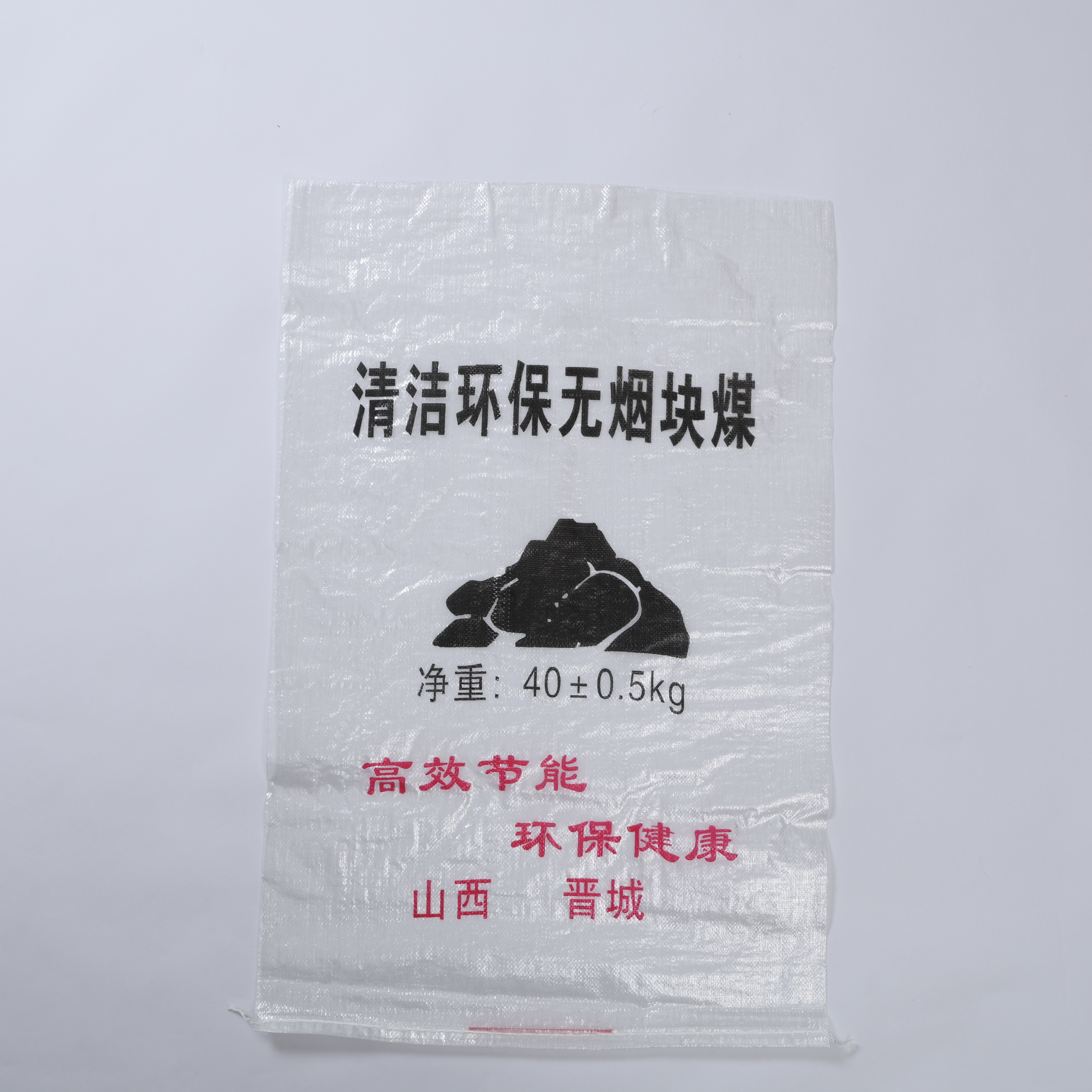
Selecting the appropriate barrier film for sugar bags is a critical decision that directly impacts product quality, shelf life, and customer satisfaction. The choice of barrier material determines how effectively moisture, oxygen, and external contaminants are prevented from compromising the sugar inside. In industrial food packaging, the wrong barrier film selection can lead to premature product degradation, reduced marketability, and increased waste. Understanding the relationship between film properties and storage conditions is essential for optimizing your sugar packaging investment.
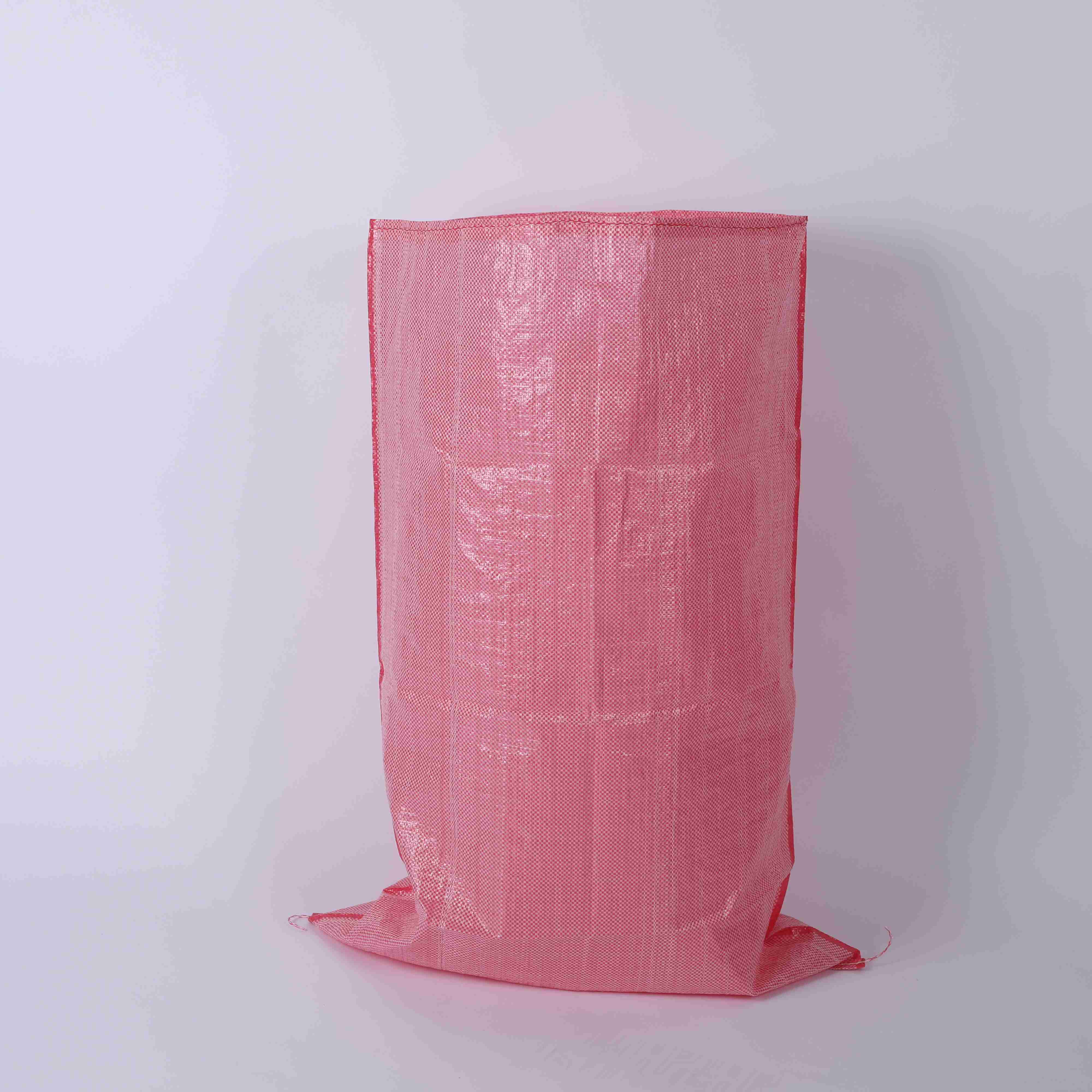
Sugar packaging demands a comprehensive approach to barrier film selection that balances protection, cost efficiency, and regulatory compliance. Whether you are sourcing pp sugar sacks for bulk distribution or food grade packaging bags for retail environments, the film's permeability characteristics, thickness, and material composition must align with your specific distribution network and storage duration. This guide explores the key factors that influence barrier film selection and provides practical insights for making informed decisions when sourcing sugar packaging solutions.
Moisture is the primary enemy of sugar quality, as it causes clumping, caking, and changes in texture that render the product unusable. A properly selected barrier film creates a moisture-resistant layer that prevents water vapor from penetrating into the sugar woven bag during storage and transportation. The barrier effectiveness is measured by water vapor transmission rate (WVTR), which indicates how much moisture passes through the film per unit area over a defined period. Sugar woven bags with superior moisture barriers maintain product flowability and prevent the need for costly remedial processing at the distribution facility.
While sugar is relatively stable, oxygen exposure can accelerate oxidation processes and support microbial growth in certain conditions, particularly in humid environments. Light exposure, especially ultraviolet radiation, can cause color degradation and affect the visual quality of packaged sugar. High-quality food grade packaging bag films incorporate oxygen-blocking materials and pigments that maintain the product appearance and extend shelf life. pp sugar sack materials with integrated oxygen barriers are increasingly preferred in international markets where extended storage and long-distance distribution are common.
Polypropylene remains the industry standard for sugar packaging bags due to its cost-effectiveness, chemical resistance, and processability. pp sugar sack manufacturers commonly use woven polypropylene as the structural foundation, then apply barrier coatings or laminate layers to enhance protection. Multi-layer structures combine polypropylene's mechanical strength with specialized barrier materials such as polyethylene, polyamide, or metallized films. These layered sugar woven bag designs provide superior moisture and oxygen protection without significantly increasing production costs, making them ideal for large-scale sugar distribution operations.
Lamination and coating technologies add specialized barrier layers to the base woven fabric, creating sophisticated sugar packaging bag structures that meet stringent food industry standards. Common coating materials include aluminum oxide, silica, or polymer-based barriers that reduce WVTR to levels required for extended shelf life. Food grade packaging bag standards require these barrier layers to remain food-contact safe and non-toxic throughout the product's distribution lifecycle. Coated sugar bags offer enhanced barrier properties while maintaining the breathability needed for certain applications where some air circulation prevents condensation buildup during storage transitions.
The required barrier film specification depends heavily on how long the sugar will remain packaged and the climate conditions during storage. Short-duration, climate-controlled distribution may require only basic moisture protection, while extended storage in high-humidity tropical environments demands premium barrier films. pp sugar sack specifications should match the intended distribution channel, transportation routes, and final storage conditions. Understanding whether your sugar packaging bags will experience temperature fluctuations, humidity swings, or direct sunlight exposure is essential for selecting the appropriate film thickness and barrier composition.
Different markets impose varying regulatory requirements for food grade packaging bag materials, contact safety, and barrier performance standards. European and North American markets often demand higher barrier specifications and more stringent food-contact safety certifications than some developing regions. Compliance with these standards affects which sugar woven bag materials and coating options are available for your specific sales territories. Verifying that your selected barrier film meets the relevant regulatory standards for each target market is critical for avoiding costly product recalls or distribution hold-ups.
Barrier film selection directly impacts your sugar packaging bag production costs and overall supply chain efficiency. Higher-barrier films typically cost more per unit but may provide superior long-term value by reducing product loss and extending shelf life. Volume commitments influence the economics of specialized barrier coatings and multi-layer structures; larger order quantities may justify premium food grade packaging bag materials that would be uneconomical for smaller producers. Balancing barrier performance against unit cost requires analyzing your specific market segment, product positioning, and acceptable waste levels throughout the distribution network.
Most industrial sugar bags require a water vapor transmission rate below 10 grams per square meter per 24 hours to prevent caking during typical distribution cycles. pp sugar sack applications in tropical climates or extended storage may require WVTR below 5 g/m²/24h for optimal performance. The specific requirement depends on your storage duration, environmental conditions, and acceptable quality degradation levels. Testing your sugar woven bag barrier performance under your actual storage conditions provides the most accurate specification for your application.
Yes, multi-layer barrier structures significantly extend sugar packaging bag shelf life by combining mechanical strength with superior moisture and oxygen barriers. Food grade packaging bags using multi-layer designs typically maintain product quality for 12-24 months under standard conditions, compared to 6-12 months for single-layer woven bags. The combination of polypropylene strength and specialized barrier coatings creates robust sugar woven bags that resist mechanical damage while protecting contents. Investing in multi-layer structures is particularly valuable for export markets where extended supply chain duration increases moisture exposure risks.
Request documentation from your sugar bags supplier confirming compliance with FDA, EU, or relevant regional food contact safety regulations. pp sugar sack manufacturers should provide migration testing results and material certifications proving their food grade packaging bags contain no harmful substances. Third-party testing labs can verify barrier performance and food-contact safety through standardized testing protocols applied to sample batches. Regular audits of your sugar woven bag supplier's quality control procedures ensure consistent compliance with all applicable food safety standards throughout your supply chain.

Discover the 4 critical production metrics—throughput, defect rate, equipment uptime & on-time delivery—to vet factories confidently.

Ensure regulatory compliance & worker safety with proven methods for chemical woven bags—material selection, labeling, storage & training.

Discover the full PP woven bag manufacturing workflow—from extrusion & weaving to printing & QC. Boost efficiency, compliance & ROI. Download the process guide now.

Struggling with weak bags or high material waste? Master extrusion and tape drawing tech for stronger, cheaper PP woven bags. Optimize your production line now.

Struggling with defects or customer returns? Discover the 5 non-negotiable quality checkpoints across your woven bag production line
Which automation tier is right for your PP woven bag factory? Compare manual to Industry 4.0 systems for cost, quality, and scalability.
Get in touch for details on polypropylene woven bags and flexible packaging solutions.
Tel
Address
No.2015, Liaoyuan Building, Lanshan District, Linyi City, Shandong Province.China

