 EN
How to Assess Production Efficiency at a PP Woven Bag Factory
Discover the 4 critical production metrics—throughput, defect rate, equipment uptime & on-time delivery—to vet factories confidently.

2026/08/06
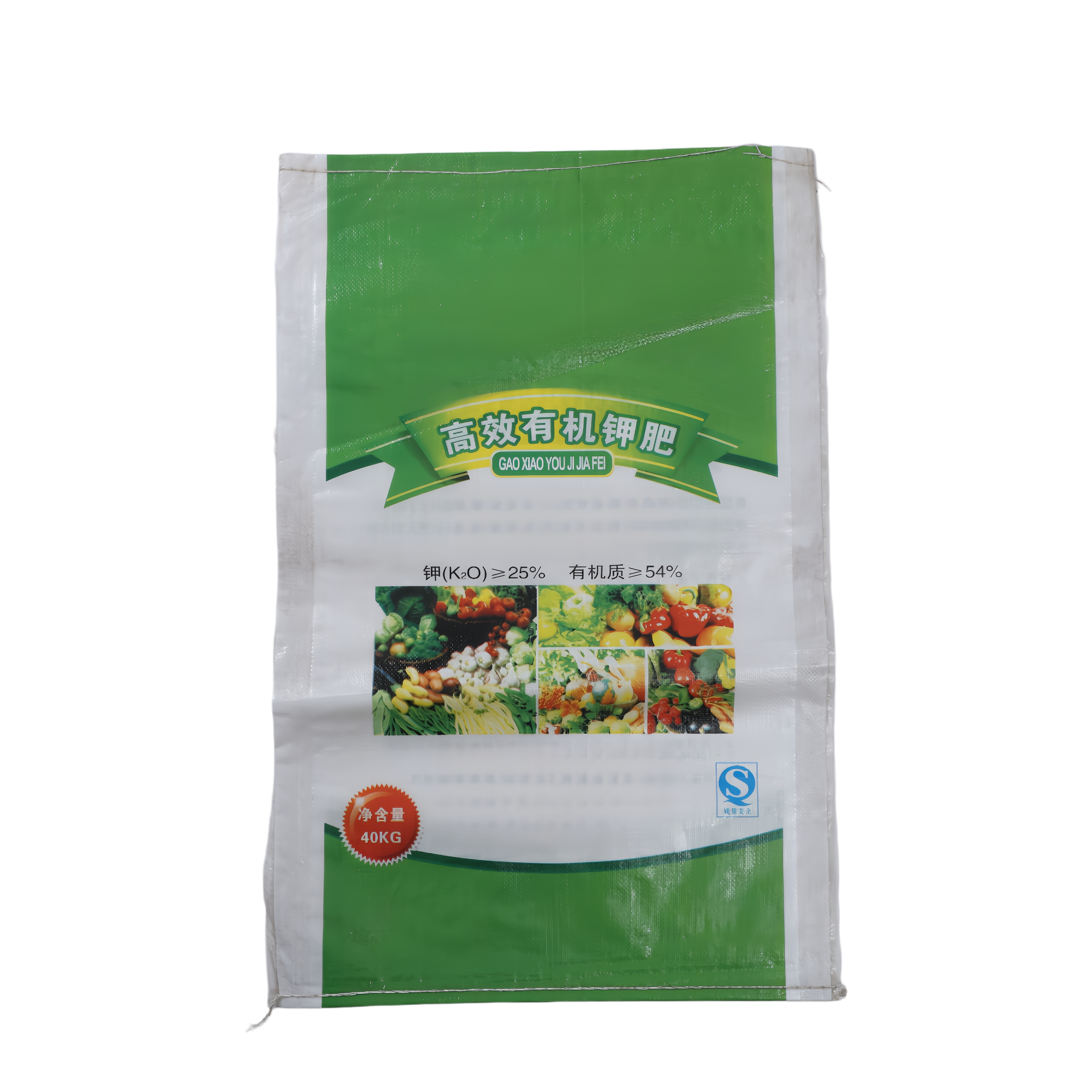
Barrier performance ratings represent a critical measure of how effectively laminated bags protect contents from external environmental factors. In industrial and food packaging applications, understanding these ratings determines whether your chosen laminated pp bag meets regulatory standards, product shelf-life requirements, and cost efficiency objectives. Barrier performance encompasses moisture transmission, oxygen permeability, and chemical resistance, each quantified through standardized testing protocols that manufacturers and procurement teams must evaluate carefully.
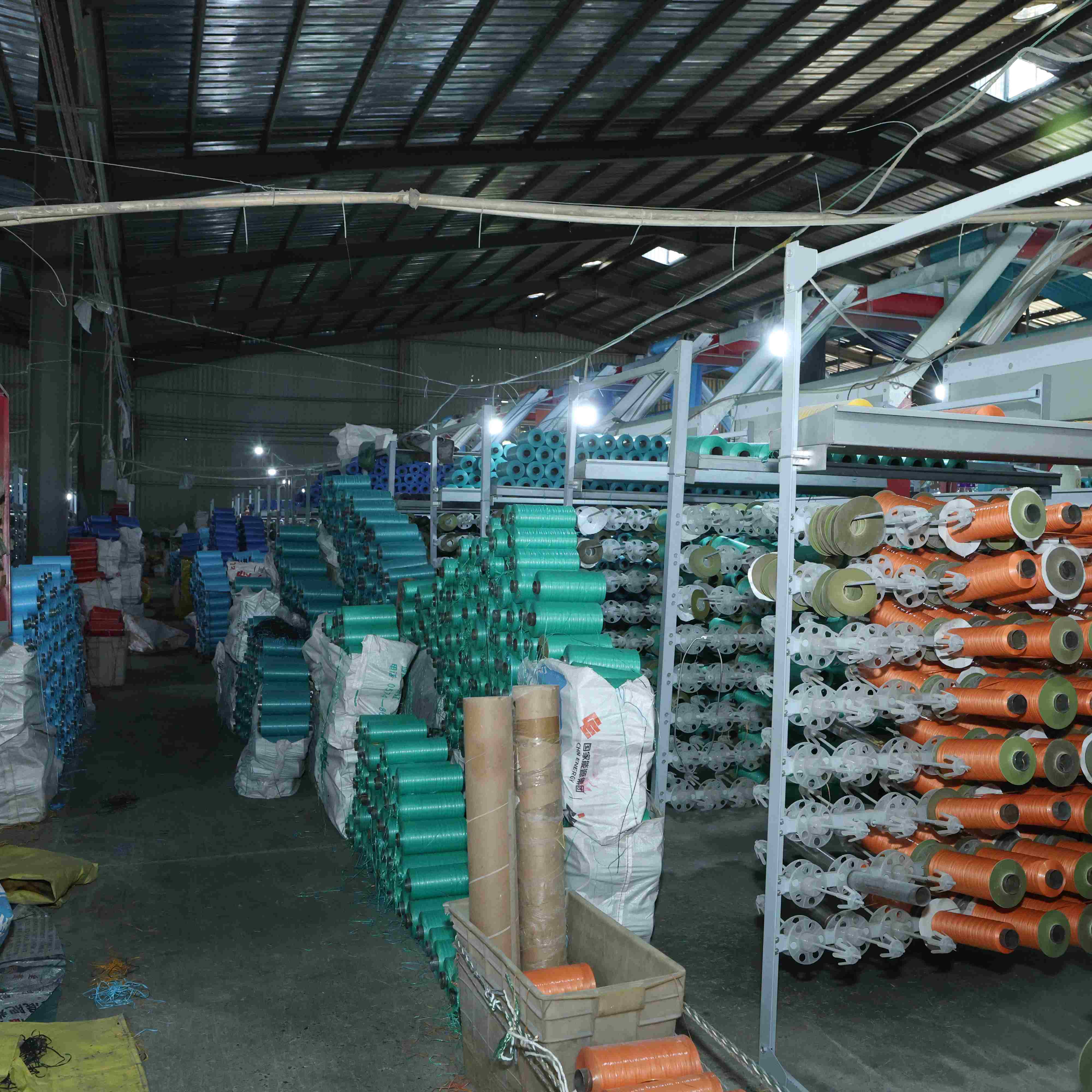
Organizations selecting coated packaging bag solutions face mounting pressure to balance performance specifications with procurement budgets. A moisture proof bag must achieve specific barrier thresholds to prevent product degradation, spoilage, or contamination. The barrier rating system provides a transparent, measurable framework that helps supply chain professionals make informed decisions about laminated sack selection and long-term packaging strategy alignment.
Water vapor transmission rate, commonly abbreviated as WVTR, measures how much moisture penetrates through a laminated pp bag over a specific timeframe under controlled conditions. Testing occurs at standardized temperatures and humidity levels, typically 38 degrees Celsius and 90 percent relative humidity, following ASTM F1249 or equivalent international protocols. The laminated sack's WVTR value directly impacts product shelf-life, particularly for moisture-sensitive applications including pharmaceuticals, powdered foods, and chemical additives. Lower WVTR values indicate superior barrier protection, with premium moisture proof bag options achieving ratings below 1 gram per square meter per day.
Oxygen permeability rating determines how effectively a coated packaging bag resists oxygen ingress, crucial for preventing oxidation and microbial growth in oxygen-sensitive products. Measured in cubic centimeters per square meter per day under standardized conditions, oxygen barrier performance varies significantly between standard laminated bags and advanced multi-layer constructions. The laminated pp bag formulation, adhesive selection, and coating thickness collectively influence oxygen barrier effectiveness. High-barrier laminated sack solutions employ specialized film combinations and vacuum-sealed sealing methods to achieve oxygen transmission rates below 5 cubic centimeters per square meter per day.
Global regulatory frameworks establish mandatory barrier performance thresholds for specific industries and product categories. The FDA, European Medicines Agency, and ISO standards bodies maintain comprehensive specifications that laminated bags must satisfy before market distribution. Moisture proof bag certifications validate that coated packaging bag designs meet established oxygen and moisture barriers, ensuring product safety and regulatory compliance. Third-party laboratory testing provides independent verification that laminated pp bag samples perform consistently across production batches, protecting both manufacturers and end-users from performance variability.
Pharmaceutical applications demand stringent barrier ratings for laminated sack products containing tablets, capsules, or powder formulations sensitive to humidity fluctuation. Agricultural and chemical sectors require moisture proof bag solutions that withstand extended storage periods in diverse climate conditions without compromising product integrity. Food packaging applications necessitate barrier performance that prevents flavor and aroma loss while resisting enzymatic degradation from oxygen exposure. Selecting a laminated pp bag with appropriate barrier rating directly aligns with product preservation objectives, regulatory mandates, and customer satisfaction outcomes. The coated packaging bag specification sheet should transparently communicate WVTR, oxygen permeability, and chemical resistance values to facilitate accurate procurement decisions.
Standard laminated bags offer baseline barrier protection at lower material costs, suitable for applications with moderate environmental exposure and shorter shelf-life windows. Enhanced moisture proof bag formulations incorporating advanced coating technologies command premium pricing justified by extended product protection and reduced spoilage rates across distribution channels. The laminated pp bag barrier rating directly influences total packaging cost of ownership when accounting for potential product loss, customer complaints, and regulatory penalties from substandard protection. Decision-makers must evaluate barrier performance requirements against shelf-life targets, storage conditions, and acceptable loss rates to identify optimal laminated sack solutions within budgetary constraints.
Conducting accelerated shelf-life testing on candidate coated packaging bag samples validates barrier performance under actual storage conditions before committing to large-volume procurement. Laboratory analysis combined with real-world storage trials provides confidence that laminated pp bag specifications align with practical performance expectations. Batch-to-batch testing protocols ensure that laminated bags maintain consistent barrier ratings throughout production runs, preventing sudden performance degradation that could compromise product quality. Supply chain professionals should require barrier performance certificates and periodic independent verification that their selected moisture proof bag supplier maintains established quality standards over time.
Barrier performance rating quantifies how effectively a laminated pp bag prevents moisture, oxygen, and other environmental factors from penetrating the packaging and affecting product quality. These ratings, measured through standardized laboratory testing, provide objective benchmarks that help manufacturers and buyers select appropriate laminated sack solutions for specific applications. Higher barrier ratings indicate superior protection, enabling longer shelf-life and better product preservation across storage and distribution conditions.
Review the barrier performance certification documentation for the coated packaging bag, specifically comparing WVTR and oxygen permeability values against your product's preservation requirements and regulatory standards. Consult with your laminated bags supplier to verify that the laminated pp bag design addresses your specific storage conditions, climate exposure, and shelf-life targets. Request test reports from independent laboratories confirming that the laminated sack consistently achieves published barrier ratings across multiple production batches.
Barrier performance in laminated pp bag materials can gradually degrade through extended storage, temperature cycling, and humidity exposure, though properly manufactured moisture proof bag products resist significant degradation within their intended shelf-life window. The coated packaging bag's barrier effectiveness depends on consistent manufacturing quality, proper storage conditions, and protective handling throughout the supply chain. Suppliers should provide guidance on maximum storage duration before barrier performance characteristics begin to diminish, ensuring your laminated sack investment delivers consistent protection throughout product shelf-life.

Discover the 4 critical production metrics—throughput, defect rate, equipment uptime & on-time delivery—to vet factories confidently.

Ensure regulatory compliance & worker safety with proven methods for chemical woven bags—material selection, labeling, storage & training.

Discover the full PP woven bag manufacturing workflow—from extrusion & weaving to printing & QC. Boost efficiency, compliance & ROI. Download the process guide now.

Struggling with weak bags or high material waste? Master extrusion and tape drawing tech for stronger, cheaper PP woven bags. Optimize your production line now.

Struggling with defects or customer returns? Discover the 5 non-negotiable quality checkpoints across your woven bag production line
Which automation tier is right for your PP woven bag factory? Compare manual to Industry 4.0 systems for cost, quality, and scalability.
Get in touch for details on polypropylene woven bags and flexible packaging solutions.
Tel
Address
No.2015, Liaoyuan Building, Lanshan District, Linyi City, Shandong Province.China

