 EN
How to Assess Production Efficiency at a PP Woven Bag Factory
Discover the 4 critical production metrics—throughput, defect rate, equipment uptime & on-time delivery—to vet factories confidently.

2026/09/07
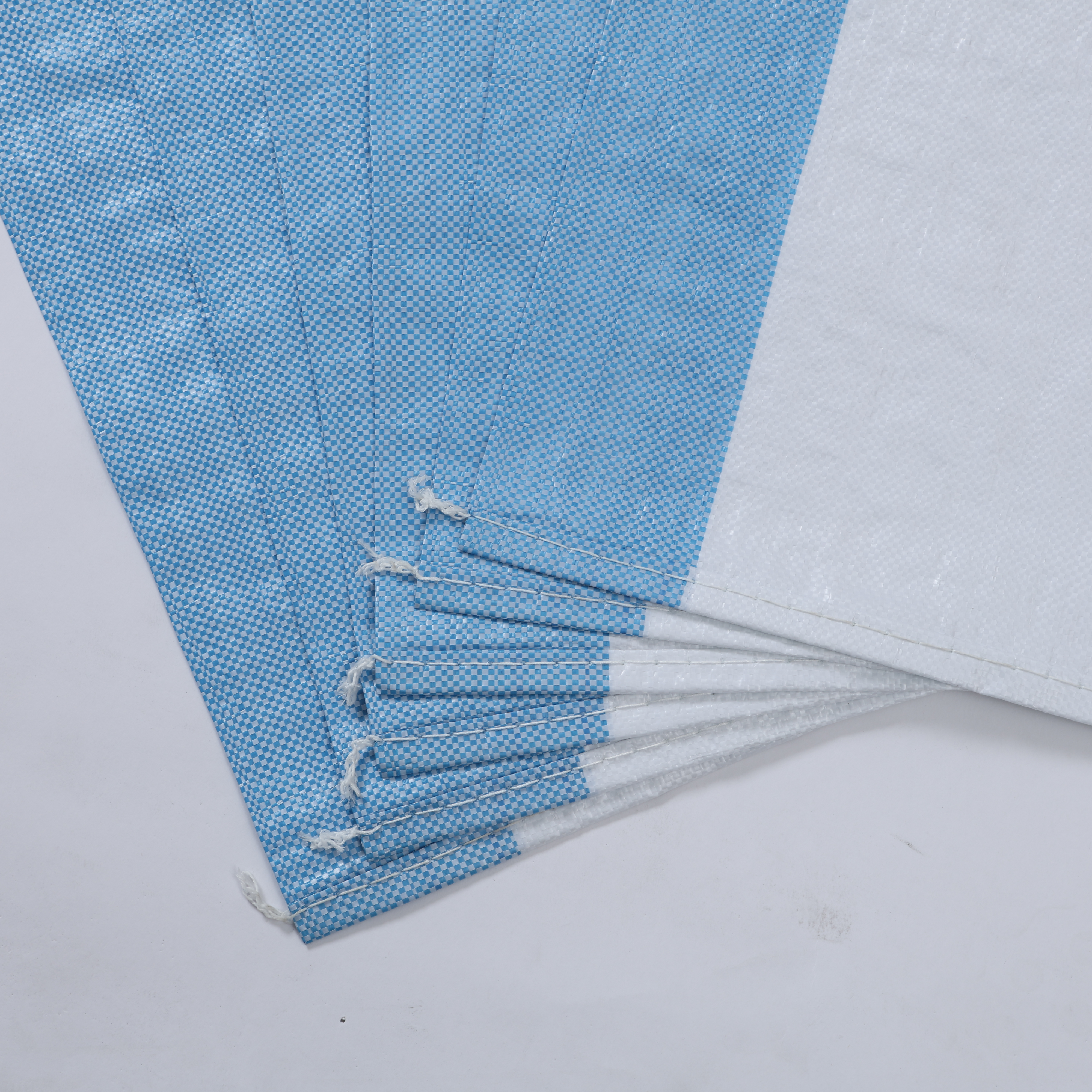
Proper breathability in feed bags represents one of the most critical yet often overlooked aspects of feed packaging design. When manufacturers develop livestock feed bags, the balance between moisture control and material integrity directly impacts the quality and shelf life of the contents. Understanding how fabric composition, weave structure, and material thickness work together to achieve optimal breathability ensures that farmers and feed producers maintain product integrity throughout storage and transport.
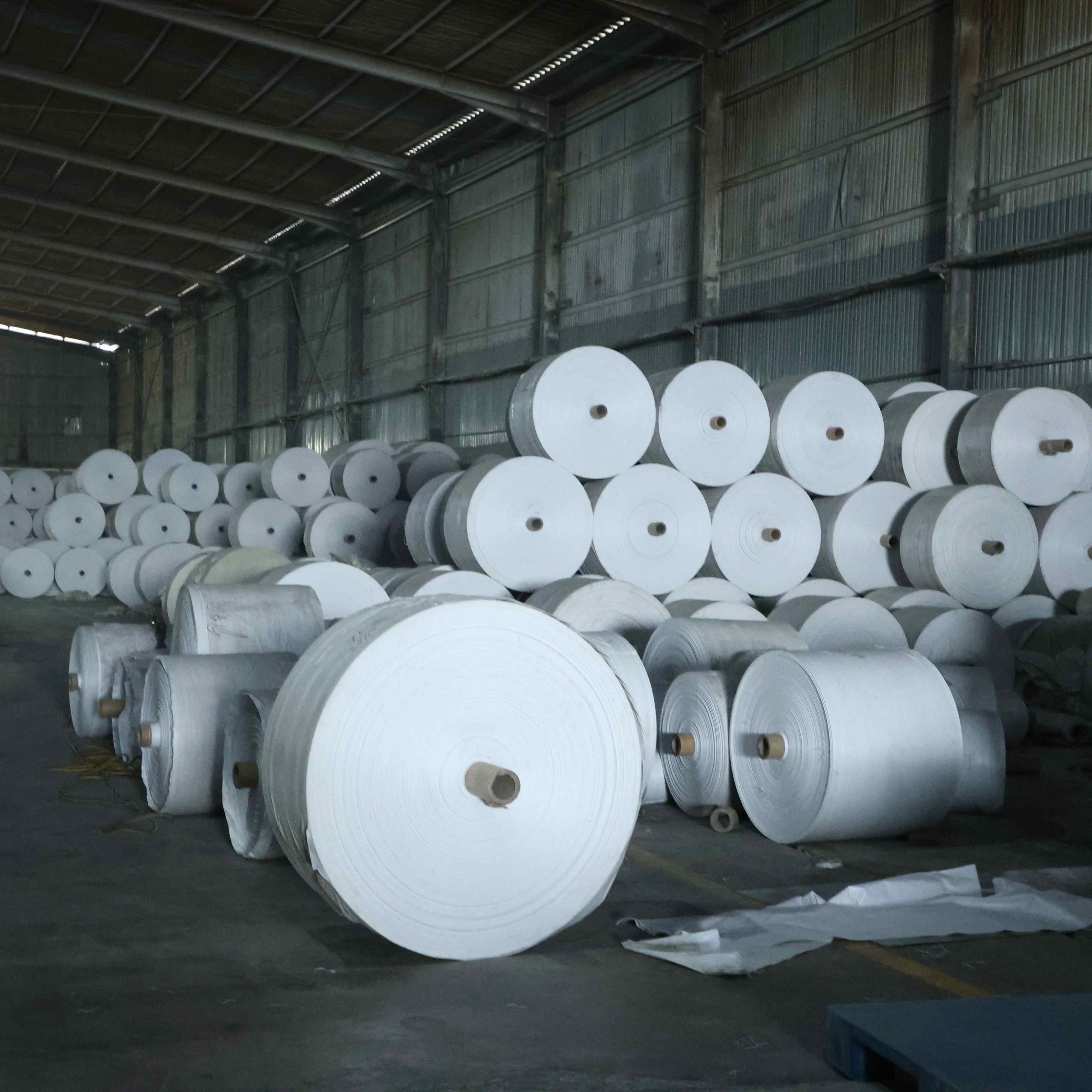
The challenge of creating effective animal feed bag solutions lies in managing competing requirements. Feed packaging bags must prevent excessive moisture absorption that causes mold and nutrient degradation, yet allow sufficient vapor transmission to prevent condensation buildup inside sealed containers. Achieving this balance through pp feed sack design involves selecting the right polypropylene fabric composition, understanding permeability thresholds, and applying design strategies that account for climate conditions and storage duration.
Polypropylene represents the industry standard for livestock feed bag manufacturing due to its inherent moisture resistance and structural durability. The pp feed sack fabric's breathability characteristics depend directly on how polypropylene fibers are extruded, spun, and woven into the final textile structure. Unlike synthetic materials that trap moisture completely, polypropylene allows controlled vapor transmission, making it suitable for animal feed bag applications where some air exchange prevents trapped humidity.
The fiber denier, or thickness of individual polypropylene strands, significantly affects breathability levels. Finer denier fibers create tighter weaves that restrict moisture movement, while coarser deniers allow greater vapor transmission. Feed packaging bag manufacturers must select denier specifications that balance protective qualities with breathability requirements. For stored feed exposed to temperature fluctuations, intermediate denier choices typically provide optimal protection without creating condensation problems inside the feed bags.
The weave pattern determines how tightly polypropylene filaments bind together and how effectively they allow vapor passage. Plain weave patterns offer moderate breathability compared to more complex weave structures. Feed bags using plain-weave polypropylene fabric create consistent pore sizes that enable predictable moisture control, making this the most common choice for commercial livestock feed bag production. Manufacturers can adjust weave tightness by modifying the number of yarn intersections per square inch, directly controlling the breathability of the final animal feed bag product.
Laminated constructions, where multiple fabric layers bond together, further modify breathability characteristics. A single-layer pp feed sack provides high breathability but lower moisture barrier protection. Multi-layer constructions with barrier films reduce breathability while improving moisture protection significantly. The pp feed sack design must match storage conditions—outdoor storage demands greater moisture barriers, while climate-controlled warehouses tolerate higher breathability without risking feed quality degradation.
Geographic location and seasonal storage periods directly influence the breathability balance needed in animal feed bag solutions. Humid tropical climates require lower breathability to prevent moisture infiltration through the feed bags fabric, while arid regions tolerate higher breathability since external humidity remains minimal. Feed packaging bag manufacturers must consider the intended end market when specifying breathability levels. Bags designed for export to multiple climate zones often use intermediate breathability specifications to perform adequately across varying conditions.
Long-term storage introduces additional breathability considerations that affect livestock feed bag performance. Feed stored for six months or longer faces greater risk of moisture accumulation and condensation formation inside sealed bags. Higher breathability in the pp feed sack allows gradual moisture equilibration, preventing sudden condensation events that damage feed quality. Conversely, storage periods under three months may benefit from reduced breathability to minimize external moisture penetration.
Daily and seasonal temperature variations create vapor pressure differences that drive moisture movement through feed bags. When external air cools, its moisture-holding capacity decreases, causing condensation on cooler internal surfaces. A properly designed animal feed bag incorporates breathability that allows vapor to escape during warming cycles before condensation can form. This dynamic moisture management represents a key advantage of breathable fabric over completely sealed barrier materials.
The relationship between breathability and temperature stress becomes critical during transitional seasons. Feed stored outdoors experiences significant temperature swings between day and night, particularly in spring and autumn. Livestock feed bag designs incorporating moderate breathability help regulate internal moisture levels, preventing the condensation cycles that damage nutritional quality. Farmers choosing between feed packaging bag options should consider local climate patterns to select products with appropriate breathability ratings.
Effective pp feed sack breathability requires specification of moisture vapor transmission rate (MVTR), measured in grams of moisture transferred per square meter per day. Industry standards typically specify MVTR ranges between 50 and 300 g/m²/day depending on storage conditions and feed type. Feed bags designed for protein-rich supplements demand lower MVTR values to prevent moisture absorption that accelerates nutrient degradation. Commodity grains tolerate higher MVTR values, allowing manufacturers to reduce material costs while maintaining acceptable quality protection.
Weight per square meter of polypropylene fabric directly correlates with breathability performance. Lighter fabrics weighing 50–80 gsm (grams per square meter) provide higher breathability suitable for short-term storage or arid climates. Animal feed bag applications requiring extended moisture protection typically use 100–150 gsm fabric that reduces vapor transmission while maintaining structural integrity. The pp feed sack thickness selection ultimately determines whether feed packaging bags will effectively prevent moisture problems or allow unacceptable condensation formation.
Breathability balance extends beyond fabric selection to encompass closure systems, seam construction, and bag geometry. The feed bags sealing method significantly impacts effective breathability since most moisture infiltration occurs through closure points rather than fabric walls. Bags sealed with non-breathable adhesive strips sacrifice some ventilation benefits compared to folded paper closures that maintain modest air exchange. Livestock feed bag manufacturers must coordinate breathability specifications with closure design to ensure the overall system meets moisture control requirements.
Proper ventilation during transport and storage also depends on how bags are stacked and positioned. Feed packaging bags stacked tightly with no air circulation experience greater condensation risk despite high fabric breathability. Effective logistics planning that incorporates spacing between bag pallets amplifies the benefits of breathable pp feed sack design. Farmers and distributors storing animal feed bags should understand that breathability performance depends partially on storage configuration, not fabric properties alone.
Outdoor feed storage requires livestock feed bag designs with lower breathability to minimize moisture infiltration during rainy periods. MVTR values between 50–100 g/m²/day work well for outdoor applications, requiring heavier pp feed sack fabric that creates stronger moisture barriers while maintaining minimal vapor transmission for condensation prevention.
Controlled breathability allows moisture to gradually escape during warming periods, preventing the sustained high-humidity conditions that mold requires. Animal feed bag fabric that permits adequate vapor transmission ensures internal humidity remains below mold growth thresholds, protecting feed quality throughout storage while reducing the need for chemical additives.
High-breathability feed packaging bags work for long-term storage only in arid climates where external humidity remains consistently low. In humid environments, extended storage requires lower breathability pp feed sack designs that prevent moisture infiltration, even though this creates greater condensation management challenges during temperature fluctuations.

Discover the 4 critical production metrics—throughput, defect rate, equipment uptime & on-time delivery—to vet factories confidently.

Ensure regulatory compliance & worker safety with proven methods for chemical woven bags—material selection, labeling, storage & training.

Discover the full PP woven bag manufacturing workflow—from extrusion & weaving to printing & QC. Boost efficiency, compliance & ROI. Download the process guide now.

Struggling with weak bags or high material waste? Master extrusion and tape drawing tech for stronger, cheaper PP woven bags. Optimize your production line now.

Struggling with defects or customer returns? Discover the 5 non-negotiable quality checkpoints across your woven bag production line
Which automation tier is right for your PP woven bag factory? Compare manual to Industry 4.0 systems for cost, quality, and scalability.
Get in touch for details on polypropylene woven bags and flexible packaging solutions.
Tel
Address
No.2015, Liaoyuan Building, Lanshan District, Linyi City, Shandong Province.China

