 EN
How to Assess Production Efficiency at a PP Woven Bag Factory
Discover the 4 critical production metrics—throughput, defect rate, equipment uptime & on-time delivery—to vet factories confidently.

2026/09/22
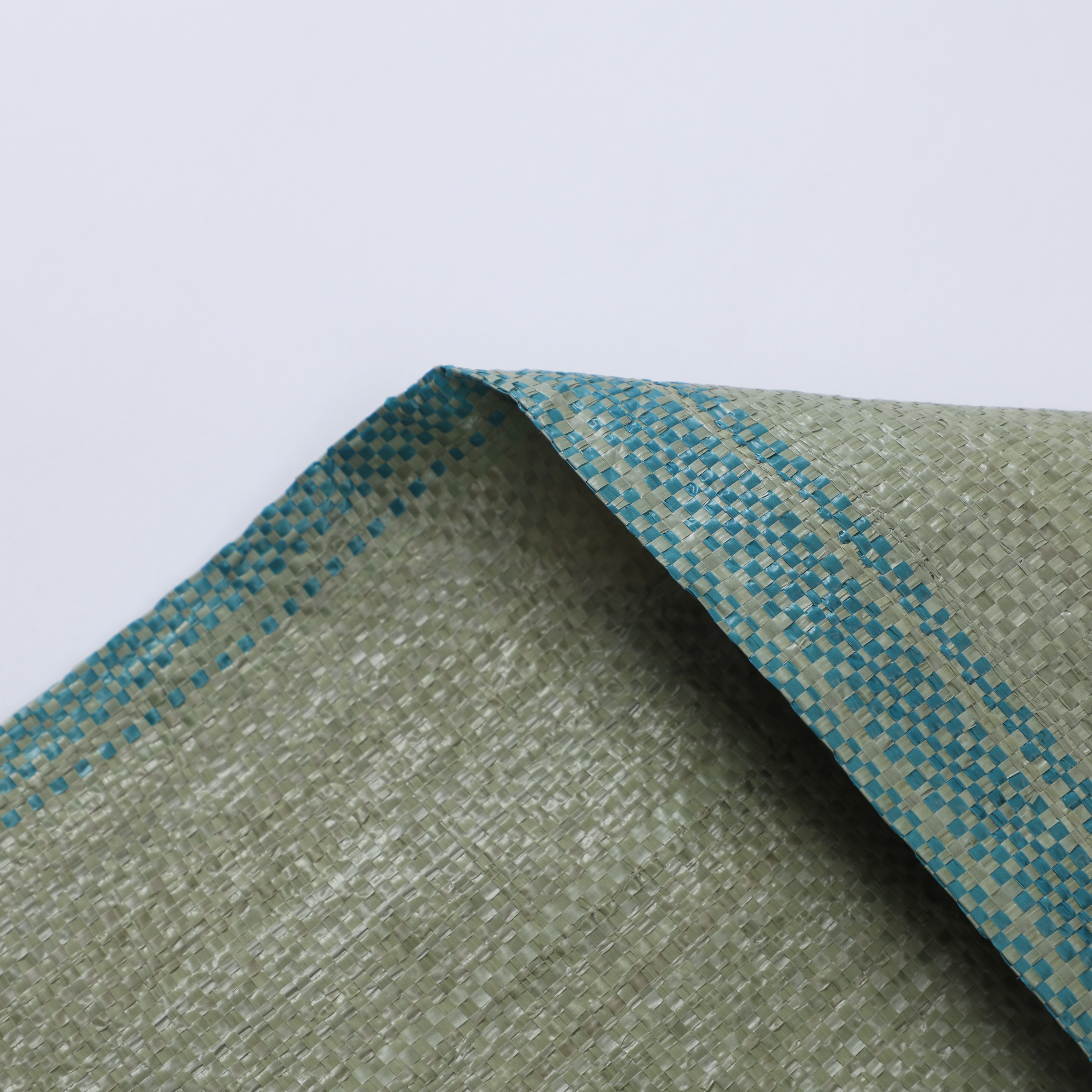
Agricultural bags serve as the frontline defense for protecting stored crops from moisture damage, pest infiltration, and environmental degradation. The design of these containers—particularly their breathability—directly determines whether produce emerges from storage in prime condition or arrives at market compromised. Breathable fabric design in agricultural bags represents a critical balance between allowing controlled air circulation while maintaining structural integrity and barrier protection. Understanding this design principle is essential for farmers, distributors, and storage facility operators who depend on reliable agricultural bags to preserve crop value throughout supply chains.
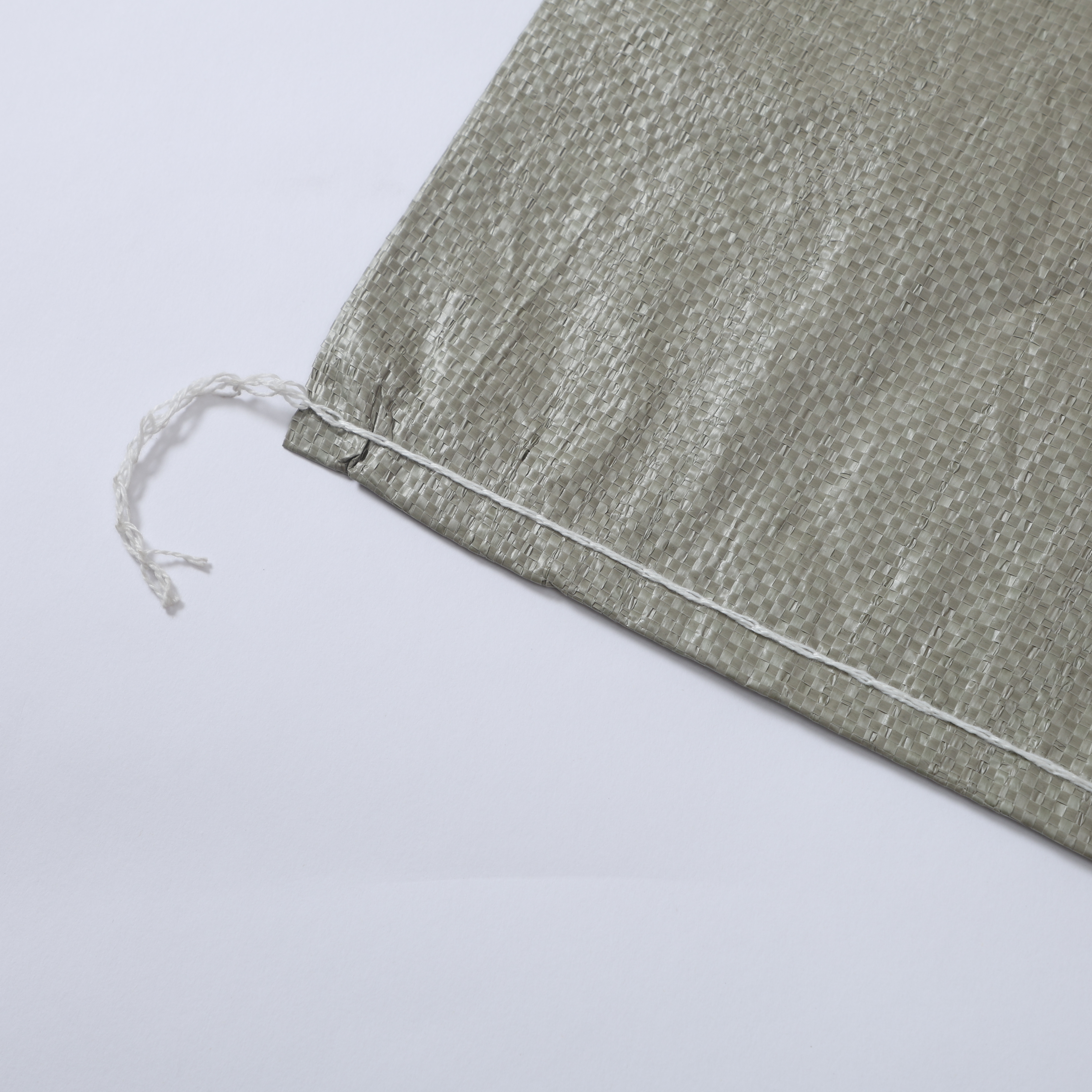
Breathable agricultural packaging has evolved from simple woven cloth to sophisticated engineered solutions that manage moisture vapor transmission while protecting contents from physical damage and external contaminants. Modern agricultural packaging materials, including pp agricultural sack technology, incorporate carefully calculated pore structures that permit targeted ventilation without compromising load-bearing capacity. This advanced approach to farm produce bag construction ensures that stored grain, seeds, and other commodities maintain optimal moisture levels throughout storage periods, whether measured in weeks or months.
Moisture accumulation inside storage containers remains one of the primary threats to agricultural commodity quality. When crops stored in non-breathable agricultural packaging retain excess internal moisture, fungal growth accelerates, mycotoxin development increases, and germination rates decline. Breathable agricultural bags address this challenge by allowing controlled vapor exchange between internal and external environments. The fabric structure permits water vapor molecules to escape while preventing liquid water ingress, creating a stable microclimate within the storage container that resists both excessive drying and harmful moisture accumulation.
The effectiveness of crop storage bag design depends on precise engineering of pore size distribution. Pores must be large enough to allow vapor molecules to pass freely, yet small enough to resist capillary water movement and block dust particles. pp agricultural sack manufacturers achieve this balance through controlled extrusion and weaving processes that create consistent pore geometry across the entire fabric surface. This scientific approach transforms the farm produce bag from a simple container into an active participant in moisture management, working continuously to maintain commodity quality without requiring external equipment or intervention.
Breathable fabric design cannot sacrifice structural strength, as agricultural bags must withstand mechanical stresses including rough handling, stacking loads, and transport vibrations. Modern agricultural packaging solutions achieve breathability without compromising durability by using reinforced polypropylene weave patterns combined with strategic reinforcement at stress points. The pp agricultural sack design incorporates multiple warp and fill threads arranged in high-density patterns that distribute loads across larger surface areas, reducing stress concentration and preventing tear propagation. When combined with proper seaming techniques and corner reinforcement, this approach ensures that crop storage bags maintain integrity throughout their operational lifespan while performing their breathability function.
Agricultural packaging materials must balance permeability with durability, creating a technical requirement that drives specific material selections. Polypropylene woven fabrics represent the dominant solution for farm produce bags because the material combines excellent moisture vapor transmission with superior mechanical properties. The crystalline structure of polypropylene allows vapor molecules to migrate through the polymer matrix while resisting capillary condensation. pp agricultural sack products typically employ 50–70 gram per square meter fabric weights, which provide sufficient material to create pore structures that enable breathability while delivering tear resistance and load-bearing capability needed for practical agricultural storage applications.
The weaving pattern directly influences breathability performance. Agricultural bags manufactured using open-weave patterns create more direct vapor pathways than tight weaves, but excessive openness compromises dust blocking capability. Leading agricultural packaging designs employ balanced weave densities that maintain barrier function against powder migration while permitting vapor transmission rates between 800 and 1200 grams per square meter per 24 hours. This performance window preserves commodity moisture without creating internal condensation conditions that promote fungal development. The choice of yarn twist and fiber denier further refines these characteristics, allowing manufacturers to customize crop storage bag performance for specific commodities and storage duration requirements.
Advanced agricultural packaging designs incorporate ventilation zones—areas of modified fabric composition or specific pore engineering—that enhance air circulation in regions where moisture accumulation typically occurs. Farm produce bags designed for extended storage often feature reinforced ventilation strips along top and side panels, which facilitate vapor exchange while the bag remains sealed. These strategic features work with the base fabric breathability to create multi-layered moisture management. Some crop storage bag designs include specialized corner ventilation that prevents moisture pocket formation where opposing walls meet inside the container. These design refinements reflect deep understanding of how agricultural commodities absorb and release moisture during storage, translating that knowledge into tangible construction features that preserve product quality.
Different agricultural commodities require different breathability profiles within their farm produce bag containers. Grain and seed crops benefit from agricultural bags with moderate breathability that permits gradual moisture equilibration over weeks or months, preventing rapid condensation formation. Vegetables and fruit requiring shorter storage periods demand crop storage bags with higher vapor transmission rates that maintain lower absolute humidity levels inside the container. pp agricultural sack manufacturers address these diverse requirements by offering multiple fabric compositions and weave patterns, each optimized for specific commodity types and storage conditions. This specialization ensures that agricultural packaging solutions deliver measurable quality preservation benefits rather than applying a single standardized approach to fundamentally different storage challenges.
Understanding these commodity-specific requirements transforms agricultural packaging from commodity procurement into strategic quality management. Farmers and distributors who select agricultural bags based on precise breathability characteristics appropriate to their specific commodities achieve superior outcomes compared to those who choose based on cost alone. Modern agricultural packaging design enables this optimization through technical specifications that quantify vapor transmission performance, allowing users to verify that their farm produce bags deliver the moisture management characteristics required for their intended applications.
Well-designed breathable agricultural bags reduce supply chain risks by minimizing quality loss during storage and transport. When crop storage bags effectively manage internal moisture conditions, spoilage rates decrease, commodity value remains stable, and market-ready percentages improve. Distributors who maintain consistent use of appropriate agricultural packaging develop reputation advantages as suppliers of reliable produce, enabling premium pricing and preferred customer relationships. The investment in quality agricultural packaging solutions returns value through reduced loss claims, improved customer retention, and ability to access higher-value markets that demand proven commodity protection. These business benefits compound over time as reduced quality incidents build reputation for reliable agricultural bags and consistent product delivery.
Breathable agricultural packaging prevents fungal growth by maintaining vapor equilibrium inside crop storage bags, preventing condensation accumulation that creates fungal growth conditions. The controlled moisture vapor transmission in farm produce bags allows excess internal moisture to escape while blocking liquid water entry, creating an environment where moisture levels remain below fungal development thresholds. This active moisture management in agricultural bags protects commodity quality without requiring refrigeration or chemical treatment.
The appropriate breathability level depends on commodity type, expected storage duration, ambient humidity conditions, and target end-use markets. High-moisture crops and short storage periods require higher vapor transmission in pp agricultural sack designs, while low-moisture commodities and long-term storage benefit from lower breathability that minimizes moisture loss. Climate conditions also influence requirements, as humid regions demand faster moisture removal from farm produce bags than dry regions. Consulting technical specifications and testing agricultural packaging performance under actual storage conditions ensures selection of appropriate crop storage bags for specific applications.
Yes, properly engineered breathable agricultural bags maintain full structural integrity throughout storage periods when designed using reinforced polypropylene weaves and appropriate fabric weights. Modern agricultural packaging combines breathable fabric technology with reinforced seaming, corner protection, and stress-zone engineering that enables long-term durability without compromising vapor transmission. pp agricultural sack products rated for extended storage are specifically designed and tested to deliver consistent performance, maintaining barrier function and mechanical strength for their entire intended operational lifespan.

Discover the 4 critical production metrics—throughput, defect rate, equipment uptime & on-time delivery—to vet factories confidently.

Ensure regulatory compliance & worker safety with proven methods for chemical woven bags—material selection, labeling, storage & training.

Discover the full PP woven bag manufacturing workflow—from extrusion & weaving to printing & QC. Boost efficiency, compliance & ROI. Download the process guide now.

Struggling with weak bags or high material waste? Master extrusion and tape drawing tech for stronger, cheaper PP woven bags. Optimize your production line now.

Struggling with defects or customer returns? Discover the 5 non-negotiable quality checkpoints across your woven bag production line
Which automation tier is right for your PP woven bag factory? Compare manual to Industry 4.0 systems for cost, quality, and scalability.
Get in touch for details on polypropylene woven bags and flexible packaging solutions.
Tel
Address
No.2015, Liaoyuan Building, Lanshan District, Linyi City, Shandong Province.China

