 EN
How to Assess Production Efficiency at a PP Woven Bag Factory
Discover the 4 critical production metrics—throughput, defect rate, equipment uptime & on-time delivery—to vet factories confidently.

2026/08/24
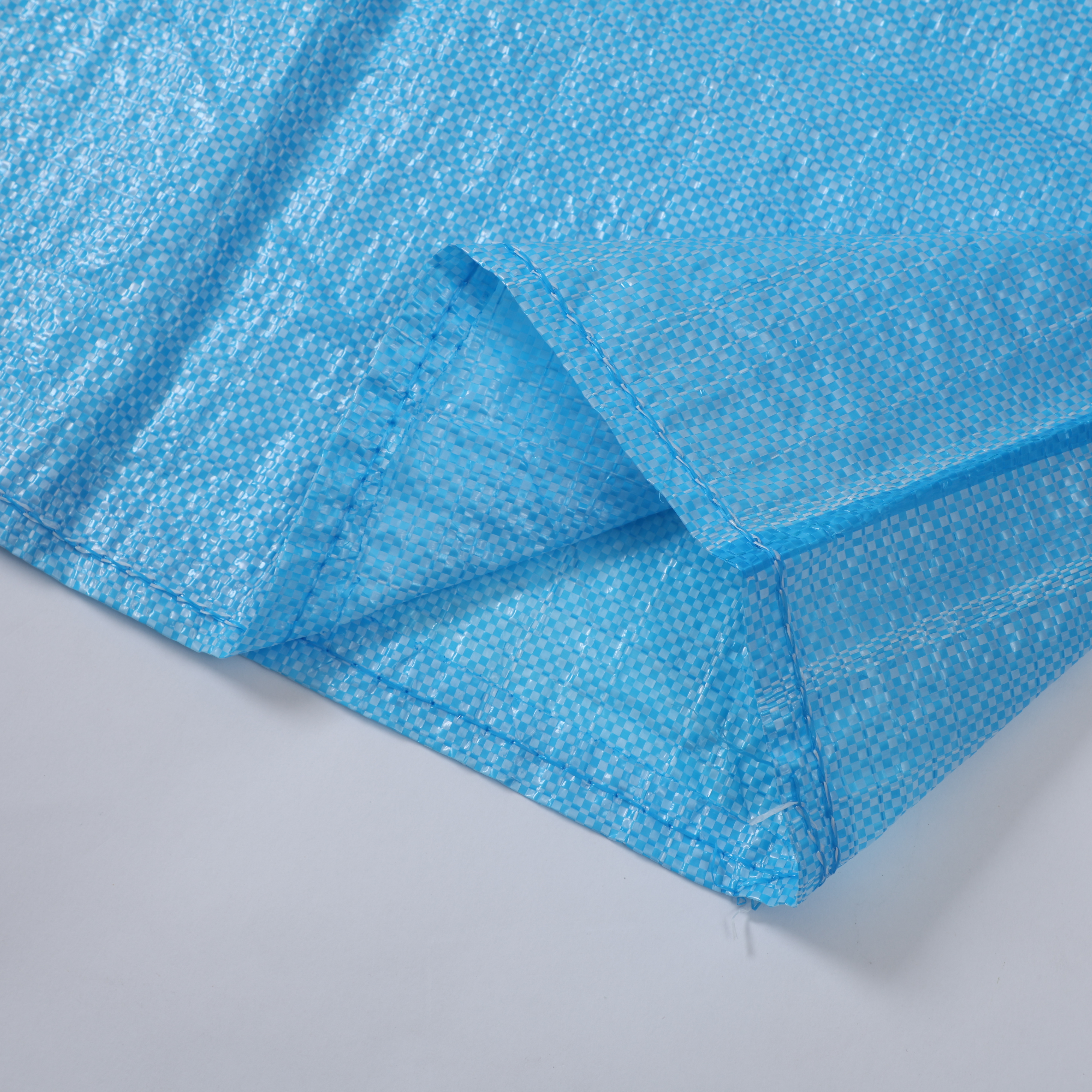
Industrial operations require packaging solutions that withstand harsh chemical exposure without degradation or contamination. Chemical packaging bags represent a critical infrastructure component for manufacturers, distributors, and logistics providers handling corrosive substances, solvents, powders, and reactive materials. The technology behind these bags has evolved significantly, offering unprecedented durability and reliability for operations that cannot tolerate material failure or product loss.
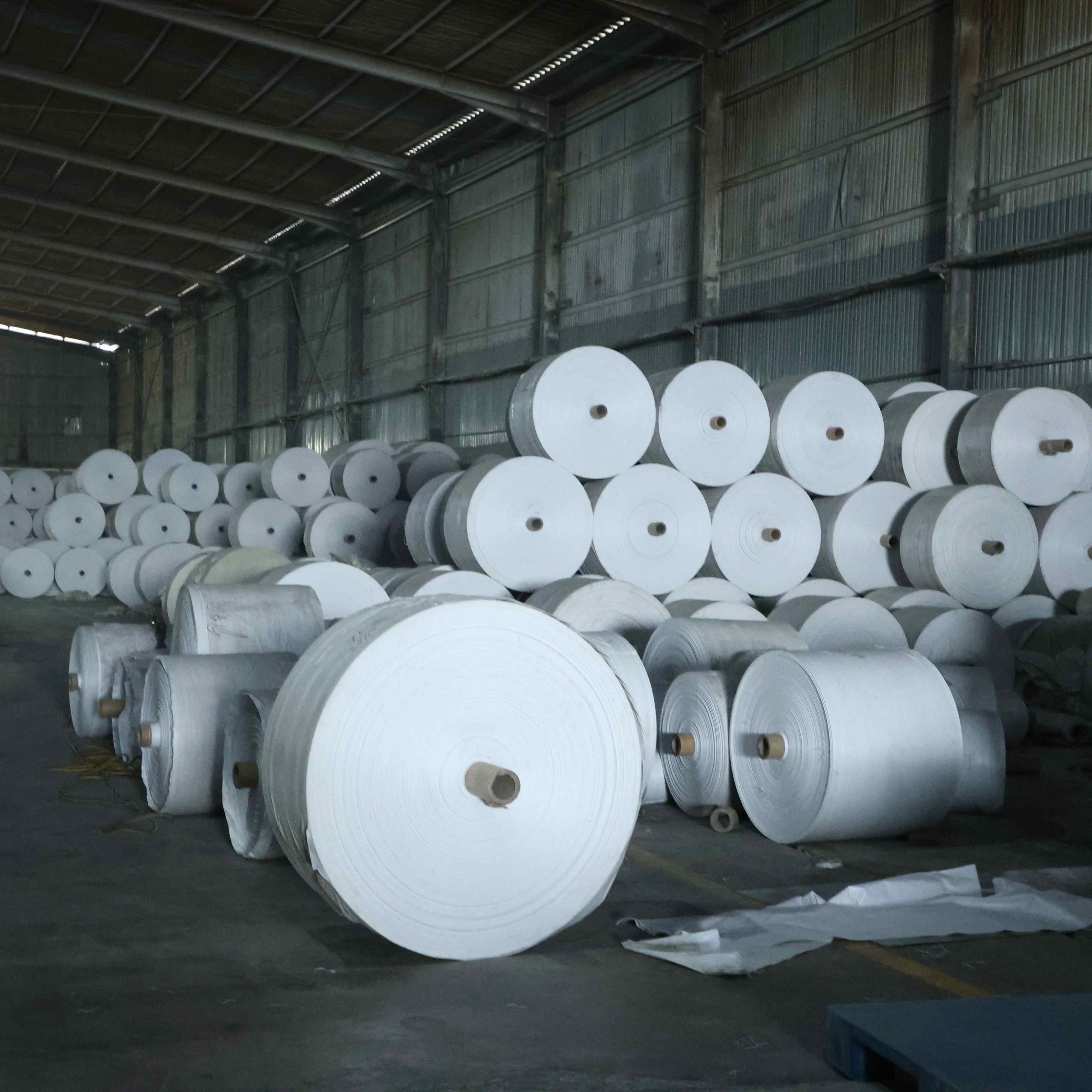
Chemical resistant fabric technology combines engineered polymer structures with advanced manufacturing processes to create barriers that repel, resist, and contain hazardous materials. Understanding how this technology works, what makes certain fabrics superior, and how to select the right solution for your specific application is essential for operational safety, regulatory compliance, and cost efficiency. This guide explores the science, applications, and decision factors behind industrial chemical packaging solutions.
The foundation of any effective chemical woven bag relies on polymer selection and molecular structure. Polypropylene remains the dominant choice for industrial chemical packaging because its molecular chains resist penetration by most aqueous solutions, mild solvents, and alkaline compounds. The crystallinity and density of the polymer matrix directly influence how quickly chemicals can diffuse through the material. High-density polypropylene woven structures create tight lattice formations that slow molecular migration, extending the functional life of the pp chemical sack significantly.
The pp chemical sack manufacturing process involves precisely controlled weaving of polypropylene filaments into uniform patterns. Higher weaving density means more filaments per square inch, which reduces gap size and increases path complexity for chemical molecules. Industrial chemical packaging that incorporates tape-style woven construction provides superior barrier performance compared to standard film laminates. The relationship between weaving density, filament thickness, and chemical penetration resistance defines the performance envelope of powder packaging bag solutions available in the market today.
Not all chemicals pose identical risks to industrial chemical packaging materials. Penetration resistance varies significantly based on chemical polarity, molecular size, temperature, and contact duration. Manufacturers test chemical woven bag candidates against standardized chemical panels that include solvents, oils, acids, bases, and reactive compounds. ASTM D543 immersion testing protocols measure weight gain and tensile property retention to quantify resistance. A high-quality chemical packaging bags solution demonstrates stable performance across multiple chemical categories rather than excelling in a single narrow application.
Industrial environments rarely maintain controlled temperature conditions. Chemical resistant fabric must withstand thermal cycling, exposure to sunlight, and long-term aging without embrittlement or strength loss. The pp chemical sack benefits from stabilizer packages that inhibit oxidation and UV degradation during storage and transportation. Powder packaging bag longevity depends on maintaining tensile properties and tear resistance despite temperature fluctuations. Premium industrial chemical packaging incorporates multi-layer construction with protective inner and outer surfaces that preserve barrier integrity throughout the product lifecycle.
Selecting appropriate chemical woven bag specifications requires detailed understanding of your exact contents and handling environment. Regulatory requirements for hazardous material transport mandate specific packaging performance standards that vary by jurisdiction and substance category. Chemical packaging bags used for pharmaceutical powder or food additive applications must meet FDA compliance levels different from industrial chemical sacks used for processing ingredients. Powder packaging bag selection should account for moisture sensitivity, electrostatic properties, and any surface residue requirements that could compromise product quality or equipment performance.
Initial material cost represents only one component of total packaging expense. Industrial chemical packaging decisions should weigh procurement reliability, lead times, minimum order quantities, and sustainability considerations. A pp chemical sack that maintains integrity throughout supply chain reduces waste, minimizes spillage incidents, and eliminates costly product remediation. Premium chemical resistant fabric often delivers lower total cost of ownership by preventing chemical leakage, reducing insurance claims, and ensuring regulatory compliance without supplementary containment measures. Strategic sourcing of chemical woven bag materials should balance material performance against volume commitments and delivery flexibility for your operational timeline.
Polypropylene offers an optimal combination of chemical resistance, mechanical strength, processability, and cost efficiency that few alternatives match. Its molecular structure resists penetration by most aqueous solutions and common industrial solvents while maintaining tensile properties and tear resistance. The pp chemical sack manufacturing process achieves precise control over density and uniformity, enabling manufacturers to produce powder packaging bag solutions that perform consistently across diverse chemical environments and temperature ranges.
Proper storage directly impacts the long-term performance of chemical woven bag materials. Keep industrial chemical packaging in cool, dry conditions protected from direct sunlight, ozone, and airborne contaminants. Storage temperature should remain stable, ideally between 50 and 80 degrees Fahrenheit, to prevent polymer degradation that compromises pp chemical sack structural integrity. Moisture exposure accelerates oxidation in certain additive packages, so maintain relative humidity below 65 percent for optimal powder packaging bag longevity and reliability.
Recyclability of chemical packaging bags depends on the specific contents, contamination levels, and available recovery infrastructure. Polypropylene is inherently recyclable, but pp chemical sack materials contaminated with hazardous substances require specialized decontamination before entry into standard recycling streams. Industrial chemical packaging and powder packaging bag manufacturers increasingly design systems compatible with circular economy principles, incorporating post-consumer recycled content where appropriate and designing products for end-of-life recovery. Consult with material recovery facilities and regulatory agencies to determine appropriate disposition pathways for your specific chemical woven bag waste streams.

Discover the 4 critical production metrics—throughput, defect rate, equipment uptime & on-time delivery—to vet factories confidently.

Ensure regulatory compliance & worker safety with proven methods for chemical woven bags—material selection, labeling, storage & training.

Discover the full PP woven bag manufacturing workflow—from extrusion & weaving to printing & QC. Boost efficiency, compliance & ROI. Download the process guide now.

Struggling with weak bags or high material waste? Master extrusion and tape drawing tech for stronger, cheaper PP woven bags. Optimize your production line now.

Struggling with defects or customer returns? Discover the 5 non-negotiable quality checkpoints across your woven bag production line
Which automation tier is right for your PP woven bag factory? Compare manual to Industry 4.0 systems for cost, quality, and scalability.
Get in touch for details on polypropylene woven bags and flexible packaging solutions.
Tel
Address
No.2015, Liaoyuan Building, Lanshan District, Linyi City, Shandong Province.China

