 EN
How to Assess Production Efficiency at a PP Woven Bag Factory
Discover the 4 critical production metrics—throughput, defect rate, equipment uptime & on-time delivery—to vet factories confidently.

2026/08/26
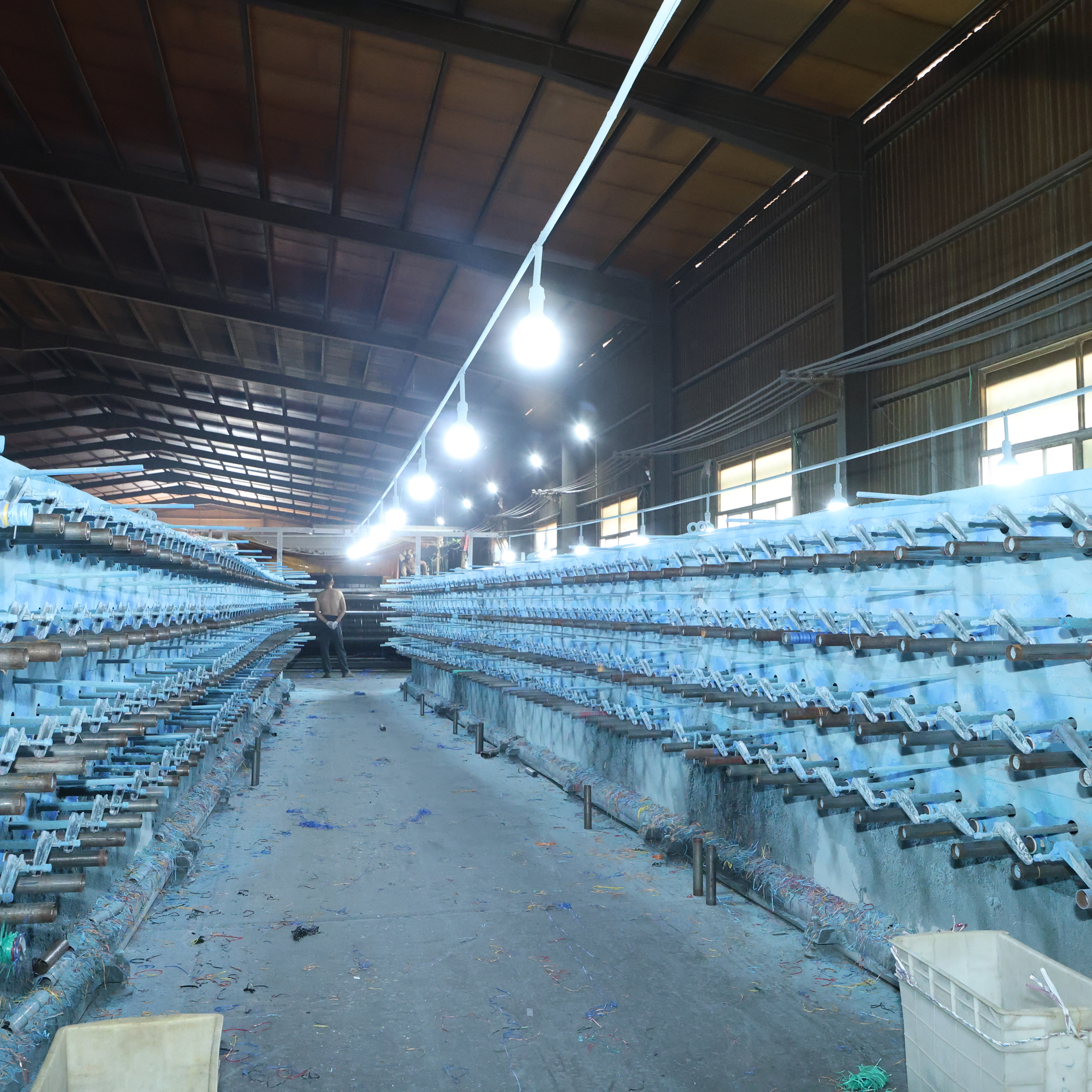
Circular weaving machines represent a cornerstone technology in modern PP woven bag factory operations, enabling manufacturers to produce high-volume output with exceptional consistency and durability. These specialized machines transform raw polypropylene fibers into interlocked fabric structures that form the foundation of industrial bags, agricultural containers, chemical packaging, and countless other applications across global supply chains. Understanding the full scope of circular weaving machine capabilities is essential for any operations manager, procurement professional, or facility director involved in woven bag production line decisions.
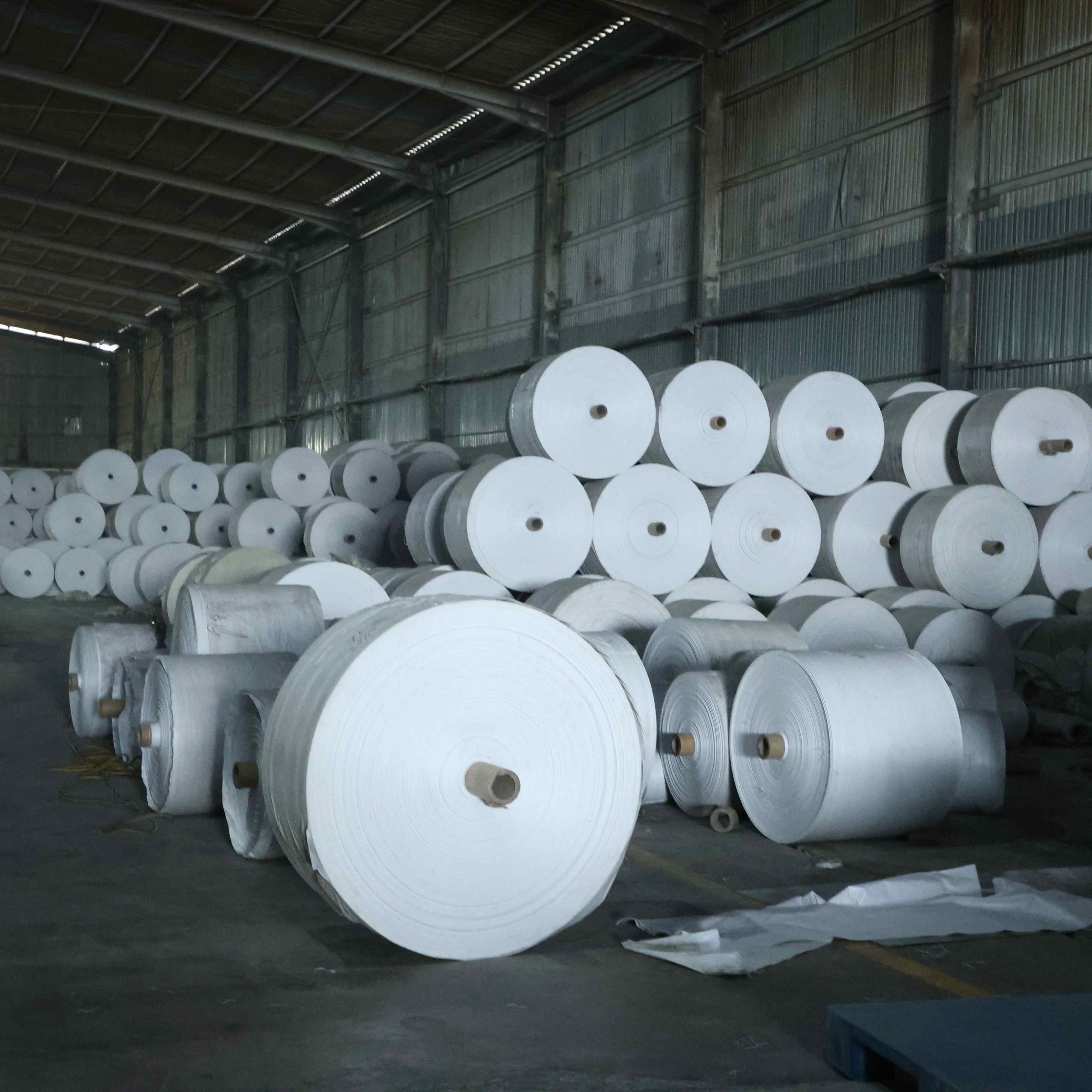
The shift toward circular weaving technology has fundamentally changed how bulk bag manufacturing operates at scale. Where traditional weaving methods required multiple passes and manual intervention, circular weaving machines deliver continuous production cycles that maximize throughput while maintaining precise fabric specifications. A modern custom woven bag factory leverages these capabilities to serve diverse customer requirements, from standard specifications to highly customized designs, all while keeping production costs competitive and delivery timelines predictable.
Circular weaving machines operate through a radial loom design where thousands of small hooks or needles rotate around a central spindle, interlocking warp and weft threads in a synchronized circular pattern. This design creates tubular fabric that flows continuously from the machine onto collection rollers, eliminating the stop-and-start cycles of traditional flat looms.
The precision of circular weaving machines allows pp bag manufacturing to achieve consistent fabric weight, tensile strength, and dimensional stability across entire production runs. Operators can adjust weaving density, fiber tension, and rotation speed in real-time, ensuring that every meter of fabric meets specification. This level of control transforms how a custom woven bag factory approaches customer orders, as even small production runs maintain the same quality standards as bulk orders, eliminating the traditional cost penalty for lower volumes.
The number of threads per inch in woven fabric directly impacts the bag's burst strength, tear resistance, and handling durability during storage and transport. Circular weaving machines allow operators to control thread density through precise loom geometry and rotation speeds, creating fabric that ranges from lightweight applications to heavy-duty industrial specifications. A bulk bag manufacturing operation can produce multiple density grades within the same machine without major reconfiguration, switching between grades as customer orders flow through the system. This flexibility ensures that a PP woven bag factory can respond to market demand without maintaining separate dedicated equipment for each product type.
Modern circular weaving machines typically achieve production speeds between 150 and 400 meters per minute, depending on fabric width and thread density specifications. At these speeds, a woven bag production line can produce thousands of square meters of finished fabric daily, translating to tens of thousands of completed bags after cutting and forming. The continuous-output model eliminates changeover time, as the machine transitions smoothly from one production run to the next without requiring the extended setup periods that flat weaving machines demand.
Energy consumption in circular weaving represents a critical cost factor that modern machines address through improved motor design and precision control systems. Compared to older linear loom technology, contemporary machines achieve higher throughput while consuming less energy per unit of finished fabric.
Circular weaving machines minimize fabric defects through automated tension monitoring and real-time loom adjustment systems that detect and correct problems before they propagate through the entire production run. These safety systems prevent common defects like dropped threads, uneven density, and dimensional drift that would otherwise generate scrap material and require manual intervention. When pp bag manufacturing operates with defect rates below 2 percent, waste disposal costs decrease and raw material efficiency improves dramatically compared to facilities relying on older technology or manual quality oversight. This consistency translates into higher customer satisfaction and fewer field complaints, strengthening the reputation of any PP woven bag factory in competitive markets.
Advanced circular weaving machines support multi-layer fabric construction, allowing a woven bag production line to produce composite materials that combine different fiber types, colors, or thread weights within a single integrated fabric. Laminated construction—where plastic film bonds to woven backing—creates moisture barriers and improved surface aesthetics that command premium pricing in specialty markets. A custom woven bag factory can leverage these capabilities to serve food-grade packaging, chemical containment, and moisture-sensitive applications that standard single-layer bags cannot address. This product expansion opens new customer segments and revenue streams without requiring investment in entirely new production equipment.
Color integration during the weaving process allows bulk bag manufacturing to produce bags with custom color combinations, striping patterns, and logo integration without post-production printing steps. This approach reduces secondary processing time and cost while improving color permanence compared to surface printing methods. Customers benefit from faster delivery times and superior product aesthetics, giving the PP woven bag factory competitive advantages in style-conscious markets where appearance matters as much as function.
Modern circular weaving machines can adjust width, density, and layer configuration through software controls, meaning a single machine can transition between fundamentally different product types without mechanical modifications. A pp bag manufacturing operation can serve customers with vastly different specifications—from lightweight agricultural bags to heavy-duty industrial containers—using the same core equipment. This flexibility is particularly valuable for job-shop custom woven bag factory models where each order may represent unique customer requirements. The machine's adaptability translates into lower capital costs and greater return on investment compared to traditional systems requiring dedicated machines for each product category.
Woven bags produced through circular weaving consistently achieve burst strength ratings between 40 and 80 kPa, depending on thread density and fiber quality, far exceeding requirements for agricultural, chemical, and construction applications. Tear resistance follows predictable patterns based on weave geometry, allowing engineers to specify bag performance with confidence and consistency. When a woven bag production line maintains controlled parameters, customers receive products that reliably meet published specifications, building trust and enabling customers to reduce their own quality-assurance overhead. This reliability is the foundation upon which successful PP woven bag factory relationships are built, particularly in regulated industries where performance documentation is contractually required.
Load-bearing capacity directly correlates to the fabric's fundamental strength properties, meaning that bulk bag manufacturing operations can offer graduated product tiers—economy, standard, and premium grades—each meeting different customer budgets and application requirements. A custom woven bag factory that clearly communicates the performance trade-offs between grades helps customers make informed decisions, reducing returns and strengthening long-term partnerships.
UV stabilization additives and fiber composition choices influence how long woven bags remain functional when stored outdoors or exposed to direct sunlight. Circular weaving machines can produce fabric using stabilized polypropylene fibers that resist degradation over 18-24 months of outdoor exposure, or standard fibers designed for shorter-term protected storage. pp bag manufacturing operations that offer this product range serve both cost-conscious customers with temporary storage needs and long-term users requiring durable outdoor-rated packaging.
Circular weaving machines produce tubular fabric in continuous cycles without the stop-and-start operations of flat looms, reducing setup time and increasing daily throughput by 40-60 percent. The radial design naturally maintains consistent thread tension throughout the production run, generating more uniform fabric quality and fewer defects. Additionally, circular machines require significantly less floor space relative to their production capacity, making them ideal for woven bag production line optimization in facilities where real estate is costly.
Thread density selection depends on the intended load, storage conditions, and duration of use. Agricultural applications typically require moderate density (around 32-40 threads per inch) for lightweight crop storage, while chemical or construction applications demand higher densities (50+ threads per inch) for superior burst and tear resistance. Experienced pp bag manufacturing teams consult customer specifications and application requirements, then recommend density levels that balance performance, cost, and delivery timelines. Custom woven bag factory staff should educate customers about these trade-offs, enabling informed purchasing decisions.
Yes, advanced circular weaving machines support multi-layer construction and integrated color threading, allowing bulk bag manufacturing to produce laminated, striped, and custom-color fabrics without post-production processing. Some machines can incorporate film adhesive or plastic backing directly during weaving, creating composite materials that address moisture-sensitive applications. This capability allows a custom woven bag factory to serve premium market segments without investing in separate lamination or printing equipment, improving both production efficiency and product quality.

Discover the 4 critical production metrics—throughput, defect rate, equipment uptime & on-time delivery—to vet factories confidently.

Ensure regulatory compliance & worker safety with proven methods for chemical woven bags—material selection, labeling, storage & training.

Discover the full PP woven bag manufacturing workflow—from extrusion & weaving to printing & QC. Boost efficiency, compliance & ROI. Download the process guide now.

Struggling with weak bags or high material waste? Master extrusion and tape drawing tech for stronger, cheaper PP woven bags. Optimize your production line now.

Struggling with defects or customer returns? Discover the 5 non-negotiable quality checkpoints across your woven bag production line
Which automation tier is right for your PP woven bag factory? Compare manual to Industry 4.0 systems for cost, quality, and scalability.
Get in touch for details on polypropylene woven bags and flexible packaging solutions.
Tel
Address
No.2015, Liaoyuan Building, Lanshan District, Linyi City, Shandong Province.China

