 EN
How to Assess Production Efficiency at a PP Woven Bag Factory
Discover the 4 critical production metrics—throughput, defect rate, equipment uptime & on-time delivery—to vet factories confidently.

2026/08/28
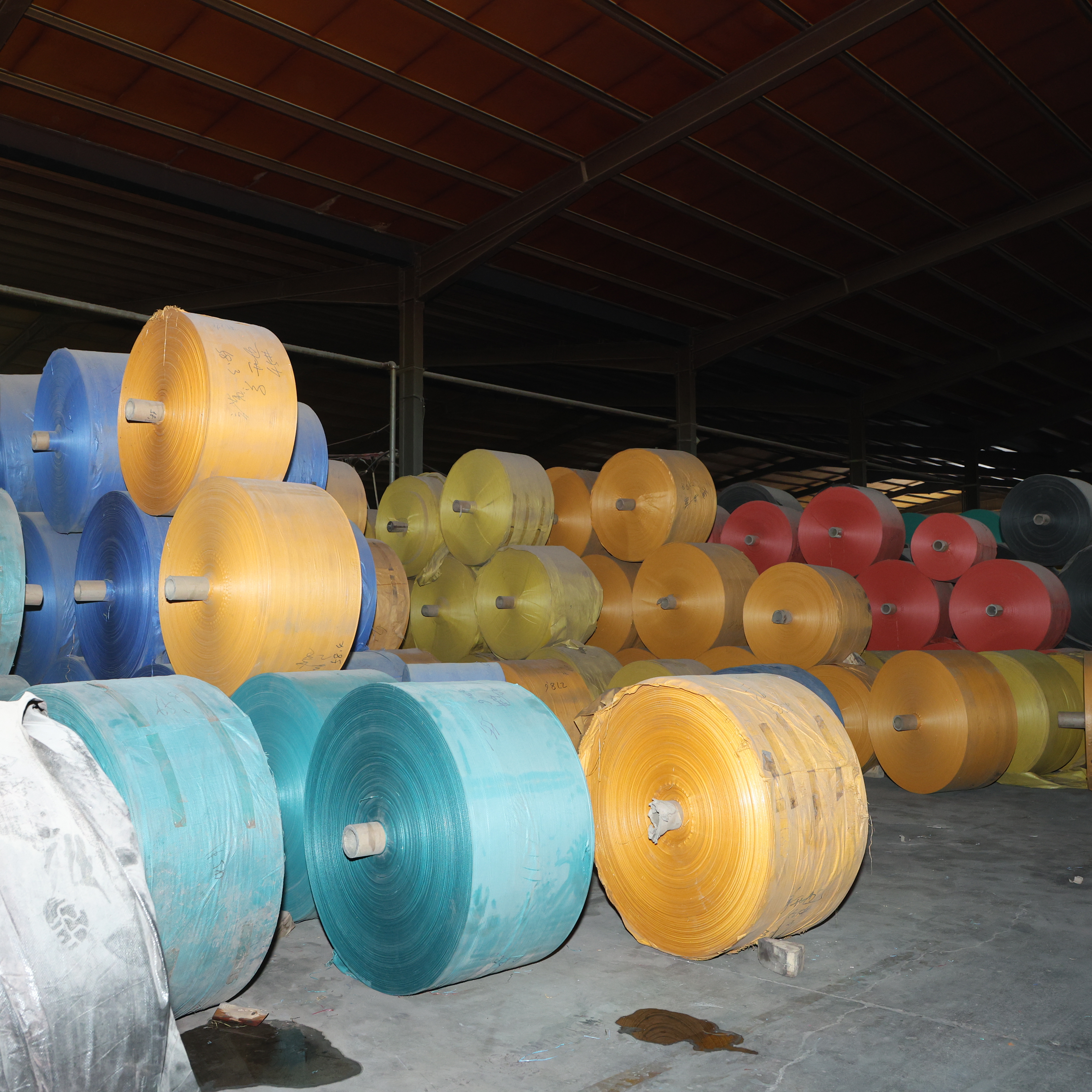
Understanding the compatibility between PE liners and PP woven fabric is essential for manufacturers and packaging professionals seeking durable, moisture-resistant solutions. PE lined woven bags combine polyethylene protection with polypropylene strength, creating a composite structure that addresses critical packaging challenges. The integration of these two materials requires careful consideration of adhesion, thermal processing, and end-use performance. This article explores how PE lined bags function, their compatibility factors, and why they have become a standard choice across industrial packaging applications.
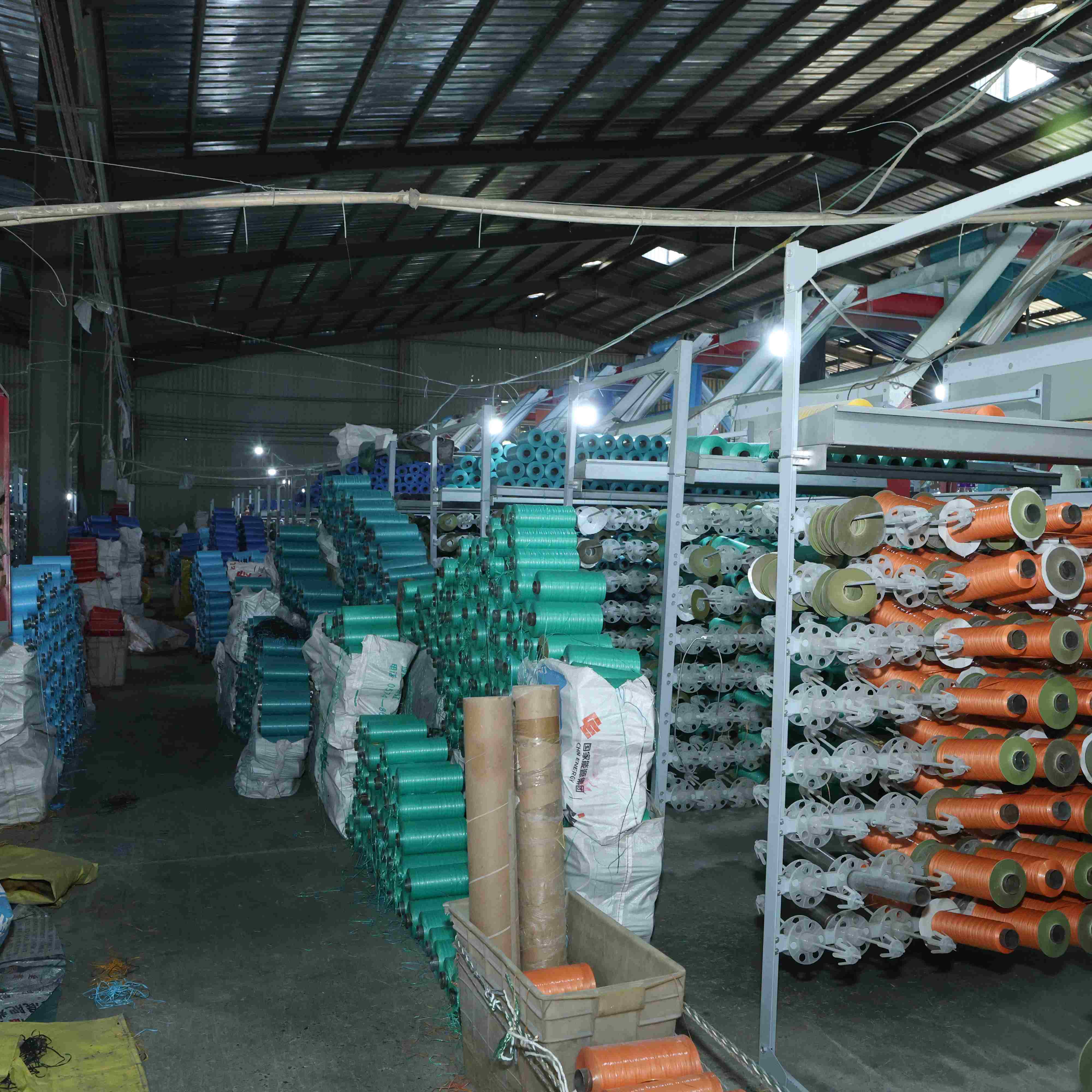
The chemistry behind PE Lined woven bags demonstrates why this pairing has become industry standard. Polyethylene liners bond effectively to PP woven substrates through both mechanical and chemical interactions, creating a stable, long-lasting composite material. Understanding these compatibility mechanisms helps packaging buyers make informed decisions about material specifications, application suitability, and cost-benefit analysis.
Polyethylene and polypropylene share similar chemical structures, both being hydrocarbon polymers derived from petroleum feedstocks. This structural similarity creates a strong foundation for PE liner bag compatibility with PP woven fabric. When processed together during manufacturing, the materials achieve excellent molecular adhesion, reducing delamination risk and extending product lifespan. The PE liner bag construction relies on this natural affinity to maintain integrity across temperature fluctuations and mechanical stress commonly encountered in warehousing and transport environments.
Beyond chemical compatibility, the PE liner bag achieves physical bonding through thermal lamination processes. Heat application allows polyethylene to conform intimately to PP woven fiber surfaces, creating a mechanical lock that resists separation. The resulting pp pe composite bag structure demonstrates enhanced durability compared to single-layer alternatives. Manufacturing precision directly influences final product performance, with proper temperature control and pressure application ensuring uniform adhesion across the entire bag surface, particularly critical for maintaining moisture barrier bag integrity throughout product distribution.
Moisture barrier bag functionality depends heavily on the PE liner component, which blocks water vapor transmission more effectively than PP fabric alone. The polyethylene layer creates a continuous barrier between external humidity and bag contents, protecting sensitive materials from degradation. A PE lined woven bag reduces moisture ingress by up to ninety-five percent compared to unlined alternatives, making it ideal for agricultural products, chemicals, and food ingredients requiring extended shelf stability. This protection mechanism ensures that products maintain specified moisture content ranges throughout their supply chain journey, reducing waste and maintaining quality standards.
In humid climates and coastal regions, moisture barrier bag performance becomes mission-critical for preventing product deterioration. The PE liner bag construction addresses this challenge by providing a complete seal that prevents humidity penetration while allowing minimal gas exchange. PP pe composite bag designs can include additional features like breathable layers that permit controlled air passage while maintaining moisture exclusion, accommodating products that require oxygen management alongside water protection. This versatility demonstrates why PE lined woven bags have become preferred packaging solutions across diverse industries facing environmental moisture challenges.
PE lined woven bags serve critical functions across multiple sectors, from agricultural commodities to industrial chemical storage. The PE liner bag construction proves particularly valuable for fertilizers, animal feed, and grain products where moisture penetration directly impacts product effectiveness and economic value. Food processing industries rely on moisture barrier bag specifications to maintain ingredient stability and extend product shelf life, reducing spoilage-related losses. Chemical manufacturers utilize pp pe composite bag designs for storing hygroscopic materials that readily absorb atmospheric moisture, preventing clumping and maintaining product flowability during subsequent processing operations.
Temperature exposure and UV light present potential challenges to PE lined woven bag performance over extended storage periods. The polyethylene component demonstrates excellent cold resistance, remaining flexible even at subzero temperatures where traditional materials become brittle. UV stabilizers incorporated into modern PE liner bag formulations extend outdoor storage viability, though prolonged direct sunlight exposure still requires protective covering or warehouse storage for maximum longevity. The pp pe composite bag structure maintains mechanical properties across typical industrial temperature ranges, ensuring consistent performance during both winter storage conditions and warm climate distribution scenarios.
Effective PE lined woven bags balance liner thickness against bag flexibility and manufacturing efficiency. Standard PE liner bag designs typically employ ten to thirty micron polyethylene layers bonded to PP woven substrates, with thickness selection based on specific barrier requirements and product characteristics. Heavier applications demand thicker PE components, while lightweight products benefit from thinner formulations that reduce material costs without compromising moisture barrier bag functionality. The pp pe composite bag specification must account for expected product weight, distribution distance, and storage duration when determining optimal PE thickness and fabric denier combination.
Manufacturers employ standardized testing protocols to verify PE lined woven bag compatibility and performance specifications. Water vapor transmission rate testing quantifies moisture barrier bag effectiveness under controlled laboratory conditions, ensuring products meet customer requirements before shipment. Tensile strength and tear resistance measurements confirm that the PE liner bag bonding maintains structural integrity through rigorous handling scenarios. These comprehensive testing procedures validate that pp pe composite bag designs will perform reliably throughout their operational lifespan, providing packaging buyers with confidence in material specifications and end-use suitability.
The polyethylene layer in a PE lined woven bag creates a continuous moisture barrier that reduces water vapor transmission dramatically. While standard PP woven fabric allows moderate humidity penetration, the moisture barrier bag enhancement provided by polyethylene can block over ninety-five percent of water vapor transmission. This difference proves critical for products sensitive to moisture degradation, extending shelf life and maintaining product quality throughout distribution and storage cycles.
PE liner bag bonding relies on thermal lamination, where controlled heat and pressure force the polyethylene layer into intimate contact with PP woven surfaces. The pp pe composite bag manufacturing process requires precise temperature management to avoid material degradation while achieving complete surface contact. Adhesive interlayers can enhance bonding strength further, though many producers achieve sufficient adhesion through thermal processing alone, relying on the natural compatibility of these hydrocarbon-based polymers.
PE lined woven bags can be stored outdoors if protective measures are implemented to minimize UV exposure and excessive temperature fluctuation. While the polyethylene component exhibits excellent environmental resistance, UV stabilizers must be incorporated into the PE liner bag formulation to prevent degradation under direct sunlight. For extended outdoor storage, additional protective covering or warehouse storage is recommended to maximize the moisture barrier bag performance lifespan and ensure the pp pe composite bag maintains its protective integrity throughout the intended use period.

Discover the 4 critical production metrics—throughput, defect rate, equipment uptime & on-time delivery—to vet factories confidently.

Ensure regulatory compliance & worker safety with proven methods for chemical woven bags—material selection, labeling, storage & training.

Discover the full PP woven bag manufacturing workflow—from extrusion & weaving to printing & QC. Boost efficiency, compliance & ROI. Download the process guide now.

Struggling with weak bags or high material waste? Master extrusion and tape drawing tech for stronger, cheaper PP woven bags. Optimize your production line now.

Struggling with defects or customer returns? Discover the 5 non-negotiable quality checkpoints across your woven bag production line
Which automation tier is right for your PP woven bag factory? Compare manual to Industry 4.0 systems for cost, quality, and scalability.
Get in touch for details on polypropylene woven bags and flexible packaging solutions.
Tel
Address
No.2015, Liaoyuan Building, Lanshan District, Linyi City, Shandong Province.China

