 EN
How to Assess Production Efficiency at a PP Woven Bag Factory
Discover the 4 critical production metrics—throughput, defect rate, equipment uptime & on-time delivery—to vet factories confidently.

2026/08/06
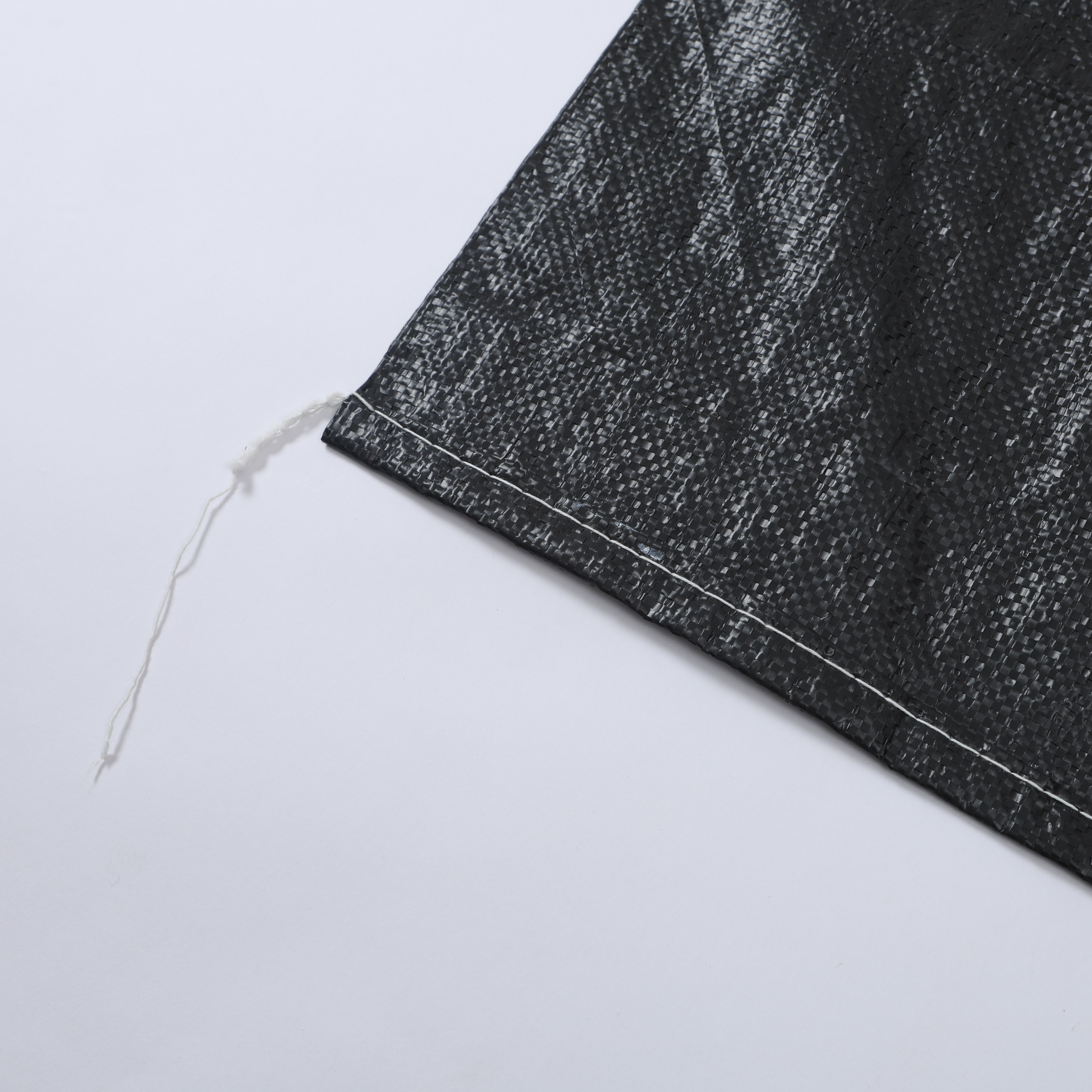
Choosing between new and used woven bags represents one of the most critical procurement decisions for packaging operations across industries. The cost trade-offs extend far beyond simple unit pricing, encompassing factors like durability, regulatory compliance, supply chain reliability, and long-term operational efficiency. Understanding these dimensions enables businesses to make informed purchasing decisions that align with both budget constraints and performance requirements. A secondhand pp bag may appear attractive initially, but hidden costs often emerge during actual deployment.
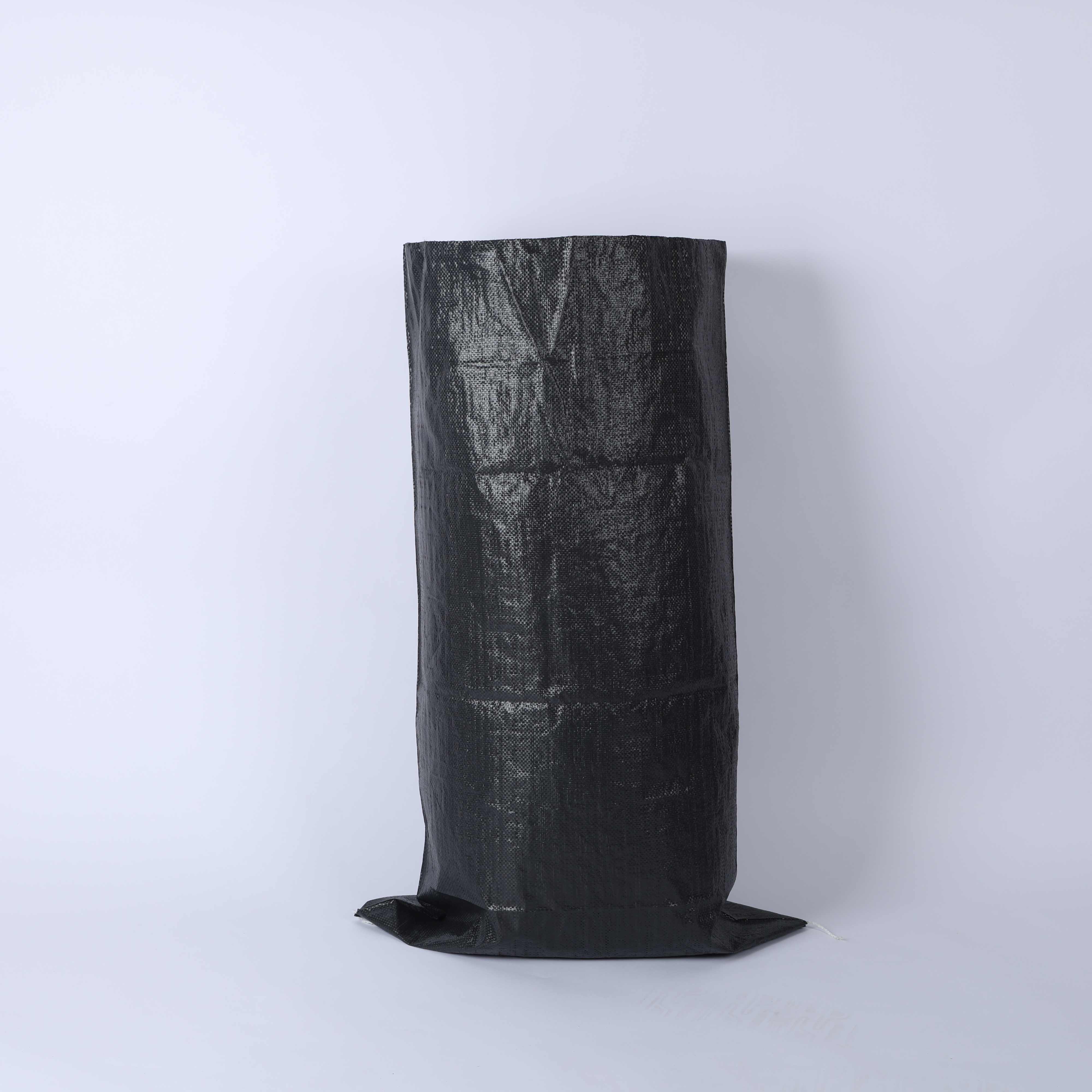
The packaging industry increasingly recognizes that total cost of ownership differs significantly from acquisition price alone. Whether you evaluate recycled woven bags for sustainability goals or reused packaging bags for cost reduction, the analysis must encompass quality consistency, regulatory certifications, and end-customer expectations. This comprehensive guide examines the financial and operational implications of each option, helping procurement professionals navigate these complex trade-offs effectively.
A used bag typically commands 40 to 60 percent lower pricing than newly manufactured equivalents. Suppliers of secondhand pp bags have reduced their overhead by bypassing production processes, quality control expenses, and raw material costs. For price-sensitive operations, particularly those in developing markets or budget-constrained sectors, this differential proves attractive. However, the temptation to pursue immediate savings often obscures the underlying value proposition. Recycled woven bags sourced through secondary markets rarely include warranties, performance guarantees, or standard quality assurances common with new inventory.
Reused packaging bags frequently experience hidden expenses during operational deployment. Inspection and sorting require additional labor hours before bags enter production workflows. Contamination risks increase substantially when used pp sacks lack documented cleaning protocols or prior usage history. Damage discovered post-purchase, such as micro-tears, seal failures, or ink degradation, necessitates rapid replacement orders and supply chain disruptions. Many facilities report that secondhand pp bag procurement creates unexpected rework cycles, extending timelines and increasing per-unit costs when accounting for labor, logistics, and expedited reorders. These shadow costs frequently negate the initial purchase price advantage within six to twelve months of operation.
New woven bags maintain predictable material specifications, tear resistance, and seal integrity throughout their service life. Recycled woven bag suppliers cannot guarantee consistent polymer composition, particularly when bags have cycled through multiple supply chains or storage environments. Environmental exposure degrades polypropylene performance; bags stored outdoors or in uncontrolled warehouse spaces experience reduced tensile strength, increased brittleness, and compromised sealing surfaces. For industries handling sensitive products—pharmaceuticals, food ingredients, or specialized chemicals—used pp sack reliability becomes an unacceptable risk. New bags provide documented compliance with industry standards, while reused packaging bags rely on spot-checks that often reveal inconsistencies after problems emerge in production.
Secondhand pp bag procurement introduces regulatory complexity that most procurement teams underestimate. Food-grade certifications, FDA compliance documentation, and traceability records become fragmented when sourcing from secondary markets. Companies handling regulated commodities face substantial liability if contamination traces to packaging with unknown history. A used bag's previous contents may violate current regulatory frameworks or customer specifications. Reused packaging bags typically lack the certification documentation required for international shipments, particularly to markets with stringent import requirements. Investment in new woven bags automatically includes compliance certifications, material safety documentation, and regulatory alignment—eliminating downstream audit failures, shipment holds, and customer disputes.
Recycled woven bag availability fluctuates unpredictably, creating supply chain vulnerability during peak demand periods. Reliable sourcing of used pp sack inventory requires maintaining relationships with multiple secondary suppliers, each offering varying quality levels and availability windows. New bag procurement through established manufacturers provides consistent delivery schedules, capacity planning reliability, and the ability to implement demand forecasting accurately. For operations running just-in-time inventory systems or managing seasonal demand spikes, the predictability advantage of new woven bags justifies premium pricing. Reused packaging bags introduce lead time uncertainty that compounds production scheduling challenges, particularly when inventory errors force mid-cycle substitutions or expedited purchases at penalty rates.
End customers increasingly scrutinize packaging quality as a reflection of product quality and company values. Secondhand pp bag usage, while cost-effective, may conflict with brand positioning or customer expectations, particularly in premium market segments. Companies emphasizing sustainability credentials through recycled woven bag initiatives often experience customer acceptance, whereas indiscriminate used pp sack deployment without transparent communication risks reputational damage. New bags present professional appearance, consistent branding opportunities, and alignment with quality-focused messaging. For B2B suppliers, transparent packaging sourcing demonstrates operational discipline and compliance commitment, strengthening customer relationships and reducing qualification questions.
Used bag sourcing makes financial sense primarily for non-regulated bulk commodities with minimal quality sensitivity, such as aggregate, construction materials, or agricultural products where packaging serves purely functional containment purposes. When total retest costs, labor inspection hours, and supply chain disruption expenses remain below the price savings threshold, reused packaging bags can deliver positive return on investment. Organizations must establish clear acceptance criteria, implement rigorous incoming quality checks, and maintain backup new bag inventory for contingency scenarios. This approach works only when documented cost accounting proves that hidden expenses remain controlled.
Yes, premium recycled woven bag products manufactured through certified processes can achieve food-grade certifications and regulatory compliance. However, most secondhand pp bag inventory sourced through secondary markets lacks the documentation and quality assurance required for regulated applications. The distinction lies between bags manufactured from recycled materials through controlled industrial processes versus used pp sacks that have completed previous service cycles. Companies pursuing sustainability must source from established manufacturers offering certified recycled woven bag products with full traceability documentation, not from indiscriminate secondary markets lacking quality controls.
Average payback analysis shows that new woven bags recover premium pricing through reduced waste, eliminated rework, and prevented supply disruptions within 6 to 18 months depending on application. A used bag saves 40 to 60 percent on acquisition cost but generates 15 to 25 percent additional operational expenses through inspection labor, spoilage, and expedited replacements. For high-volume operations processing millions of bags annually, the operational cost advantage of new inventory becomes mathematically decisive. Total cost of ownership calculations consistently demonstrate that reused packaging bags deliver false economy, making new bags the prudent choice for organizations with mature cost accounting systems.

Discover the 4 critical production metrics—throughput, defect rate, equipment uptime & on-time delivery—to vet factories confidently.

Ensure regulatory compliance & worker safety with proven methods for chemical woven bags—material selection, labeling, storage & training.

Discover the full PP woven bag manufacturing workflow—from extrusion & weaving to printing & QC. Boost efficiency, compliance & ROI. Download the process guide now.

Struggling with weak bags or high material waste? Master extrusion and tape drawing tech for stronger, cheaper PP woven bags. Optimize your production line now.

Struggling with defects or customer returns? Discover the 5 non-negotiable quality checkpoints across your woven bag production line
Which automation tier is right for your PP woven bag factory? Compare manual to Industry 4.0 systems for cost, quality, and scalability.
Get in touch for details on polypropylene woven bags and flexible packaging solutions.
Tel
Address
No.2015, Liaoyuan Building, Lanshan District, Linyi City, Shandong Province.China

