 EN
How to Assess Production Efficiency at a PP Woven Bag Factory
Discover the 4 critical production metrics—throughput, defect rate, equipment uptime & on-time delivery—to vet factories confidently.

2026/08/07
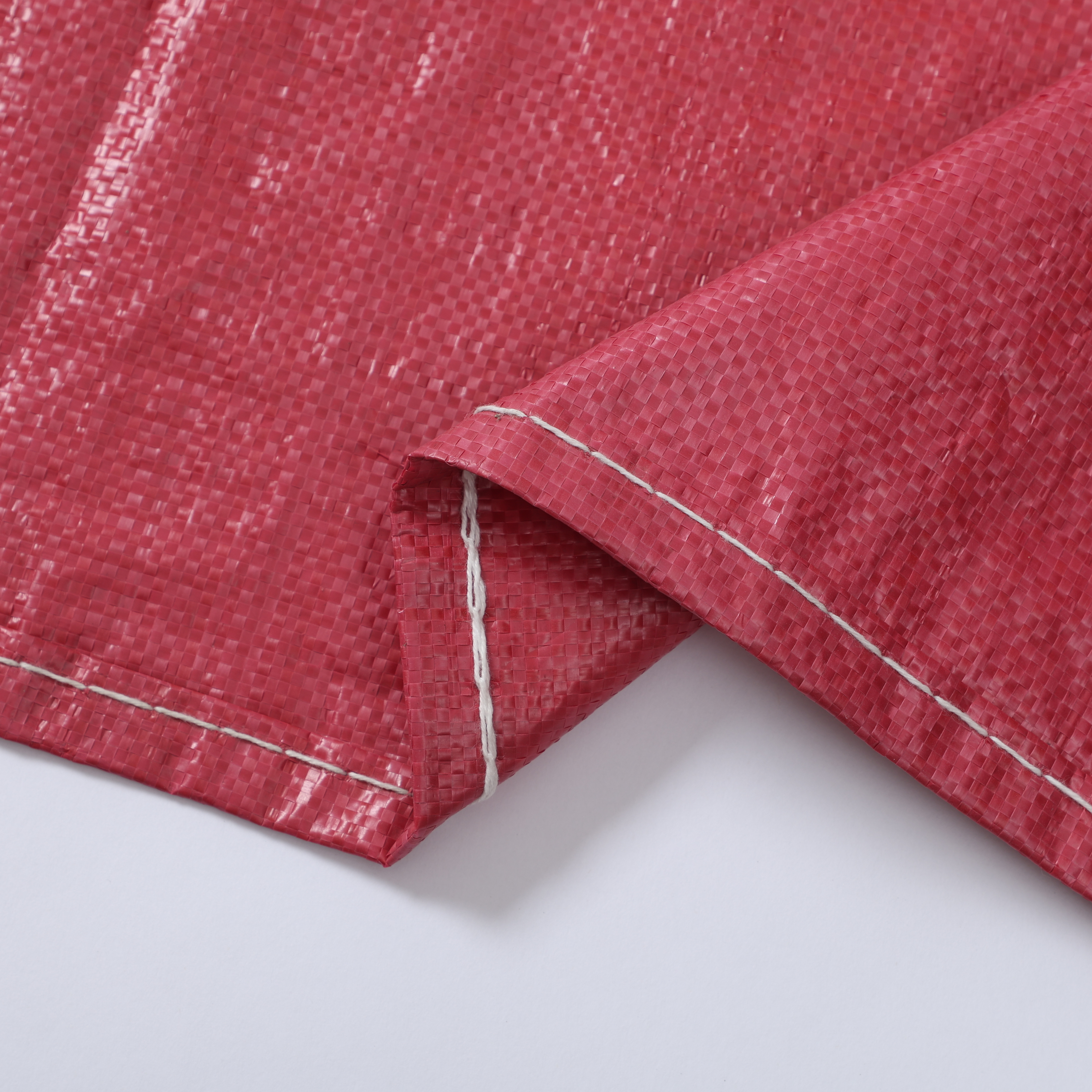
The quality of a pp woven bag depends on multiple interconnected factors, but two technical specifications stand out as primary determinants of performance: denier and thread count. These measurements directly influence how a polypropylene woven bag performs under stress, resists tearing, maintains its structural integrity during transport, and withstands environmental exposure. Understanding the relationship between denier, thread count, and overall bag quality is essential for manufacturers, procurement specialists, and end-users who need reliable polypropylene woven packaging solutions.
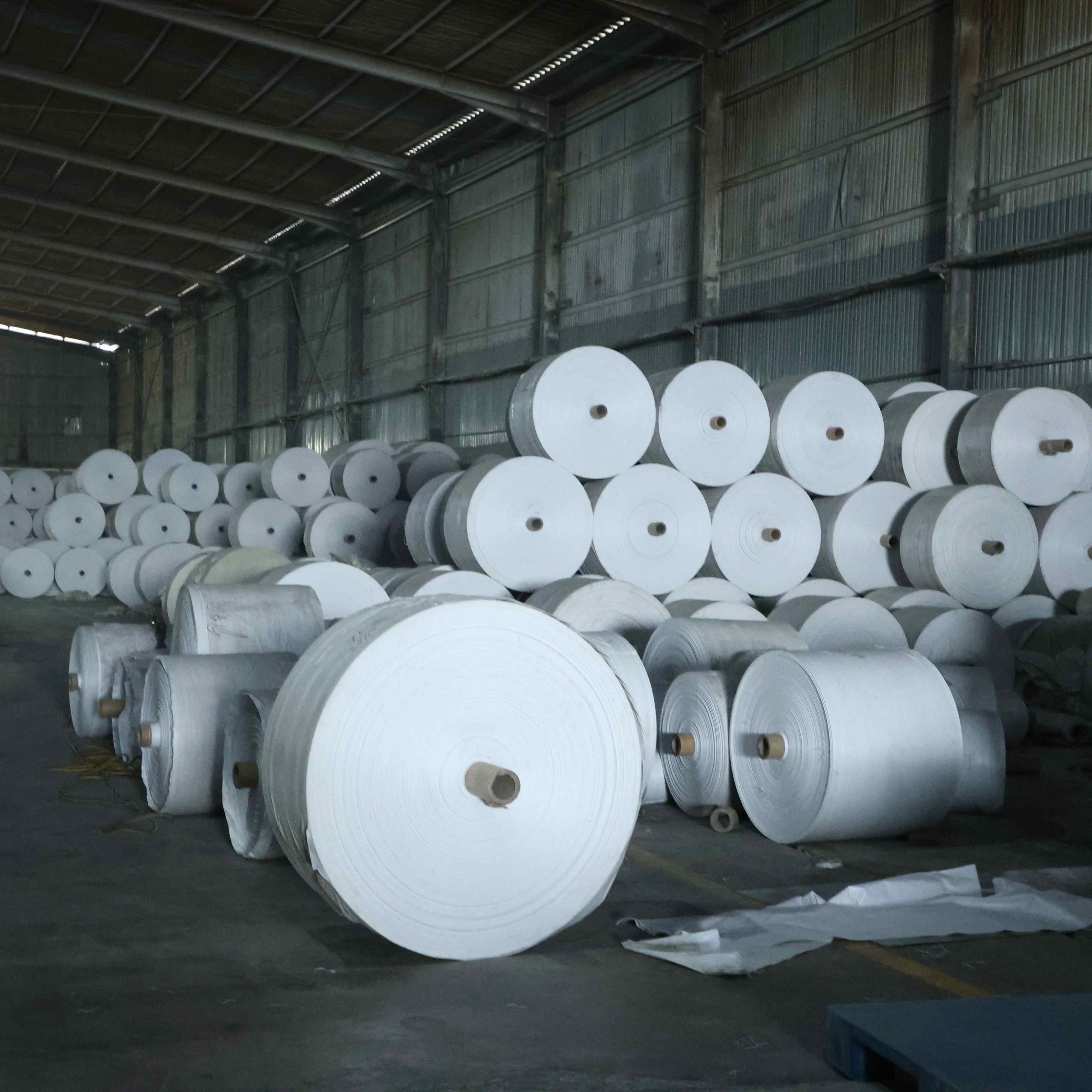
Denier measures the weight of fiber, while thread count represents the number of woven strands per unit area. Together, these specifications create the foundation for tensile strength, tear resistance, and load-bearing capacity in woven polypropylene packaging. When these parameters are optimized, the resulting pp woven sack delivers superior performance across agricultural, chemical, food, and industrial applications. This guide explores how denier and thread count work together to define quality standards in polypropylene woven bag manufacturing and selection.
Denier is a standardized unit that expresses the linear mass density of fiber, specifically the weight in grams of 9,000 meters of a single fiber strand. In a pp bulk bag or polypropylene woven bag, higher denier numbers indicate thicker, heavier individual fibers. This thickness directly correlates with increased tensile strength, meaning the bag can withstand greater pulling forces without breaking. Lower denier fibers create lighter, more flexible bags suitable for lower-weight applications, while higher denier fibers produce robust, heavy-duty packaging for demanding industrial and agricultural uses.
The appropriate denier for a woven polypropylene packaging solution depends on the intended load, environmental conditions, and transport method. Bags for grain storage, fertilizer, chemicals, and minerals typically require 100–150 denier fibers to provide adequate tear resistance and puncture protection. For specialized applications involving sharp-edged materials or extreme environmental stress, manufacturers may specify 150–200 denier or higher. Conversely, lightweight applications such as packaging for food ingredients or non-abrasive materials may use 50–100 denier without sacrificing necessary durability, which reduces material costs while maintaining functional performance in pp woven sack production.
Thread count in a pp woven bag refers to the number of warp and weft threads per square centimeter or per inch of woven fabric. A higher thread count creates denser fabric coverage, which increases the surface area contact between individual strands and improves overall structural integrity. This density reduces the gap space between threads, which minimizes the likelihood of material sifting, dust penetration, or moisture infiltration through the woven polypropylene packaging matrix. The relationship is not purely linear; beyond a certain optimal thread count, returns diminish while material weight and production costs increase significantly.
Industry standards typically recommend thread counts between 80–140 threads per inch for general-purpose pp bulk bag applications. Food-grade polypropylene woven bag specifications often call for 100–120 threads per inch to ensure fine enough weave for preventing product loss while maintaining structural flexibility during filling and handling. Chemical and mineral packaging frequently demands 120–150 threads per inch to provide superior barrier properties against fine dust and moisture. Bags designed for high-stress applications, such as those used in construction or heavy equipment transport, may reach 150–200 threads per inch to maximize tear resistance and puncture protection in the woven polypropylene packaging system.
Denier and thread count are complementary specifications that, when balanced correctly, produce superior pp woven sack performance. A pp woven bag with high thread count but low denier fibers may appear dense but will lack tear resistance and puncture protection under stress. Conversely, high denier fibers with low thread count create thick, stiff bags that may be prone to cracking or rupture if stressed at specific points where strands are widely spaced. The optimal pp bulk bag combines adequate denier to provide fiber strength with sufficient thread count to distribute that strength evenly across the entire surface, creating a fabric matrix that resists both localized and distributed stress.
High-quality polypropylene woven packaging typically demonstrates consistent tensile strength in both warp and weft directions, minimal variance in thread count across the roll, and uniform fiber diameter within specified tolerances. A pp woven bag meeting these criteria will show linear performance degradation under stress rather than sudden catastrophic failure, indicating that the material properties are well-distributed throughout the structure. Testing protocols such as burst strength measurement, tear propagation analysis, and abrasion resistance assessment reveal whether denier and thread count specifications translate to real-world durability. Manufacturers who invest in precise denier and thread count control demonstrate commitment to consistent polypropylene woven bag quality that end-users can depend on across multiple orders and applications.
Select denier based on the material being packaged, transport method, and expected stress conditions. Lighter applications like food or non-abrasive materials typically use 50–100 denier, while heavy-duty industrial use, agricultural bulk storage, and chemical packaging require 100–200 denier. Consult with your pp bulk bag supplier about your specific load weight, transport conditions, and environmental exposure to determine optimal denier specifications that balance strength, cost, and flexibility.
For moisture-sensitive applications, specify thread counts between 120–150 threads per inch to minimize gaps in the woven polypropylene packaging matrix. Higher thread count creates tighter weave density, which reduces moisture vapor transmission and prevents dust or moisture infiltration during storage and transport. Some specialized applications may use 150–180 threads per inch combined with moisture barriers, but consult your pp woven sack manufacturer about whether additional coating or lining would be more cost-effective than extreme thread count increases.
Low denier with high thread count creates a dense but weak pp woven bag that may fail under sudden stress or sharp-edged material contact. While the tight weave provides excellent dust prevention and moisture barrier properties, the thin fibers lack the tensile strength needed for handling, stacking, or transport stress. For durable polypropylene woven packaging, balance thread count with sufficient denier to ensure both density and fiber strength work together to prevent tearing, puncture, and catastrophic failure.

Discover the 4 critical production metrics—throughput, defect rate, equipment uptime & on-time delivery—to vet factories confidently.

Ensure regulatory compliance & worker safety with proven methods for chemical woven bags—material selection, labeling, storage & training.

Discover the full PP woven bag manufacturing workflow—from extrusion & weaving to printing & QC. Boost efficiency, compliance & ROI. Download the process guide now.

Struggling with weak bags or high material waste? Master extrusion and tape drawing tech for stronger, cheaper PP woven bags. Optimize your production line now.

Struggling with defects or customer returns? Discover the 5 non-negotiable quality checkpoints across your woven bag production line
Which automation tier is right for your PP woven bag factory? Compare manual to Industry 4.0 systems for cost, quality, and scalability.
Get in touch for details on polypropylene woven bags and flexible packaging solutions.
Tel
Address
No.2015, Liaoyuan Building, Lanshan District, Linyi City, Shandong Province.China

