 EN
How to Assess Production Efficiency at a PP Woven Bag Factory
Discover the 4 critical production metrics—throughput, defect rate, equipment uptime & on-time delivery—to vet factories confidently.

2026/08/05
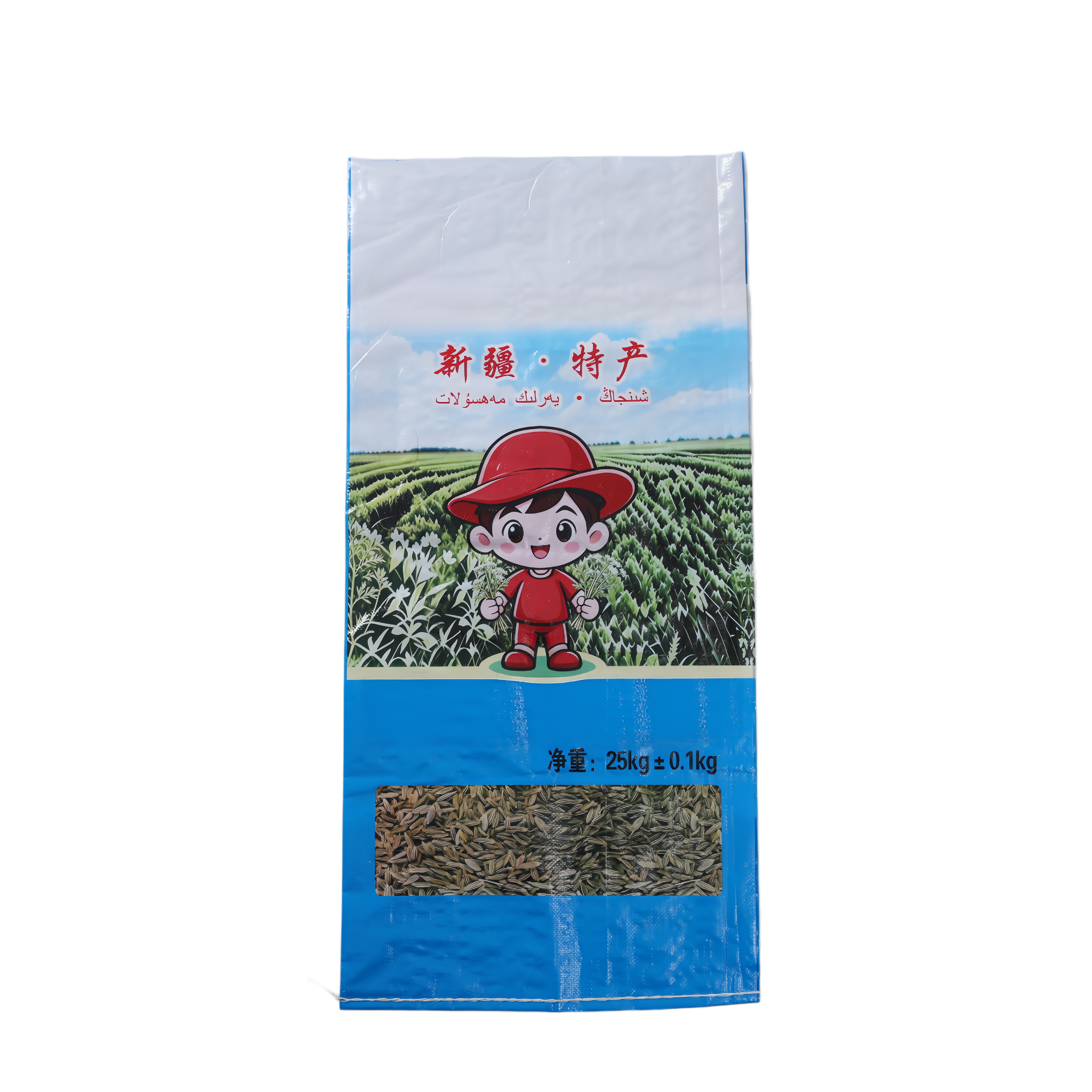
Understanding the boundaries of customization is essential for anyone planning to invest in custom woven bags. While these packaging solutions offer remarkable flexibility, they are not without constraints. Both fabric selection and sizing have practical limits that manufacturers observe to ensure quality, cost-effectiveness, and production feasibility. Knowing these boundaries upfront helps businesses make informed decisions and avoid costly revisions or delays.
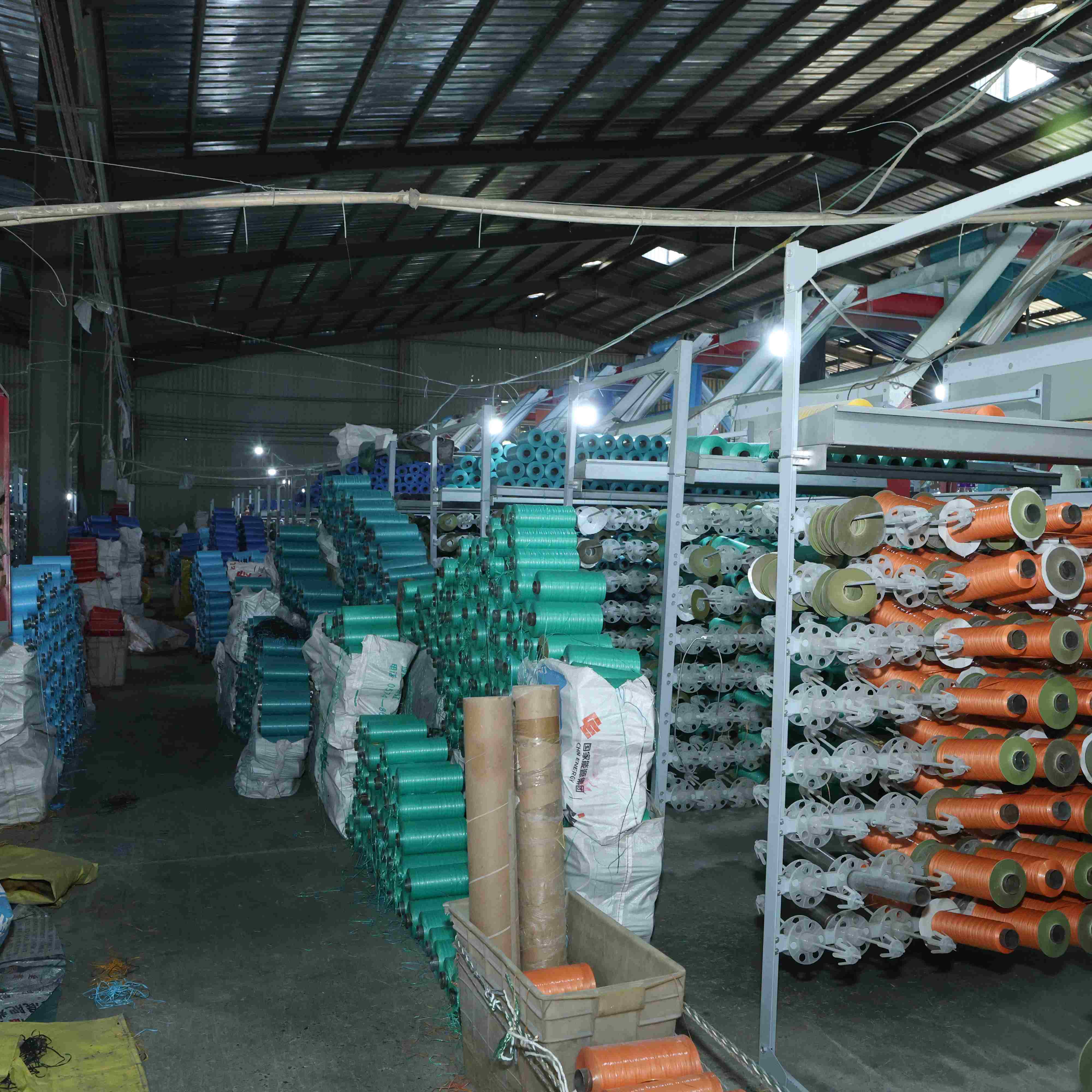
The process of creating a personalized pp bag or tailored woven sack involves navigating technical specifications, production equipment capabilities, and market-driven economics. Manufacturers maintain these limits not to restrict your vision, but to deliver reliable products on schedule and within reasonable cost structures. Understanding what factors influence these boundaries—and how they interconnect—transforms customization from a frustrating exercise into a strategic planning opportunity.
Custom printed woven bags are typically manufactured within established fabric weight ranges, usually between 80 and 180 grams per square meter for polypropylene materials. This range reflects both industry standards and the capabilities of most weaving equipment. Fabrics lighter than 80 GSM tend to be fragile during production and may tear during printing or sewing operations. Conversely, fabrics heavier than 180 GSM become stiff and difficult to form into finished bags, requiring specialized equipment that many manufacturers do not possess.
The choice of raw material directly affects what customization levels are achievable. Polypropylene remains the most common choice for personalized pp bag production because it offers an ideal balance of strength, printability, and cost. Blended materials or specialty additives may be available, but they often incur minimum order quantities or extended lead times. Laminated fabrics, while offering enhanced barrier properties, limit your ability to customize edge treatments and significantly impact pricing. Understanding these material constraints helps align your custom packaging solution requirements with what manufacturers can practically deliver.
Bag width is constrained by the weaving loom capacity, which typically ranges from 1.2 to 2.5 meters. This translates to finished bag widths of approximately 0.6 to 2.4 meters after processing and seaming. Ordering bags wider than your manufacturer's loom capacity requires splitting production across multiple machines or sourcing from a specialized facility, both of which increase costs and complexity. The tailored woven sack width you select should be confirmed against your supplier's specific equipment specifications during the early design phase.
Finished bag length is less constrained than width because fabric is cut to length after weaving. However, extremely long bags—exceeding 2 meters—may become difficult to handle, fold, and ship economically. Conversely, very short bags below 20 centimeters can be wasteful and difficult to form using standard bag-making machinery. Most manufacturers maintain practical working ranges between 20 centimeters and 2 meters in length for custom packaging solutions. Specialized orders outside this range are possible but typically require custom tooling fees and longer production schedules.
Digital and flexographic printing technologies used for custom printed woven bag production have inherent limits regarding color complexity and fine detail. Most manufacturers support between four and eight ink colors without significant cost penalties. Achieving gradients, photorealistic images, or extremely fine line work may require higher-resolution printing equipment, which is less common in the industry. When designing a personalized pp bag, simpler designs with bold colors and clear graphics produce the most reliable results and remain cost-effective at volume.
While you can print across most of the bag surface, certain areas present technical challenges. Seamed edges, gusseted corners, and areas within 5 millimeters of any fold line are difficult to print cleanly. Custom woven bags with fully wraparound designs must account for how the image aligns where the fabric seams. Manufacturers typically restrict full-bleed printing to flat surfaces and recommend 10 to 15 millimeter margins around edges. These constraints ensure registration accuracy and prevent ink smudging during the folding, seaming, and handling processes inherent in tailored woven sack production.
Custom packaging solutions require minimum order quantities that vary by design complexity and fabric specifications. Standard orders typically start at 5,000 to 10,000 units, ensuring that setup costs and customization expenses are spread reasonably across production runs. Smaller orders of 1,000 to 5,000 units are sometimes available but usually incur significant per-unit premiums. A custom woven bag design with unique printing, specialized fabric, or non-standard dimensions may require minimums of 20,000 or more units to justify the manufacturing setup and tooling investment.
Lead times for custom printed woven bag orders typically range from six to twelve weeks, depending on customization complexity and current production capacity. This timeline includes fabric weaving, quality inspection, printing, sewing, final inspection, and packaging. Complex custom woven bags with specialized materials or intricate designs may require fourteen to sixteen weeks. Understanding these timeframes during the planning stage prevents urgent rushes that inflate costs and compromise quality. A personalized pp bag project initiated with adequate planning time allows manufacturers to optimize production flow and deliver superior results.
Most applications work best with fabric between 100 and 140 grams per square meter, which balances strength, printability, and cost-effectiveness. Lighter weights suit single-use or promotional applications, while heavier fabrics are better for durable, reusable custom packaging solutions. Consult your manufacturer about which weight range aligns with your intended use and budget parameters.
Some manufacturers offer smaller minimum orders of 1,000 to 3,000 units, but these typically incur per-unit cost increases of 20 to 40 percent compared to standard volumes. This premium reflects the higher setup costs relative to total output. If your budget accommodates the premium, smaller runs allow testing and market validation before committing to larger tailored woven sack orders.
Work with your manufacturer's design guidelines early, maintaining at least 15 millimeter margins from edges and seams, limiting colors to four to six, and using clear, bold graphics rather than fine details. Request a physical sample or proof before full production to verify color accuracy, alignment, and overall appearance. This proactive approach reduces the risk of costly reprints and ensures your custom packaging solution meets expectations.

Discover the 4 critical production metrics—throughput, defect rate, equipment uptime & on-time delivery—to vet factories confidently.

Ensure regulatory compliance & worker safety with proven methods for chemical woven bags—material selection, labeling, storage & training.

Discover the full PP woven bag manufacturing workflow—from extrusion & weaving to printing & QC. Boost efficiency, compliance & ROI. Download the process guide now.

Struggling with weak bags or high material waste? Master extrusion and tape drawing tech for stronger, cheaper PP woven bags. Optimize your production line now.

Struggling with defects or customer returns? Discover the 5 non-negotiable quality checkpoints across your woven bag production line
Which automation tier is right for your PP woven bag factory? Compare manual to Industry 4.0 systems for cost, quality, and scalability.
Get in touch for details on polypropylene woven bags and flexible packaging solutions.
Tel
Address
No.2015, Liaoyuan Building, Lanshan District, Linyi City, Shandong Province.China

