 EN
How to Assess Production Efficiency at a PP Woven Bag Factory
Discover the 4 critical production metrics—throughput, defect rate, equipment uptime & on-time delivery—to vet factories confidently.

2026/08/21
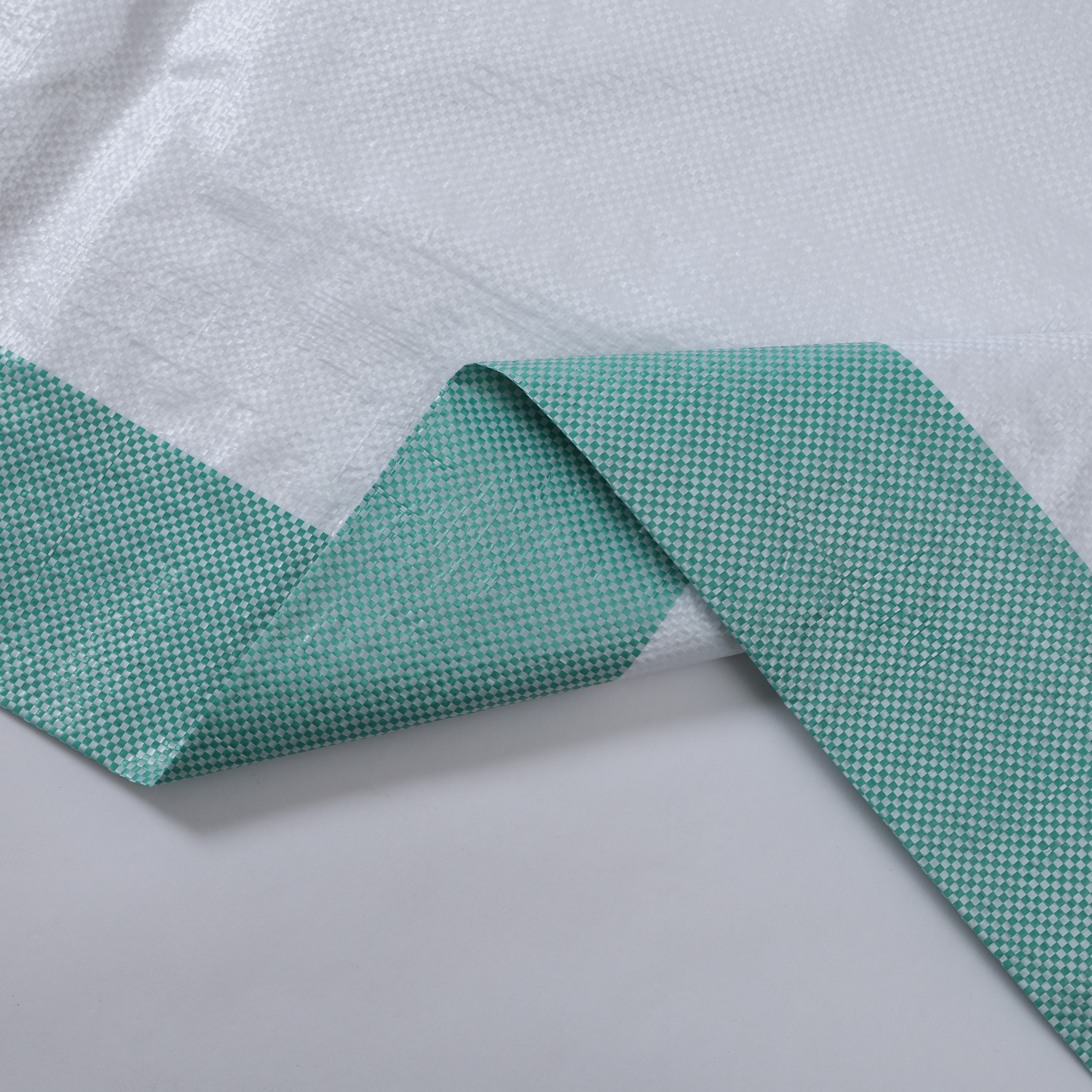
Selecting the right fabric coating for agricultural packaging bags is critical for protecting crops during storage and transport. The choice of coating directly affects moisture barrier properties, durability, and the long-term viability of stored produce. Different crops have distinct environmental requirements, and matching coating technology to these needs ensures minimal spoilage, maintains product quality, and maximizes storage efficiency.
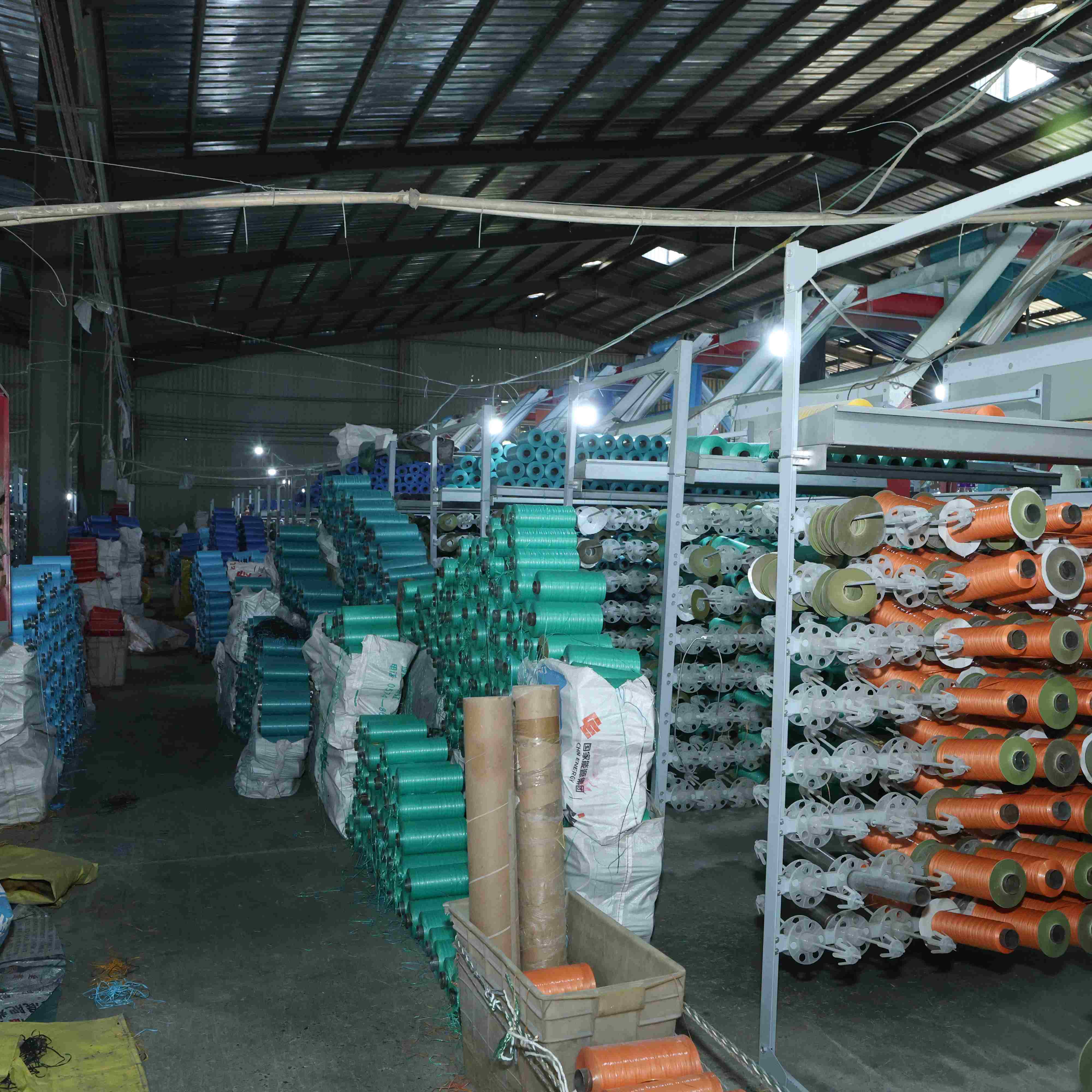
Understanding fabric coating options allows farmers, agricultural distributors, and storage facility managers to make informed decisions about their crop packaging solution investments. The coating technology influences breathability, chemical resistance, water resistance, and overall package integrity throughout the storage lifecycle. This guide explores the main coating options available and how to evaluate them against specific crop storage requirements.
Polypropylene film coatings are the most widely used option in farm packaging bag production worldwide. PP agricultural packaging provides excellent moisture barrier properties while remaining cost-effective for large-scale agricultural operations. The coating adheres uniformly to woven fabric substrates, creating a sealed surface that prevents water infiltration and reduces mold development in stored crops.
This type of coating works particularly well for grains, seeds, and legumes that require low-moisture environments. The surface remains relatively inert, protecting contents from humidity fluctuations and external contaminants. PP-coated agricultural packaging bags also offer excellent printing capabilities, allowing farmers to clearly label storage contents, dates, and handling instructions directly on the package exterior.
Laminated polyethylene represents an alternative approach that combines different film layers for enhanced performance. This crop packaging solution provides superior puncture resistance compared to single-layer polypropylene coatings, making it suitable for produce with sharp edges or rough handling conditions. The layered structure distributes stress more effectively across the fabric substrate.
Polyethylene lamination works well for potatoes, root vegetables, and other produce requiring robust physical protection. The produce storage bag construction remains flexible while offering better impact resistance during stacking and mechanical handling. This coating option typically costs more than standard polypropylene but delivers measurable durability improvements for high-value crops.
Different crops demand different moisture management strategies within their farm packaging bag. Completely sealed coatings work well for dry goods, while some produce requires minimal air circulation to prevent condensation buildup. A produce storage bag designed for potatoes might need slight breathability to prevent moisture accumulation, whereas grain storage demands maximum moisture barrier properties.
pp agricultural packaging with standard polypropylene coating achieves barrier ratings of typically 2–4 grams per square meter per 24 hours in moisture transmission. This level effectively prevents external humidity from penetrating storage contents while allowing minimal internal moisture exchange. Specialty coatings can achieve even lower transmission rates for crops extremely sensitive to moisture fluctuations.
Agricultural crops are often treated with fungicides, pesticides, or dust suppressants before storage. The coating must resist chemical degradation while protecting the fabric substrate from solvent-based treatments. PP agricultural packaging demonstrates strong chemical compatibility with most agricultural chemicals, maintaining barrier integrity throughout the storage cycle.
For crops requiring specialized treatment protocols, the choice of crop packaging solution becomes more critical. Some polyethylene-laminated options offer superior chemical resistance when specific fungicide regimens are part of the storage protocol. Testing coating compatibility with intended treatments prevents unexpected degradation and maintains package performance throughout extended storage periods.
The storage environment significantly influences which fabric coating performs best for your agricultural packaging bags. Outdoor storage in humid climates demands maximum moisture barrier properties, making PP-coated solutions ideal. Indoor controlled-atmosphere storage facilities may allow more flexibility, potentially accommodating coatings with slight breathability for specific produce types.
Storage duration affects coating selection as well. Short-term storage of a few weeks may work with standard coatings, while multi-month storage requires premium barrier properties. The produce storage bag must maintain integrity throughout the entire storage cycle without degradation from environmental exposure, chemical action, or mechanical stress.
Most agricultural operations store significant crop volumes, making per-unit packaging costs a substantial budget item. Standard PP agricultural packaging offers the best cost-to-performance ratio for large-volume applications. Custom coating specifications and laminated solutions increase per-bag expenses, justifying their use only when performance requirements genuinely exceed standard options.
Bulk purchasing of farm packaging bag supplies with consistent coating specifications provides supply chain reliability and predictable costs. Establishing long-term relationships with packaging suppliers ensures consistent coating quality and allows negotiation of volume discounts. This approach stabilizes agricultural packaging investment while maintaining the crop packaging solution performance your storage operations require.
Start by assessing your crop's moisture sensitivity, typical storage duration, and environmental conditions. Grains and seeds benefit from maximum moisture barrier coatings like PP agricultural packaging, while root vegetables in controlled storage might tolerate slightly more breathable options. Consult with your packaging supplier about crop-specific recommendations and request sample testing under your actual storage conditions before committing to large-scale purchases.
Many agricultural packaging bags feature recyclable polypropylene coatings, though recyclability depends on local infrastructure and contamination levels from stored crops. Some producers offer sustainable alternatives using biodegradable coatings, though these typically cost more and may not perform as effectively for extended storage. Verify your packaging supplier's environmental claims and recycling guidelines specific to your region's waste management capabilities.
Small punctures or coating damage can significantly reduce barrier effectiveness, allowing moisture ingress and accelerating spoilage. farm packaging bag quality control should include pre-storage inspection to catch manufacturing defects. During storage, rotate and handle bags carefully to prevent damage, and consider using protective covers for outdoor storage areas. If damage occurs, transfer contents to fresh agricultural packaging bags immediately to prevent product loss.

Discover the 4 critical production metrics—throughput, defect rate, equipment uptime & on-time delivery—to vet factories confidently.

Ensure regulatory compliance & worker safety with proven methods for chemical woven bags—material selection, labeling, storage & training.

Discover the full PP woven bag manufacturing workflow—from extrusion & weaving to printing & QC. Boost efficiency, compliance & ROI. Download the process guide now.

Struggling with weak bags or high material waste? Master extrusion and tape drawing tech for stronger, cheaper PP woven bags. Optimize your production line now.

Struggling with defects or customer returns? Discover the 5 non-negotiable quality checkpoints across your woven bag production line
Which automation tier is right for your PP woven bag factory? Compare manual to Industry 4.0 systems for cost, quality, and scalability.
Get in touch for details on polypropylene woven bags and flexible packaging solutions.
Tel
Address
No.2015, Liaoyuan Building, Lanshan District, Linyi City, Shandong Province.China

