 EN
How to Assess Production Efficiency at a PP Woven Bag Factory
Discover the 4 critical production metrics—throughput, defect rate, equipment uptime & on-time delivery—to vet factories confidently.

2026/08/14
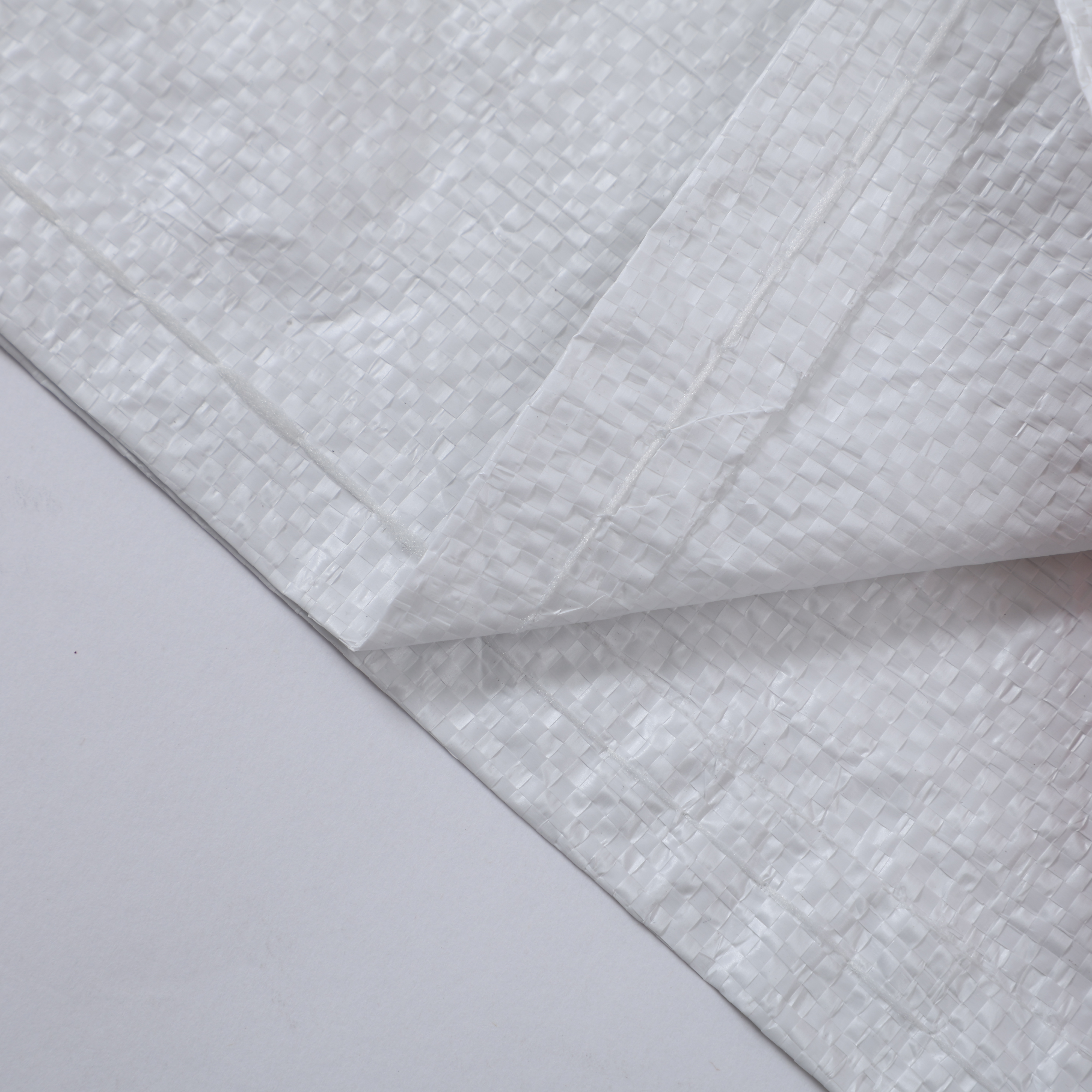
Industrial salt storage demands reliable containment solutions that protect product quality while withstanding harsh environmental conditions. Selecting the right fabric coating for salt bags is critical to preventing moisture absorption, contamination, and product degradation. Whether you operate a chemical processing facility, food production plant, or agricultural operation, understanding the available coating options ensures your salt packaging bag investments deliver long-term performance and regulatory compliance.
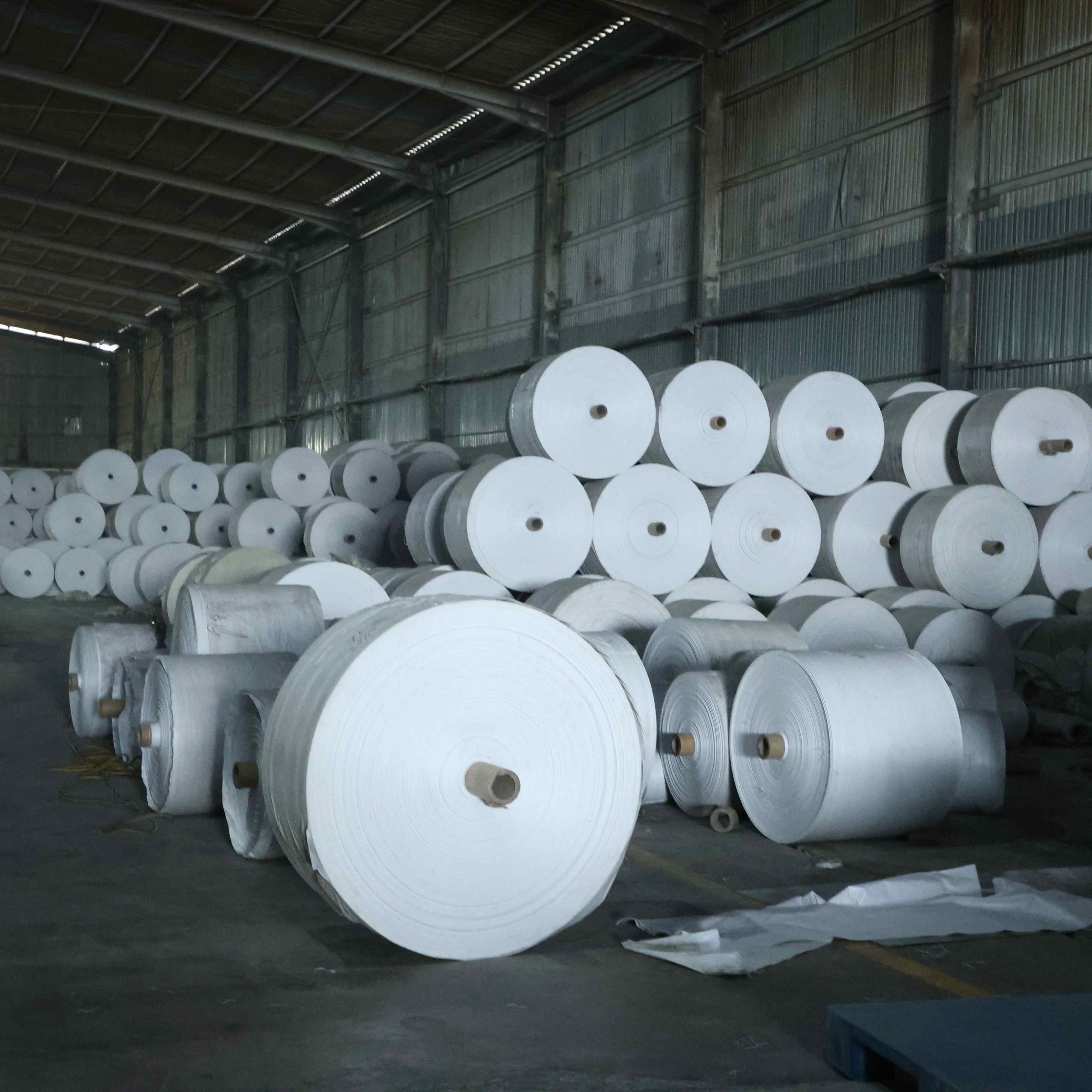
The choice between different fabric coating technologies directly impacts container durability, chemical resistance, and cost efficiency. Industrial operations require salt packaging solutions that balance protection, sustainability, and practical handling. This guide explores the major fabric coating approaches available for salt woven bags and food grade woven bags, helping you make informed decisions aligned with your specific storage and transport requirements.
Polypropylene coatings dominate the salt bag industry because they offer excellent moisture barriers, chemical resistance, and cost-effectiveness. A pp salt sack with polypropylene coating creates a hydrophobic surface that prevents water penetration, keeping salt dry and free-flowing. These coatings bond directly to the woven fabric structure, creating a unified container that resists tearing during handling and storage. The polypropylene matrix also provides resistance to common salt-related degradation mechanisms, extending container life significantly compared to uncoated materials.
Polypropylene-coated salt bags remain the industry standard for food grade woven bag production. The coating can be applied in single or multi-layer configurations, with thicker applications providing enhanced protection for premium product lines. Industrial salt packaging bags utilizing this technology maintain structural integrity across temperature fluctuations and humidity variations typical in warehouse environments. The moisture barrier created by polypropylene coatings prevents salt crystallization and caking, preserving product quality throughout the storage period.
Laminated film coatings represent an advanced approach to fabric protection, where specialized plastic films bond to woven substrate layers. These salt woven bag systems combine the strength of woven fabric with the superior barrier properties of modern films. Laminated construction allows for customized barrier levels depending on the severity of environmental exposure and product sensitivity. A salt packaging bag with laminated coatings provides multi-directional protection, preventing moisture ingress from all surface angles.
This technology suits operations requiring premium performance for high-value salt products or sensitive applications. The lamination process ensures consistent coating quality and eliminates weak points that might compromise container integrity. Food grade woven bags with laminated coatings often meet stringent regulatory standards for direct food contact, making them suitable for culinary salt and food-grade industrial salt products. The visual distinction of laminated materials also supports brand differentiation and quality perception in competitive markets.
Moisture protection stands as the primary functional requirement for any salt bags design. Both polypropylene and laminated coating systems achieve effective moisture barriers, but through different mechanisms. Standard polypropylene coatings create a continuous hydrophobic layer that forces water away from the fabric structure, typically achieving water vapor transmission rates below critical thresholds. Enhanced barrier coatings with multiple layers or specialized polymer blends can further reduce moisture transmission, providing protection even in high-humidity storage environments.
The salt packaging bag performance in moisture resistance directly correlates to product shelf life and usability. Inadequate coatings allow gradual moisture absorption, causing salt to cake and lose its free-flowing properties. This degradation creates handling difficulties and often renders the product unsuitable for intended applications. Premium-grade salt woven bags with advanced coatings maintain less than one percent moisture content increase over extended storage periods, meeting industry specifications for commercial salt distribution.
Industrial salt environments present unique challenges beyond simple moisture exposure. Salt crystals can be chemically aggressive, and storage conditions often include temperature cycling, ultraviolet light exposure, and contact with alkaline or acidic atmospheres. Polypropylene coatings demonstrate excellent chemical resistance to salt itself and most common industrial compounds. The pp salt sack maintains structural properties even when exposed to salt-laden atmospheres or humid salt-processing environments.
Durability testing of salt bags shows that proper coating selection can extend container life by five to ten years compared to uncoated or poorly coated alternatives. Food grade woven bags undergo rigorous testing to ensure coatings do not degrade or leach compounds into stored products. UV stabilization additives embedded in modern coating formulations prevent degradation from sun exposure during outdoor storage or transport. This extended lifespan translates to significant cost savings across large-scale salt storage operations.
Your specific storage conditions determine the coating specification required for optimal salt bags performance. Indoor warehouses with controlled temperature and humidity allow for standard polypropylene-coated solutions that provide adequate protection at competitive pricing. Outdoor storage or exposed dock environments demand enhanced barrier systems like laminated or multi-layer polypropylene salt packaging bags. Extended storage periods, particularly those exceeding two years, justify investment in premium coating technologies that maintain product quality indefinitely.
Tropical or coastal environments with high salt-air corrosion require specialized salt woven bag coatings that resist atmospheric salt spray and maintain integrity in challenging conditions. Operations planning for long-term stockpiling benefit from food grade woven bag specifications that include UV protection and reinforced barrier layers. Temporary or seasonal salt storage may permit more economical coating options, while permanent inventory systems require coatings engineered for indefinite environmental exposure.
The intended use of stored salt directly impacts coating selection parameters. Food-grade salt destined for culinary or pharmaceutical applications requires pp salt sack coatings that comply with food contact regulations and do not introduce contaminants. Industrial salt for chemical processing, de-icing, or manufacturing may permit broader coating specifications, though quality consistency remains essential. Food grade woven bags undergo specific certification processes confirming that coating materials meet health and safety standards.
Regulatory compliance considerations extend to recycling and environmental standards in certain jurisdictions. Some regions mandate specific coating compositions or restrict certain additives, influencing which salt packaging bag technologies remain viable options. Understanding your regulatory landscape before selecting coating specifications prevents costly non-compliance issues and ensures seamless market access for your stored products. Transparent communication with coating suppliers about intended use ensures your salt bags meet all applicable standards.
Polypropylene creates an effective moisture barrier that prevents water penetration into salt stored in salt woven bags. This coating technology resists salt-related chemical degradation, maintains flexibility across temperature ranges, and offers excellent cost-to-performance ratios for industrial salt storage. Polypropylene-coated salt packaging bags have proven reliable across decades of industrial use, making them the standard choice for most salt handling operations.
Yes, food grade woven bags specifically engineered with compliant coating materials can safely contain culinary salt and food-industry applications. These pp salt sack products must meet food contact regulations and undergo certification confirming coating materials do not leach or contaminate stored products. Suppliers provide clear documentation about food-grade status, allowing you to confidently select appropriate salt bags for sensitive applications.
Laminated coatings provide superior barrier properties and customizable protection levels compared to standard polypropylene options for salt packaging bags. While laminated salt woven bags cost more initially, they deliver enhanced durability in harsh environments and longer product shelf life, justifying the investment for premium salt products or extended outdoor storage. Standard pp salt sack solutions remain cost-effective for indoor storage with controlled conditions, while laminated technology suits demanding applications requiring maximum protection.

Discover the 4 critical production metrics—throughput, defect rate, equipment uptime & on-time delivery—to vet factories confidently.

Ensure regulatory compliance & worker safety with proven methods for chemical woven bags—material selection, labeling, storage & training.

Discover the full PP woven bag manufacturing workflow—from extrusion & weaving to printing & QC. Boost efficiency, compliance & ROI. Download the process guide now.

Struggling with weak bags or high material waste? Master extrusion and tape drawing tech for stronger, cheaper PP woven bags. Optimize your production line now.

Struggling with defects or customer returns? Discover the 5 non-negotiable quality checkpoints across your woven bag production line
Which automation tier is right for your PP woven bag factory? Compare manual to Industry 4.0 systems for cost, quality, and scalability.
Get in touch for details on polypropylene woven bags and flexible packaging solutions.
Tel
Address
No.2015, Liaoyuan Building, Lanshan District, Linyi City, Shandong Province.China

