 EN
How to Assess Production Efficiency at a PP Woven Bag Factory
Discover the 4 critical production metrics—throughput, defect rate, equipment uptime & on-time delivery—to vet factories confidently.

2026/08/14
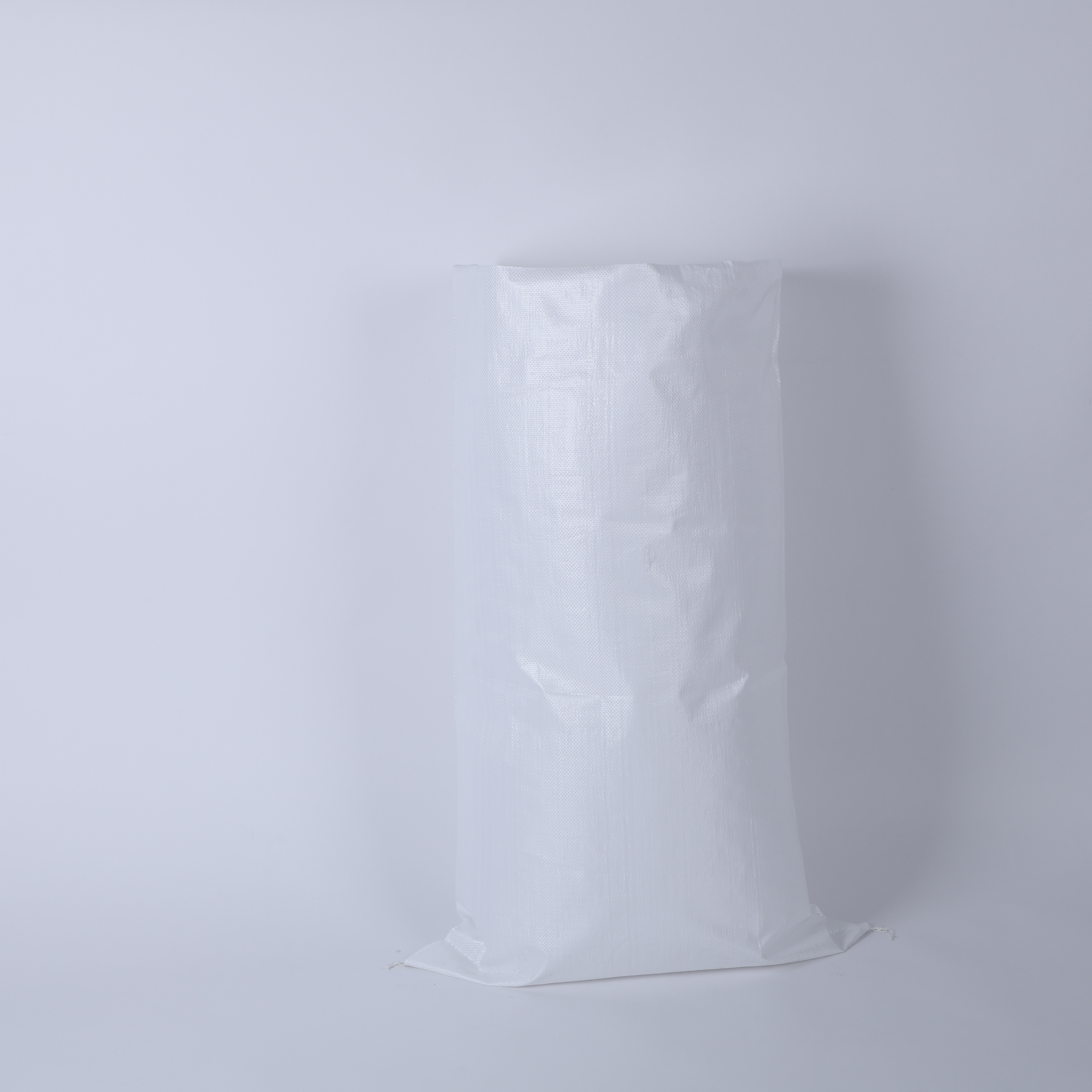
Understanding fabric density requirements for fine grain retention is critical for anyone involved in sugar storage, handling, or distribution. The effectiveness of sugar bags depends fundamentally on the weave structure and material composition that prevents micro-particles from escaping during transport, storage, and handling. Fine sugar granules present unique challenges because they can sift through inadequately dense fabrics, leading to product loss, contamination, and reduced customer satisfaction. Proper fabric density ensures that your sugar packaging bag maintains integrity throughout the supply chain while protecting the product from external elements.
The fabric density of a pp sugar sack directly correlates with its ability to contain fine particles while maintaining structural strength. When sugar granules are particularly small or powdery, the weave must be tight enough to prevent sifting losses yet flexible enough to accommodate the weight and movement of the product. A sugar woven bag constructed with appropriate fabric density balances these competing demands, ensuring reliable performance across diverse storage conditions and handling scenarios. Food grade packaging bag standards require specific density thresholds to meet safety and retention specifications that protect both the product and end consumers.
Fabric density is measured by the number of warp and weft threads per unit area, typically expressed in threads per inch or similar metrics. When you increase fabric density in a sugar woven bag, you reduce the space between individual fibers, creating a more effective barrier against fine particles. The relationship between fabric density and retention is not linear; beyond a certain threshold, additional density may only marginally improve retention while increasing production costs and potentially affecting breathability. Industrial sugar bags require precision engineering to identify the optimal density that maximizes grain retention without compromising handling efficiency or material economy.
Sugar is hygroscopic, meaning it absorbs moisture from the air, and the fabric density of your sugar packaging bag affects how humidity penetrates the material. A denser fabric provides better moisture resistance, reducing the risk of caking or crystallization inside the pp sugar sack. However, excessive density can trap moisture against the product surface, potentially causing clumping in humid environments. Properly balanced fabric density allows controlled moisture exchange while preventing fine particles from escaping, making it essential for maintaining sugar quality during storage and transport in varying climatic conditions.
Food grade packaging bag standards mandate specific fabric density levels to ensure safety, contamination prevention, and product integrity. These standards vary by region and application, but they generally require polypropylene woven fabrics to meet minimum density thresholds that prevent microbial ingress and fine particle loss. A sugar woven bag must comply with regulations governing food contact materials, requiring certification that the fabric composition and weave structure meet safety benchmarks. Understanding these regulatory requirements ensures your sugar bags protect product quality while maintaining compliance with international food safety protocols.
Selecting appropriate fabric density for your pp sugar sack depends on several factors including the fineness of your sugar product, storage duration, transportation distance, and environmental exposure. Fine granulated sugar requires denser weaves than coarse crystals, as smaller particles are more prone to sifting through loose fabrics. The sugar packaging bag must also withstand mechanical stress during filling, stacking, and handling without rupturing or allowing grain loss. Working with manufacturers who understand these variables ensures your sugar bags deliver consistent retention performance while remaining cost-effective for high-volume operations.
Effective quality control for sugar bags involves testing fabric density against retention performance benchmarks established for your specific sugar grade. These tests typically measure sifting losses under controlled conditions, simulating the mechanical stress and environmental exposure that bags experience during real-world use. The sugar woven bag manufacturer should provide documentation confirming fabric density specifications and retention test results that demonstrate compliance with your requirements. Implementing these testing protocols in your supply chain ensures consistent product quality and reduces the risk of unexplained losses or customer complaints related to compromised bag integrity.
While higher fabric density in a sugar packaging bag provides better retention, it also increases material costs and may affect production speed. Balancing performance requirements with economic efficiency requires understanding the trade-offs between density levels and their impact on your overall supply chain. A food grade packaging bag that is excessively dense may increase per-unit costs without proportional benefits if your sugar product does not require extreme density levels. Many producers optimize by selecting the minimum density that meets their retention requirements, reducing costs while maintaining the performance standards necessary for safe, reliable sugar storage and distribution.
The ideal fabric density for sugar bags depends on your specific sugar grade, but generally ranges from 40 to 60 threads per inch, with finer sugars requiring denser weaves. A sugar woven bag designed for powdered or ultra-fine sugar may need densities at the higher end of this range, while coarser crystals perform well with moderate density levels. Working with your packaging supplier to test retention performance at different density levels helps identify the optimal specification for your product without over-engineering.
Higher fabric density in a pp sugar sack increases material consumption and production time, directly raising manufacturing costs per unit. However, the price increase is often modest relative to the value of preventing product loss and maintaining customer satisfaction. The sugar packaging bag cost-benefit analysis should consider both immediate production expenses and downstream savings from reduced sifting losses, fewer customer complaints, and maintained product reputation in the market.
Yes, food grade packaging bag standards differ by country and region, with some nations imposing stricter requirements than others on fabric density, material composition, and contamination prevention. Sugar bags intended for export must comply with the standards of their destination market, requiring consultation with regulatory specialists or experienced packaging suppliers who understand these variations. A sugar woven bag manufacturer should provide certifications confirming compliance with applicable standards in your target markets.

Discover the 4 critical production metrics—throughput, defect rate, equipment uptime & on-time delivery—to vet factories confidently.

Ensure regulatory compliance & worker safety with proven methods for chemical woven bags—material selection, labeling, storage & training.

Discover the full PP woven bag manufacturing workflow—from extrusion & weaving to printing & QC. Boost efficiency, compliance & ROI. Download the process guide now.

Struggling with weak bags or high material waste? Master extrusion and tape drawing tech for stronger, cheaper PP woven bags. Optimize your production line now.

Struggling with defects or customer returns? Discover the 5 non-negotiable quality checkpoints across your woven bag production line
Which automation tier is right for your PP woven bag factory? Compare manual to Industry 4.0 systems for cost, quality, and scalability.
Get in touch for details on polypropylene woven bags and flexible packaging solutions.
Tel
Address
No.2015, Liaoyuan Building, Lanshan District, Linyi City, Shandong Province.China

