 EN
How to Assess Production Efficiency at a PP Woven Bag Factory
Discover the 4 critical production metrics—throughput, defect rate, equipment uptime & on-time delivery—to vet factories confidently.

2026/08/28
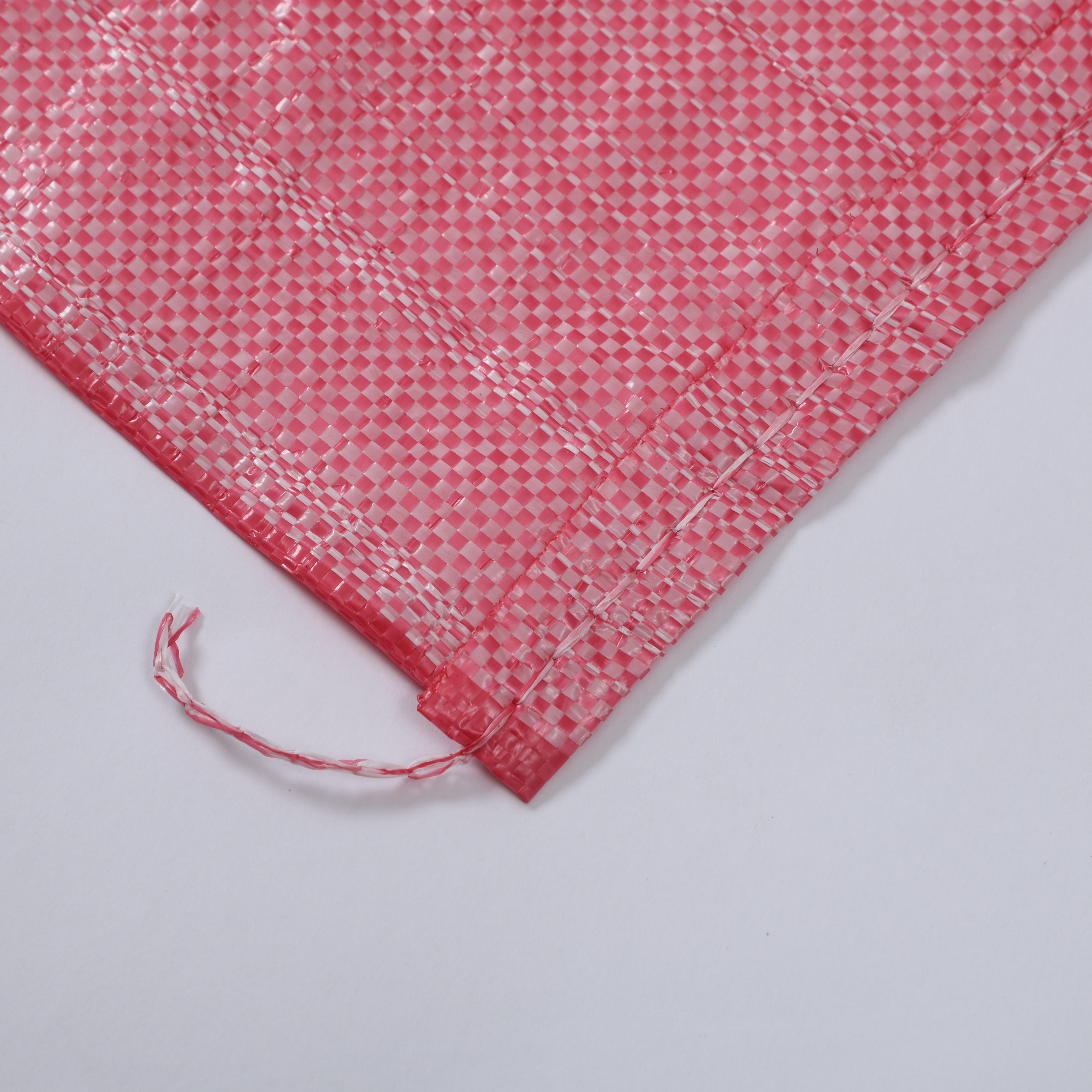
Fabric weight stands as one of the most critical factors determining the performance and lifespan of a packaging bag. When businesses select storage and transport solutions, understanding how fabric weight directly influences durability can prevent costly product losses, operational disruptions, and waste. The weight of the material used in constructing a packaging bag fundamentally shapes its ability to withstand stress, friction, puncture, and environmental exposure during storage and handling.
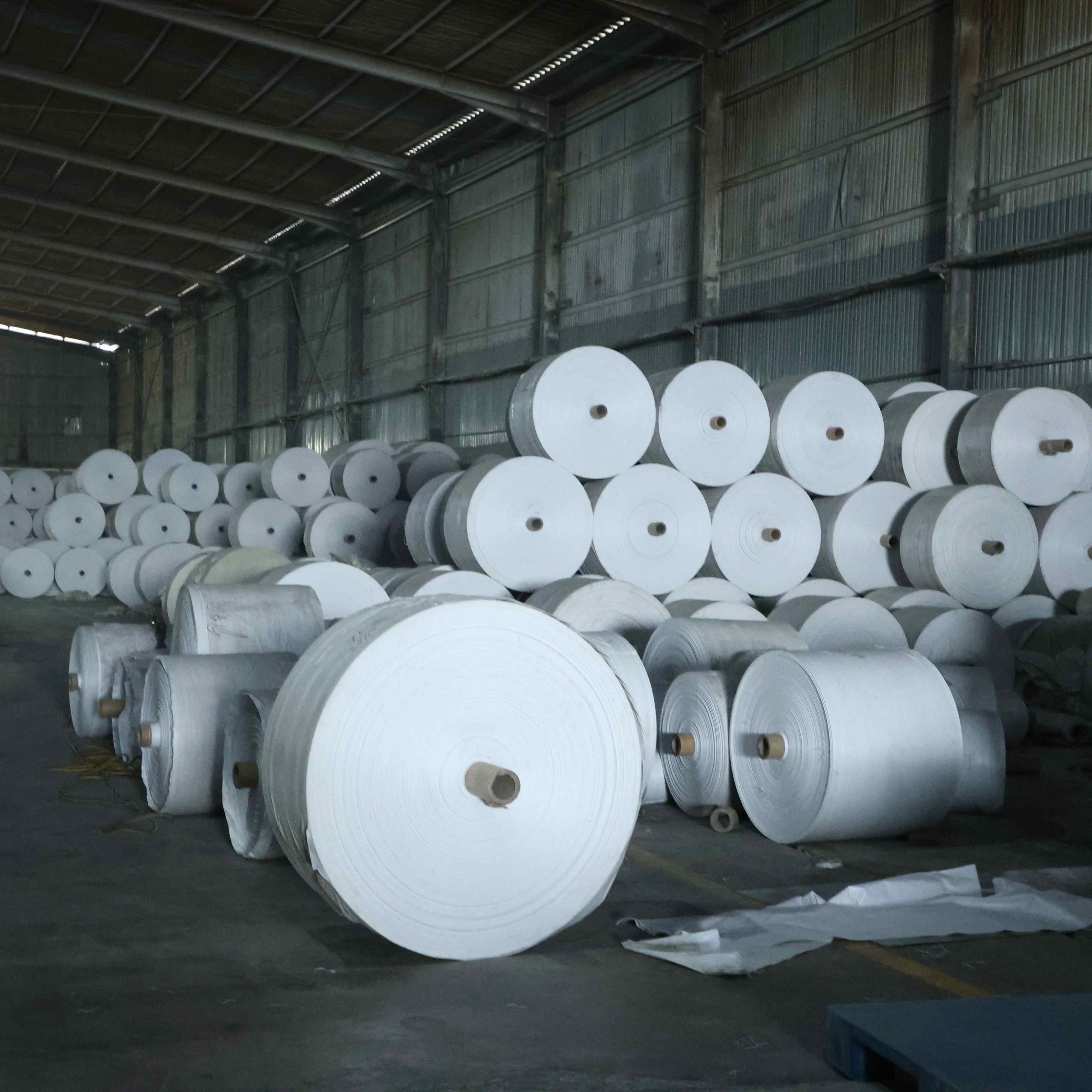
The relationship between fabric weight and durability is not arbitrary—it follows physical and mechanical principles that engineers and procurement specialists must grasp. Heavier fabrics contain more material per unit area, creating superior tear resistance, puncture resistance, and load-bearing capacity. For industrial operations managing bulk materials, chemicals, grains, or aggregates, selecting the appropriate fabric weight ensures that your industrial packaging bag investment delivers measurable protection and value over extended use cycles.
Fabric weight, typically measured in grams per square meter (GSM), represents the density and thickness of the material used in bag construction. A woven packaging sack with higher GSM contains more fibers packed into the same surface area, creating a physically stronger structure. This increased fiber density translates directly into better load distribution, which is why a heavy-duty pp packaging bag outperforms lighter alternatives when subjected to sharp edges, rough handling, or repeated friction.
When you examine a bulk packaging bag designed for demanding industrial applications, the fabric weight typically ranges from 80 GSM to 200 GSM or higher, depending on the intended use. Lighter packaging bags in the 60–80 GSM range suit applications where contents are less abrasive and handling is controlled. The distinction matters because an industrial packaging bag engineered for agriculture or construction materials requires substantially greater fabric weight than one designed for dry food storage.
One of the most tangible benefits of increased fabric weight is enhanced tensile strength—the maximum stress a material can withstand before breaking. A pp packaging bag with higher fabric weight exhibits superior resistance to tears initiated by sharp corners, rough surfaces, or aggressive handling. During transport, when bags are stacked, dragged, or loaded onto equipment, heavier woven packaging sack materials maintain their structural integrity far better than lighter fabrics.
Tear resistance directly correlates with fabric weight because more material is present to absorb and distribute the stress load. When a tear begins in a light packaging bag, it propagates rapidly through the thin material. Conversely, an industrial packaging bag constructed from heavier fabric resists tear propagation because the additional material fibers create redundancy and friction that slows or halts tear advancement.
Fabric weight directly impacts how long a bulk packaging bag can protect contents in storage or transit. Heavier materials provide superior barriers against moisture ingress, light exposure, and contamination—factors that accelerate product degradation. For agricultural operations storing seeds, fertilizers, or grains, a woven packaging sack with appropriate fabric weight prevents moisture infiltration that would otherwise compromise product viability and value.
An industrial packaging bag with insufficient fabric weight may develop pinhole leaks, micro-tears, or localized weak spots during normal handling. These defects allow moisture, pests, or contaminants to reach the contents, rendering stored materials unsuitable or degraded. By specifying higher fabric weight during procurement, companies reduce replacement frequency, minimize waste, and ensure more consistent product quality upon retrieval or delivery.
While a pp packaging bag with higher fabric weight carries a slightly elevated upfront material cost, the total cost of ownership typically favors heavier constructions. A bulk packaging bag that fails prematurely during transport creates multiple hidden costs: product loss, emergency replacements, labor for cleanup or restocking, and potential supply chain disruptions. One failed packaging bag containing high-value contents can cost far more than the incremental investment in higher fabric weight.
Businesses that evaluate pricing on a per-unit basis often overlook durability metrics, leading to false economies. A lighter woven packaging sack may cost 10–15% less initially but require replacement at double or triple the frequency. When companies calculate cost per use cycle rather than cost per bag, heavier industrial packaging bag options typically demonstrate superior value and lower total operating expenses.
Choosing the correct fabric weight requires understanding your specific operational demands, product characteristics, and handling environment. For a pp packaging bag carrying light, non-abrasive contents in controlled storage conditions, 80–100 GSM may suffice. However, a bulk packaging bag for construction aggregates, minerals, or harsh chemicals demands 120–160 GSM or higher to withstand sharp, angular materials and aggressive mechanical handling.
Agricultural applications involving grain storage, seed transport, or fertilizer distribution typically require a woven packaging sack with 100–140 GSM to balance durability with cost-effectiveness. Heavy industrial operations—including mining, foundry, or chemical industries—frequently specify industrial packaging bag fabrics at 150 GSM and above. Procurement teams should document the specific stresses their packaging bags encounter: sharp contents, compression during stacking, weather exposure, or contact with rough surfaces.
Beyond product type, environmental conditions during storage and transit influence optimal fabric weight selection for a packaging bag. Outdoor storage exposes bags to UV radiation, temperature fluctuations, and moisture cycles that accelerate material degradation. A bulk packaging bag intended for open-air storage benefits from higher fabric weight because thicker materials provide better protection against UV penetration and weather-related stress fracturing.
Handling methodology also impacts fabric weight requirements. Mechanized loading, conveyor systems, and rough manual handling increase the case for higher-specification pp packaging bag materials. Conversely, gentle, controlled placement in climate-controlled warehouses may permit lower fabric weight without sacrificing reliability. Procurement specialists should conduct site assessments to understand actual stresses before specifying industrial packaging bag standards for their operations.
Fabric weight increases material costs proportionally—a heavier pp packaging bag typically costs 15–25% more per unit than lighter alternatives. However, when calculated over multiple use cycles or reuse, the cost per cycle often decreases because durable, heavier woven packaging sack materials last longer and require fewer replacements. A bulk packaging bag with optimal fabric weight for your application delivers the best total cost of ownership, not necessarily the lowest initial purchase price.
Industrial packaging bag used for chemical storage typically requires 120–160 GSM or higher fabric weight to provide reliable containment and puncture resistance. Many chemicals are caustic or corrosive, and they may be stored in containers with sharp edges or rough surfaces. A heavy-duty pp packaging bag at this weight range provides adequate strength to prevent leaks or tears that could create safety hazards or environmental contamination. Always consult chemical safety data to confirm compatibility with specific pp materials.
A lightweight woven packaging sack may be reused several times if handling is gentle and contents are non-abrasive. However, each use cycle introduces wear, and lighter materials show visible degradation faster than heavier alternatives. A bulk packaging bag with insufficient fabric weight for its intended application will develop tears, seam failures, or material brittleness within 2–3 cycles. For applications requiring extended reuse, specifying higher fabric weight from the initial procurement ensures that your industrial packaging bag remains serviceable through multiple cycles without unexpected failures.

Discover the 4 critical production metrics—throughput, defect rate, equipment uptime & on-time delivery—to vet factories confidently.

Ensure regulatory compliance & worker safety with proven methods for chemical woven bags—material selection, labeling, storage & training.

Discover the full PP woven bag manufacturing workflow—from extrusion & weaving to printing & QC. Boost efficiency, compliance & ROI. Download the process guide now.

Struggling with weak bags or high material waste? Master extrusion and tape drawing tech for stronger, cheaper PP woven bags. Optimize your production line now.

Struggling with defects or customer returns? Discover the 5 non-negotiable quality checkpoints across your woven bag production line
Which automation tier is right for your PP woven bag factory? Compare manual to Industry 4.0 systems for cost, quality, and scalability.
Get in touch for details on polypropylene woven bags and flexible packaging solutions.
Tel
Address
No.2015, Liaoyuan Building, Lanshan District, Linyi City, Shandong Province.China

