 EN
How to Assess Production Efficiency at a PP Woven Bag Factory
Discover the 4 critical production metrics—throughput, defect rate, equipment uptime & on-time delivery—to vet factories confidently.

2026/09/02
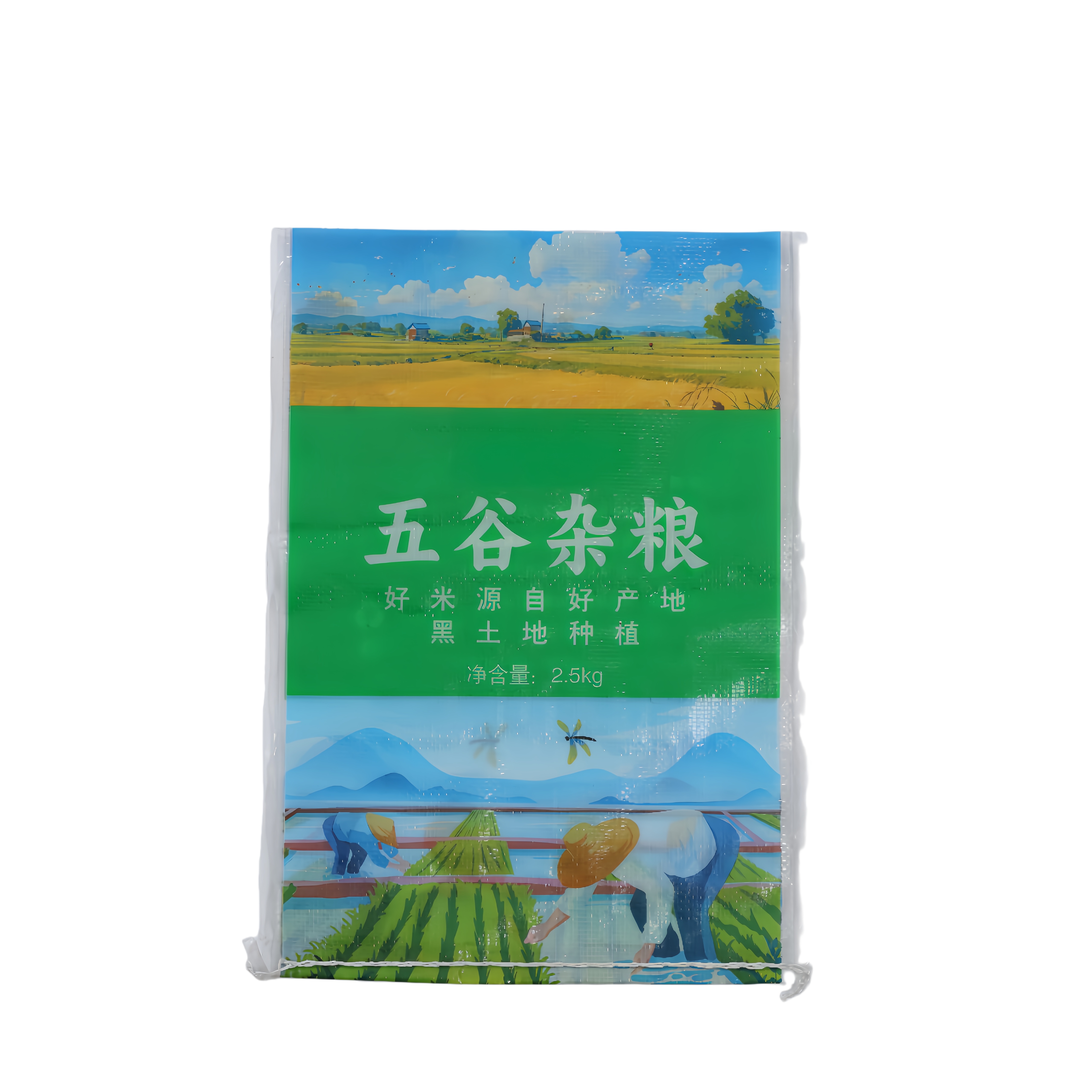
Film thickness standards for BOPP laminated bags represent a critical technical specification that directly impacts packaging performance, product protection, and cost efficiency across industries. Understanding these standards ensures that your packaging meets regulatory requirements, protects contents effectively, and maintains structural integrity throughout the supply chain. Whether you're managing food products, chemicals, fertilizers, or consumer goods, the thickness of your bopp woven bag material determines its barrier properties, tear resistance, and shelf appeal.
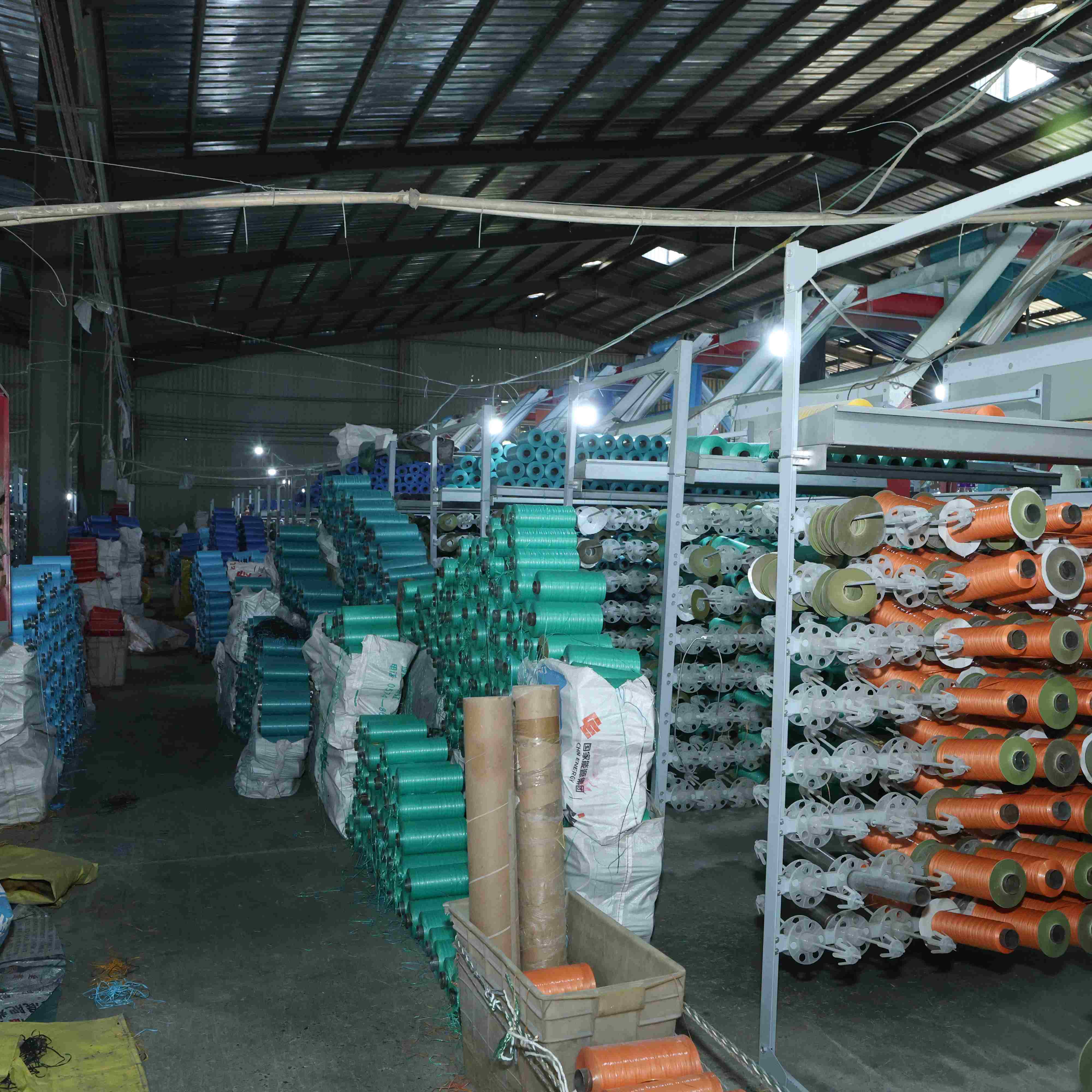
The film thickness of a laminated pp bag involves multiple layers, each contributing to overall performance characteristics. Standard specifications range from 50 to 150 microns for total thickness, depending on application requirements and environmental conditions. Selecting the appropriate thickness involves balancing protection needs against material costs, weight considerations, and sustainability goals. Industrial packaging professionals must understand how thickness correlates with puncture resistance, moisture barrier capability, and printability to make informed decisions that optimize value delivery.
Film thickness for bopp packaging is measured in microns, where one micron equals one-thousandth of a millimeter. Standard laminated pp bag specifications typically follow established ranges that correspond to specific end-use applications. Light-duty applications generally employ 50 to 75 microns, providing cost-effective packaging for dry goods and non-perishable items. Medium-duty specifications range from 75 to 100 microns, offering enhanced protection for products requiring barrier properties and longer shelf life. Heavy-duty bopp woven bag applications utilize 100 to 150 microns for maximum durability, puncture resistance, and extended protection in harsh handling environments.
Film thickness standards for printed woven bag materials must align with various regulatory frameworks and industry guidelines. The packaging industry adheres to ISO specifications that establish minimum and maximum thickness parameters based on intended use and regulatory approval status. International standards define how laminated pp bag thickness relates to food safety, chemical resistance, and consumer protection. Manufacturers must verify that their bopp packaging meets these established standards to ensure market compliance and customer acceptance. Testing protocols verify that thickness remains consistent across production batches, preventing quality variations that could compromise product integrity or regulatory standing.
The thickness of bopp laminated bags directly influences moisture barrier effectiveness and oxygen permeability rates. Thicker laminated pp bag structures provide superior protection against humidity, environmental moisture, and oxidative degradation, extending product shelf life significantly. Barrier performance improves proportionally with increased thickness, particularly when BOPP woven bag designs incorporate multiple laminated layers. Applications requiring extended protection periods, such as specialty chemicals or pharmaceutical products, demand thicker film specifications to maintain protective barriers throughout distribution and storage. Understanding this relationship helps packaging professionals specify appropriate thickness for products sensitive to moisture or oxidative environments.
Printed woven bag performance in handling and distribution depends significantly on film thickness and its relationship to puncture resistance and tear strength. Thicker bopp packaging materials withstand rough handling, abrasive surfaces, and sharp product edges more effectively than thinner alternatives. Increased thickness enhances tensile strength, enabling the bag to resist stress during filling, transportation, and storage without rupture. Industrial environments with harsh handling conditions require heavier thickness specifications to maintain structural integrity and prevent product loss. Testing standards measure tear propagation resistance, puncture resistance, and tensile properties to validate that laminated pp bag thickness meets application-specific performance requirements.
Food and beverage applications typically specify 70 to 100 micron laminated pp bag thickness to balance protection, printability, and cost considerations. Agricultural products, including fertilizers and seeds, often require 100 to 120 micron bopp woven bag materials due to handling intensity and extended outdoor exposure. Chemical and industrial applications demand 120 to 150 micron specifications for chemical resistance and puncture protection in demanding environments. Selecting appropriate bopp packaging thickness ensures that protection matches product requirements without excessive material costs or sustainability concerns. Professional packaging consultants evaluate product properties, distribution channels, and environmental conditions to recommend optimal thickness specifications.
Balancing thickness with cost efficiency requires understanding how printed woven bag specifications impact material consumption and production economics. Thicker laminated pp bag materials increase per-unit material costs but reduce product loss from damage, potentially improving overall value proposition. Volume optimization identifies thickness minimums that maintain adequate protection while reducing material usage and environmental impact. Sustainability considerations increasingly influence thickness selection, as reduced material consumption lowers packaging waste and carbon footprint. Advanced lamination techniques enable manufacturers to achieve superior performance at reduced thickness levels, allowing bopp packaging to deliver protection goals more efficiently.
Standard laminated pp bag thickness for food packaging typically ranges from 70 to 100 microns, providing adequate moisture barrier protection and mechanical strength for shelf-stable products. This thickness range balances regulatory compliance, product protection, and cost efficiency while maintaining excellent printability for brand graphics and product information. Specific applications may require thickness adjustments based on product moisture sensitivity and intended shelf life duration.
Increasing bopp woven bag thickness directly increases material consumption and production costs, as thicker films require more raw material per unit. However, thicker printed woven bag specifications may reduce product loss from damage, offsetting increased packaging costs through improved protection. The optimal thickness balances protection needs against material costs, ensuring cost-per-protected-unit achieves best value rather than simply minimizing thickness.
Yes, bopp packaging thickness can be customized to match specific application requirements, environmental conditions, and performance targets. Manufacturers work with customers to determine appropriate laminated pp bag thickness based on product properties, distribution methods, and storage conditions. Custom specifications ensure that bopp laminated bags deliver optimal protection and performance for unique application scenarios while maintaining regulatory compliance and market competitiveness.

Discover the 4 critical production metrics—throughput, defect rate, equipment uptime & on-time delivery—to vet factories confidently.

Ensure regulatory compliance & worker safety with proven methods for chemical woven bags—material selection, labeling, storage & training.

Discover the full PP woven bag manufacturing workflow—from extrusion & weaving to printing & QC. Boost efficiency, compliance & ROI. Download the process guide now.

Struggling with weak bags or high material waste? Master extrusion and tape drawing tech for stronger, cheaper PP woven bags. Optimize your production line now.

Struggling with defects or customer returns? Discover the 5 non-negotiable quality checkpoints across your woven bag production line
Which automation tier is right for your PP woven bag factory? Compare manual to Industry 4.0 systems for cost, quality, and scalability.
Get in touch for details on polypropylene woven bags and flexible packaging solutions.
Tel
Address
No.2015, Liaoyuan Building, Lanshan District, Linyi City, Shandong Province.China

