 EN
How to Assess Production Efficiency at a PP Woven Bag Factory
Discover the 4 critical production metrics—throughput, defect rate, equipment uptime & on-time delivery—to vet factories confidently.

2026/09/04
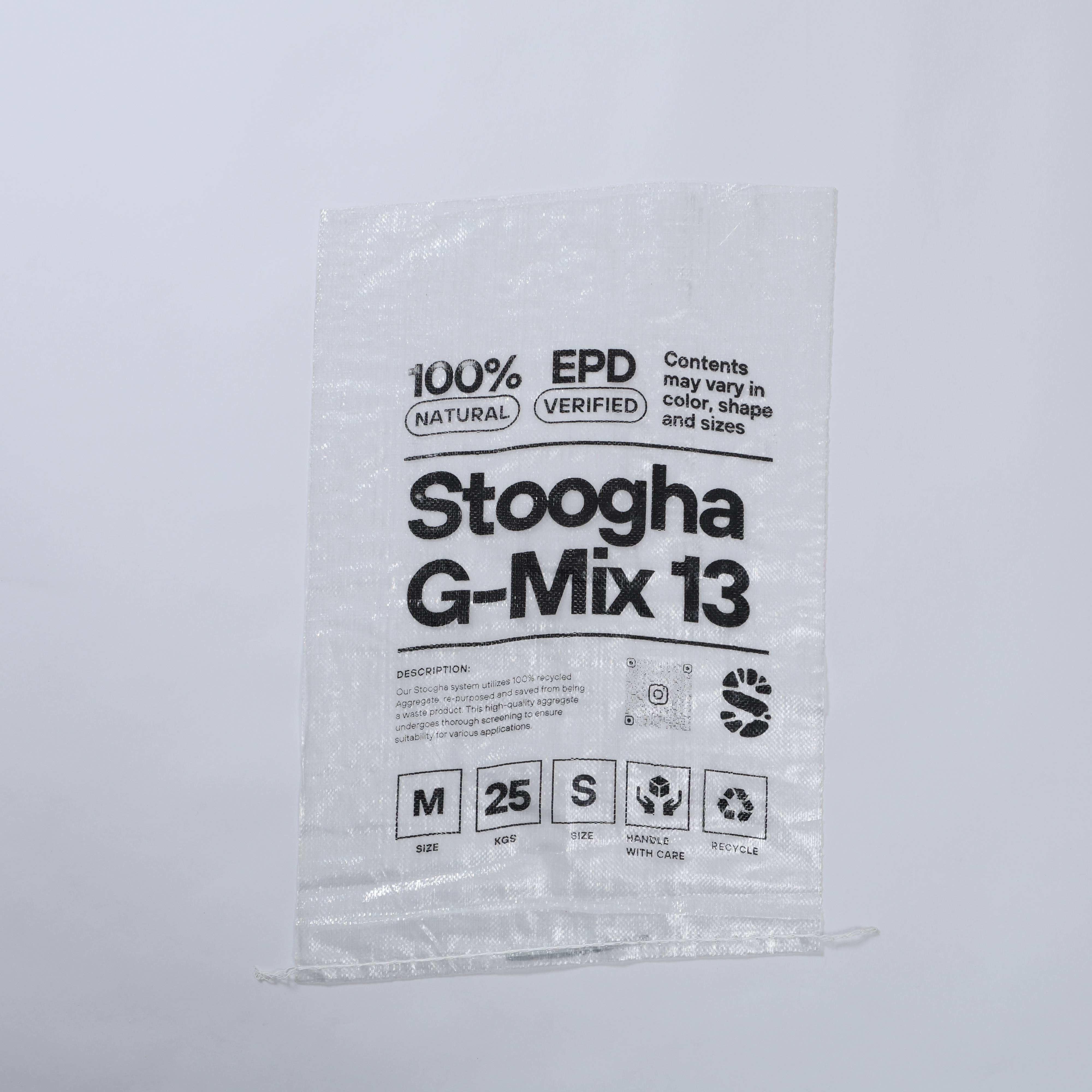
Understanding food contact safety standards for sugar bags is essential for manufacturers, distributors, and retailers who handle bulk sugar products. Sugar bags, whether made from polypropylene or natural fibers, must meet strict regulatory requirements to ensure that the packaged product remains safe for human consumption. The standards governing these containers protect consumers from contamination, degradation, and chemical transfer while maintaining product integrity throughout storage and transportation. Compliance with food contact regulations is not merely a legal obligation but a fundamental business practice that builds consumer trust and prevents costly recalls.
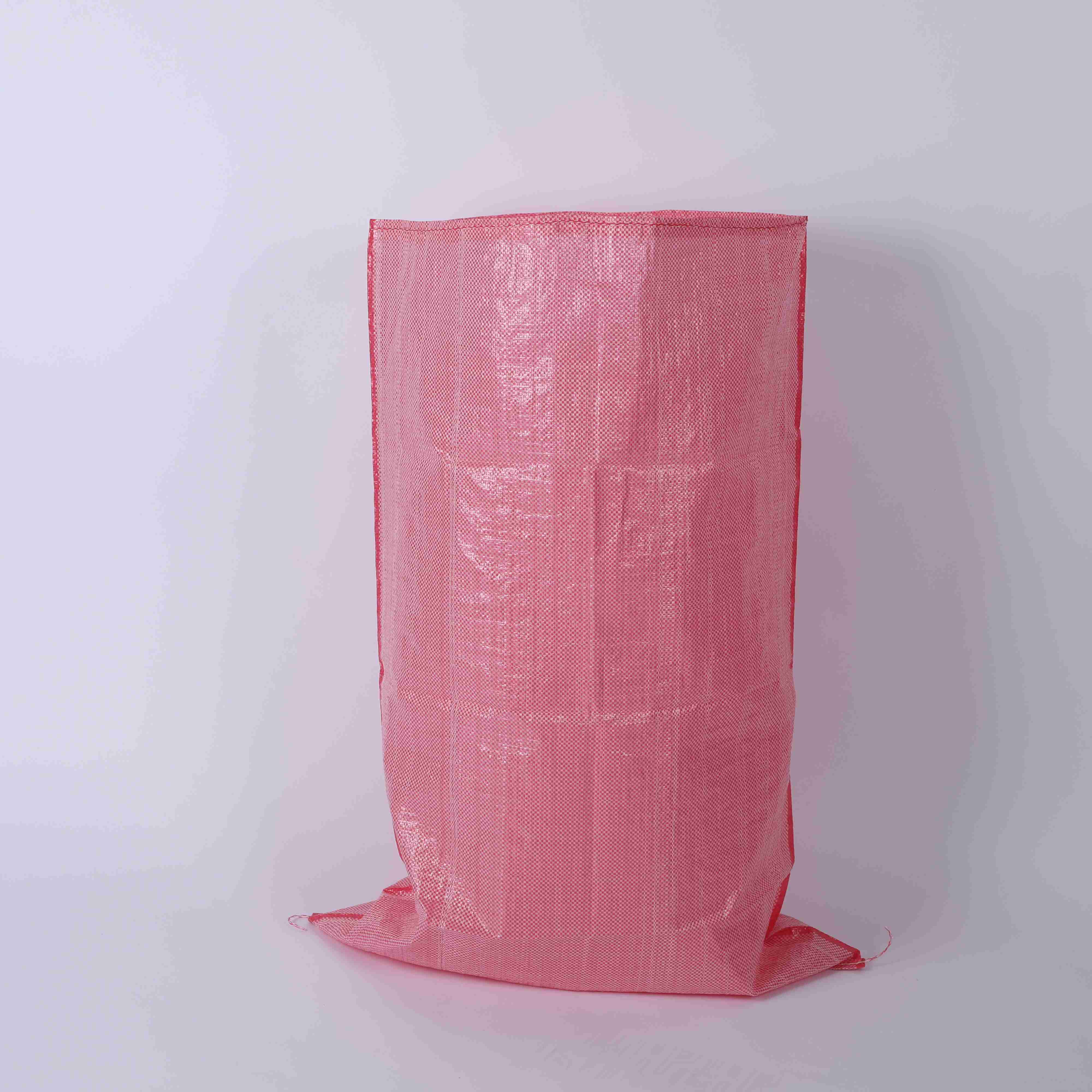
The regulatory landscape for sugar packaging bag standards varies by region but shares common objectives: preventing physical, chemical, and biological contamination. Food grade packaging bag materials must undergo rigorous testing to confirm they do not leach harmful substances into the sugar during storage or under temperature variations. Modern food contact safety standards establish migration limits, shelf-life requirements, and material composition rules that ensure long-term product safety. Understanding these standards helps procurement teams select appropriate suppliers and production partners who deliver compliant solutions.
Sugar packaging bag regulations are enforced by multiple agencies depending on market jurisdiction. In North America, the Food and Drug Administration (FDA) oversees food contact substances and establishes Code of Federal Regulations Part 21 guidelines. The European Union maintains strict regulations under Commission Regulation (EC) No 1935/2004, which mandates that all food grade packaging bag materials must not transfer constituents to food in quantities that could endanger human health. These frameworks establish maximum migration limits and require documented compliance testing, ensuring that pp sugar sack manufacturers follow rigorous protocols.
Food contact safety standards also encompass the assessment of intentional additives within plastic films and coatings used in sugar woven bag production. Manufacturers must provide declaration documents proving that all components used in pp sugar sack formulations are approved for food contact applications. Testing laboratories conduct specific migration testing, overall migration testing, and volatile organic compound analysis to validate that sugar packaging bag materials remain inert under real-world storage conditions.
The composition of sugar bags directly influences their safety profile and compliance status. Food grade packaging bag materials typically include virgin polypropylene resins that have been specifically designated for food contact use and cleared by regulatory bodies. Manufacturers of pp sugar sack products must document the origin of all raw materials, including resin suppliers and additive sources, to maintain traceability throughout the supply chain.
Migration testing remains the cornerstone of validating sugar packaging bag safety. Manufacturers conduct specific migration testing using food simulants that represent different storage scenarios, such as dry conditions and exposure to oils or acidic substances. Overall migration tests measure the total amount of non-volatile substances that transfer from the packaging material to the food simulant under worst-case conditions.
Selecting compliant suppliers for sugar packaging bags requires a systematic evaluation process that prioritizes food contact safety standards. Organizations should request certificates of compliance, test reports, and material safety data sheets from pp sugar sack manufacturers before establishing partnerships. Suppliers of sugar woven bag products should provide evidence of third-party testing conducted by accredited laboratories, along with documentation proving that their manufacturing facilities follow FSSC 22000 or similar food safety certifications. This due diligence protects purchasers from regulatory exposure and ensures that food grade packaging bag products meet all applicable requirements in target markets.
Documentation and traceability systems form the foundation of sugar bags compliance programs. Organizations should maintain records of supplier certifications, batch-specific test reports, and correspondence demonstrating compliance verification. When sourcing pp sugar sack products, procurement teams should establish agreements requiring suppliers to notify purchasers of any regulatory changes or test result modifications. Sugar packaging bag contracts should include provisions requiring suppliers to indemnify purchasers against food contact safety violations. Food grade packaging bag suppliers should provide lot-specific documentation enabling full traceability back to raw material origins.
Implementing ongoing quality assurance systems ensures that sugar bags remain compliant throughout their shelf life and use cycle. Receiving inspections should verify that packaging materials bear identifying codes, lot numbers, and supplier information consistent with documentation provided. Organizations should conduct periodic verification testing on sugar packaging bag batches, particularly when sourcing from new suppliers or when product formulations change. Monitoring pp sugar sack storage conditions ensures that exposure to temperature extremes, humidity fluctuations, or chemical environments does not compromise the integrity of food grade packaging bag materials.
Traceability systems should track sugar woven bag batches from receipt through final product storage and distribution. When non-compliance is discovered in sugar bags or other food contact materials, organizations must implement rapid identification and isolation protocols to prevent contaminated products from reaching consumers. Documented procedures should define how to investigate root causes, notify affected parties, and execute corrective actions. Regular training for personnel handling sugar packaging bag materials ensures that staff understand the importance of maintaining food contact safety standards and can recognize potential contamination risks. This proactive approach demonstrates commitment to food safety and protects brand reputation.
Global trade in sugar and related products has driven efforts toward harmonizing food contact safety standards for sugar bags across multiple jurisdictions. Organizations like the International Organization for Standardization develop testing methodologies that enable consistent evaluation of pp sugar sack materials regardless of manufacture location. The Plastics Industry Association and similar bodies publish guidelines helping manufacturers understand migration testing requirements and acceptable material formulations.
Regulatory bodies continually update food contact regulations based on emerging scientific evidence and technological advances in sugar woven bag manufacturing. Manufacturers of pp sugar sack products subscribe to regulatory update services ensuring they remain informed about changes affecting formulation requirements or testing protocols. Sugar bags specifications may need adjustment when authorities restrict previously approved additives or establish new migration limits. Food grade packaging bag suppliers who maintain proactive monitoring systems avoid compliance disruptions and maintain customer confidence.
Balancing food contact safety standards with sustainability objectives requires thoughtful design and material selection for sugar bags. Manufacturers developing pp sugar sack products increasingly explore bio-based additives and alternative resin sources that maintain compliance while reducing environmental impact. Sugar woven bag innovations focus on creating products that meet food grade packaging bag requirements while using recycled content or compostable materials. However, any material substitution requires comprehensive migration testing to confirm that food contact safety standards remain satisfied.
Future-proofing sugar bags compliance programs involves staying informed about anticipated regulatory changes and emerging technologies. Manufacturers monitoring food contact safety standards can anticipate restrictions on certain additives or formulation approaches, allowing time to develop compliant alternatives. Investing in research and development enables pp sugar sack producers to innovate ahead of regulatory requirements, maintaining competitive advantage while ensuring that sugar woven bag products exceed minimum standards.
Sugar bags must comply with food contact safety standards enforced by regulatory agencies such as the FDA in North America and the European Food Safety Authority in Europe. These regulations establish migration limits, material composition requirements, and testing protocols that ensure sugar packaging bags do not transfer harmful substances to food products.
Food grade packaging bag materials undergo migration testing using food simulants that represent various storage conditions. Specific migration tests measure transfer of individual substances, while overall migration tests quantify total non-volatile compound transfer under worst-case scenarios. Sugar bags and other food contact packaging undergo testing by accredited laboratories following standardized protocols. Manufacturers of sugar woven bag and pp sugar sack products must maintain test reports documenting that their products meet established migration limits and do not pose food safety risks.
Suppliers of sugar bags should provide certificates of compliance, batch-specific migration test reports, material safety data sheets, and proof of third-party testing by accredited laboratories. Documentation should trace raw material origins and confirm that all components used in pp sugar sack formulation are approved for food contact.

Discover the 4 critical production metrics—throughput, defect rate, equipment uptime & on-time delivery—to vet factories confidently.

Ensure regulatory compliance & worker safety with proven methods for chemical woven bags—material selection, labeling, storage & training.

Discover the full PP woven bag manufacturing workflow—from extrusion & weaving to printing & QC. Boost efficiency, compliance & ROI. Download the process guide now.

Struggling with weak bags or high material waste? Master extrusion and tape drawing tech for stronger, cheaper PP woven bags. Optimize your production line now.

Struggling with defects or customer returns? Discover the 5 non-negotiable quality checkpoints across your woven bag production line
Which automation tier is right for your PP woven bag factory? Compare manual to Industry 4.0 systems for cost, quality, and scalability.
Get in touch for details on polypropylene woven bags and flexible packaging solutions.
Tel
Address
No.2015, Liaoyuan Building, Lanshan District, Linyi City, Shandong Province.China

