 EN
How to Assess Production Efficiency at a PP Woven Bag Factory
Discover the 4 critical production metrics—throughput, defect rate, equipment uptime & on-time delivery—to vet factories confidently.

2026/08/14
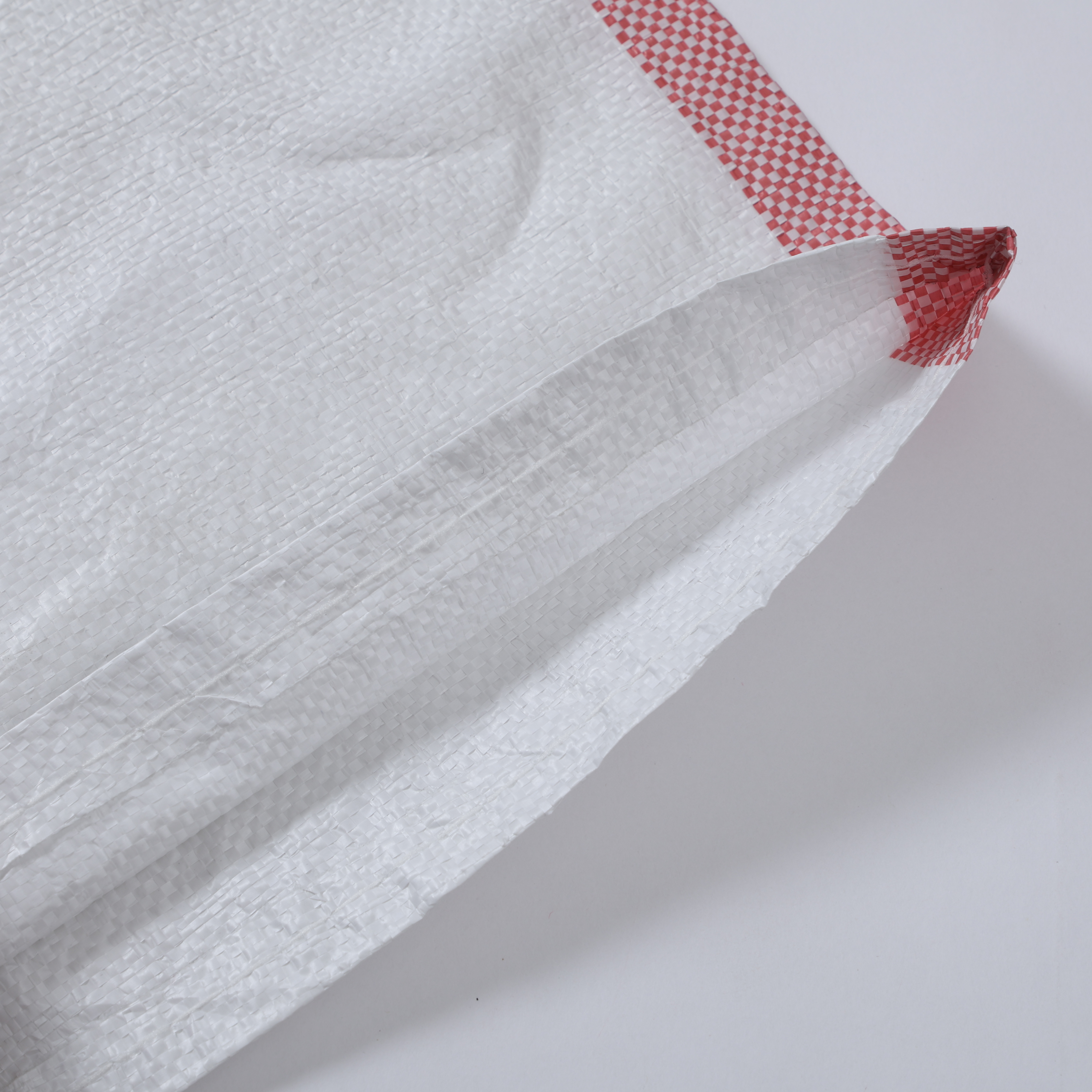
Food safety regulations govern every aspect of salt storage and distribution, making compliance with food grade standards non-negotiable for producers and distributors. Understanding the specific requirements for salt bags ensures your products meet regulatory expectations while protecting consumer health and maintaining market access.
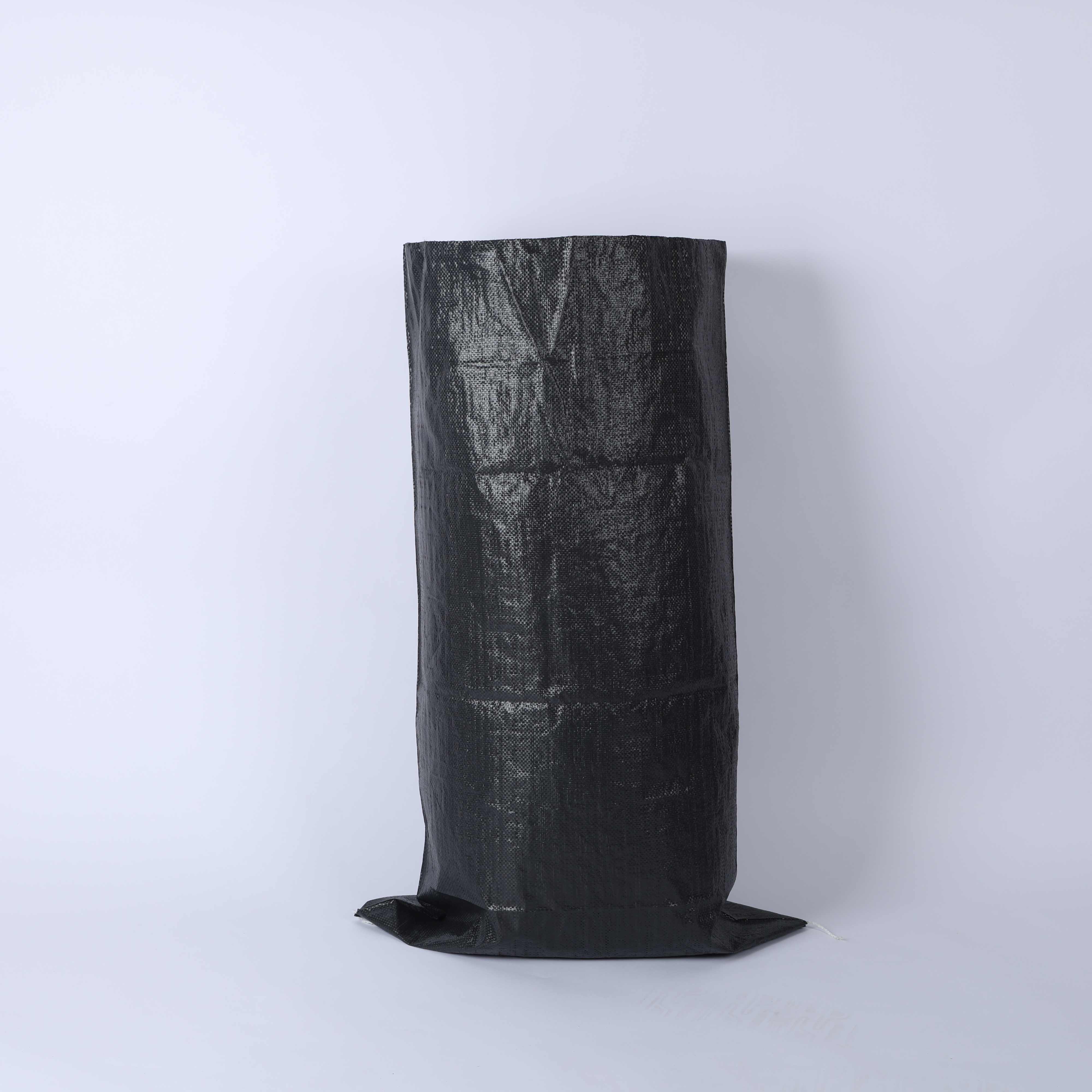
Compliance frameworks for salt packaging vary across regions, but core principles remain consistent. Food grade woven bag materials must resist moisture, prevent contamination, and maintain structural integrity throughout storage and transport. A food grade woven bag designed for salt applications requires careful attention to material composition, construction standards, and regulatory certifications that validate safe contact with food products.
Salt packaging bags must be manufactured from virgin or FDA-approved recycled materials that do not transfer harmful substances to the product. Food grade standards prohibit the use of dyes, inks, or adhesives that could migrate into salt during storage or handling. A pp salt sack meets these requirements when produced from polypropylene meeting FDA CFR Title 21 regulations, ensuring no chemical leaching occurs over the product's shelf life.
The manufacturing process itself requires strict controls. Food grade woven bag producers must implement quality assurance protocols that verify material purity at every production stage. Direct contact between salt and bag materials demands careful verification that printing inks, lamination coatings, and binding agents all comply with food safety specifications. Temperature resistance and UV stability also matter, as salt may be stored in varied conditions before reaching end consumers.
Food grade compliance requires documented proof of regulatory approval. Certificates from recognized authorities validate that salt bags meet established food contact standards. A salt woven bag should include third-party testing documentation confirming compliance with regulations in target markets, whether FDA standards, EU directives, or country-specific food packaging laws.
Manufacturers must maintain traceability records demonstrating that raw materials, production processes, and finished products meet all applicable food grade requirements. Salt packaging bag suppliers should provide these certifications to distributors and retailers, creating an audit trail that protects all parties in the supply chain. Without proper documentation, products face regulatory rejection and potential recall.
Food grade woven bag testing encompasses multiple dimensions: migration testing confirms no harmful substances transfer to salt, physical property testing validates structural strength, and microbial testing ensures the packaging environment remains sanitary. Salt bags undergo accelerated storage tests simulating real-world conditions, including exposure to moisture and temperature fluctuations that occur during transport and warehousing.
Manufacturers must conduct periodic testing to maintain compliance certification. A pp salt sack requires validation that seams remain intact under normal handling, moisture barriers function properly, and printed surfaces do not contaminate product contact areas. These tests establish confidence that salt reaches consumers safely and maintains quality standards from factory to store shelf.
Compliant salt bags must include clear labeling identifying the product, ingredient list, net weight, and manufacturer information. Food grade packaging standards require legible warnings about moisture exposure and storage conditions that preserve product quality. A food grade woven bag used for salt must display any allergen information relevant to processing facilities and transportation routes.
Labeling must also reference the packaging material's food contact status, reassuring consumers of safety compliance. Salt packaging bag labels should indicate country of origin and batch codes enabling traceability if safety issues emerge. Compliance extends beyond material safety to include honest, accurate product information that supports informed consumer choices.
Selecting compliant salt woven bag suppliers requires verification of certifications and manufacturing standards before partnering. Food distributors must audit supplier facilities to confirm proper material handling, quality control systems, and regulatory compliance documentation. A pp salt sack supplier should demonstrate comprehensive quality management systems that prevent contamination and ensure consistent food grade performance across all production batches.
Contracts with salt bag suppliers should include compliance clauses requiring certification updates, recall procedures, and customer notification protocols if issues arise. Distributors bear responsibility for ensuring their salt packaging bag sources maintain ongoing compliance, making supplier oversight a critical business function that protects consumer safety and brand reputation.
Different regions enforce varying food grade standards requiring adaptation of salt bags for specific markets. European Union regulations impose stricter migration limits than some other markets, while certain Asian countries maintain unique testing requirements. Food grade woven bag manufacturers serving multiple markets must maintain separate production runs or flexible manufacturing processes accommodating diverse compliance frameworks.
Understanding destination market requirements before production begins prevents costly delays and compliance failures. Salt packaging bag specifications should document applicable standards, approved materials, labeling requirements, and testing protocols specific to each export destination. This market-aware approach ensures salt bags meet buyer expectations while maintaining regulatory standing across all sales channels.
Food grade classification means the salt woven bag material has been tested and approved for direct contact with food products, confirmed to not transfer harmful chemicals or contaminants into salt. This requires materials meeting FDA or equivalent regulatory standards, documented through third-party testing and manufacturer certifications. A food grade woven bag used for salt provides documented proof of safety compliance.
Manufacturers should conduct compliance testing each time raw materials change, production processes are modified, or certification periods expire. Ongoing quality assurance ensures pp salt sack batches consistently meet food grade standards throughout the production year. Many food regulatory frameworks require annual re-certification or testing intervals defined by the relevant authority.
Yes, recycled materials can be used in salt packaging bag production if they are FDA-approved for food contact and undergo rigorous verification that previous use did not contaminate them. Food grade recycled content must come from certified post-consumer or post-industrial sources meeting specific cleanliness and contamination standards. Manufacturers must document the source and testing of recycled materials to maintain compliance certification.

Discover the 4 critical production metrics—throughput, defect rate, equipment uptime & on-time delivery—to vet factories confidently.

Ensure regulatory compliance & worker safety with proven methods for chemical woven bags—material selection, labeling, storage & training.

Discover the full PP woven bag manufacturing workflow—from extrusion & weaving to printing & QC. Boost efficiency, compliance & ROI. Download the process guide now.

Struggling with weak bags or high material waste? Master extrusion and tape drawing tech for stronger, cheaper PP woven bags. Optimize your production line now.

Struggling with defects or customer returns? Discover the 5 non-negotiable quality checkpoints across your woven bag production line
Which automation tier is right for your PP woven bag factory? Compare manual to Industry 4.0 systems for cost, quality, and scalability.
Get in touch for details on polypropylene woven bags and flexible packaging solutions.
Tel
Address
No.2015, Liaoyuan Building, Lanshan District, Linyi City, Shandong Province.China

