 EN
How to Assess Production Efficiency at a PP Woven Bag Factory
Discover the 4 critical production metrics—throughput, defect rate, equipment uptime & on-time delivery—to vet factories confidently.

2026/08/11
Food grade standards represent a critical regulatory framework that governs how grain is safely packaged, transported, and stored across global supply chains. When selecting packaging materials for rice and other grains, understanding these standards is essential for maintaining product integrity, ensuring consumer safety, and meeting legal compliance requirements. A rice bag must adhere to stringent food safety protocols that verify material composition, chemical resistance, and the absence of harmful contaminants that could migrate into the grain itself.
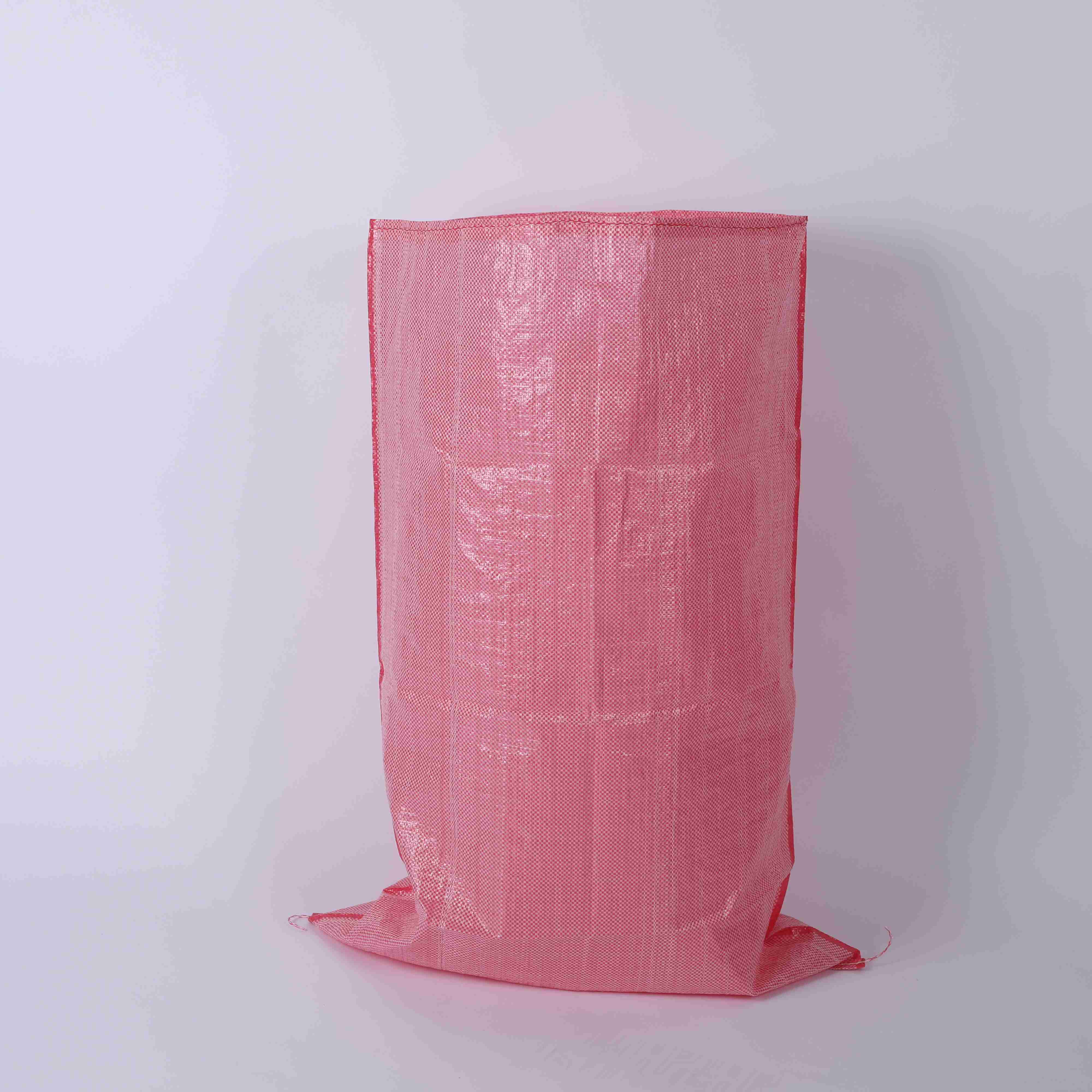
The complexity of food grade standards extends beyond simple material selection. Manufacturers of rice woven bags, pp rice sacks, and grain storage bags must document their production processes, source verification, and quality control measures to demonstrate compliance. These standards protect the entire value chain, from farmers to end consumers, by establishing transparent criteria that manufacturers and buyers can reference with confidence.
Food grade standards mandate that a rice packaging bag be manufactured from materials that have been tested for direct or indirect contact with foodstuffs. Polypropylene, the primary material in modern pp rice sacks and grain storage bags, must meet specific purity levels and undergo rigorous testing to confirm the absence of harmful additives, colorants, or plasticizers that could leach into rice during storage or transport. Third-party laboratories conduct migration testing to verify that no substance exceeds regulatory limits when the packaging contacts food under normal use conditions.
The certification process for rice woven bags involves analyzing raw material sources, inspecting production equipment for contamination risks, and verifying that manufacturing facilities maintain clean-room protocols. Regulatory bodies in different regions—such as the FDA in the United States, the European Commission in the EU, or national food authorities in Asia—establish specific migration limits for potential contaminants. A compliant grain storage bag demonstrates traceability from raw material supplier through final production, allowing importers and distributors to verify that every component meets food contact standards.
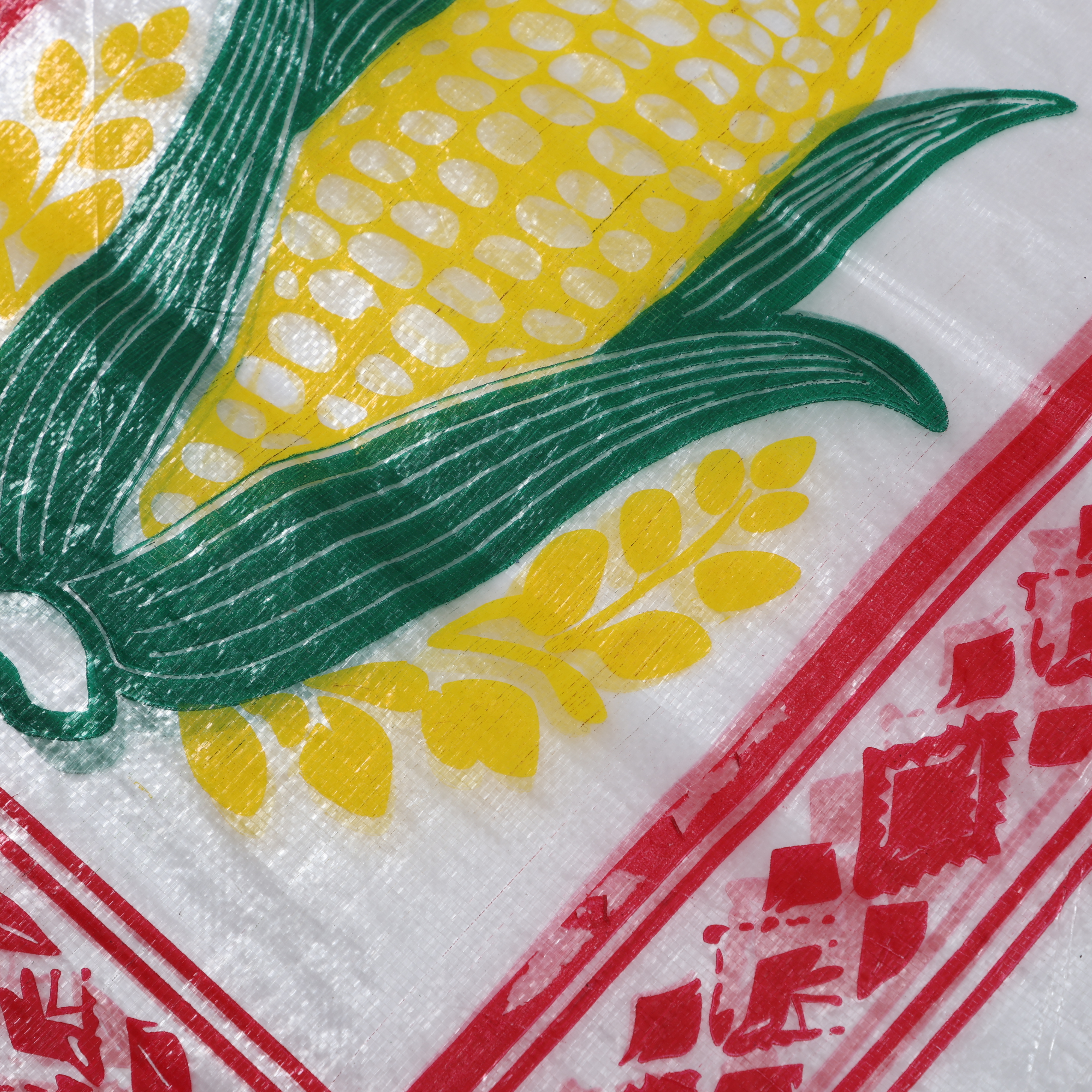
Printing and branding on rice bags present unique food grade challenges because inks must not transfer to the grain during storage. Food grade standards require that all inks, adhesives, and decorative elements applied to a rice packaging bag undergo the same migration testing as the base material. Manufacturers of pp rice sacks employ specialized non-toxic inks formulated specifically for food-contact applications, ensuring that printed branding, nutritional information, and handling instructions remain visible without compromising product safety. The ink layer typically sits on the exterior surface and is physically separated from grain contact by the fabric structure, but compliance testing accounts for potential edge-contact scenarios and ensures worst-case migration remains below regulatory thresholds.
While food grade standards share common principles globally, regulatory specifics vary by region, creating complexity for manufacturers of grain storage bags serving international markets. The FDA establishes regulations under Title 21 CFR Part 177 for plastics intended for food contact, while the European Regulation EC 1935/2004 and its implementing regulations set requirements for rice woven bags and other food contact materials sold in EU markets. Asian markets, particularly in rice-producing nations, increasingly align with international standards but may maintain region-specific requirements that affect how rice packaging bags are formulated and tested.
Manufacturers achieving compliance across multiple markets typically certify their pp rice sacks and grain storage bags against the most stringent applicable standard in their target regions, ensuring that a single production line meets diverse regulatory requirements. Certification bodies provide documentation—such as declarations of compliance, test reports, and material safety data sheets—that allow buyers to verify that rice bags meet food grade standards relevant to their destination markets. This multi-standard approach reduces complexity in supply chain management and allows distributors to source grain storage bags with confidence in their regulatory status regardless of final end-use location.
Food grade compliance for a rice packaging bag requires comprehensive testing documentation that demonstrates adherence to established standards. Migration testing typically measures both overall and specific migration—overall migration quantifies the total mass of substances that could transfer from the packaging to a food simulant under worst-case conditions, while specific migration targets known harmful substances such as heavy metals, volatile compounds, or particular additives. A compliant rice woven bag includes documentation proving that overall migration remains below regulatory limits, commonly 10 mg per square decimeter for EU standards or equivalent thresholds in other jurisdictions.
Manufacturers maintain batch records and traceability documentation for every production run of pp rice sacks and grain storage bags, allowing rapid identification and recalls if issues emerge. Independent accredited laboratories conduct periodic testing and surveillance to verify continuing compliance, and certificates of analysis accompany bulk shipments of rice bags to confirm that specific batches meet all food grade requirements. This documentation chain proves essential during regulatory audits, customer inspections, and import/export procedures across different countries.
Buyers selecting rice packaging bags for commercial grain operations should verify food grade compliance by requesting certification documents, test reports, and material declarations from suppliers. A credible manufacturer of rice woven bags and pp rice sacks provides detailed specifications confirming that their grain storage bags meet relevant food grade standards for the intended destination market. Procurement teams should confirm that suppliers maintain ISO 9001 or equivalent quality management certifications, conduct regular third-party audits, and demonstrate traceability systems that track material sourcing and production batches.
The compliance status of a rice bag directly affects regulatory approval for grain exports, import clearance in strict food safety jurisdictions, and liability protection if contamination issues emerge. Buyers in EU countries, North America, and increasingly in Asian markets require explicit confirmation that rice packaging bags meet specified food grade standards before authorizing purchase orders. Selecting compliant grain storage bags eliminates costly delays at borders, prevents product rejections, and protects brand reputation by guaranteeing that packaged rice meets consumer safety expectations.
Even food grade compliant rice woven bags require proper handling to maintain their protective function. Grain storage bags should be stored in clean, dry conditions away from direct sunlight, high heat, or chemical vapors that could degrade packaging materials or promote unwanted reactions. A properly maintained rice packaging bag preserves its integrity throughout the supply chain, ensuring that the food grade properties certified during manufacturing continue to protect the grain contents until final consumption. Warehousing facilities should implement segregation protocols to prevent rice bags from contact with non-food materials, chemicals, or contamination sources that could compromise the food grade status or raise health concerns for end consumers.
A food grade rice bag meets established regulatory standards by using materials and production processes verified to prevent harmful substances from migrating into food. The pp rice sack undergoes migration testing, maintains material traceability, employs food-safe inks, and includes comprehensive documentation demonstrating compliance with FDA, EC, or equivalent food contact regulations. Manufacturers of grain storage bags conduct third-party testing and maintain records proving that their rice woven bags and packaging solutions meet all applicable food safety requirements for their target markets.
Food grade standards vary by jurisdiction—the FDA regulates rice bags in the United States, the European Commission sets requirements for EU-distributed grain storage bags, and individual countries in Asia maintain their own standards. Overall migration limits, specific substance restrictions, and testing methodologies differ across regions, requiring manufacturers of rice packaging bags and pp rice sacks to adapt production or seek multi-regional certification. Most large suppliers of rice woven bags certify to the most stringent standards to simplify compliance across multiple markets and ensure their grain storage bags meet requirements globally.
Food grade certification for rice bags ensures regulatory compliance, prevents product rejections at borders, and protects buyer confidence in food safety standards. Exporters shipping rice in compliant rice packaging bags and grain storage bags avoid costly delays, liability issues, and damage to market reputation. Certification documentation for rice woven bags and pp rice sacks simplifies international trade, allows buyers in strict food safety jurisdictions to approve shipments, and demonstrates that the rice bag manufacturer maintains professional quality standards throughout production.

Discover the 4 critical production metrics—throughput, defect rate, equipment uptime & on-time delivery—to vet factories confidently.

Ensure regulatory compliance & worker safety with proven methods for chemical woven bags—material selection, labeling, storage & training.

Discover the full PP woven bag manufacturing workflow—from extrusion & weaving to printing & QC. Boost efficiency, compliance & ROI. Download the process guide now.

Struggling with weak bags or high material waste? Master extrusion and tape drawing tech for stronger, cheaper PP woven bags. Optimize your production line now.

Struggling with defects or customer returns? Discover the 5 non-negotiable quality checkpoints across your woven bag production line
Which automation tier is right for your PP woven bag factory? Compare manual to Industry 4.0 systems for cost, quality, and scalability.
Get in touch for details on polypropylene woven bags and flexible packaging solutions.
Tel
Address
No.2015, Liaoyuan Building, Lanshan District, Linyi City, Shandong Province.China

