 EN
How to Assess Production Efficiency at a PP Woven Bag Factory
Discover the 4 critical production metrics—throughput, defect rate, equipment uptime & on-time delivery—to vet factories confidently.

2026/08/20
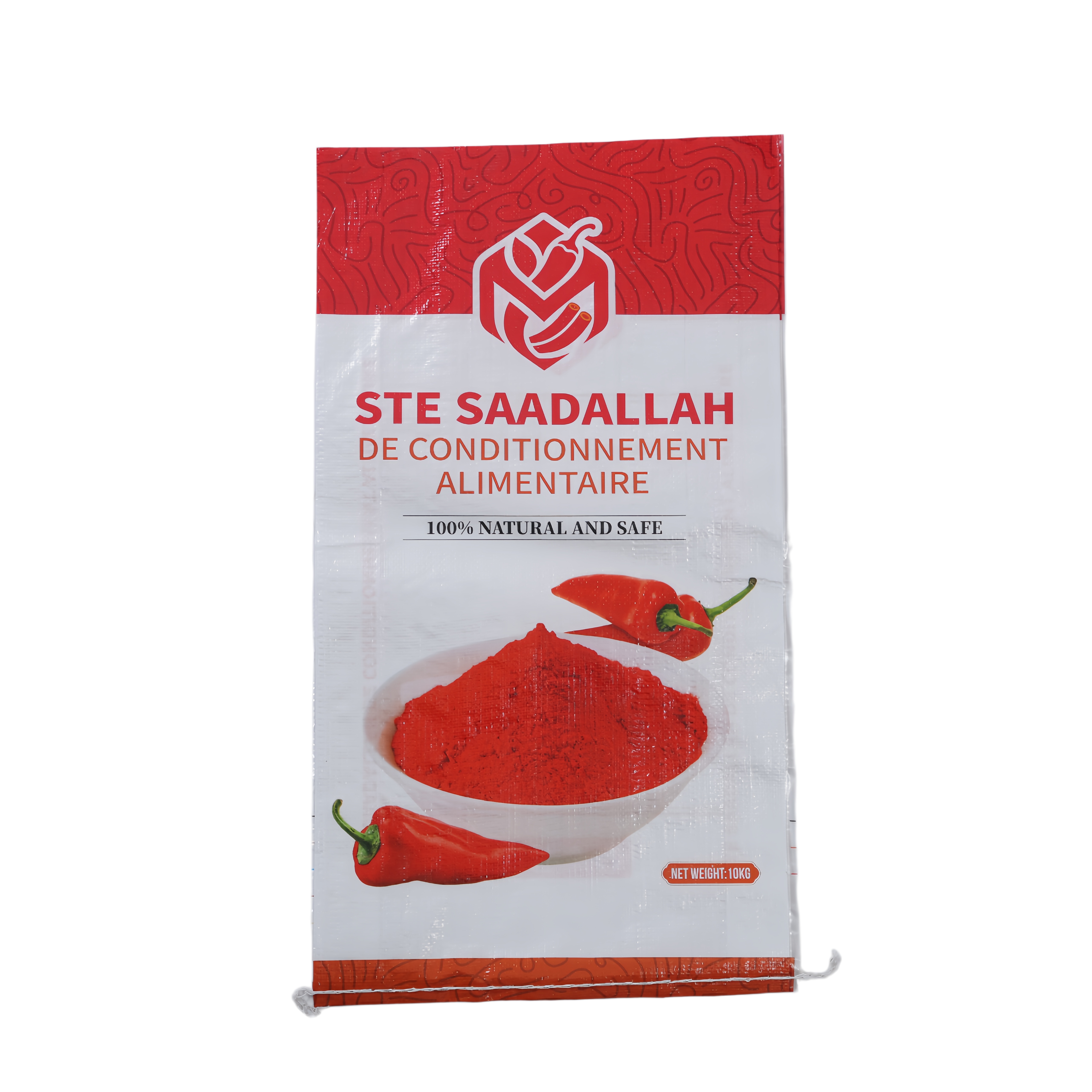
Heat bonding represents one of the most critical processes in modern bag manufacturing, directly determining the durability and performance of laminated woven bags. This thermal adhesion technique bonds multiple layers of polypropylene fabric and coating materials together, creating a unified structure that resists moisture, puncture, and environmental stress. Understanding how heat bonding works helps manufacturers and procurement professionals select the right materials for demanding applications.
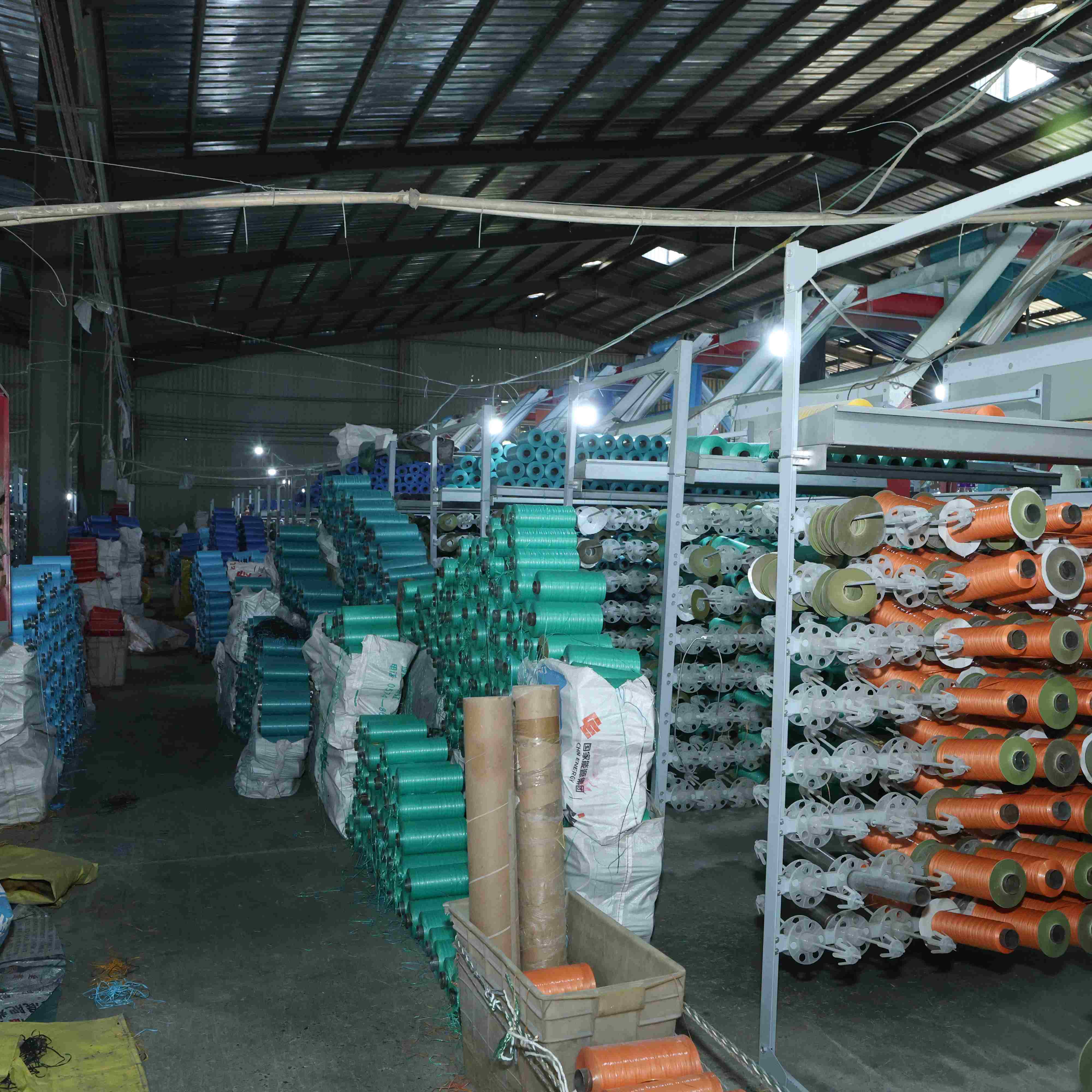
The laminated pp sack and coated woven bag markets have grown substantially because heat bonding enables reliable layer adhesion at production scale. When polypropylene woven base fabric meets polymer coating materials, controlled heat and pressure fuse these layers into a single, cohesive unit. This bonding process directly influences the bag's ability to protect contents from moisture, dust, and contamination during storage and transport.
Heat bonding is a thermal fusion process that joins two or more layers of material using controlled temperature, pressure, and contact time. In laminated woven bags production, this technique bonds the polypropylene woven substrate to a polyethylene or polypropylene coating layer, creating a waterproof woven bag with superior structural integrity. The heat causes the polymer molecules at the interface to intermingle and solidify, forming a mechanical and chemical bond that withstands mechanical stress and environmental conditions.
The bonding temperature typically ranges from 90 to 130 degrees Celsius, depending on the polymer blend and coating type used in the laminated packaging bag. Too low a temperature results in incomplete fusion and weak bonding, while excessive heat can degrade the material or create uneven sealing. Precision control during this stage directly affects the final product's tensile strength, tear resistance, and barrier properties.
Heat bonding determines whether a laminated pp sack will maintain its integrity under real-world conditions. Poor bonding creates weak points where layers can separate, allowing moisture penetration and material degradation. Effective heat bonding ensures uniform adhesion across the entire bag surface, eliminating delamination risk and extending product shelf life in storage and transit environments.
Industry applications demand consistent performance across millions of bags produced. Chemical manufacturers, agricultural input suppliers, and food producers rely on waterproof woven bags to protect contents from humidity, temperature fluctuations, and physical handling.
The calendar roll process represents the most common industrial method for creating laminated packaging bags at high volumes. Two heated metal rollers press the woven substrate and coating materials together while applying simultaneous heat and pressure. As the material passes through the nip point between rollers, the polymer layers undergo thermal fusion, creating a continuous bond along the entire width of the material.
This method enables precise control over bonding temperature, roller pressure, and line speed, making it ideal for producing consistent laminated pp sack batches. The heated rollers maintain steady temperature throughout production cycles, reducing batch-to-batch variation and ensuring uniform waterproof woven bag properties.
Heat transfer lamination uses heated air or radiant energy to activate adhesive layers pre-applied to the woven substrate or coating material. This method offers flexibility in material combinations and can accommodate delicate or heat-sensitive components. The adhesive itself bonds the layers when heat activates its polymeric chains, creating a durable coated woven bag without direct contact between rollers and the outer coating surface.
Adhesive-based systems work particularly well for specialty applications where material thickness or composition requires gentler handling. The laminated woven bags produced through this method exhibit excellent layer adhesion while maintaining the integrity of printed graphics or specialized coatings.
Maintaining precise temperature is fundamental to successful heat bonding in laminated packaging bag production. Different polypropylene formulations and coating polymers respond to heat at specific temperature windows, and staying within these parameters ensures predictable fusion without material degradation. Modern laminated pp sack production facilities employ infrared sensors and digital thermostats to monitor roller temperatures within ±2 degrees Celsius tolerance.
Material composition directly influences optimal bonding temperature. A virgin polypropylene woven fabric typically requires different thermal settings than recycled or virgin blends, and coating polymers vary by supplier and formulation. Quality assurance teams establish material-specific bonding profiles and monitor temperature consistency throughout production runs to ensure every waterproof woven bag meets performance specifications.
Pressure applied during heat bonding directly affects the contact area between layers and the degree of polymer intermixing at the interface. Typical pressure ranges from 50 to 200 pounds per linear inch, depending on material thickness and desired bond strength. Insufficient pressure leaves air gaps between layers, weakening the bond and allowing moisture penetration through the coated woven bag structure. Excessive pressure can cause material deformation or wrinkles in the finished laminated woven bags.
Optimization requires balancing pressure with production speed and material handling. Faster line speeds may demand higher pressure to achieve adequate bonding in the limited contact time available. Testing procedures evaluate tear strength, peel strength, and moisture barrier performance to validate that pressure settings produce laminated packaging bags meeting customer specifications and regulatory requirements for food-grade or chemical-contact applications.
Dwell time—the duration material remains in contact with heated rollers—directly impacts bond development. Slower line speeds increase dwell time, allowing greater heat penetration and polymer fusion throughout the layer interfaces. Conversely, higher speeds reduce processing time and increase throughput but demand higher temperatures and pressure to achieve complete bonding within the shorter contact window.
Production facilities optimize line speed based on material thickness, polymer type, and equipment capability. A laminated pp sack line might operate at 40-60 meters per minute for standard applications, while specialty waterproof woven bag products requiring deeper bonding penetration may run at 20-30 meters per minute. Operators continuously monitor bond quality through testing and adjust speed, temperature, and pressure variables to maintain consistent output quality throughout production shifts.
Peel strength testing measures the force required to separate bonded layers in laminated woven bags, revealing whether heat bonding achieved adequate adhesion. Industry standards typically specify minimum peel strength values ranging from 0.5 to 2 kilogram-force per 25 millimeters, depending on application requirements. Testing involves cutting specimens from production samples, peeling layers apart at a controlled rate, and measuring the force required to cause failure.
Delamination—layer separation during storage or use—represents a primary failure mode in poorly bonded laminated packaging bags. Quality control teams conduct peel strength tests on production samples at regular intervals throughout shifts, rejecting batches that fall below specification minimums. This preventive approach catches bonding equipment drift early and prevents defective laminated pp sack batches from reaching customers.
The waterproof woven bag's effectiveness depends directly on bonding quality creating a continuous moisture barrier. Testing procedures measure water vapor transmission rate and liquid water penetration resistance, ensuring the coated woven bag maintains barrier properties throughout its service life. Water resistance testing involves exposing test samples to controlled moisture environments and measuring moisture uptake over standardized time periods.
Poor heat bonding creates micro-fissures and incomplete layer fusion where moisture can penetrate the laminated woven bags structure, degrading contents or compromising product integrity. Moisture barrier testing identifies bonding defects that visual inspection alone cannot detect, providing objective data confirming that laminated packaging bag batches meet waterproofing specifications before shipment to customers.
Effective heat bonding creates durable layer fusion that prevents delamination under vibration, temperature fluctuation, and mechanical stress encountered during transport and storage. The waterproof woven bag's structural integrity depends on consistent bond strength across its entire surface, protecting contents from moisture and contamination throughout the supply chain. Poor bonding creates weak points where layer separation begins, leading to premature product failure and customer dissatisfaction.
Calendar roll lamination uses heated metal rollers applying direct pressure and heat to fuse layers, offering high-speed production ideal for commodity laminated pp sack applications. Heat transfer lamination uses adhesive activation by heated air or radiant energy, providing greater flexibility in material combinations and gentler handling for sensitive materials. The coated woven bag quality differs based on method selection, with calendar rolling offering superior speed and consistency for standard products, while adhesive methods enable specialized applications.
Heat bonding temperatures typically range from 90 to 130 degrees Celsius for standard polypropylene-based laminated woven bags, depending on polymer formulation and coating material composition. Each material combination requires specific thermal settings to achieve optimal fusion without degradation. Precision temperature control within ±2 degrees Celsius tolerance ensures consistent bonding quality and prevents defects in waterproof woven bag production runs.

Discover the 4 critical production metrics—throughput, defect rate, equipment uptime & on-time delivery—to vet factories confidently.

Ensure regulatory compliance & worker safety with proven methods for chemical woven bags—material selection, labeling, storage & training.

Discover the full PP woven bag manufacturing workflow—from extrusion & weaving to printing & QC. Boost efficiency, compliance & ROI. Download the process guide now.

Struggling with weak bags or high material waste? Master extrusion and tape drawing tech for stronger, cheaper PP woven bags. Optimize your production line now.

Struggling with defects or customer returns? Discover the 5 non-negotiable quality checkpoints across your woven bag production line
Which automation tier is right for your PP woven bag factory? Compare manual to Industry 4.0 systems for cost, quality, and scalability.
Get in touch for details on polypropylene woven bags and flexible packaging solutions.
Tel
Address
No.2015, Liaoyuan Building, Lanshan District, Linyi City, Shandong Province.China

