 EN
How to Assess Production Efficiency at a PP Woven Bag Factory
Discover the 4 critical production metrics—throughput, defect rate, equipment uptime & on-time delivery—to vet factories confidently.

2026/09/04
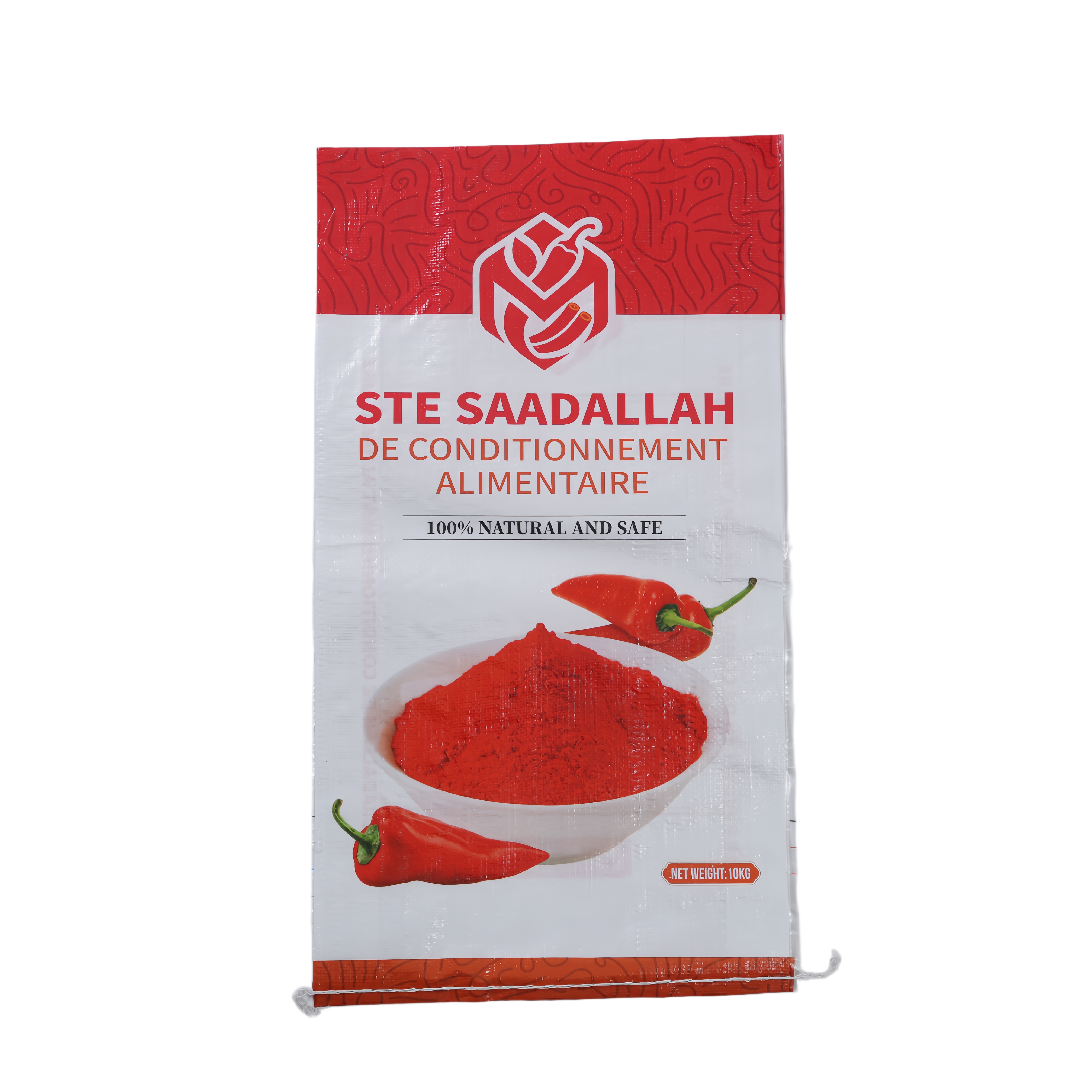
Heat sealing is a critical process in the assembly of laminated bags, directly influencing product quality, durability, and shelf performance. Understanding and controlling heat sealing parameters ensures that laminated pp bag construction meets industry standards and customer expectations. The temperature, pressure, dwell time, and cooling rate during heat sealing determine whether the final product achieves proper seal strength, maintains barrier properties, and resists environmental stress during storage and transport.
The assembly of coated packaging bag designs relies on precision heat sealing to create reliable seals that protect contents from contamination and moisture ingress. Whether producing laminated sack formats for bulk materials or specialized moisture proof bag configurations for sensitive products, technicians must carefully calibrate sealing equipment and monitor process variables. This guide explores the fundamental parameters that govern successful heat sealing in laminated bag manufacturing and how to optimize them for consistent, high-quality results.
Temperature is the primary driver of polymer flow and fusion at seal lines in laminated pp bag production. The sealing temperature must exceed the melting point of the outermost film layer while remaining below the degradation threshold that weakens material properties. Most laminated bags benefit from temperatures between 120°C and 160°C, depending on the specific polymer composition and film thickness used in construction. Operating too low results in weak, incomplete seals prone to splitting under pressure or thermal cycling. Operating excessively high causes material shrinkage, discoloration, and loss of seal integrity.
Pressure applied during the heat sealing process compresses the softened polymer layers together, creating molecular bonding across the seal interface. For coated packaging bag designs, pressure typically ranges from 1.5 to 3.5 bar, adjusted based on film gauge and substrate composition. Higher pressure increases seal width and reduces the risk of incomplete fusion, but excessive pressure can deform the bag structure and cause material thinning at the seal line. Balancing pressure with temperature allows manufacturers to achieve consistent seal width without compromising laminated sack dimensional stability or cosmetic appearance.
Dwell time refers to the duration that heat and pressure are applied at the seal line during laminated bag assembly. Insufficient dwell time prevents complete polymer fusion, leaving microscopic voids and weak points that compromise moisture proof bag performance. Typical dwell times range from 0.5 to 2 seconds, depending on film thickness, substrate thermal conductivity, and sealing bar design. Longer dwell times improve seal completeness but slow production throughput and may cause heat migration into adjacent bag areas, affecting appearance or structural properties. Optimizing dwell time requires balancing seal reliability against production efficiency and cost constraints.
After heat and pressure are removed, the sealed polymer region must cool sufficiently for molecular chains to re-crystallize and achieve maximum strength. Rapid cooling accelerates crystallization, improving seal toughness and reducing production cycle time. However, excessively rapid cooling can lock in internal stresses, making the seal brittle and prone to cracking under subsequent handling or thermal cycling. A controlled cooling rate of 15 to 30°C per second, achieved through belt conveyors or active cooling fans, provides optimal balance for laminated bags. For moisture proof bag applications requiring exceptional barrier integrity, slower cooling with post-seal conditioning may be warranted.
Modern heat sealing equipment for coated packaging bag production incorporates digital temperature controllers, pressure sensors, and timer circuits that enable precise parameter reproducibility. Regular equipment calibration ensures that displayed temperatures match actual bar surface temperatures, accounting for thermal drift and sensor degradation over time. Process data logging captures temperature profiles, pressure curves, and dwell times for every seal cycle, creating traceability records for batch verification and troubleshooting. Laminated sack manufacturers benefit from establishing statistical process control (SPC) monitoring to detect gradual shifts in sealing performance before they produce out-of-specification product.
Seal strength validation requires both destructive tests like peel strength measurement and non-destructive visual inspection to confirm that laminated bags meet performance standards. Peel testing measures the force required to separate sealed layers, typically expressed in Newtons per centimeter of seal line. Non-destructive techniques include visual examination for seal line continuity, ultrasonic inspection for void detection, and hot water immersion tests for barrier integrity in moisture proof bag configurations. Regular testing at production startup and during ongoing production runs provides confidence that heat sealing parameters remain optimized and that product quality remains consistent throughout the manufacturing campaign.
The appropriate sealing temperature for laminated bags typically ranges from 120°C to 160°C, depending on the polymer composition of the outer film layer, overall thickness, and intended end-use. Most laminated pp bag applications perform well between 135°C and 150°C. The exact temperature should be determined through trial sealing trials on production equipment, then validated through peel testing to confirm adequate seal strength without material degradation or discoloration.
Pressure directly influences seal width, completeness of polymer fusion, and seal line consistency in coated packaging bag assembly. Pressure ranging from 1.5 to 3.5 bar is typical, with higher pressure generally improving fusion but risking material thinning and structural deformation. The optimal pressure balances complete seal formation with preservation of laminated sack dimensional stability and cosmetic appearance, determined through controlled trials and peel strength validation.
Proper cooling after heat sealing allows polymer chains to re-crystallize, developing maximum seal toughness and barrier integrity essential for moisture proof bag applications. Controlled cooling rates between 15 and 30°C per second produce seals with optimal strength and flexibility, preventing brittleness while avoiding internal stress accumulation. Inadequate cooling reduces seal quality and barrier function, compromising the moisture proof characteristics that protect sensitive contents during storage and transport.

Discover the 4 critical production metrics—throughput, defect rate, equipment uptime & on-time delivery—to vet factories confidently.

Ensure regulatory compliance & worker safety with proven methods for chemical woven bags—material selection, labeling, storage & training.

Discover the full PP woven bag manufacturing workflow—from extrusion & weaving to printing & QC. Boost efficiency, compliance & ROI. Download the process guide now.

Struggling with weak bags or high material waste? Master extrusion and tape drawing tech for stronger, cheaper PP woven bags. Optimize your production line now.

Struggling with defects or customer returns? Discover the 5 non-negotiable quality checkpoints across your woven bag production line
Which automation tier is right for your PP woven bag factory? Compare manual to Industry 4.0 systems for cost, quality, and scalability.
Get in touch for details on polypropylene woven bags and flexible packaging solutions.
Tel
Address
No.2015, Liaoyuan Building, Lanshan District, Linyi City, Shandong Province.China

