 EN
How to Assess Production Efficiency at a PP Woven Bag Factory
Discover the 4 critical production metrics—throughput, defect rate, equipment uptime & on-time delivery—to vet factories confidently.

2026/09/01
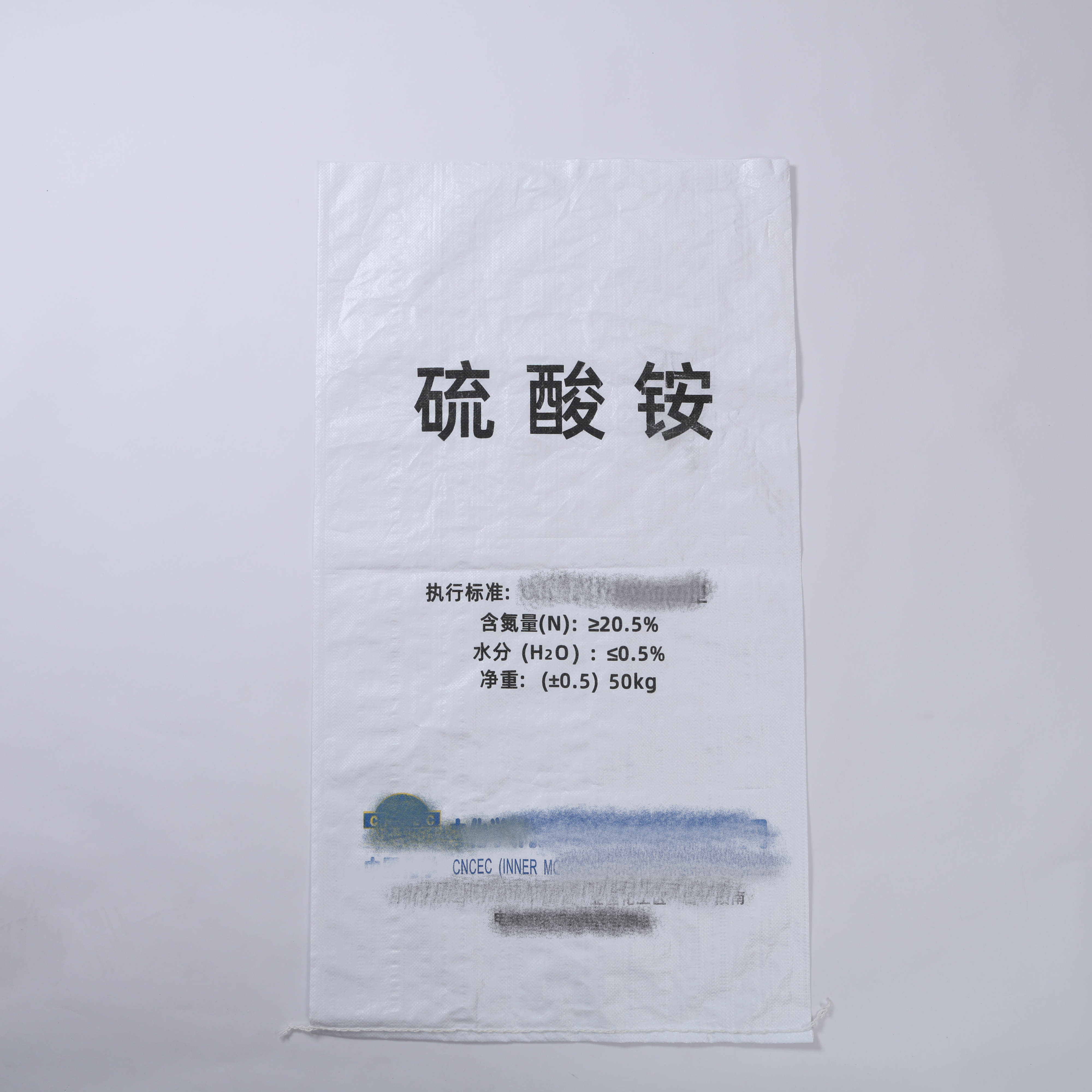
Heat sealing is a critical process in modern food packaging, particularly when producing sugar bags destined for commercial distribution and retail sale. The technique involves applying controlled heat and pressure to join layers of material, creating a secure, airtight closure that protects the sugar from moisture, contamination, and oxidation throughout its supply chain journey. Understanding the various heat sealing techniques used in sugar bag production is essential for manufacturers who want to maintain product integrity, comply with food safety regulations, and deliver consistent quality to customers worldwide.
The production of sugar bags demands precision equipment and skilled technical knowledge to achieve optimal sealing performance. Different sealing methods are employed depending on bag material type, production volume, and final application requirements. Whether manufacturers work with pp sugar sack materials, food grade packaging bag specifications, or specialized sugar woven bag designs, the chosen heat sealing technique directly influences bag durability, shelf life, and customer satisfaction.
Impulse heat sealing represents one of the most widely adopted techniques in commercial sugar packaging bag manufacturing. This method delivers short, controlled bursts of electrical energy to heating elements, which warm the sealing jaws to precise temperatures without maintaining continuous heat. The intermittent nature of impulse sealing makes it particularly effective for thermoplastic materials used in modern sugar packaging bag applications, including polypropylene woven structures and laminated designs.
The impulse technique creates strong, consistent seals with minimal heat damage to the surrounding material, a critical advantage when working with food grade packaging bag standards. The dwell time—the duration the heated jaws remain in contact with the material—can be adjusted to accommodate different thickness levels in pp sugar sack production. Operators can fine-tune temperature, pressure, and timing parameters to produce perfect seals reliably, batch after batch, reducing waste and ensuring every sugar woven bag meets specification.
Continuous heat sealing operates differently from impulse methods by maintaining consistent heat throughout the sealing process. In this approach, heated rollers or belt systems continuously contact the bag material as it travels through the sealing station. This technique is ideal for high-speed production environments where sugar packaging bag manufacturers need to process thousands of units per hour while maintaining uniform quality.
Continuous sealing works exceptionally well for standardized food grade packaging bag designs with uniform material thickness. The constant thermal application ensures penetration through all layers of pp sugar sack materials, creating durable seals that withstand mechanical handling, transport vibration, and storage conditions. Temperature control remains crucial; if heat levels are too low, the seal may be weak; if excessive, the material can melt or shrink, compromising the bag integrity and the sugar woven bag appearance.
Polypropylene woven materials dominate modern sugar packaging bag manufacturing due to their strength, moisture resistance, and cost efficiency. When sealing pp sugar sack materials, technicians must account for the woven structure's unique thermal properties. The polypropylene resin melts at temperatures between 160°C and 170°C, requiring precise control to achieve effective bonding without degrading the material.
The woven construction of pp sugar sack bags creates distinct challenges compared to solid film materials. Heat must penetrate both the warp and weft fibers while achieving melt-bonding at the sealing interface. Food grade packaging bag standards often specify seal strength requirements, typically measured in pounds of force required to separate the sealed edges. Manufacturers must validate that their heat sealing parameters—temperature, pressure, and dwell time—consistently produce seals exceeding these minimum thresholds for reliable sugar woven bag performance.
Many premium sugar packaging bag applications employ laminated or coated structures that combine polypropylene woven base materials with additional layers for enhanced barrier properties. These food grade packaging bag designs may include polyethylene film coatings, aluminum foil layers, or specialized moisture barriers. Each component layer responds differently to heat exposure, requiring careful parameter selection for pp sugar sack sealing operations.
When sealing laminated sugar woven bag structures, the coating layers typically have lower melt temperatures than the woven substrate. Heat sealing technicians must use settings that achieve proper bonding without causing the coating to separate, bubble, or become sticky. Testing protocols involving peel tests, burst tests, and moisture permeability measurements verify that the sealed sugar packaging bag maintains integrity under realistic storage and transport conditions.
Establishing optimal temperature and pressure parameters forms the foundation of successful heat sealing in sugar bag production. Each sugar packaging bag design, material weight, and production run requires specific calibration. Manufacturers typically conduct trial sealing runs, then evaluate the resulting seals through destructive testing to determine break points and confirm minimum acceptable strength levels for food grade packaging bag applications.
Dynamic process monitoring ensures pp sugar sack sealing quality remains consistent throughout extended production runs. Temperature sensors track heating element performance continuously, triggering alerts if deviations exceed acceptable ranges. Pressure gauges monitor hydraulic or pneumatic systems to confirm consistent clamp force. Documentation of these parameters for every batch of sugar woven bag production provides traceability and enables rapid troubleshooting if quality issues emerge downstream.
Heat sealing equipment requires consistent maintenance to prevent performance degradation and unexpected failures during sugar packaging bag production runs. Heating elements develop thermal buildup and carbon deposits over time, affecting temperature distribution and seal consistency. Regular cleaning and professional servicing extend equipment life while maintaining seal quality for food grade packaging bag standards.
Quality validation programs must incorporate regular seal sampling and testing throughout production shifts. Technicians extract sealed sugar bags at predetermined intervals, then perform peel strength tests, visual inspections, and moisture content verification. If pp sugar sack seals fall below specification, operators can adjust parameters immediately rather than allowing defective sugar woven bag production to accumulate. This proactive approach minimizes scrap rates, maintains customer confidence, and ensures every food grade packaging bag leaving the facility meets stated performance requirements.
The optimal temperature for sealing polypropylene sugar bags typically ranges between 160°C and 170°C, depending on the specific material composition and thickness. Impulse sealing often uses temperatures at the higher end of this range with brief contact times, while continuous sealing may operate at slightly lower temperatures with extended dwell time. Always conduct trial runs and peel tests with your specific sugar packaging bag materials to establish exact parameters for your equipment and production requirements.
Consistent seal strength requires precise control of three primary variables: temperature, pressure, and dwell time. Implement automated monitoring systems that track these parameters throughout every production run. Establish regular sampling protocols that include destructive testing of sealed sugar bags to verify minimum break strength meets food grade packaging bag specifications. Train operators thoroughly and maintain detailed documentation of all equipment calibrations and adjustments to identify and resolve inconsistencies quickly.
Improper heat sealing can cause weak seals prone to splitting during handling, moisture infiltration that degrades sugar quality, uneven seal appearance that impacts brand perception, and material melting or shrinkage that reduces bag capacity. Insufficient heat produces weak bonds, while excessive heat damages pp sugar sack materials and may cause coating separation in laminated food grade packaging bag designs. Regular quality testing and parameter adjustment prevent these issues and maintain the integrity of every sugar woven bag produced.

Discover the 4 critical production metrics—throughput, defect rate, equipment uptime & on-time delivery—to vet factories confidently.

Ensure regulatory compliance & worker safety with proven methods for chemical woven bags—material selection, labeling, storage & training.

Discover the full PP woven bag manufacturing workflow—from extrusion & weaving to printing & QC. Boost efficiency, compliance & ROI. Download the process guide now.

Struggling with weak bags or high material waste? Master extrusion and tape drawing tech for stronger, cheaper PP woven bags. Optimize your production line now.

Struggling with defects or customer returns? Discover the 5 non-negotiable quality checkpoints across your woven bag production line
Which automation tier is right for your PP woven bag factory? Compare manual to Industry 4.0 systems for cost, quality, and scalability.
Get in touch for details on polypropylene woven bags and flexible packaging solutions.
Tel
Address
No.2015, Liaoyuan Building, Lanshan District, Linyi City, Shandong Province.China

