 EN
How to Assess Production Efficiency at a PP Woven Bag Factory
Discover the 4 critical production metrics—throughput, defect rate, equipment uptime & on-time delivery—to vet factories confidently.

2026/08/10
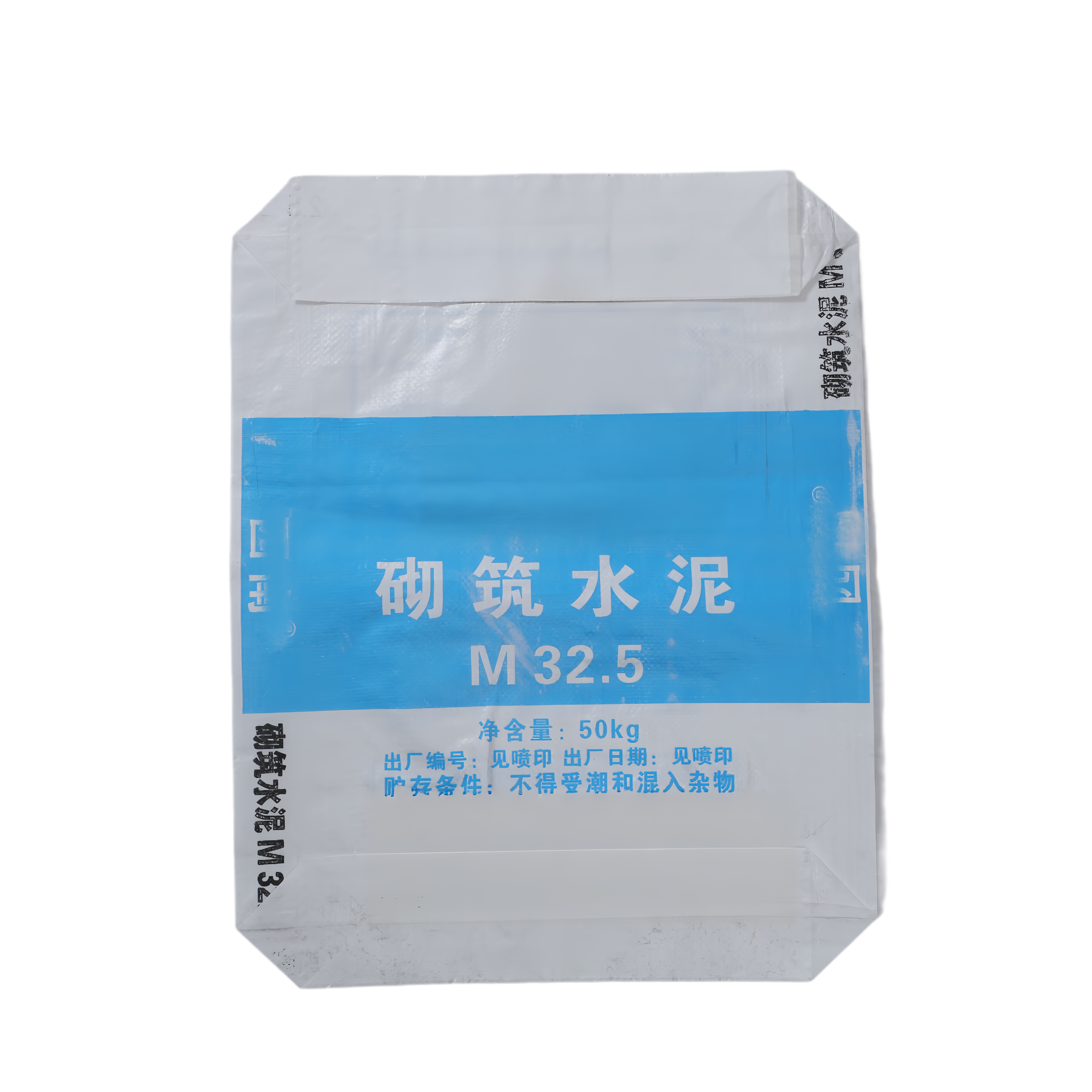
The structural integrity of packaging directly impacts how well cement reaches job sites without damage or loss. High tensile fabric requirements for cement bags are not arbitrary specifications—they represent the engineering standards necessary to withstand the rigorous demands of modern construction supply chains. Understanding these requirements helps procurement professionals, construction managers, and packaging engineers select the right solutions for their cement distribution operations.
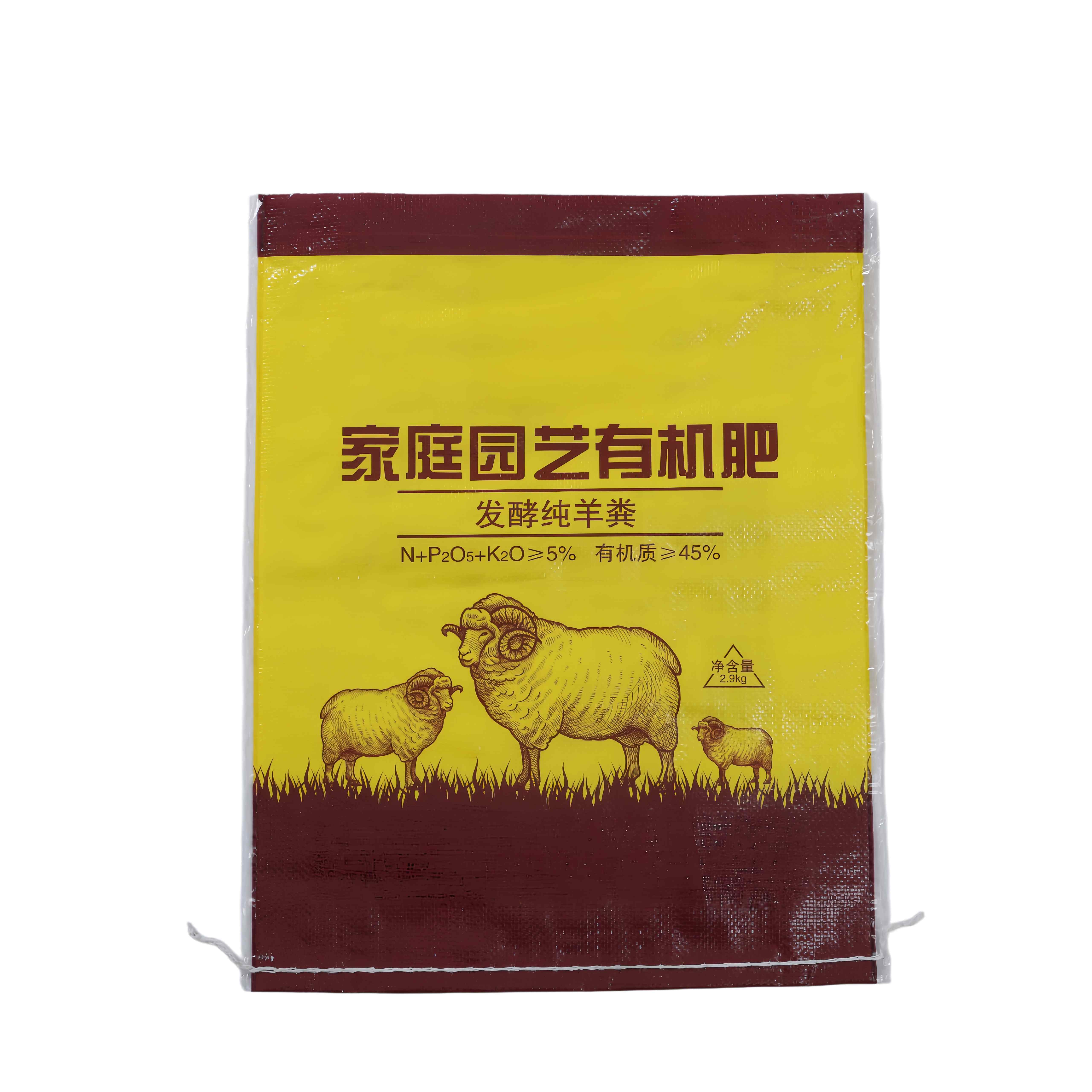
A quality cement woven bag combines material science and mechanical engineering to deliver reliable performance under load. Whether you handle 25 kg or 50 kg units, the tensile strength of polypropylene woven fabric directly determines how securely cement remains packaged throughout handling, stacking, and transportation. This article explores the technical foundations of high-tensile fabric requirements, helping you make informed decisions about cement sack selection and supplier evaluation.
Tensile strength measures the maximum stress a material can withstand while being stretched before breaking. For a heavy duty cement bag, this property determines whether the package survives the mechanical stresses of filling, stacking, automated handling, and transport vibration. Cement weighs approximately 1440 kg per cubic meter, which creates substantial puncture and tear risks during distribution. Higher tensile strength reduces package failure rates, minimizes product loss, and protects worker safety by preventing bag ruptures during manual handling.
The pp cement sack industry typically specifies tensile strength in both machine direction (MD) and cross-machine direction (CMD) because fabric orientation affects load-bearing capacity. A properly engineered pp cement sack maintains uniform tensile properties across both directions to ensure predictable performance regardless of how the package is oriented during stacking or movement. This balanced strength profile is especially critical in automated bagging and palletizing operations where bags experience multidirectional stresses simultaneously.
International standards for building material bag specifications typically require minimum tensile strength values of 12–16 kg per centimeter in both directions for standard cement packaging. Premium heavy duty cement bag grades often exceed these baseline requirements, reaching 18–25 kg per centimeter to accommodate higher fill weights, stacking heights, or extended storage periods. These benchmarks emerged from decades of field performance data and represent the threshold where bag failures become economically significant in cement logistics operations.
Regional standards differ slightly based on local environmental conditions, handling practices, and regulatory requirements. European standards emphasize puncture and tear resistance alongside tensile strength, reflecting the prevalence of mechanical handling equipment in those markets. Asian standards often focus on higher stacking heights and extended outdoor storage periods. A cement woven bag that meets your regional or customer-specific requirements ensures compliance while minimizing over-specification costs.
Polypropylene forms the polymer backbone of modern pp cement sack fabrics due to its inherent strength, chemical resistance, and cost efficiency. The tensile strength of polypropylene woven fabric depends on fiber denier (thickness), yarn twist, and weave pattern. Higher denier fibers deliver greater tensile capacity but increase material costs and package weight. The weave structure—whether tape weave, leno weave, or plain weave—distributes loads across fibers and influences how evenly stress distributes throughout the cement bag during handling.
The twist level of individual yarns affects how fibers lock together under tension, directly influencing the building material bag's ability to resist tearing once an initial puncture occurs. Well-twisted yarns hold together better during propagating tears, whereas loose twists allow faster fiber separation and catastrophic package failure. Manufacturers balance twist tightness against production speed to optimize cost-to-performance ratios for different cement bag grades and customer requirements.
Many heavy duty cement bag designs incorporate thin plastic films laminated to the polypropylene base to enhance moisture protection and puncture resistance. These coatings affect the tensile strength profile because they reduce the effective elongation of the underlying fabric while increasing stiffness. A properly engineered heavy duty cement bag maintains tensile strength of the core woven material while the coating layer adds puncture and tear resistance without compromising bag flexibility during normal handling and packing operations.
Coating selection influences how the cement woven bag responds to environmental stress. Some coatings improve tensile performance under humid conditions by reducing fiber swelling, whereas others enhance performance during temperature cycling. Premium cement sack designs often employ multi-layer coating systems where each layer optimizes specific performance aspects—moisture barrier, puncture resistance, UV protection, or enhanced slip properties for automated equipment compatibility.
The maximum tensile strength required for a cement bag depends on expected stacking heights and whether bags are stored indoors or outdoors. Stacking five layers of 50 kg bags creates vertical loads of 250 kg at the base, concentrating pressure on the lower bag's bottom seams and side gussets. Extended stacking periods under UV exposure or temperature cycling further stress the fabric as polypropylene becomes more brittle when aged. A building material bag designed for six-month outdoor storage requires significantly higher tensile reserves than one intended for rapid distribution through climate-controlled warehouses.
Dynamic stresses during transport also influence tensile requirements. Bags stacked on pallets and subjected to vibration during vehicle movement experience multidirectional forces that exceed static load calculations. Road transport, rail transport, and maritime shipping each impose different vibration profiles and impact patterns. A pp cement sack formulated for robust highway transport performance must demonstrate higher tensile strength margin than one designed for short-haul local delivery operations.
Tropical climates with high humidity and temperature extremes require heavy duty cement bag fabrics with superior tensile retention after environmental aging. Polypropylene loses approximately 10–15% of its tensile strength for every 10°C temperature increase above 40°C, meaning cement bags exposed to hot container conditions or outdoor tropical storage need tensile specifications 20–25% higher than temperate-climate baseline requirements. Conversely, cold-climate applications involve lower ambient degradation rates but may involve rapid temperature cycling during storage and transport that stresses molecular bonds in the polypropylene matrix.
Industrial applications involving automated equipment or high-speed bagging lines demand faster tensile response and more uniform fabric properties than manual handling environments. Equipment that seals bag tops or applies drop-tests accelerates fabric stress beyond normal handling scenarios. A cement woven bag intended for automated facilities benefits from tighter tensile specifications and more consistent quality control than packages designed purely for manual warehouse environments. Customer specifications should always reference expected end-use conditions to ensure the pp cement sack meets actual performance demands.
Standard international specifications typically require minimum tensile strength of 12–16 kg per centimeter in both machine and cross-machine directions. However, heavy duty cement bag variants often specify 18–25 kg per centimeter to accommodate larger fill weights, extended stacking, or challenging storage environments. Your specific requirements depend on bag weight, stacking height, storage duration, and transport method, so consult customer specifications or regional standards for your application.
Polypropylene tensile strength depends on fiber denier, yarn twist, weave structure, and any applied coatings. Higher denier fibers deliver greater tensile capacity but increase material cost and package weight. Tighter yarn twist improves tear propagation resistance. Laminated coatings enhance puncture and moisture protection without significantly reducing core fabric tensile strength. The building material bag manufacturer balances these factors to optimize cost-to-performance ratio for your specific cement sack application.
Yes, environmental factors significantly influence tensile specifications. Tropical climates and hot storage conditions require higher tensile reserves because polypropylene loses strength when exposed to sustained heat and UV radiation. Bags stored outdoors for extended periods need higher initial tensile strength to maintain adequate safety margins after aging. Cold environments generally impose lower tensile demands but may involve rapid temperature cycling stress. Always specify cement bags based on expected storage environment and transport conditions for your cement distribution network.

Discover the 4 critical production metrics—throughput, defect rate, equipment uptime & on-time delivery—to vet factories confidently.

Ensure regulatory compliance & worker safety with proven methods for chemical woven bags—material selection, labeling, storage & training.

Discover the full PP woven bag manufacturing workflow—from extrusion & weaving to printing & QC. Boost efficiency, compliance & ROI. Download the process guide now.

Struggling with weak bags or high material waste? Master extrusion and tape drawing tech for stronger, cheaper PP woven bags. Optimize your production line now.

Struggling with defects or customer returns? Discover the 5 non-negotiable quality checkpoints across your woven bag production line
Which automation tier is right for your PP woven bag factory? Compare manual to Industry 4.0 systems for cost, quality, and scalability.
Get in touch for details on polypropylene woven bags and flexible packaging solutions.
Tel
Address
No.2015, Liaoyuan Building, Lanshan District, Linyi City, Shandong Province.China

