 EN
How to Assess Production Efficiency at a PP Woven Bag Factory
Discover the 4 critical production metrics—throughput, defect rate, equipment uptime & on-time delivery—to vet factories confidently.

2026/09/07
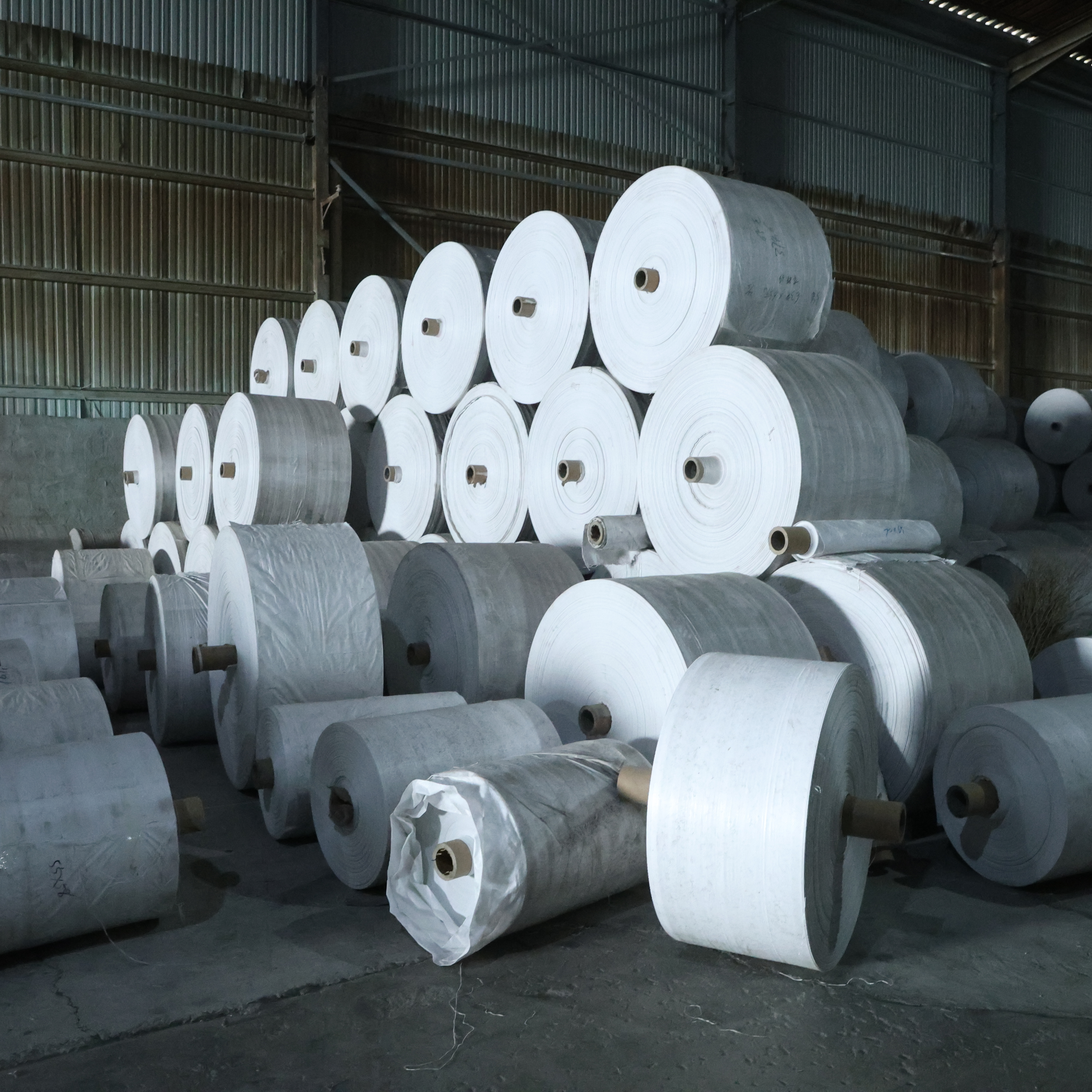
Understanding the production capabilities of a PP woven bag manufacturer requires insight into how modern facilities integrate raw material sourcing, machinery investment, quality systems, and technical expertise. For packaging buyers and procurement professionals, evaluating these in-house capabilities determines whether a supplier can reliably deliver consistent, customized solutions at scale. The manufacturing landscape for polypropylene woven bags has evolved significantly, with leading producers now maintaining vertically integrated operations that span fiber production, weaving, coating, printing, and finishing stages.
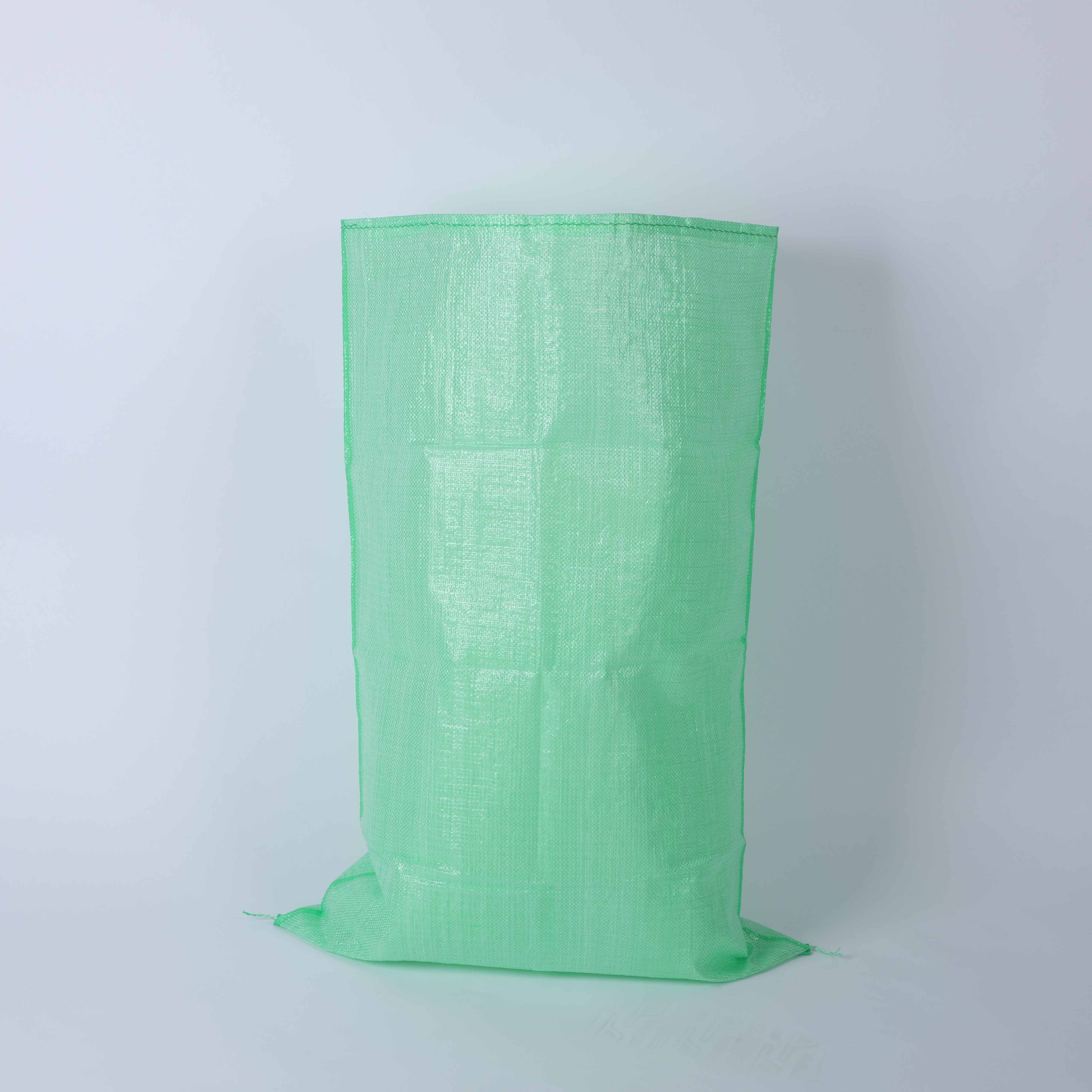
When selecting a woven bag supplier for critical applications, understanding their in-house production footprint becomes essential. A comprehensive woven bag factory with strong internal capabilities demonstrates control over quality, lead times, cost structure, and innovation capacity. This article explores how leading manufacturers build competitive advantages through integrated pp bag production systems, from equipment selection through finished-product delivery.
The foundation of any serious woven bag factory lies in its weaving machinery. Modern pp bag production relies on high-speed shuttleless looms capable of producing consistent, uniform fabric with controlled tension and yarn alignment. Leading manufacturers invest in German, Italian, or advanced Asian looms that deliver weave densities between 80 and 140 threads per inch, depending on application requirements. These machines operate continuously with automated monitoring systems that detect broken yarns, tension fluctuations, and defects in real time.
A woven bag factory's capacity to handle custom pp woven bag specifications depends directly on loom flexibility and changeover efficiency. Modern equipment allows quick transitions between different yarn counts, weave patterns, and fabric weights without extended downtime. This capability proves critical when serving customers with diverse requirements, from heavy-duty agricultural bags to lightweight packaging for food and industrial goods. Machinery maintenance schedules, spare parts availability, and technician expertise all influence consistent production quality.
A professional woven bag supplier maintains rigorous control over polypropylene fiber sourcing and quality verification. Most leading manufacturers work directly with major resin suppliers to secure virgin polypropylene that meets specific melt flow rates, tensile strength targets, and color requirements. The pp bag production process begins with fiber extrusion, where raw resin converts into monofilament yarn under precise temperature and speed controls. Vertically integrated facilities often operate in-house extrusion capacity, eliminating intermediary dependencies and quality variability.
Yarn quality testing occurs throughout production stages. Manufacturers conduct tensile strength testing, elongation measurements, and color consistency verification to ensure fibers meet customer specifications. Advanced woven bag factories maintain material traceability systems that document resin batch numbers, extrusion parameters, and test results for every production run. This documentation supports quality assurance, regulatory compliance, and rapid root-cause analysis if issues arise during customer use.
Most commercial pp bag production includes lamination or coating stages that enhance barrier properties, moisture resistance, and structural integrity. A comprehensive woven bag factory operates coating lines where polypropylene film bonds to woven substrate through adhesive or thermal fusion methods. These operations require precise temperature control, coating thickness uniformity, and fast drying or curing to maintain production speed. Custom pp woven bag applications often demand specific coating weights, gloss levels, or specialized treatments that distinguish premium from commodity products.
Lamination technology varies by application and cost structure. High-barrier bags for chemical, fertilizer, or moisture-sensitive products typically use multi-layer laminate constructions with enhanced adhesive systems. A woven bag supplier with sophisticated coating capability can offer different film types, adhesive chemistries, and application rates to match customer needs exactly. This flexibility becomes especially valuable in markets where regulatory requirements, climate conditions, or product compatibility demand specific barrier properties.
A woven bag manufacturer's competitive strength increasingly depends on in-house printing and customization capabilities. Modern production facilities operate rotogravure, flexographic, or digital printing systems that apply graphics, brand identity, product information, and regulatory labeling directly onto woven fabric or laminate surfaces. Each printing technology offers different color richness, resolution, and throughput characteristics. Choosing the right technology depends on order volume, design complexity, color requirements, and substrate characteristics.
Custom pp woven bag orders often require multiple color separations, precise registration, and spot-color accuracy that only in-house printing enables. A woven bag factory with vertical printing integration avoids outsourcing delays, quality inconsistencies, and additional costs. Professional manufacturers maintain color management systems, Pantone matching capabilities, and digital print file libraries. This infrastructure supports rapid design adjustments, short production runs, and consistent brand representation across customer shipments.
Leading pp bag production facilities operate comprehensive testing programs that verify fabric strength, dimensional stability, print durability, and finished-product performance. Automated tensile testing machines evaluate breaking strength, elongation, and tear resistance for every production batch. Weight consistency testing ensures uniform coat weights and fabric density. Dimensional verification confirms bag length, width, gusset depth, and handle specifications remain within tight tolerances throughout production runs.
A reliable woven bag supplier maintains testing documentation that provides traceability and supports customer confidence. Modern manufacturers use statistical process control methods that track performance trends, identify drift conditions early, and trigger corrective action before quality escapes occur. Environmental chambers test finished products under temperature and humidity extremes to simulate customer storage and use conditions. This proactive approach prevents field failures, reduces warranty claims, and builds long-term customer relationships.
Understanding a woven bag factory's production capacity and scheduling flexibility reveals its ability to support customer growth and seasonal demand variations. Professional manufacturers maintain capacity utilization strategies that balance machine efficiency, throughput targets, and customer order urgency. Many leading suppliers operate production planning systems that coordinate yarn availability, machine scheduling, and finishing operations to minimize bottlenecks. Custom pp woven bag projects benefit from flexible manufacturing environments where dedicated production windows, batch separation, and priority scheduling support on-time delivery.
A woven bag supplier's transparency regarding capacity constraints, lead time commitments, and production scheduling demonstrates manufacturing maturity. Facilities with multiple production lines, shift operations, or seasonal staffing flexibility can absorb demand surges without extended delays. Supply chain resilience becomes increasingly important in global markets where single-source dependencies create vulnerability. Manufacturers investing in capacity redundancy and supply chain diversification position themselves as preferred partners for customers requiring reliable, consistent supply.
A pp woven bag manufacturer with full in-house production controls every stage from fiber extrusion through finished-product delivery. Vertically integrated operations eliminate intermediary delays, ensure consistent quality, protect proprietary designs, and reduce costs through supply chain efficiency. Outsourced or partially outsourced models introduce quality variability, longer lead times, and reduced flexibility. Buyers should ask potential suppliers about which production stages they operate internally versus contract with external partners, as this directly impacts reliability and customization capability.
Leading manufacturers implement automated testing systems, statistical process control, batch documentation, and trained technician teams. A professional woven bag supplier conducts in-process testing for tensile strength, weight consistency, and dimensional accuracy, with corrective actions triggered by any deviation from specifications. Regular equipment maintenance, preventive calibration, and continuous operator training sustain quality levels. Custom pp woven bag orders receive dedicated attention through dedicated production runs, enhanced testing, and traceability documentation that customers can verify independently.
Evaluate the number of production lines, installed machinery specifications, shift operations, and workforce capacity. Ask about current utilization rates, typical lead times under standard versus rush conditions, and historical on-time delivery performance. A credible woven bag factory provides transparent capacity forecasts, allows facility tours, and references current customers regarding reliability. Understanding backup capacity, supply chain redundancy, and contingency planning reveals whether a pp bag production partner can sustain long-term growth without compromising delivery commitments or quality standards.

Discover the 4 critical production metrics—throughput, defect rate, equipment uptime & on-time delivery—to vet factories confidently.

Ensure regulatory compliance & worker safety with proven methods for chemical woven bags—material selection, labeling, storage & training.

Discover the full PP woven bag manufacturing workflow—from extrusion & weaving to printing & QC. Boost efficiency, compliance & ROI. Download the process guide now.

Struggling with weak bags or high material waste? Master extrusion and tape drawing tech for stronger, cheaper PP woven bags. Optimize your production line now.

Struggling with defects or customer returns? Discover the 5 non-negotiable quality checkpoints across your woven bag production line
Which automation tier is right for your PP woven bag factory? Compare manual to Industry 4.0 systems for cost, quality, and scalability.
Get in touch for details on polypropylene woven bags and flexible packaging solutions.
Tel
Address
No.2015, Liaoyuan Building, Lanshan District, Linyi City, Shandong Province.China

