 EN
How to Assess Production Efficiency at a PP Woven Bag Factory
Discover the 4 critical production metrics—throughput, defect rate, equipment uptime & on-time delivery—to vet factories confidently.

2026/09/01
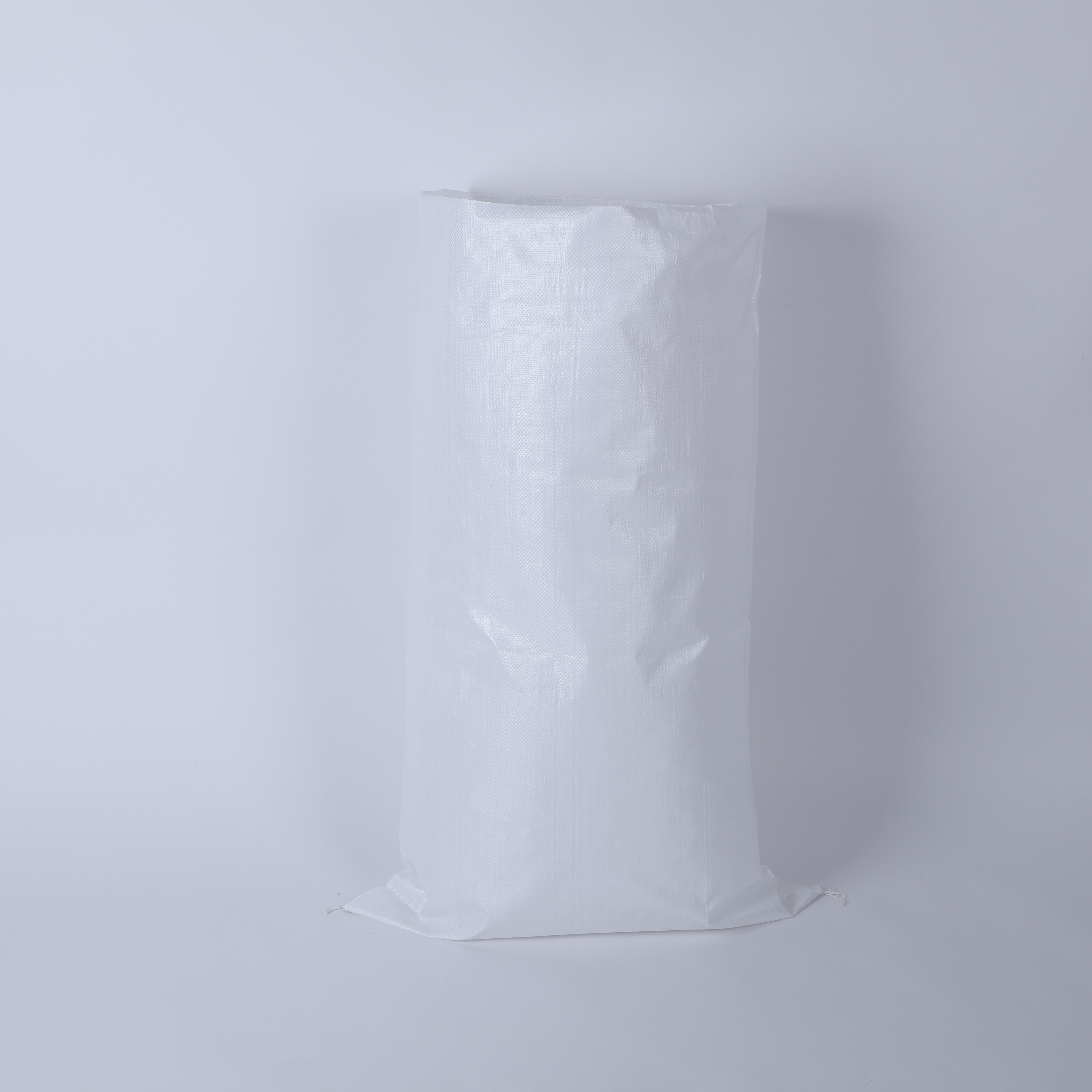
Sugar bags require sophisticated protection to maintain product integrity throughout storage and transport. The inner coating technology applied to modern sugar bags plays a critical role in keeping sugar dry and preventing moisture absorption that can compromise quality. Understanding how this technology works helps procurement professionals, food manufacturers, and logistics managers select the right packaging solutions for their sugar storage needs.
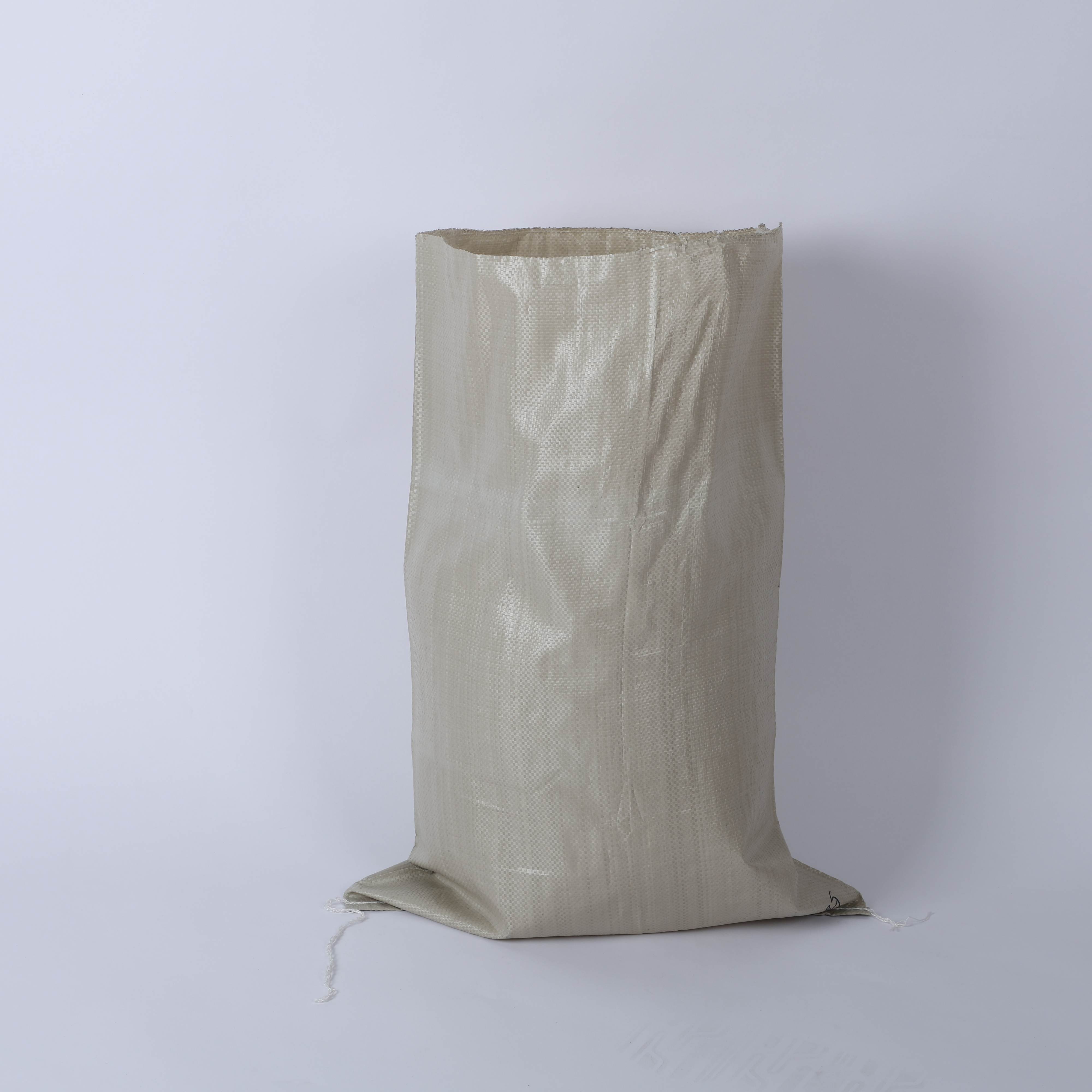
Modern sugar packaging bag designs incorporate multiple layers of protection, with the inner coating serving as the primary moisture barrier. This inner coating creates a chemical seal that prevents external humidity from penetrating the bag and reaching the sugar inside. The effectiveness of this protection depends on the quality of materials, coating application process, and the specific formulation used in the food grade packaging bag manufacturing.
The inner coating in sugar bags functions as an impermeable membrane that blocks water vapor transmission. When sugar absorbs moisture from the air, it begins to clump and lose its free-flowing properties, reducing its commercial value. A high-quality inner coating prevents this degradation by maintaining a barrier between the sugar and the external environment. The coating must be durable enough to withstand the weight of sugar and remain intact throughout the entire supply chain.
Food grade packaging bag coatings typically use polyethylene-based formulations that meet international food safety standards. The pp sugar sack coating is applied during the weaving process, creating a seamless protective layer. This chemical barrier is resistant to oils, acids, and moisture, making it ideal for preserving sugar quality. Testing protocols ensure that the coating maintains its integrity under various humidity levels and temperature conditions that products encounter during storage and transport.
Sugar woven bag production involves precise application of inner coating to achieve consistent protection across all units. Manufacturers use specialized equipment to apply the coating evenly, ensuring no gaps or weak points exist in the barrier. Each sugar packaging bag undergoes quality testing to verify moisture transmission rates and coating adhesion. The production process must comply with food industry regulations and traceability requirements to guarantee that every pp sugar sack meets specified performance standards.
Multi-layer construction in food grade packaging bag design provides redundancy and enhanced protection. The inner coating works together with the woven polypropylene fabric to create a strong, waterproof container. This combination ensures that sugar bags can withstand mechanical stress during handling, storage stacking, and transportation without compromising their protective function. The durability of the inner coating is critical because any breach in the barrier exposes sugar to moisture damage and potential contamination.
Using properly coated sugar bags directly extends product shelf life, reducing waste and spoilage costs for manufacturers and distributors. The inner coating technology protects sugar from environmental moisture variations, particularly in humid climates or during seasonal storage periods. By investing in high-quality sugar packaging bag solutions with superior inner coating, businesses reduce the risk of product degradation and associated financial losses. This protection translates to better margins and higher customer satisfaction through consistent product quality.
Food grade packaging bags must meet rigorous international standards including FDA regulations, EU directives, and local food safety requirements. The inner coating formulation must be non-toxic and free from harmful chemicals that could migrate into sugar during storage. A sugar bags supplier must provide documentation proving compliance with these standards and demonstrate that their pp sugar sack meets all safety specifications. This regulatory alignment protects manufacturers from liability and ensures end consumers receive safe, uncontaminated products.
High-performance food grade packaging bag coatings achieve moisture vapor transmission rates below 10 grams per square meter per 24 hours under standard testing conditions. The exact rate depends on the coating thickness, material composition, and application method used during sugar packaging bag manufacturing. Premium pp sugar sack options can achieve even lower rates, providing superior protection for extended storage periods in humid environments.
The inner coating on properly manufactured sugar packaging bag products remains effective for the typical shelf life of sugar, which is indefinite when stored under proper conditions. However, the barrier function depends on maintaining package integrity without tears, punctures, or degradation. A quality sugar bags solution maintains its protective properties throughout normal handling, transport, and storage cycles, typically spanning 2-3 years of continuous distribution.
Most modern pp sugar sack materials are recyclable, though the inner coating affects the recycling process. Food grade packaging bag manufacturers increasingly develop sustainable coating solutions that maintain protective performance while improving recyclability. The food industry continues advancing coating technologies that balance protection requirements with environmental responsibility, making sugar packaging bag solutions more sustainable without compromising the moisture barrier effectiveness.

Discover the 4 critical production metrics—throughput, defect rate, equipment uptime & on-time delivery—to vet factories confidently.

Ensure regulatory compliance & worker safety with proven methods for chemical woven bags—material selection, labeling, storage & training.

Discover the full PP woven bag manufacturing workflow—from extrusion & weaving to printing & QC. Boost efficiency, compliance & ROI. Download the process guide now.

Struggling with weak bags or high material waste? Master extrusion and tape drawing tech for stronger, cheaper PP woven bags. Optimize your production line now.

Struggling with defects or customer returns? Discover the 5 non-negotiable quality checkpoints across your woven bag production line
Which automation tier is right for your PP woven bag factory? Compare manual to Industry 4.0 systems for cost, quality, and scalability.
Get in touch for details on polypropylene woven bags and flexible packaging solutions.
Tel
Address
No.2015, Liaoyuan Building, Lanshan District, Linyi City, Shandong Province.China

