 EN
How to Assess Production Efficiency at a PP Woven Bag Factory
Discover the 4 critical production metrics—throughput, defect rate, equipment uptime & on-time delivery—to vet factories confidently.

2026/08/12
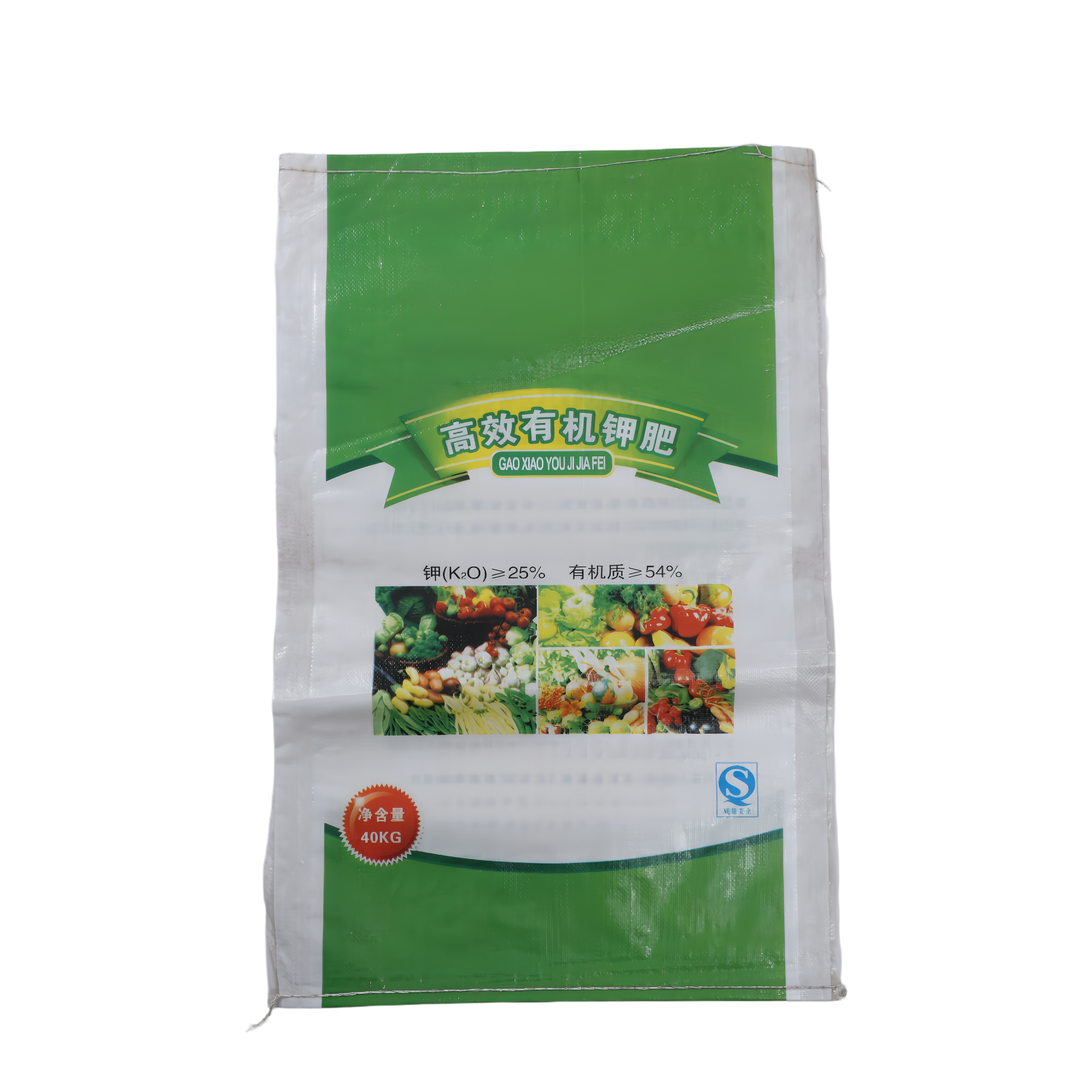
The protection and preservation of agricultural inputs depend heavily on packaging quality, and inner liner technology has emerged as a critical advancement in fertilizer bags used globally. Inner liners work as a secondary barrier system within woven bags, preventing moisture ingress, reducing product degradation, and extending shelf life in challenging storage environments. This technology transforms how agricultural operations manage their fertilizer inventory and maintain product quality from manufacturing through end-use application.
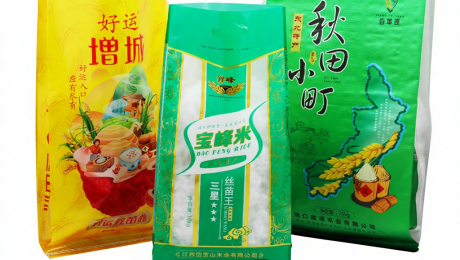
Modern agricultural fertilizer packaging has evolved beyond simple woven containers. Producers and distributors now recognize that a fertilizer woven bag equipped with an inner liner delivers superior moisture control, contamination prevention, and product integrity. Whether you manage a distribution center, operate a farm, or supply agricultural inputs, understanding inner liner technology helps you make informed decisions about storage solutions and procurement strategies that protect your investment in quality fertilizers.
The pp fertilizer sack incorporates different liner materials depending on climate conditions and storage duration requirements. Polyethylene liners remain the most common choice due to their moisture resistance, cost-effectiveness, and compatibility with fertilizer chemical compositions. These liners create a sealed microenvironment within the woven structure, preventing atmospheric humidity from penetrating the fertilizer granules or powder. Advanced barrier films add an extra layer of protection, particularly for hygroscopic fertilizers that naturally absorb moisture from air.
Thickness and density of the liner material directly affect performance outcomes. A 50-micron liner provides basic protection for short-term storage in controlled environments, while 100-micron liners offer enhanced durability for long-distance transport and extended warehouse exposure. Some agricultural fertilizer packaging solutions employ triple-layer films that combine polyethylene, aluminum, and specialized polymers, creating exceptional moisture and oxygen barriers for premium products requiring maximum shelf-life extension.
The relationship between the pp fertilizer sack exterior and the inner liner system ensures seamless functionality throughout the product lifecycle. Liners are typically inserted during bag manufacturing, folded to match the bag dimensions, and positioned to cover all interior surfaces without wrinkles or gaps. Proper liner integration prevents product contact with the woven fabric, which can absorb moisture and compromise both the liner and the fertilizer quality. The gusseted design of many agricultural fertilizer packaging options allows the liner to expand proportionally with the bag when filled, maintaining consistent barrier properties across the entire volume.
Moisture represents the primary threat to fertilizer integrity during storage and transportation. A fertilizer storage bag with an effective inner liner reduces water vapor transmission rates by up to 95%, compared to unwrapped woven bags that offer minimal moisture protection. Hygroscopic fertilizers like urea, ammonium nitrate, and certain potassium compounds readily absorb atmospheric moisture, leading to caking, nutrient loss, and reduced product efficacy in the field. Inner liner technology creates a stable microclimate that maintains the intended moisture content specified by agronomists and fertilizer manufacturers.
Seasonal variation and regional climate differences create distinct challenges for fertilizer woven bag storage. In tropical regions with high humidity, inner liners become essential for preventing product degradation during months-long warehouse storage. Temperate zones with seasonal moisture fluctuations still benefit significantly from liner protection, as temperature cycling can cause condensation inside unprotected containers. Agricultural fertilizer packaging solutions that incorporate inner liners adapt effectively to these environmental pressures, ensuring product quality remains consistent regardless of storage location or duration.
Different fertilizer formulations require specific liner materials to prevent chemical interactions or product leakage. A pp fertilizer sack designed for granular ammonium sulfate must use liners resistant to sulfate compounds, while urea solutions demand barrier materials that prevent moisture exchange without reacting with the nitrogen compound. Agricultural fertilizer packaging engineers carefully select liner compositions to ensure complete chemical compatibility, preventing degradation that could compromise product safety or performance. This compatibility extends to pesticide-coated fertilizers, coated micronutrients, and blended formulations requiring enhanced containment.
Contaminant prevention extends beyond moisture to include dust, pests, and environmental pollutants. A sealed fertilizer storage bag with inner liner protection prevents dust escape during storage and handling, reducing workplace exposure concerns and maintaining product purity. The enclosed environment discourages insect and rodent penetration, protecting inventory in facilities where pest control remains challenging. This containment benefit justifies the investment in lined bags, particularly for premium fertilizer products destined for sensitive crops or organic farming systems requiring stringent input documentation.
Proper inner liner installation during manufacturing determines long-term performance outcomes for fertilizer bags used in commercial agriculture. Quality control processes verify liner placement, seam integrity, and absence of pinholes or manufacturing defects. Advanced inspection equipment employs vacuum leak detection, pressure testing, and visual examination to identify liners that fail to meet stringent barrier standards. Facilities producing high-volume fertilizer woven bag shipments implement statistical sampling protocols to ensure batch-level consistency and trace quality variations to manufacturing parameters requiring adjustment.
End-users can verify inner liner presence and condition through simple visual inspection and tactile examination. Well-manufactured fertilizer storage bags display smooth, wrinkle-free liners that move independently within the woven exterior during manual manipulation. Clear plastic liners allow direct observation of product condition without opening the container. Documentation from suppliers confirming liner specifications, material composition, and barrier ratings provides the evidence necessary for procurement decisions and quality assurance compliance in agricultural supply chains.
Adding inner liner technology to fertilizer woven bags increases material costs by approximately 15 to 25 percent depending on liner thickness and material specifications. However, this investment delivers quantifiable returns through reduced product loss, extended shelf life, and simplified warehouse management. Fertilizers stored in lined bags demonstrate measurable quality retention compared to unlined alternatives, with moisture content remaining within specification ranges even after extended storage in challenging conditions. Agricultural fertilizer packaging decisions should evaluate total cost of ownership rather than unit price alone, considering the expense of product replacement, crop performance impacts from degraded fertilizer, and customer satisfaction implications.
Specific scenarios strongly favor inner liner adoption for fertilizer bags destined for tropical climates, export markets, or long storage duration. Premium fertilizer products, specialty micronutrient formulations, and coated particles derive maximum benefit from enhanced protection that liners provide. Standard commodity fertilizers used in regions with consistent climate control and rapid inventory turnover may operate effectively without inner liner systems, allowing procurement flexibility based on specific operational requirements. Establishing clear selection criteria aligned with your storage conditions, product portfolio, and customer expectations enables data-driven procurement decisions that optimize both performance and profitability.
Inner liners create a moisture barrier that prevents atmospheric humidity from degrading fertilizer quality during storage. A pp fertilizer sack with an inner liner reduces water vapor penetration by up to 95 percent, preserving product efficacy and preventing caking or nutrient loss. This technology proves especially valuable for hygroscopic fertilizers and products destined for long-term storage in humid environments.
Polyethylene remains the most common liner material due to its moisture resistance, cost-effectiveness, and compatibility with diverse fertilizer formulations. Advanced agricultural fertilizer packaging sometimes employs multi-layer films combining polyethylene, aluminum, and specialized polymers for premium barrier protection. Liner thickness typically ranges from 50 to 100 microns, with thicker materials providing extended protection for international shipping and challenging storage environments.
Inner liner technology typically increases bag material costs by 15 to 25 percent, but delivers substantial returns through extended shelf life, reduced product loss, and improved customer satisfaction. For premium fertilizer products and applications requiring extended storage in humid conditions, the investment in enhanced agricultural fertilizer packaging with inner liner systems provides cost-effective protection that outweighs the initial material expense significantly.

Discover the 4 critical production metrics—throughput, defect rate, equipment uptime & on-time delivery—to vet factories confidently.

Ensure regulatory compliance & worker safety with proven methods for chemical woven bags—material selection, labeling, storage & training.

Discover the full PP woven bag manufacturing workflow—from extrusion & weaving to printing & QC. Boost efficiency, compliance & ROI. Download the process guide now.

Struggling with weak bags or high material waste? Master extrusion and tape drawing tech for stronger, cheaper PP woven bags. Optimize your production line now.

Struggling with defects or customer returns? Discover the 5 non-negotiable quality checkpoints across your woven bag production line
Which automation tier is right for your PP woven bag factory? Compare manual to Industry 4.0 systems for cost, quality, and scalability.
Get in touch for details on polypropylene woven bags and flexible packaging solutions.
Tel
Address
No.2015, Liaoyuan Building, Lanshan District, Linyi City, Shandong Province.China

