 EN
How to Assess Production Efficiency at a PP Woven Bag Factory
Discover the 4 critical production metrics—throughput, defect rate, equipment uptime & on-time delivery—to vet factories confidently.

2026/09/22
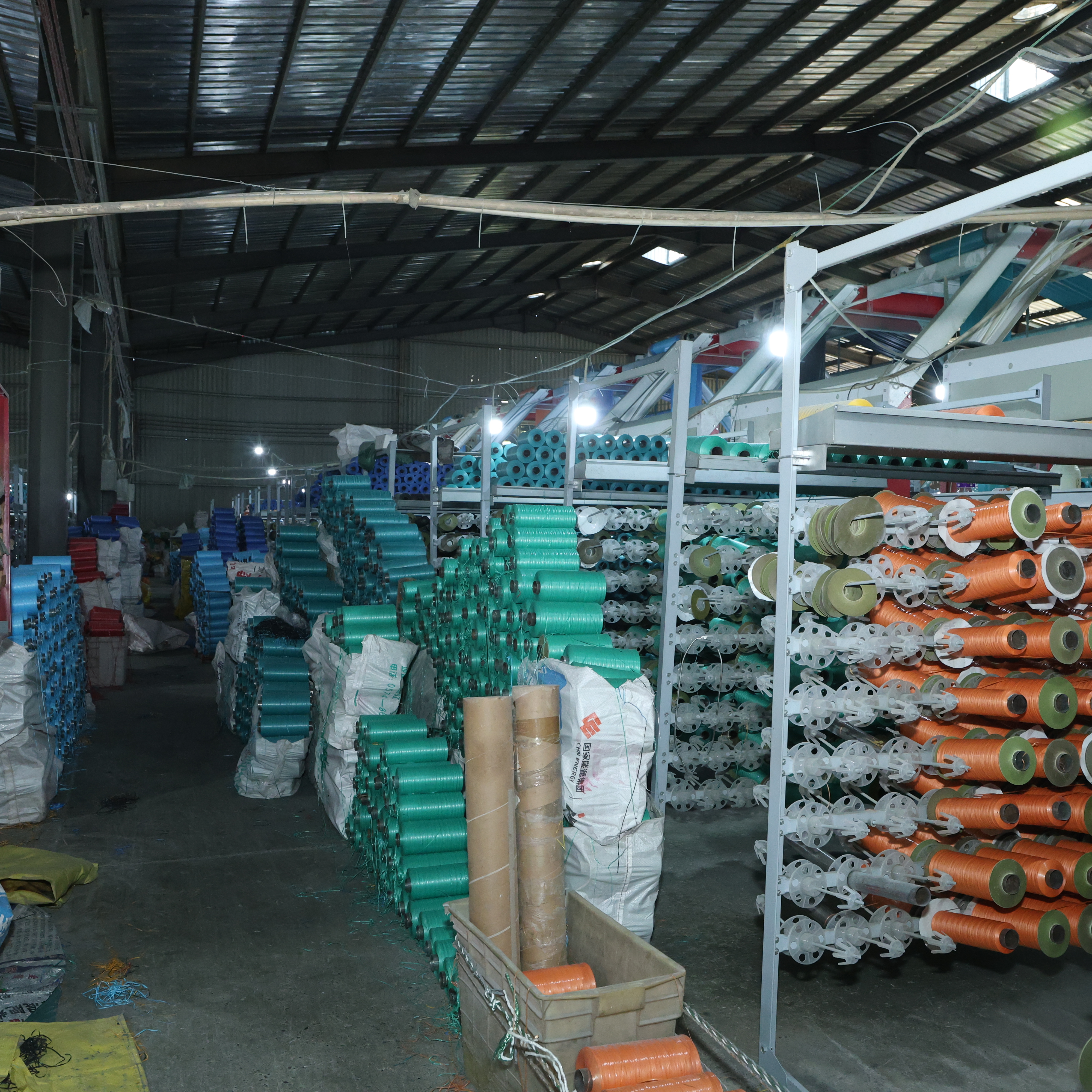
When sourcing packaging solutions globally, understanding the inspection protocols used by a reliable PP woven bag supplier becomes essential to ensure product consistency and supply chain reliability. Industrial buyers depend on stringent quality controls to protect their operations and maintain customer satisfaction. The difference between a competent supplier and an unreliable one often lies in their commitment to systematic inspection procedures that catch defects before shipment.
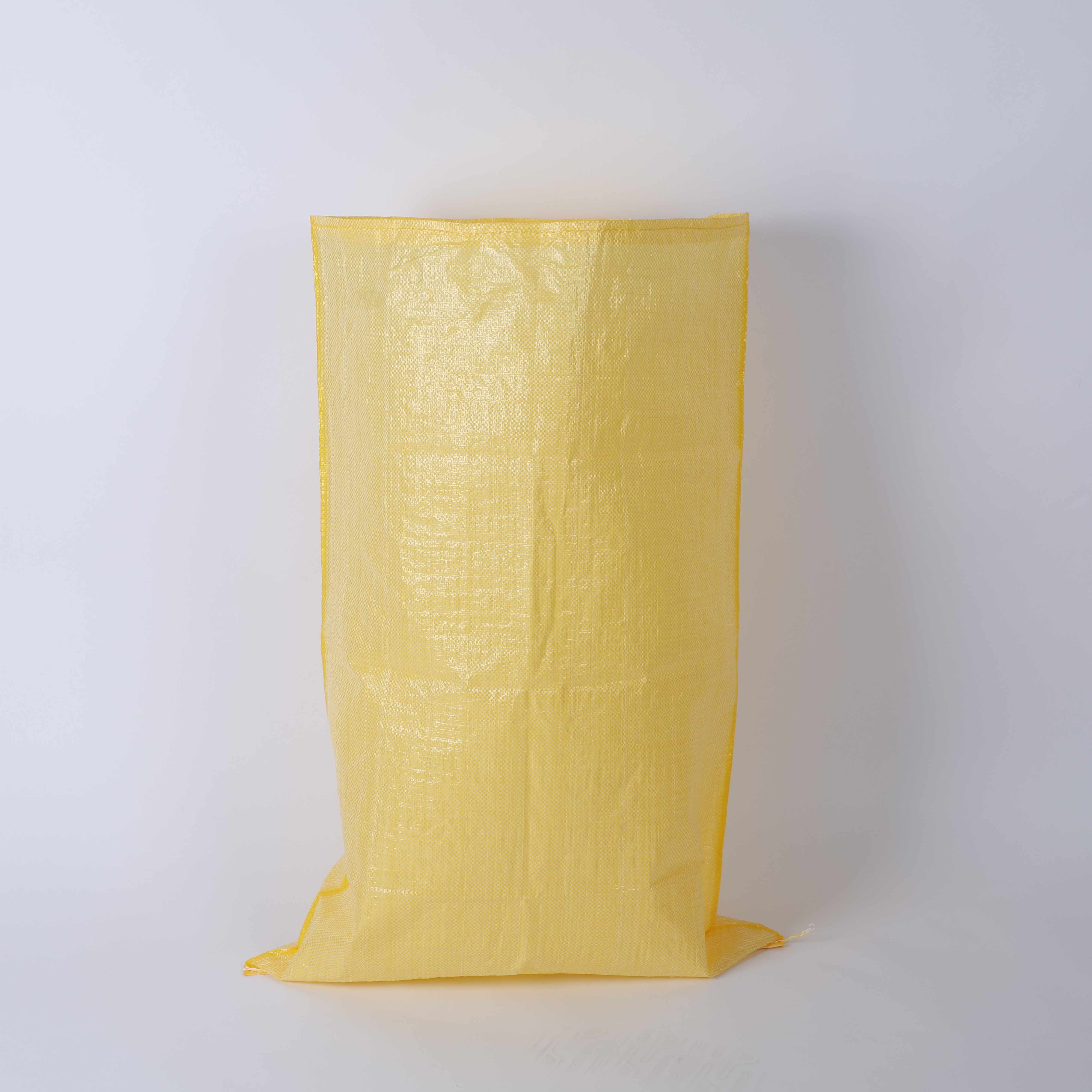
Quality assurance in the woven bag industry requires multiple layers of inspection throughout production and packaging stages. A trustworthy pp woven bag factory implements comprehensive protocols that assess raw material quality, monitor manufacturing processes, and verify final product specifications before dispatch. These systematic approaches protect both supplier reputation and buyer confidence in bulk woven bag supply arrangements.
Reliable woven bag wholesale operations begin with thorough inspection of incoming raw materials. Suppliers examine polypropylene resin batches for consistency, molecular weight, and melt flow rates that meet production specifications. Material certifications are cross-checked against actual sample testing to confirm authenticity and prevent substandard inputs from entering production lines.
Filament quality directly influences the final product's strength, durability, and appearance. A dedicated pp bag export business maintains relationships with certified material vendors and performs regular audits on their quality management systems. This upstream vigilance prevents production delays and ensures that every bulk woven bag supply maintains consistent performance standards across customer shipments.
Pigment consistency and additive uniformity are critical checkpoints for woven bag suppliers. Inspectors test color samples against established standards to detect variations that could compromise aesthetic appeal or indicate material degradation. UV stabilizers, anti-static agents, and other functional additives are verified through chemical analysis to confirm proper dosing and effectiveness in finished products.
Documentation trails track every material batch through testing phases. A reputable pp woven bag factory maintains detailed records linking raw material certifications to production batches and final shipments. This traceability enables rapid response if issues arise during customer use and demonstrates the supplier's commitment to accountability in bulk woven bag supply chains.
During the weaving phase, inspection personnel continuously monitor fabric density, width uniformity, and weave pattern consistency. Tension sensors and optical systems track filament alignment throughout the production run, and operators conduct periodic manual inspections to identify defects like slubs, breaks, or foreign inclusions. These real-time controls minimize waste and prevent defective material from reaching downstream stages in pp bag export operations.
Lamination quality represents another critical checkpoint for woven bag suppliers focusing on enhanced barrier properties. Adhesive application, film thickness, and layer adhesion are tested at intervals throughout the lamination process. A woven bag wholesale provider uses destructive and non-destructive testing methods to confirm that laminated layers maintain integrity under expected storage and transport conditions, protecting the long-term durability of bulk woven bag supply.
Converting operations require precise dimensional control and print quality assurance. Bags are measured for width, length, gusset size, and seam strength at multiple points during conversion. Print registration, ink saturation, and color accuracy are verified against customer artwork approvals to ensure that branded pp woven bag factory output matches specification expectations.
Seam integrity testing includes tensile strength checks on heat-sealed and stitched seams. A dependable pp bag export business conducts random seam tear tests throughout production runs to identify potential equipment drift or material variability. These measures ensure that bulk woven bag supply products maintain their structural integrity during filling, handling, and transport in customer warehouses.
Before dispatch, each production batch undergoes comprehensive final inspection protocols. Woven bag suppliers verify bag dimensions, assess print clarity, check for physical defects, and perform burst strength or puncture resistance tests on representative samples. These tests confirm that products meet or exceed contractual specifications and customer expectations for bulk woven bag supply orders.
A reliable woven bag wholesale operation maintains calibrated testing equipment to measure tensile strength, tear resistance, and water vapor transmission rates according to relevant industry standards. Documentation of test results is retained for each batch, providing verifiable evidence of quality compliance. This commitment to measurable outcomes distinguishes quality-focused pp woven bag factory suppliers from those relying on informal or inconsistent inspection practices.
Final inspection extends beyond product quality to packaging integrity and shipment preparation. Inspectors verify that bags are properly stacked, palletized, and wrapped to withstand long-distance transportation. Load securing, moisture barriers, and protective measures against environmental contamination are confirmed before pp bag export documentation is finalized.
Batch labeling, lot traceability, and shipping documentation accuracy are cross-verified to prevent shipping errors and facilitate efficient receiving at customer facilities. A dedicated bulk woven bag supply coordinator ensures that each shipment includes accurate certificates of analysis, quality test reports, and specifications summaries. These practices establish transparent communication channels between pp woven bag supplier and buyer, building confidence in the reliability of ongoing supply partnerships.
Quality-focused suppliers conduct tensile strength testing, burst strength evaluation, tear resistance measurement, and dimensional verification on representative samples from each production batch. Additional tests may include water vapor transmission rate assessment, UV aging simulation, and seam strength verification depending on customer application requirements and pp woven bag factory capabilities.
Material inspection should occur upon every incoming delivery from raw material vendors, with periodic resampling during extended production runs. A professional woven bag wholesale provider implements daily or shift-based inspection routines and maintains documented evidence of all tests performed on material batches before they enter production. This frequency ensures consistent quality across bulk woven bag supply orders.
Complete traceability links raw material batches to finished products and customer shipments, enabling rapid identification and remediation if issues arise post-delivery. A responsive pp woven bag factory maintains detailed records connecting material certifications, production dates, test results, and shipment information. This accountability demonstrates that the supplier takes quality seriously and stands behind its commitment to reliable pp woven bag supplier performance standards.

Discover the 4 critical production metrics—throughput, defect rate, equipment uptime & on-time delivery—to vet factories confidently.

Ensure regulatory compliance & worker safety with proven methods for chemical woven bags—material selection, labeling, storage & training.

Discover the full PP woven bag manufacturing workflow—from extrusion & weaving to printing & QC. Boost efficiency, compliance & ROI. Download the process guide now.

Struggling with weak bags or high material waste? Master extrusion and tape drawing tech for stronger, cheaper PP woven bags. Optimize your production line now.

Struggling with defects or customer returns? Discover the 5 non-negotiable quality checkpoints across your woven bag production line
Which automation tier is right for your PP woven bag factory? Compare manual to Industry 4.0 systems for cost, quality, and scalability.
Get in touch for details on polypropylene woven bags and flexible packaging solutions.
Tel
Address
No.2015, Liaoyuan Building, Lanshan District, Linyi City, Shandong Province.China

