 EN
How to Assess Production Efficiency at a PP Woven Bag Factory
Discover the 4 critical production metrics—throughput, defect rate, equipment uptime & on-time delivery—to vet factories confidently.

2026/08/27
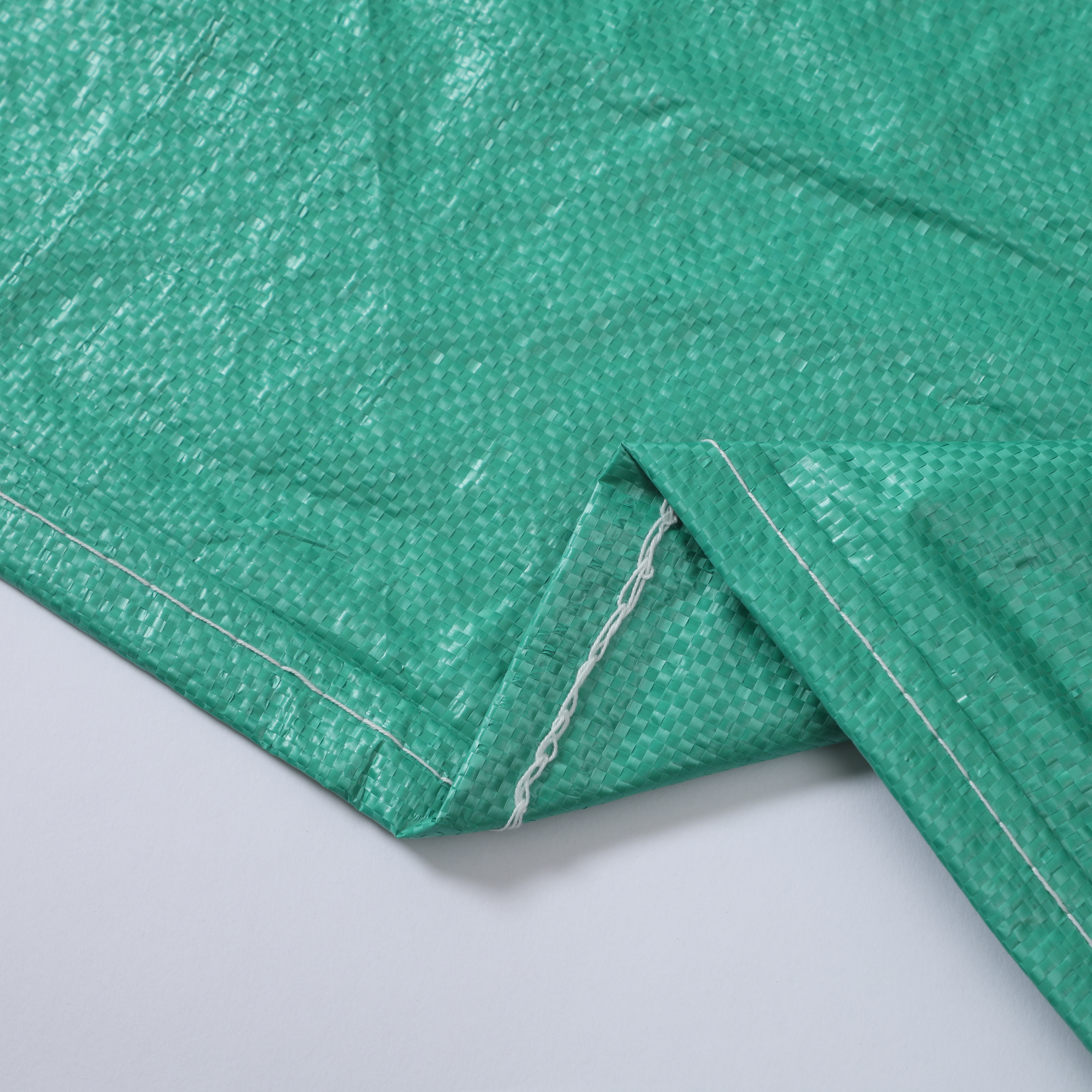
Lamination layers represent one of the most critical factors determining the strength, longevity, and performance of modern industrial packaging solutions. When examining how materials protect valuable goods during storage and transport, understanding lamination technology becomes essential for procurement professionals and packaging engineers. A pp woven bag constructed with strategically designed lamination layers delivers superior durability compared to single-layer alternatives, directly impacting product safety, warehouse efficiency, and total cost of ownership across the supply chain.
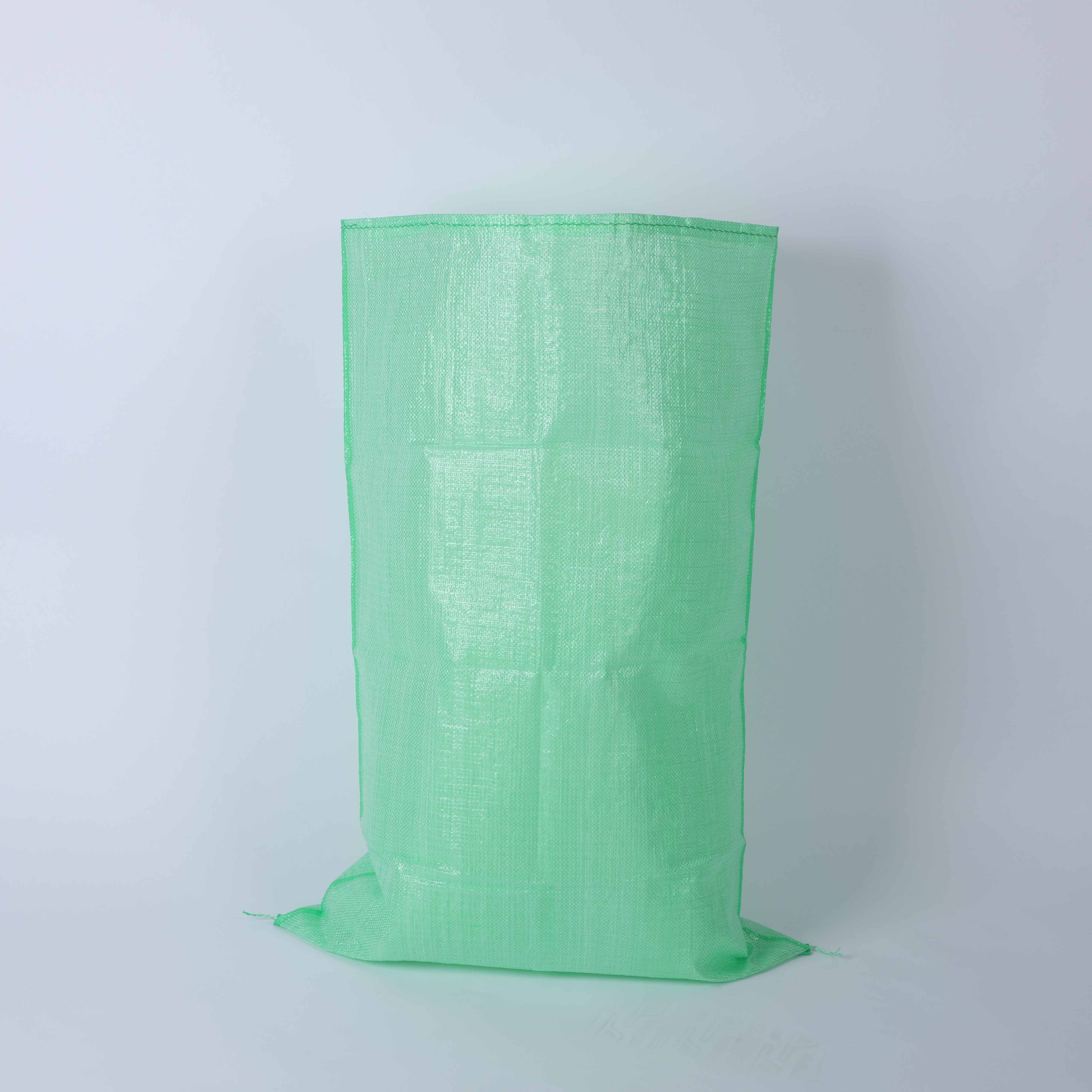
The structure of polypropylene woven bags fundamentally depends on how lamination layers are applied, bonded, and positioned throughout the material. Multiple lamination strategies protect against moisture infiltration, chemical exposure, UV degradation, and mechanical stress that bags encounter during real-world distribution. By studying lamination construction principles, businesses can select the right woven polypropylene packaging solutions for their specific operational requirements, whether managing agricultural products, chemicals, minerals, or food-grade materials.
A polypropylene woven bag without lamination consists of interlaced polypropylene tape creating a porous fabric structure. While this basic weave provides initial containment, environmental exposure quickly compromises unprotected materials. Lamination introduces one or more protective films bonded directly to the woven substrate, creating sealed barrier surfaces that prevent moisture, dust, and contaminants from entering the package interior. Single-layer lamination adds basic protection by sealing the outer surface, whereas multi-layer designs employ strategic placement of protective films on both sides or incorporate specialized barrier materials between woven layers.
The adhesive system connecting lamination films to the woven polypropylene base determines overall durability performance. Industrial-grade adhesives create permanent molecular bonds that withstand temperature fluctuations, mechanical flexing, and environmental stress without delamination. A high-quality pp woven sack features adhesive systems specifically engineered for the intended application environment. Weak or incompatible bonding results in layer separation, moisture seepage, and premature bag failure. Manufacturers evaluate adhesive performance through standardized testing including peel strength, heat resistance, and humidity exposure to ensure lamination layers remain permanently fused throughout the product lifecycle.
Moisture represents one of the primary threats to product quality during storage and distribution. Laminated pp bulk bags create hydrophobic barriers that dramatically reduce water vapor transmission into the package. Products sensitive to moisture degradation, including foods, pharmaceuticals, and hygroscopic chemicals, require moisture barriers that lamination layers provide. A single polypropylene woven bag without lamination allows gradual moisture infiltration through woven gaps, while laminated constructions reduce moisture transmission rates by up to ninety-five percent, depending on film thickness and barrier material selection. This moisture protection extends shelf life, prevents product clumping or oxidation, and maintains quality standards throughout extended storage periods.
Lamination layers significantly increase mechanical strength by reinforcing the woven substrate at microscopic levels. When films bond to polypropylene fibers, they create composite structures that distribute stress more evenly across the material rather than concentrating tension at single fiber points. This enhanced stress distribution directly translates to improved tear resistance, puncture resistance, and abrasion tolerance. Industrial environments subject bags to constant friction, sharp objects, and rough handling. A woven polypropylene packaging solution with multi-layer lamination withstands these mechanical challenges far more effectively than unlaminated alternatives. The composite structure absorbs impact energy rather than transferring stress directly to individual fibers, preventing catastrophic failures that result in product loss.
Different lamination materials offer specialized environmental protection tailored to specific application scenarios. Ultraviolet-blocking films protect outdoor-stored materials from sun damage and photodegradation, while chemical-resistant polymers create barriers against oil, solvents, and corrosive substances. Agricultural applications storing fertilizers or pesticides require pp woven bags featuring chemical-resistant lamination layers that prevent product degradation and environmental contamination. Lamination extends product viability by shielding the woven base from exposure conditions that would otherwise cause rapid material deterioration. This environmental protection proves especially valuable in tropical climates with intense solar radiation or industrial settings where chemical vapor exposure occurs regularly.
Different industries and products demand distinct lamination approaches based on their unique environmental demands. Dry goods storage applications benefit from lightweight single-layer lamination providing cost efficiency and basic barrier protection. Food products and pharmaceuticals typically require food-grade lamination films meeting regulatory standards for direct product contact, often featuring multi-layer constructions that provide moisture, oxygen, and light barriers simultaneously. Heavy industrial applications involving minerals, construction materials, or chemicals demand reinforced lamination with enhanced puncture resistance and chemical compatibility. A polypropylene woven bag specification should match lamination configuration directly to the product being packaged, storage environment, distribution method, and regulatory requirements.
Lamination adds material and manufacturing costs compared to unlaminated woven bags, but this investment generates significant returns through extended product protection and reduced losses. The optimal lamination choice balances protective performance against material cost and production efficiency. Single-layer lamination offers entry-level protection at minimal cost premium, suitable for low-sensitivity applications. Multi-layer or specialized barrier lamination costs more but prevents catastrophic product loss in high-value or sensitive material categories. A strategic pp woven sack procurement approach evaluates total cost of ownership including product protection value, waste reduction, compliance expense, and brand reputation impact rather than focusing solely on material unit price.
Lamination films create hydrophobic barrier surfaces bonded to the woven polypropylene base, blocking moisture vapor transmission through the bag walls. Unlike unlaminated bags where moisture gradually infiltrates through woven gaps, laminated constructions reduce vapor transmission rates substantially, protecting sensitive products throughout storage and distribution. The specific moisture barrier performance depends on lamination film thickness, material composition, and bonding quality.
Single-layer lamination applies protective film to one bag surface, providing basic moisture and dust protection at lower cost. Multi-layer lamination applies protective films to both surfaces or incorporates specialized barrier materials between layers, offering enhanced protection against multiple environmental threats simultaneously. Multi-layer configurations provide superior performance for high-value products, sensitive materials, or harsh storage environments but cost more due to additional materials and processing steps.
Yes, lamination substantially extends outdoor storage lifespan by incorporating ultraviolet-blocking films that prevent photodegradation and sun damage to the polypropylene base. UV-protective lamination maintains material strength and integrity through extended exposure to direct sunlight, preventing brittleness and material breakdown that unlaminated bags experience. This UV protection proves particularly valuable in agricultural and construction applications subject to outdoor storage conditions.

Discover the 4 critical production metrics—throughput, defect rate, equipment uptime & on-time delivery—to vet factories confidently.

Ensure regulatory compliance & worker safety with proven methods for chemical woven bags—material selection, labeling, storage & training.

Discover the full PP woven bag manufacturing workflow—from extrusion & weaving to printing & QC. Boost efficiency, compliance & ROI. Download the process guide now.

Struggling with weak bags or high material waste? Master extrusion and tape drawing tech for stronger, cheaper PP woven bags. Optimize your production line now.

Struggling with defects or customer returns? Discover the 5 non-negotiable quality checkpoints across your woven bag production line
Which automation tier is right for your PP woven bag factory? Compare manual to Industry 4.0 systems for cost, quality, and scalability.
Get in touch for details on polypropylene woven bags and flexible packaging solutions.
Tel
Address
No.2015, Liaoyuan Building, Lanshan District, Linyi City, Shandong Province.China

