 EN
How to Assess Production Efficiency at a PP Woven Bag Factory
Discover the 4 critical production metrics—throughput, defect rate, equipment uptime & on-time delivery—to vet factories confidently.

2026/08/28
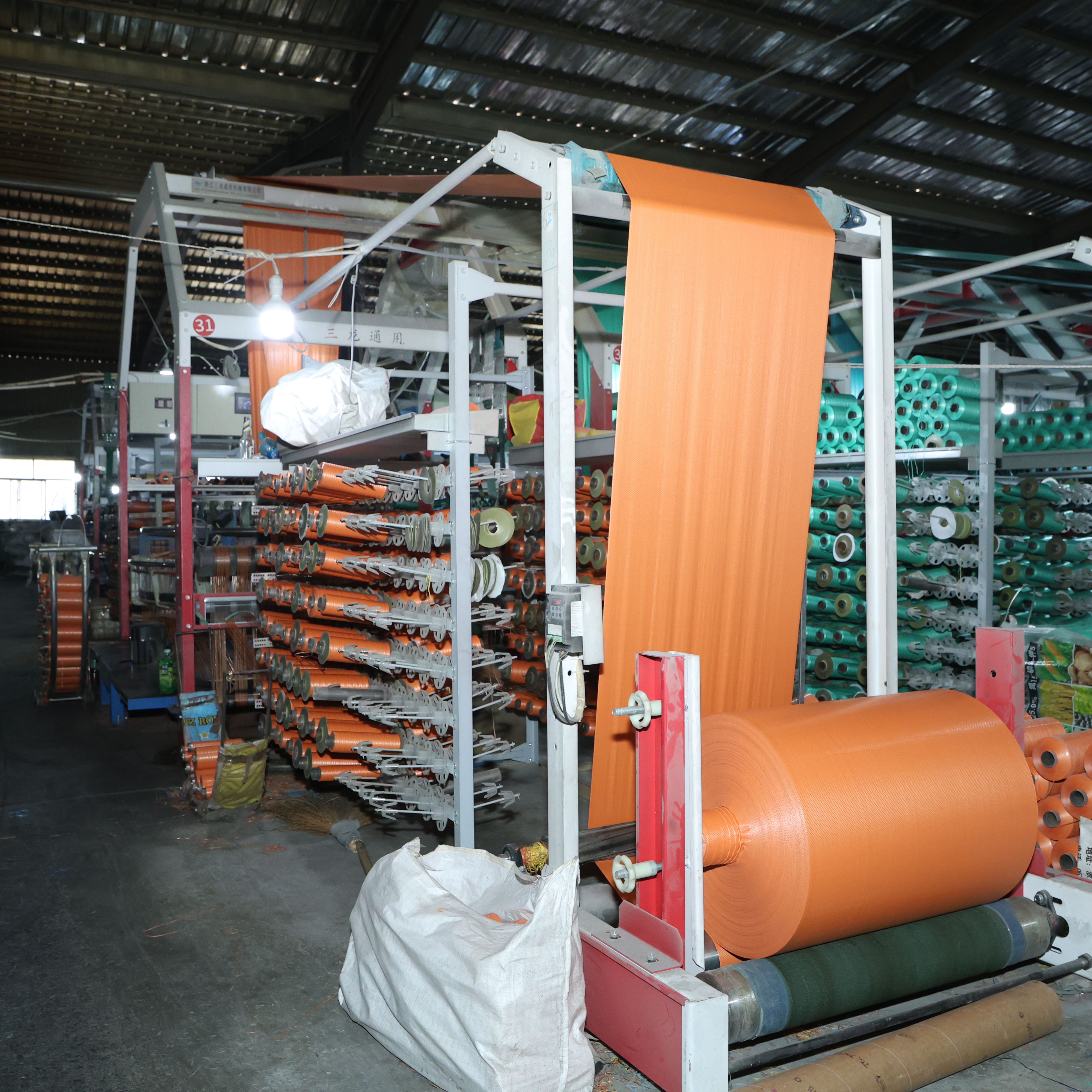
Understanding liner thickness standards is essential for selecting the right packaging solution in industrial and agricultural markets. PE lined woven bags represent a critical advancement in protective packaging, combining the structural integrity of polypropylene with the moisture-resistant properties of polyethylene. The PE Lined construction creates a reliable barrier that prevents contamination and preserves product quality during storage and distribution. This comprehensive guide explores the technical specifications, industry standards, and practical applications of PE lined packaging systems.
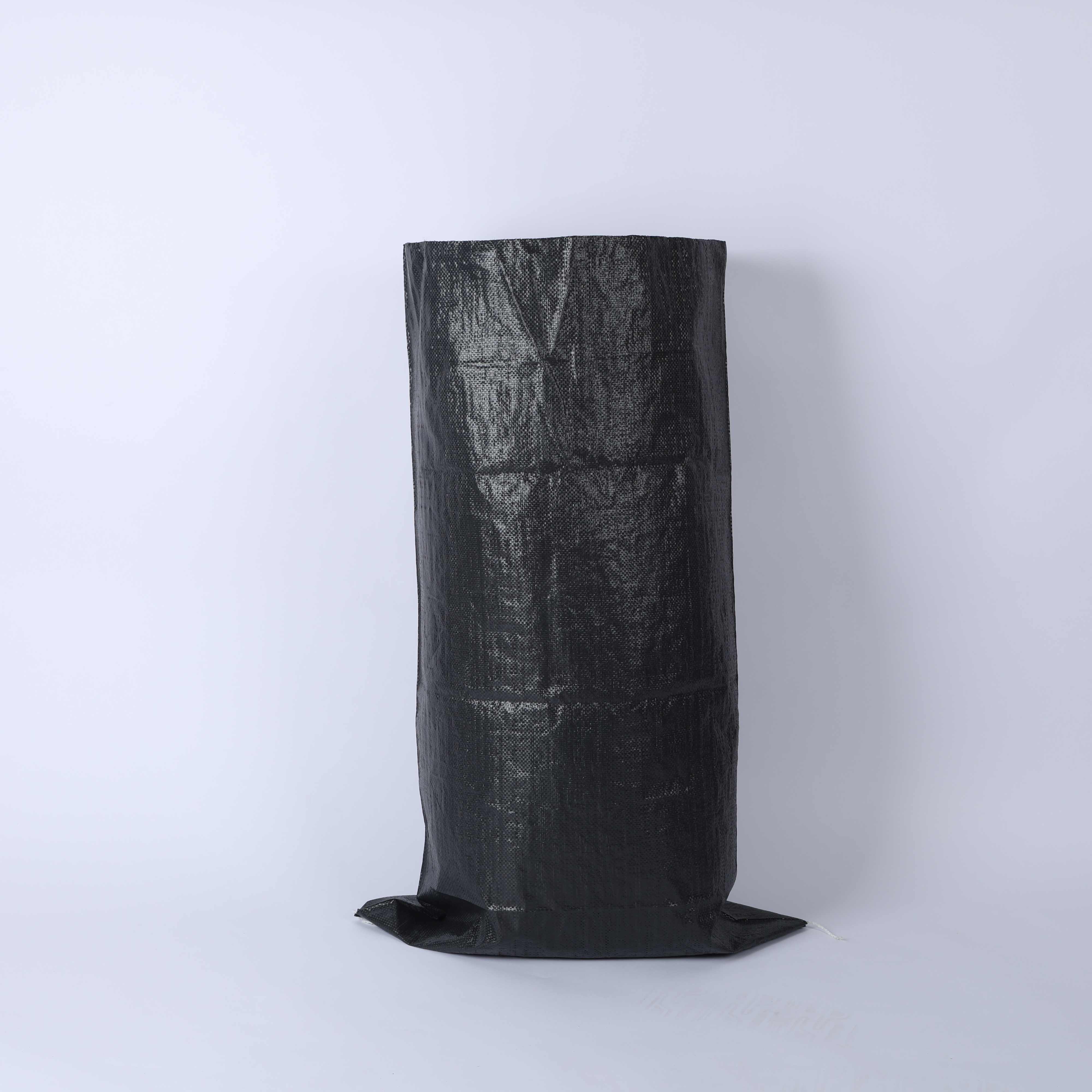
Moisture barrier bags designed with PE liner technology serve multiple industries including agriculture, chemicals, food ingredients, and pharmaceuticals. The pe liner bag construction combines outer polypropylene woven fabric with an inner polyethylene coating that provides superior moisture protection compared to unlined alternatives. Selecting the appropriate thickness for your pe lined woven bag application requires understanding both regulatory requirements and practical performance expectations. Material science and packaging engineering have standardized these measurements to ensure consistent quality and protection across global supply chains.
Industry standards for PE liner bags establish thickness measurements in microns, with common ranges spanning from 50 to 150 microns depending on application requirements. The PP PE composite bag market recognizes that thickness directly correlates with barrier performance, mechanical strength, and product cost. Standard specifications typically classify pe lined woven bag options into light-duty, medium-duty, and heavy-duty categories based on liner thickness and intended use. Regulatory bodies in various regions have established minimum thickness requirements to ensure adequate protection for sensitive commodities.
Food-grade applications require PE liner bags meeting specific thickness thresholds to comply with FDA and European Union regulations. The moisture barrier bag specifications mandate that thickness alone does not guarantee performance; the polyethylene formulation, resin grade, and coating uniformity equally influence protective effectiveness. Pe lined woven bag manufacturers must document thickness consistency throughout production batches, with quality assurance protocols typically verifying measurements at multiple points across each bag. Heavy-chemical applications often demand pp pe composite bag designs with thicker liners, sometimes exceeding 120 microns, to resist aggressive substance interaction and prevent material degradation.
Thicker PE liner bags provide superior moisture protection, though industry testing demonstrates that 80-micron specifications achieve adequate barrier performance for most agricultural commodities. The PE Lined construction prevents water vapor transmission through the bag wall, protecting contents from humidity fluctuations during tropical shipping routes or long-term warehouse storage. Performance testing on pe liner bag samples reveals that thickness above 100 microns shows diminishing returns in moisture protection while significantly increasing material costs. A moisture barrier bag with optimized thickness balances protection capability against economic efficiency, making 75 to 90-micron PE liners the standard choice for cost-conscious bulk packaging applications.
The pp pe composite bag structure derives mechanical strength from the outer polypropylene weave rather than the internal PE liner alone. Thicker PE lined woven bag designs offer increased puncture resistance and improved load-bearing capacity when stacked in storage facilities. Testing protocols for pe liner bags measure both tear resistance and burst strength, with liner thickness contributing meaningfully to overall bag durability. Industrial applications involving rough handling, exposure to sharp materials, or outdoor environments benefit from thicker liners that resist puncturing and maintain barrier integrity even after minor damage.
Agricultural commodities including grains, seeds, and dried products typically require PE liner bags with 50 to 75-micron thickness, providing adequate moisture protection without excessive cost. Chemical products with higher risk profiles often demand pp pe composite bag construction featuring 100 to 150-micron liners to prevent leaching and contamination. Pharmaceutical and food ingredient manufacturers select moisture barrier bag specifications based on precise product sensitivity testing and regulatory documentation. The PE Lined bag choice must align with supply chain conditions, including climate exposure, storage duration, and transportation method, ensuring the selected thickness maintains product integrity throughout the distribution cycle.
Investing in thicker PE liner bags reduces spoilage rates and product loss, ultimately lowering total packaging costs despite higher initial material expenses. The pe liner bag thickness decision requires comparing material cost increases against potential loss value if inadequate moisture protection occurs. Bulk commodity buyers often conduct comparative studies on pe lined woven bag performance across different thickness levels to identify optimal specifications. pp pe composite bag pricing typically increases 15 to 25 percent for every 25-micron thickness increment, making cost-sensitivity analysis essential for procurement decisions affecting large shipment volumes.
For grain and seed storage, a 70-micron PE liner provides adequate moisture protection during typical storage periods. This thickness prevents most ambient humidity from affecting contents while maintaining reasonable packaging costs. Longer storage duration or tropical climates may justify selecting thicker pe liner bags in the 90 to 100-micron range for enhanced protection and reduced spoilage risk.
Thicker PE liner bags add minimal weight, typically less than 5 percent additional shipping expense compared to thinner alternatives. The moisture barrier bag benefit of preventing water absorption actually reduces total weight during transport compared to unprotected products that may absorb environmental moisture. PE lined woven bag thickness has negligible impact on dimensional weight calculations used by freight carriers.
FDA and European food safety standards specify that food-grade pe liner bags must meet 50-micron minimum thickness with proper material certification and traceability documentation. Specific food products may have additional requirements documented in packaging standards organizations and supplier specifications. pp pe composite bag construction for food applications requires both thickness specifications and material composition verification to ensure regulatory compliance.

Discover the 4 critical production metrics—throughput, defect rate, equipment uptime & on-time delivery—to vet factories confidently.

Ensure regulatory compliance & worker safety with proven methods for chemical woven bags—material selection, labeling, storage & training.

Discover the full PP woven bag manufacturing workflow—from extrusion & weaving to printing & QC. Boost efficiency, compliance & ROI. Download the process guide now.

Struggling with weak bags or high material waste? Master extrusion and tape drawing tech for stronger, cheaper PP woven bags. Optimize your production line now.

Struggling with defects or customer returns? Discover the 5 non-negotiable quality checkpoints across your woven bag production line
Which automation tier is right for your PP woven bag factory? Compare manual to Industry 4.0 systems for cost, quality, and scalability.
Get in touch for details on polypropylene woven bags and flexible packaging solutions.
Tel
Address
No.2015, Liaoyuan Building, Lanshan District, Linyi City, Shandong Province.China

