 EN
How to Assess Production Efficiency at a PP Woven Bag Factory
Discover the 4 critical production metrics—throughput, defect rate, equipment uptime & on-time delivery—to vet factories confidently.

2026/08/21
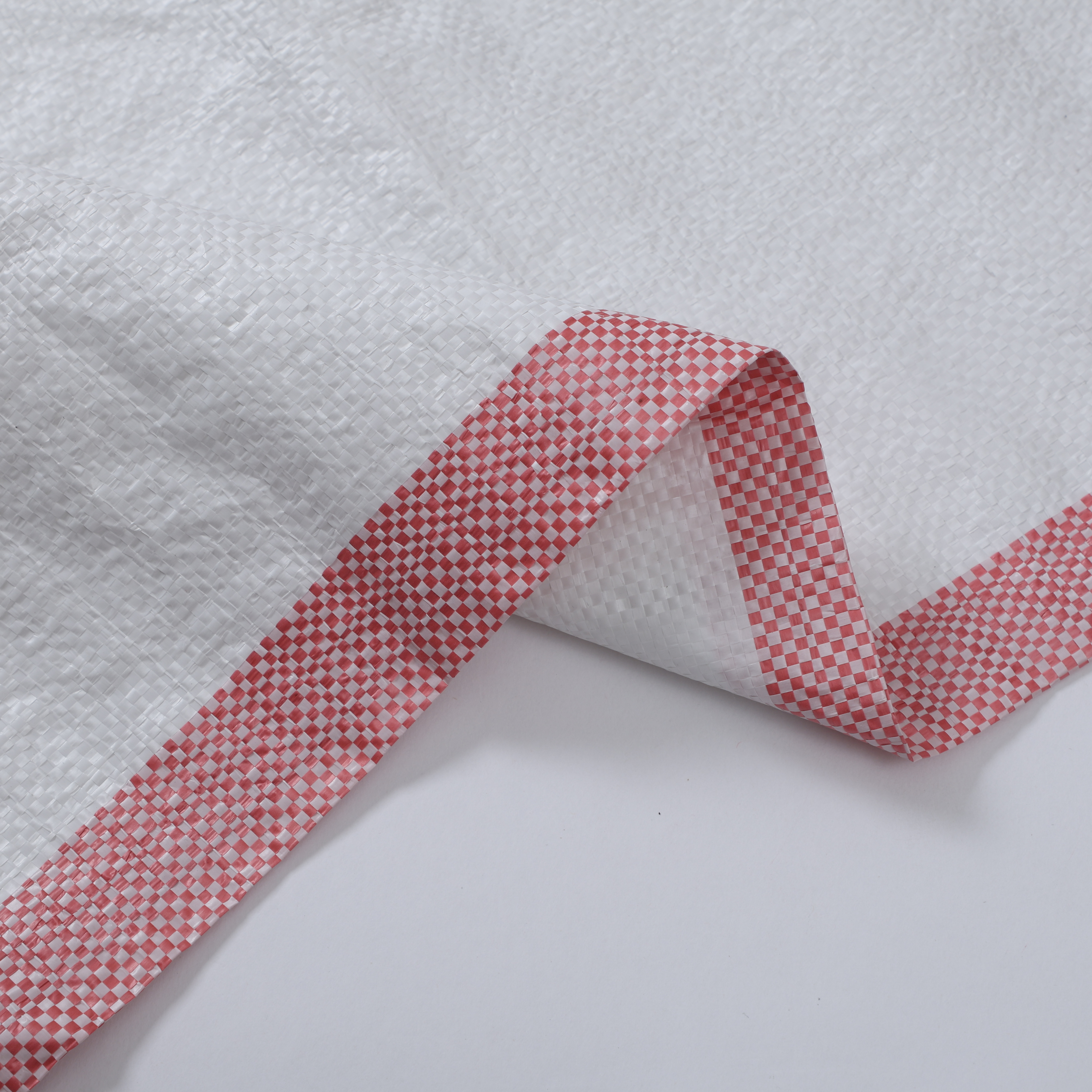
Agricultural packaging bags serve as the backbone of modern farming logistics, protecting crops from harvest through storage and transport. The structural integrity of these containers directly impacts product quality, reduces waste, and determines whether harvested goods reach market intact. Load bearing design—the engineering approach that determines how much weight a bag can safely hold—is fundamental to selecting the right agricultural packaging bags for your operation. Understanding the principles behind this design is essential for farm managers, grain traders, and logistics coordinators who depend on reliable crop packaging solutions.
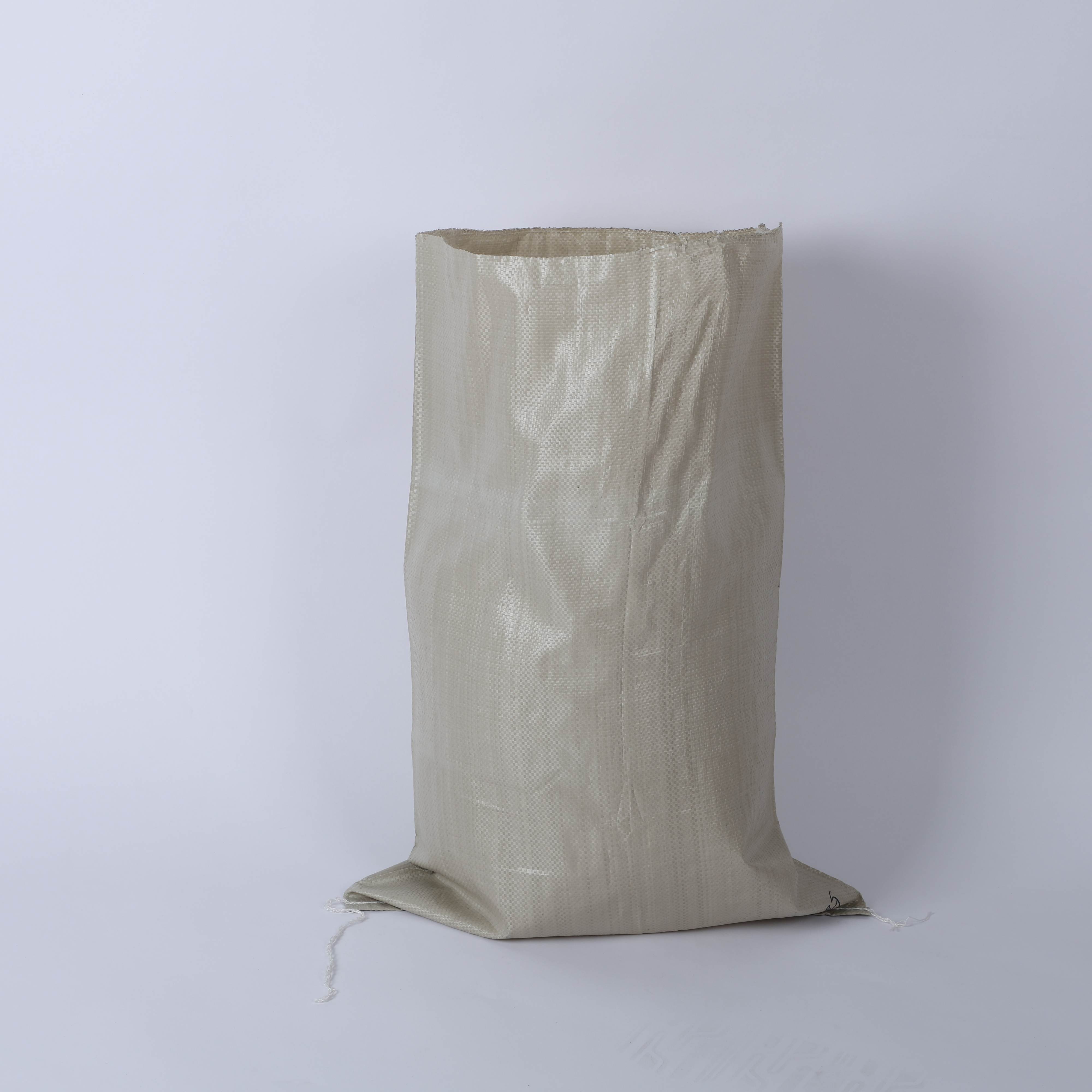
The science of load bearing design applies practical physics and material engineering to ensure that agricultural packaging bags withstand real-world stresses. Whether storing grains, seeds, or processed crops, a farm packaging bag must maintain its integrity when stacked, transported, and handled in challenging farm environments. This article explores the fundamental design principles, material selection factors, and practical applications that define effective load bearing for your produce storage bag needs.
Polypropylene woven fabric forms the foundation of modern agricultural packaging bags, offering an optimal balance between strength and cost-efficiency. The pp agricultural packaging construction process weaves thin polypropylene filaments into a lattice pattern, creating material that resists tearing while remaining flexible enough for practical handling. Each fiber contributes to the bag's tensile strength—the maximum load the material can withstand before breaking. For farm packaging bags intended to hold 50 kilograms or more, the weave density and filament thickness must meet precise specifications to ensure reliable performance under stacking pressure and vibration during transport.
Multi-layer construction enhances load bearing capacity without proportionally increasing material cost. Inner and outer layers work together to distribute stress, preventing localized failure points. The adhesive bonding between layers in pp agricultural packaging creates a unified structure where force distributes evenly across the entire surface rather than concentrating at weak points. This engineering approach allows a 50-kilogram produce storage bag to support multiple times its nominal capacity when stacked vertically, a critical requirement for warehouse efficiency and transport optimization.
Seams represent critical stress concentration zones where two panels of material meet, making seam design a decisive factor in load bearing performance for agricultural packaging bags. A poorly constructed seam fails under load far earlier than the base material itself, causing catastrophic bag failure and product loss. Modern farm packaging bag manufacturers employ reinforced seam techniques including flat-fold construction, sewn seams with multiple thread passes, and adhesive-reinforced overlaps to distribute force across wider areas. Each seam reinforcement method adds measurable load-carrying capacity while maintaining the flexibility required for practical handling during harvest and storage operations.
Crop packaging solutions must account for realistic stacking scenarios where bags support not only their own weight but also the combined load of bags stacked above them. A single produce storage bag holding 50 kilograms may experience bottom-layer pressure exceeding 400 kilograms when eight bags stack vertically—a common warehouse configuration. Load bearing design addresses this challenge through geometric optimization, where the bag's shape, bottom panel reinforcement, and sidewall thickness create a structure that handles concentrated pressure without deformation. The lateral pressure from horizontally stacked bags adds additional complexity, requiring pp agricultural packaging designs that maintain shape integrity under multi-directional stress.
Pressure distribution technology integrates wider bottom panels, graduated sidewall thickness, and strategic reinforcement placement to manage compressive forces. When load bears evenly across the entire bottom surface rather than concentrating at corner points, the bag maintains structural integrity and contents remain undamaged. Agricultural packaging bags designed with this principle resist denting, crushing, and deformation that reduces storage density and damages sensitive crops like grains or seeds. Modern farm packaging bag designs incorporate gusset technology and bottom-fold reinforcement that specifically addresses the unique pressure patterns that occur during realistic farm storage and transport scenarios.
Transportation introduces dynamic loading conditions fundamentally different from static warehouse stacking. Vehicle vibration, acceleration forces, and shifting loads create cyclical stress that weakens material over time through a process called fatigue degradation. Crop packaging solutions must tolerate repeated micro-flexing without developing stress cracks or fiber breakage. The load bearing design of agricultural packaging bags must therefore account for both the maximum static load and the cumulative effect of dynamic stress cycles. pp agricultural packaging using quality filaments and proper weave construction resists fatigue failure significantly better than lower-grade alternatives, justifying the material investment through reduced field losses and improved product delivery quality.
Selecting the correct produce storage bag capacity begins with accurately assessing your operation's actual weight requirements rather than assuming standard sizes fit all purposes. Different crops present different challenges—grain bags require maximum load capacity for economical bulk storage, while seed bags prioritize protection against moisture and pest penetration. Agricultural packaging bags come in standardized capacities ranging from 25 kilograms to 100 kilograms, each designed with appropriate load bearing specifications. Understanding whether your farm packaging bag application involves single-layer stacking or multi-story warehouse configuration directly influences the minimum structural requirements your crop packaging solution must meet.
Quality-grade agricultural packaging bags typically carry rating specifications indicating both nominal capacity and maximum stacking height for safe operation. pp agricultural packaging manufacturers mark these specifications on the bag itself, providing farmers with clear guidance on safe usage limits. Exceeding these limits introduces failure risk, potential product loss, and operational liability. By matching your specific load requirements to appropriately rated agricultural packaging bags, you optimize cost-per-unit, minimize waste from bag failure, and ensure reliable supply chain performance throughout harvest and storage seasons.
Material properties change in response to temperature, humidity, and age, factors that influence how effectively farm packaging bags maintain load bearing capacity over time. Polypropylene becomes more brittle at freezing temperatures, reducing flexibility and increasing tearing risk under load. Conversely, elevated temperatures reduce stiffness and may allow excessive bag deformation under pressure. Moisture absorption, while minimal in quality pp agricultural packaging, still causes slight material expansion that affects dimensional stability. Agricultural packaging bags intended for long-term storage must maintain consistent performance across seasonal temperature variations and varied storage facility conditions, making material durability a critical selection factor for sustainable farm operations.
Multi-layer construction in agricultural packaging bags significantly enhances load bearing through stress distribution and redundancy. When outer, middle, and inner layers bond properly, tensile strength increases beyond simple additive effects because stress distributes across all layers simultaneously rather than concentrating on one surface. A three-layer produce storage bag resists puncture, tearing, and failure modes far better than equivalent single-layer material, allowing thinner individual layers to achieve the same total load capacity while reducing overall material consumption and cost.
Reputable agricultural packaging bags manufacturers follow international standards including ISO 8811 for flexible intermediate bulk containers and AS 4206 for plastics bags. These standards specify testing protocols including tensile strength measurement, tear resistance evaluation, and drop tests that simulate realistic field conditions. pp agricultural packaging meeting recognized standards ensures predictable performance and provides recourse documentation if field failures occur. Selecting farm packaging bags certified to recognized international standards eliminates guesswork and provides objective assurance that your crop packaging solution will perform reliably under stated load conditions.
Storage environment significantly influences load bearing durability for agricultural packaging bags, particularly regarding ultraviolet exposure and temperature cycling. Direct sunlight degrades polypropylene through photochemical breakdown, reducing the material's structural strength progressively over months of outdoor exposure. Temperature fluctuations create micro-stress cycles that accelerate fatigue degradation, especially in produce storage bags subjected to temperature swings between cold nights and warm days. Optimal farm packaging bag storage involves shaded, climate-controlled facilities where temperature remains stable and UV exposure remains minimal, preserving the crop packaging solution's load bearing capacity throughout the season and extending the practical lifespan of reusable containers.

Discover the 4 critical production metrics—throughput, defect rate, equipment uptime & on-time delivery—to vet factories confidently.

Ensure regulatory compliance & worker safety with proven methods for chemical woven bags—material selection, labeling, storage & training.

Discover the full PP woven bag manufacturing workflow—from extrusion & weaving to printing & QC. Boost efficiency, compliance & ROI. Download the process guide now.

Struggling with weak bags or high material waste? Master extrusion and tape drawing tech for stronger, cheaper PP woven bags. Optimize your production line now.

Struggling with defects or customer returns? Discover the 5 non-negotiable quality checkpoints across your woven bag production line
Which automation tier is right for your PP woven bag factory? Compare manual to Industry 4.0 systems for cost, quality, and scalability.
Get in touch for details on polypropylene woven bags and flexible packaging solutions.
Tel
Address
No.2015, Liaoyuan Building, Lanshan District, Linyi City, Shandong Province.China

