 EN
How to Assess Production Efficiency at a PP Woven Bag Factory
Discover the 4 critical production metrics—throughput, defect rate, equipment uptime & on-time delivery—to vet factories confidently.

2026/09/03
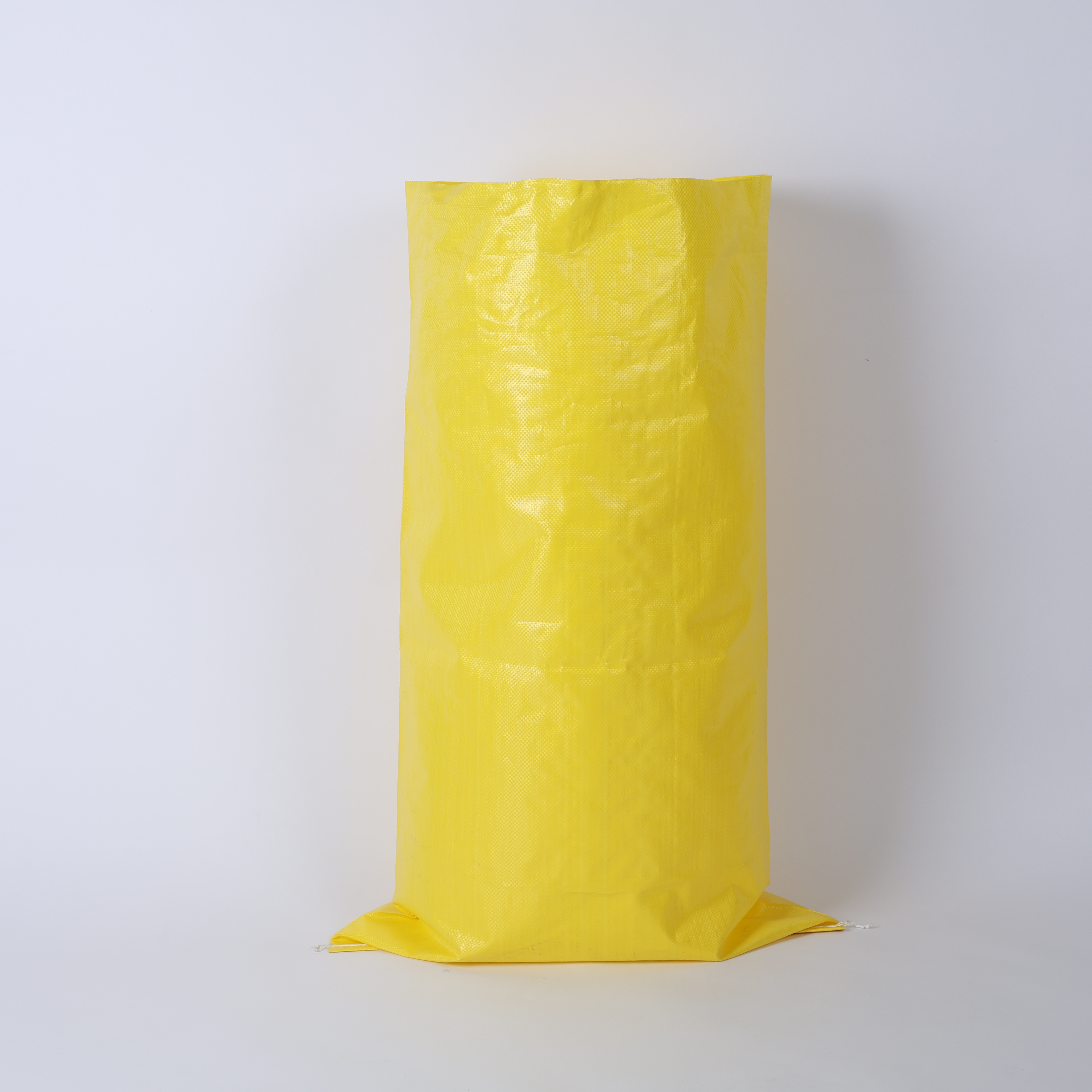
Understanding load capacity loss in bags after repeated reuse is critical for businesses managing inventory, logistics, and sustainability goals. Every time a used bag is cycled back into service, it experiences stress that gradually reduces its structural integrity and weight-bearing capability. This degradation is not random; it follows predictable patterns based on material composition, storage conditions, and reuse frequency. Organizations that rely on recycled woven bags or secondhand pp bags must account for this capacity decline to prevent operational failures, product loss, or safety hazards during transportation and storage.
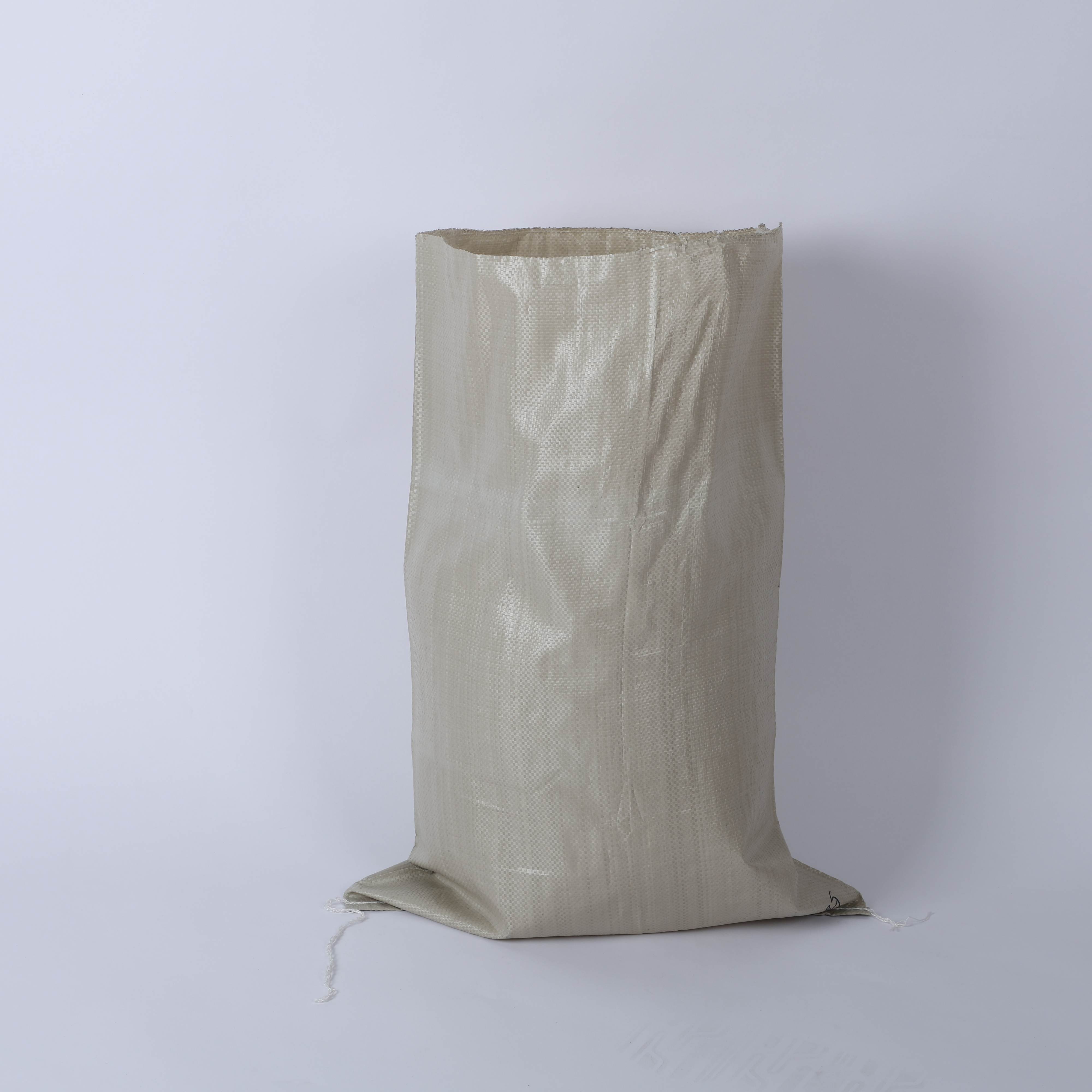
The economics of reused packaging bags depend directly on how long they maintain acceptable load capacity. A reused pp sack that loses 30 percent of its strength after five reuses becomes unreliable for heavy goods, yet may still serve lighter applications. Manufacturers and logistics providers need clear frameworks to assess capacity loss over time, classify bags by remaining strength, and match them to appropriate use cases. This proactive approach maximizes the value extracted from used bag investments while minimizing waste and ensuring product safety.
Polypropylene and other polymers used in recycled woven bags experience molecular chain scission when exposed to repeated mechanical stress, thermal fluctuations, and environmental factors. Each filling, transportation, and storage cycle introduces flexing and strain that weakens chemical bonds within the material. UV exposure, moisture absorption, and temperature extremes accelerate this breakdown, particularly in used pp sacks stored outdoors or in variable climates. The secondhand pp bag loses elasticity and crystalline structure gradually, reducing its ability to distribute stress and resist tearing.
Every time a used bag is filled, moved, or stacked, microscopic fractures form throughout the fabric. These cracks do not appear immediately but accumulate layer by layer, weakening seams, weave patterns, and overall structural cohesion. A reused packaging bag handled roughly experiences faster degradation than one treated carefully, but both decline over successive reuses. The corner reinforcements and stitching in a recycled woven bag deteriorate first, as these areas concentrate stress during handling and transport.
Industry testing protocols measure load capacity loss by comparing the maximum weight a used bag can safely hold against its original specification. Tensile strength tests, burst pressure tests, and tear resistance evaluations provide objective data on how much a reused pp sack has degraded. A used bag that originally supported 50 kilograms might retain only 85 percent capacity after three reuses, then drop to 70 percent after five reuses. This testing informs businesses whether secondhand pp bags are suitable for premium products, standard items, or lower-value goods.
Forward-thinking logistics networks classify recycled woven bags into capacity tiers based on actual testing data. Tier one bags retain 95 to 100 percent original capacity and command premium reuse value. Tier two bags hold 80 to 95 percent, suitable for most standard applications. Tier three reused packaging bags maintain 60 to 80 percent and work for lighter loads or short-distance transport. Tier four used bags below 60 percent capacity are typically recycled into fiber or diverted to non-structural applications. This tiering ensures each reused pp sack is deployed where it can safely perform.
Protecting used bags from direct sunlight, extreme temperature swings, and excessive moisture dramatically slows capacity loss. A recycled woven bag stored in a climate-controlled warehouse retains strength far longer than one left outdoors. Stacking height should be limited to prevent crushing and stress concentration at lower levels. Palletization and modern storage infrastructure allow secondhand pp bags to be rotated systematically, ensuring older units are used before newer ones and maximizing remaining capacity.
The most effective strategy for a reused pp sack is intelligent matching between its remaining capacity and the intended load. Businesses that maintain accurate capacity records and load specifications for each product line can assign used bags optimally. A recycled woven bag unsuitable for heavy grain might excel for lightweight agricultural products or industrial materials with lower density. This flexibility extracts maximum economic value from each secondhand pp bag while maintaining safety and product integrity throughout the supply chain.
Regular visual inspections and spot testing of used bag batches detect premature degradation before critical failures occur. Any used bag showing tears, seam separation, or unusual discoloration should be retired immediately. Preventive maintenance, such as gentle handling protocols and timely washing of reused packaging bags, can extend functional life by 20 to 40 percent. Staff training ensures that workers understand how to load, stack, and transport bags to minimize unnecessary stress and preserve remaining capacity for as long as possible.
Most used bags lose between 5 and 15 percent of their original load capacity after a single reuse cycle, depending on handling intensity, environmental exposure, and the initial quality of the recycled woven bag. Harsh handling or poor storage conditions accelerate this decline, while gentle handling in controlled environments minimizes it. The exact loss varies by material type, weave density, and whether the secondhand pp bag was originally designed for multiple reuses.
Yes, standardized tensile strength and tear resistance tests provide reliable data to estimate remaining service life. By establishing baseline capacity and measuring current capacity, businesses can calculate the rate of degradation and predict when a used pp sack will fall below acceptable thresholds. However, actual field performance depends on real-world handling, storage conditions, and load patterns, so predictions should include safety margins and be validated against field observations.
Absolutely, provided that reused packaging bags are properly classified and matched to appropriate applications. A used bag typically costs 30 to 50 percent less than a new equivalent, making two or three reuse cycles highly profitable even accounting for capacity loss and testing expenses. The sustainability benefits and waste reduction further strengthen the business case, though careful inventory management and honest capacity assessment are essential to avoid costly failures in the supply chain.

Discover the 4 critical production metrics—throughput, defect rate, equipment uptime & on-time delivery—to vet factories confidently.

Ensure regulatory compliance & worker safety with proven methods for chemical woven bags—material selection, labeling, storage & training.

Discover the full PP woven bag manufacturing workflow—from extrusion & weaving to printing & QC. Boost efficiency, compliance & ROI. Download the process guide now.

Struggling with weak bags or high material waste? Master extrusion and tape drawing tech for stronger, cheaper PP woven bags. Optimize your production line now.

Struggling with defects or customer returns? Discover the 5 non-negotiable quality checkpoints across your woven bag production line
Which automation tier is right for your PP woven bag factory? Compare manual to Industry 4.0 systems for cost, quality, and scalability.
Get in touch for details on polypropylene woven bags and flexible packaging solutions.
Tel
Address
No.2015, Liaoyuan Building, Lanshan District, Linyi City, Shandong Province.China

