 EN
How to Assess Production Efficiency at a PP Woven Bag Factory
Discover the 4 critical production metrics—throughput, defect rate, equipment uptime & on-time delivery—to vet factories confidently.

2026/08/13
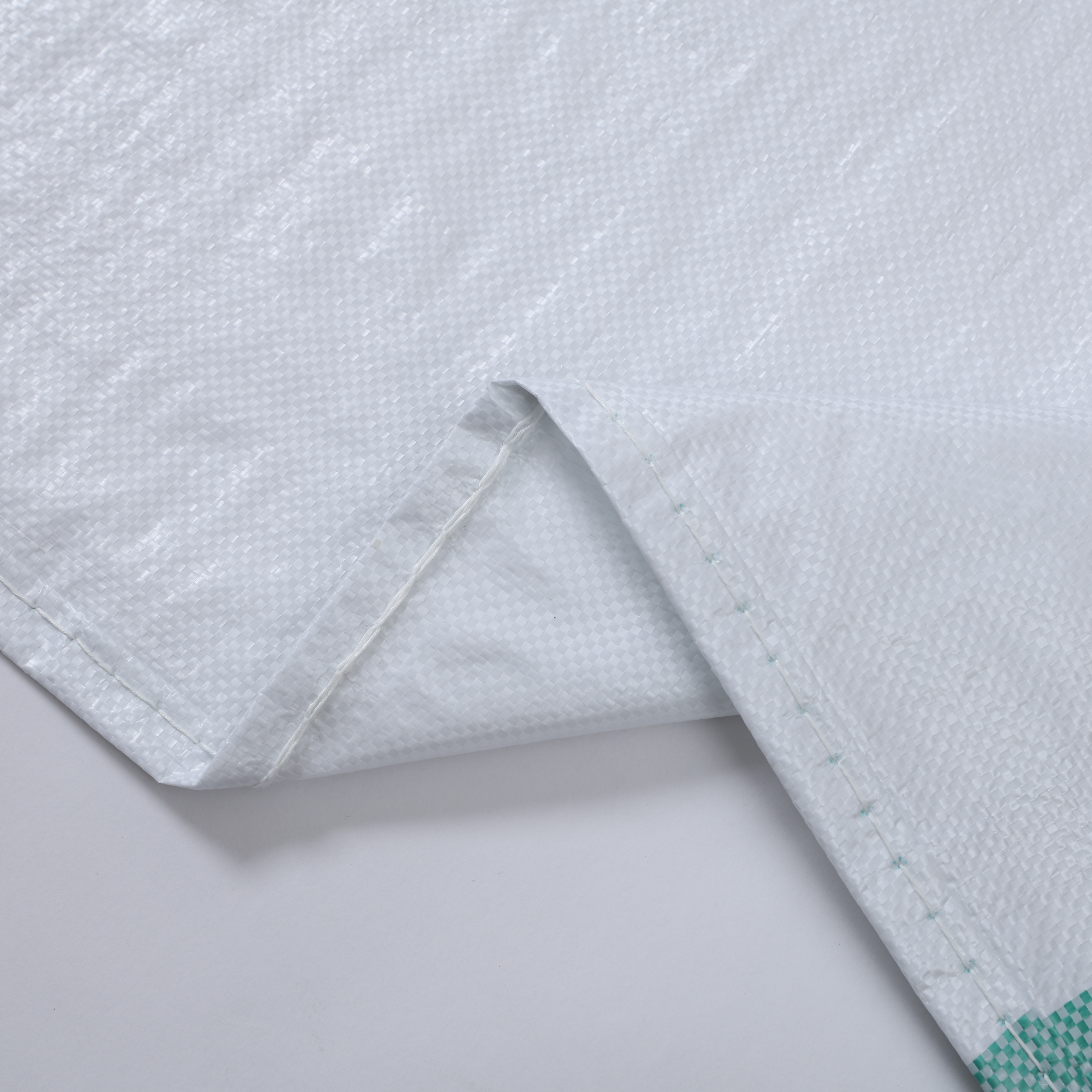
Livestock operations depend on reliable storage and transport solutions, and understanding load capacity requirements for feed bags is essential for operational efficiency and cost management. Feed bags serve as the primary containment for grain, pellets, and other animal nutrition products, yet many farm managers overlook the critical specifications that determine whether these containers will perform safely under real-world conditions. Selecting the right animal feed bag or pp feed sack with adequate load capacity prevents costly failures, product loss, and safety hazards during storage, stacking, and transport.
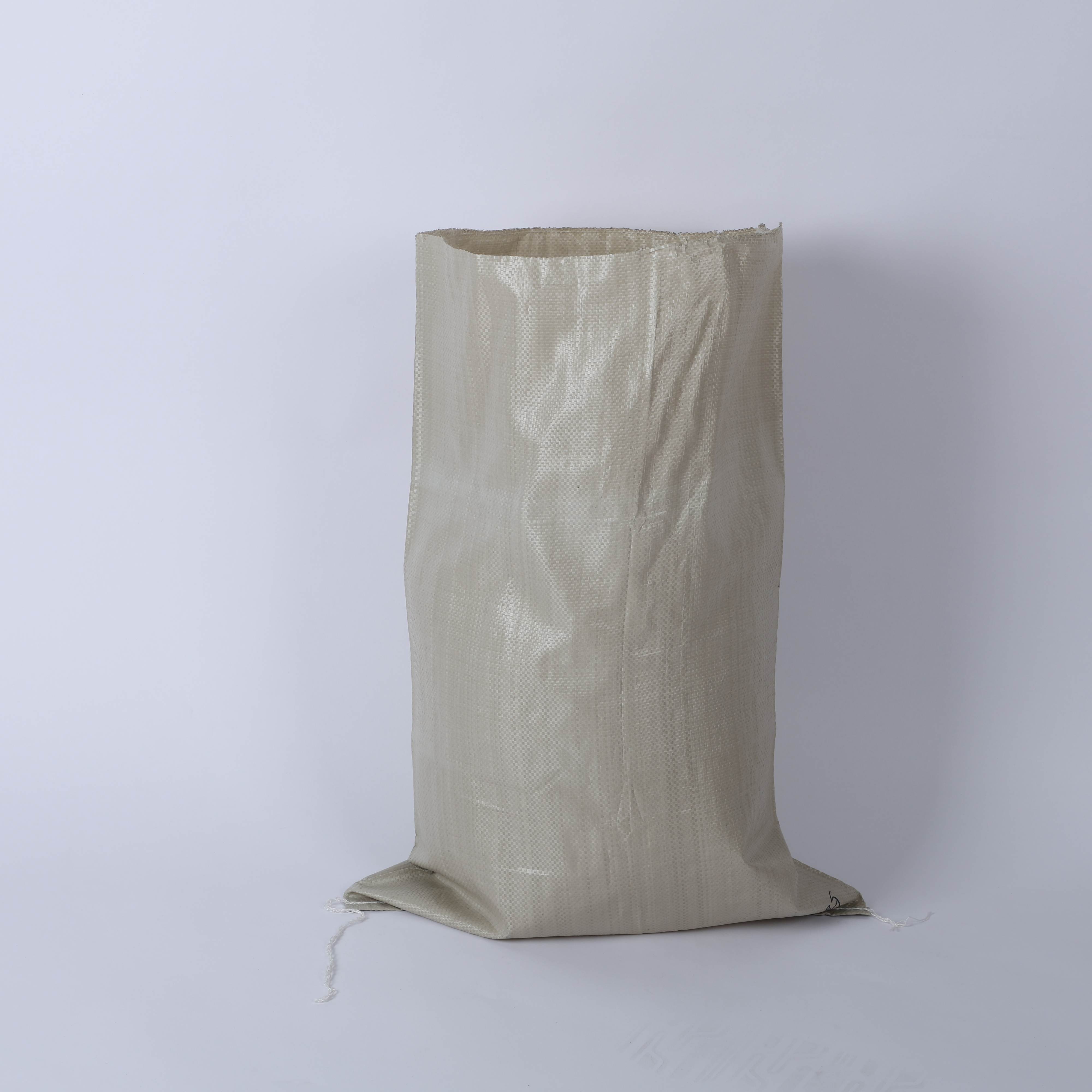
Load capacity refers to the maximum weight a feed bags can safely support without tearing, degrading, or collapsing. This specification encompasses both the weight of contents during filling and the compressive force from stacking during warehouse storage. Feed packaging bag materials, construction methods, and design directly influence how much load these containers can withstand, making load capacity a fundamental technical consideration for any agricultural operation handling bulk animal nutrition.
Load capacity for livestock feed bag products is typically measured through standardized testing that simulates real operational conditions. Manufacturers conduct hydrostatic pressure tests, drop tests, and stacking weight trials to determine maximum safe loads. A pp feed sack rated for 50 kilograms means it can reliably contain and support that weight across multiple environmental conditions, from ambient warehouses to temperature-fluctuating agricultural storage facilities. These certifications ensure that your animal feed bag meets industry safety standards and will perform consistently throughout its service life.
The strength of feed packaging bag materials directly correlates with load capacity. Polypropylene woven fabric, the industry standard for agricultural applications, offers excellent tensile strength while remaining cost-effective. The number of warp and weft threads per square inch, known as thread density, significantly influences how much weight a livestock feed bag can support. Higher thread density creates a tighter weave, improving puncture resistance and load-bearing capability. Lamination layers add additional protection against moisture and environmental stress, further enhancing the structural integrity of animal feed bag solutions during long-term storage.
Every livestock operation has unique load capacity requirements based on feed types, storage methods, and handling practices. Grain-based feeds packed into pp feed sack containers may exceed 50 kilograms, while pelletized formulations might weigh less. Consider your stacking height, warehouse equipment, and staff handling procedures when selecting feed bags. A poultry operation stacking bags four layers high requires different load capacity specifications than a cattle ranch storing bags in single rows. Calculate the total compressive force by multiplying the number of bags per stack by individual bag weight, then add a safety margin of 15 to 20 percent to ensure reliable livestock feed bag performance under real-world stress conditions.
Storage conditions directly affect how well feed packaging bag materials maintain load capacity over time. Exposure to direct sunlight degrades polypropylene fiber strength, reducing a livestock feed bag's ability to support weight as the material ages. High humidity environments can promote moisture absorption in lower-quality bags, adding weight and increasing pressure on bottom bags in stacks. Temperature fluctuations cause material expansion and contraction, creating stress points in feed bags. A properly rated animal feed bag selected with environmental factors in mind maintains consistent load capacity throughout seasonal storage cycles, protecting your investment in feed inventory and preventing preventable losses.
Matching pp feed sack load capacity to your specific products prevents operational disruptions and safety incidents. Standard livestock feed bag ratings typically range from 25 to 50 kilograms, with industrial applications reaching 100 kilograms or more. The most common animal feed bag specification in North American operations is the 50-kilogram capacity, which balances handling convenience with adequate strength for multi-layer stacking. Always verify that your feed packaging bag supplier provides certificates of conformance documenting tested load capacity, ensuring transparency and accountability in product specifications.
Underpacking or overpacking feed bags creates operational risks that extend beyond immediate cost impacts. Overfilled livestock feed bag containers may tear during handling, creating food safety concerns and product waste. Underfilled feed bags waste valuable storage space and increase transportation costs per unit. Establishing standard fill weights within certified load capacity parameters for your animal feed bag selection creates consistency, predictability, and safety across all operational procedures. Document your standard fill weights and train staff on proper handling to maximize the value of your feed packaging bag investment while protecting product integrity and worker safety throughout the supply chain.
The most widely adopted standard is 50 kilograms, which provides adequate strength for typical stacking configurations in storage warehouses while maintaining practical handling weight for farm staff. This pp feed sack capacity balances structural reliability with operational convenience, making it the industry default for most animal feed bag applications across different crop types and livestock industries.
Temperature fluctuations cause polypropylene fiber in livestock feed bag materials to expand and contract, creating micro-stress at molecular levels. This thermal cycling gradually reduces the structural integrity of feed packaging bag weave, potentially lowering effective load capacity by 10 to 15 percent over extended storage periods. Storing pp feed sack products in temperature-controlled environments preserves original load capacity ratings and extends the reliable service life of your animal feed bag inventory.
While higher-rated feed bags support greater individual weight, stacking height decisions must also consider warehouse structure, equipment capabilities, and worker safety protocols. A livestock feed bag with 50-kilogram capacity stacked six layers high creates 300 kilograms of compressive force on bottom bags, potentially exceeding safe limits. Always calculate total stack weight, apply safety margins, and follow your facility's weight distribution guidelines when determining practical stacking height for your feed packaging bag operations.

Discover the 4 critical production metrics—throughput, defect rate, equipment uptime & on-time delivery—to vet factories confidently.

Ensure regulatory compliance & worker safety with proven methods for chemical woven bags—material selection, labeling, storage & training.

Discover the full PP woven bag manufacturing workflow—from extrusion & weaving to printing & QC. Boost efficiency, compliance & ROI. Download the process guide now.

Struggling with weak bags or high material waste? Master extrusion and tape drawing tech for stronger, cheaper PP woven bags. Optimize your production line now.

Struggling with defects or customer returns? Discover the 5 non-negotiable quality checkpoints across your woven bag production line
Which automation tier is right for your PP woven bag factory? Compare manual to Industry 4.0 systems for cost, quality, and scalability.
Get in touch for details on polypropylene woven bags and flexible packaging solutions.
Tel
Address
No.2015, Liaoyuan Building, Lanshan District, Linyi City, Shandong Province.China

