 EN
How to Assess Production Efficiency at a PP Woven Bag Factory
Discover the 4 critical production metrics—throughput, defect rate, equipment uptime & on-time delivery—to vet factories confidently.

2026/08/18
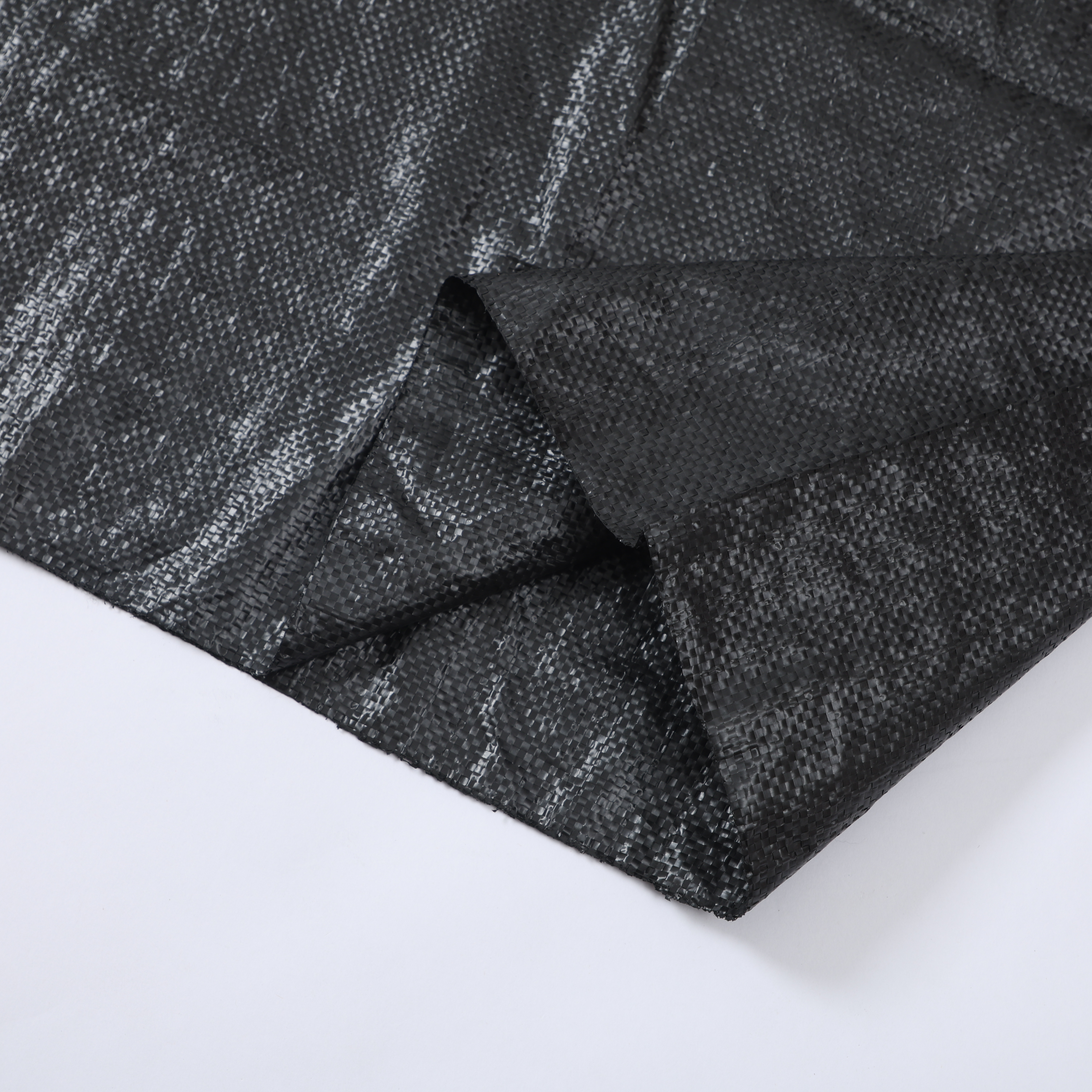
Agricultural bags serve as the backbone of modern farming operations, protecting valuable crops from harvest through storage and distribution. Understanding load rating standards for agricultural bags is critical for farm managers, logistics coordinators, and agricultural businesses seeking to optimize storage efficiency while minimizing product loss. Load ratings define the maximum weight capacity that a bag can safely handle without degradation, puncture, or structural failure. For agricultural packaging professionals, proper knowledge of these standards ensures compliance with safety regulations, reduces waste, and extends the operational life of storage infrastructure.
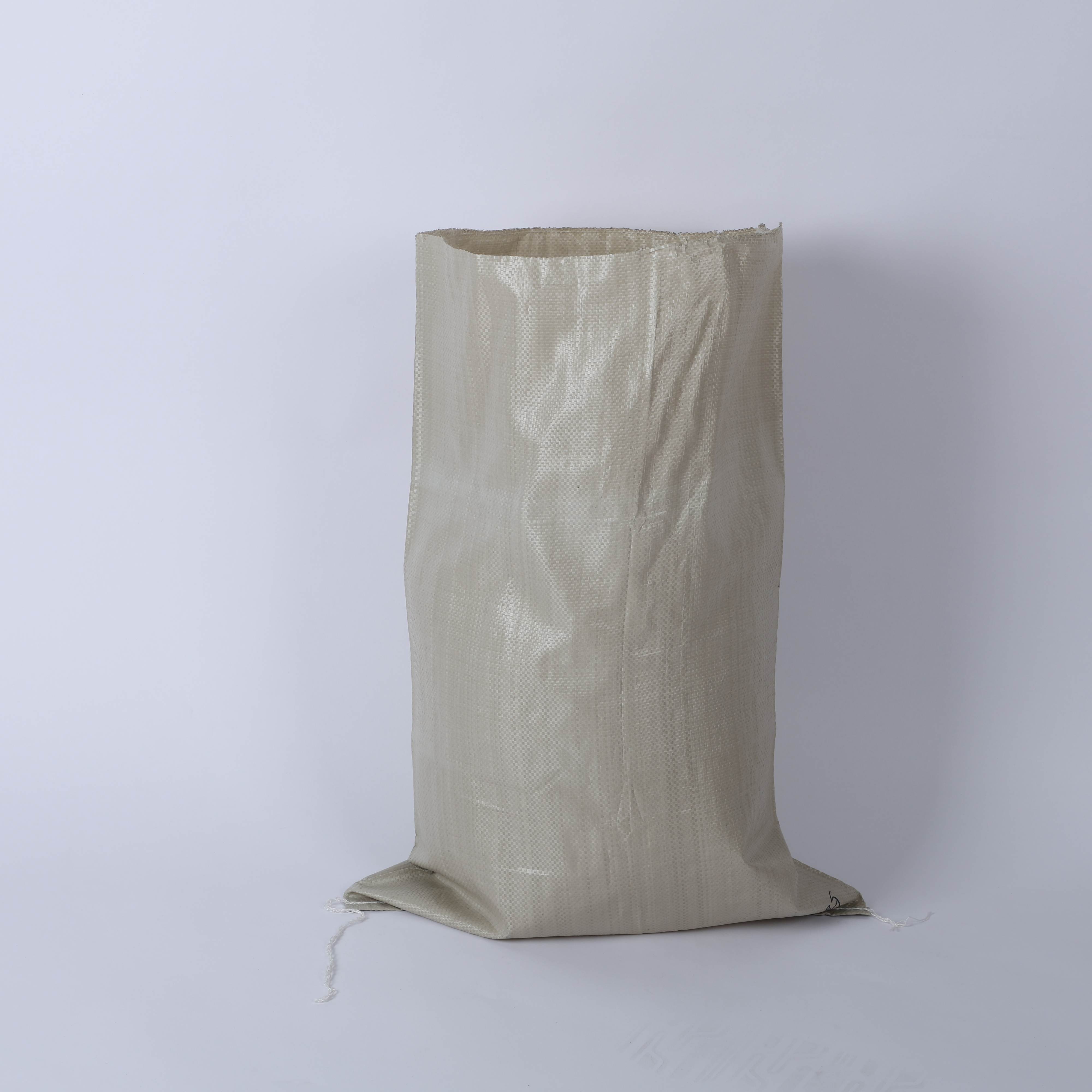
Load rating standards for agricultural bags are determined by multiple factors including material composition, weave density, bag dimensions, and intended use. The most common agricultural bags are manufactured from polypropylene, which offers excellent durability and chemical resistance. A pp agricultural sack must meet specific international and regional standards to guarantee performance across varying climatic conditions and handling scenarios. Farmers and distributors who understand these load rating standards can make informed purchasing decisions, select appropriate packaging for specific crop types, and ensure compliance with transportation and storage regulations.
Load capacity represents the total weight that a pp agricultural sack can accommodate safely under normal storage and transport conditions. International standards such as ISO 2244 and ASTM D4169 establish testing protocols for agricultural packaging materials, defining how much stress a bag must withstand before failure occurs. A typical farm produce bag designed for grain storage may have load ratings ranging from 25 kilograms to 50 kilograms, depending on construction quality and material thickness. Exceeding these rated limits leads to material degradation, seam splitting, and potential product contamination. Manufacturers conduct bursting strength tests, tensile strength assessments, and drop impact tests to certify that each agricultural packaging product meets the required safety thresholds.
Different regions enforce distinct load rating standards based on agricultural practices, transportation infrastructure, and regulatory environments. The European standard EN 13428 specifies requirements for packaging and its environment, including strength and durability criteria. In Asia, where rice and grain storage dominates agricultural production, standards often emphasize moisture resistance and load stability in humid conditions. North American growers typically follow ASTM standards, which define detailed testing methodologies for crop storage bag performance. Understanding these regional variations is essential for agricultural businesses operating in international markets, as compliance with local standards ensures market access and reduces liability risks.
Polypropylene serves as the dominant material in modern agricultural packaging because of its excellent strength-to-weight ratio and cost-effectiveness. The load rating of a pp agricultural sack depends directly on polypropylene grade, filament thickness, and weave pattern. Higher-grade polypropylene combined with multi-layer construction creates stronger bags capable of supporting heavier loads without compromising flexibility. Manufacturers blend virgin and recycled polypropylene to balance sustainability objectives with performance requirements. A farm produce bag constructed with 100-gram-per-square-meter polypropylene typically supports heavier loads than a 50-gram-per-square-meter equivalent, making material specification a critical factor in load rating calculations.
Weave density refers to the number of filaments per linear inch in woven polypropylene fabric, directly influencing the load capacity of agricultural packaging products. Higher weave densities create denser fabric structures that resist puncture, abrasion, and tear propagation more effectively. A crop storage bag with a tight weave pattern maintains its integrity even when subjected to rough handling, stacking pressure, and extended storage periods. Testing standards measure burst strength and tear strength to verify that weave construction meets specified load rating requirements. Agricultural businesses selecting between different pp agricultural sack options should prioritize weave density as a primary indicator of structural durability and long-term value.
Different crops impose varying stress on agricultural packaging based on density, moisture content, and storage duration. Heavy crops such as grains and legumes require agricultural bags with high load ratings, typically 40 to 50 kilograms per bag. Lighter crops including seeds and dried herbs may perform adequately in lower-capacity farm produce bag options. Agricultural professionals must align crop type with load rating specifications to prevent equipment failure and ensure optimal storage conditions. A pp agricultural sack rated for grain storage, for example, includes reinforced seams, superior puncture resistance, and moisture-barrier treatments specific to commodity requirements.
Environmental factors such as temperature, humidity, and storage duration significantly influence the actual performance of agricultural packaging under load. Bags stored in controlled warehouse environments retain their rated capacity longer than those exposed to direct sunlight and temperature fluctuations. A crop storage bag rated for 45 kilograms under standard conditions may safely handle only 35 kilograms in hot, humid tropical climates due to accelerated material degradation. Agricultural businesses operating in variable climates should select pp agricultural sack products with load ratings exceeding typical usage requirements. This safety margin protects against material weakness caused by environmental stress and maintains consistent product quality throughout the storage lifecycle.
Load ratings are determined by material composition, weave density, filament thickness, seam construction, and test results according to international standards. Manufacturers conduct bursting strength, tensile strength, and impact resistance tests to certify load capacity. Environmental factors, stacking height, and handling conditions also influence the actual load-bearing performance in real-world agricultural packaging applications.
Higher load ratings enable safer stacking of bags to greater heights, maximizing warehouse space utilization and reducing per-unit storage costs. A farm produce bag with a 50-kilogram capacity can be stacked higher than a 25-kilogram equivalent while maintaining structural integrity. Proper load rating selection ensures that agricultural packaging systems operate at peak efficiency while minimizing risk of product loss due to bag failure or contamination.
Yes, outdoor storage exposes crop storage bags to ultraviolet radiation, temperature extremes, and moisture fluctuations that degrade material strength over time. Bags rated for indoor warehouse use may perform at only 70–80 percent of their rated capacity when stored outdoors. Agricultural packaging designed for outdoor storage includes ultraviolet stabilizers, reinforced weave patterns, and superior moisture barriers to maintain load capacity across diverse environmental conditions.

Discover the 4 critical production metrics—throughput, defect rate, equipment uptime & on-time delivery—to vet factories confidently.

Ensure regulatory compliance & worker safety with proven methods for chemical woven bags—material selection, labeling, storage & training.

Discover the full PP woven bag manufacturing workflow—from extrusion & weaving to printing & QC. Boost efficiency, compliance & ROI. Download the process guide now.

Struggling with weak bags or high material waste? Master extrusion and tape drawing tech for stronger, cheaper PP woven bags. Optimize your production line now.

Struggling with defects or customer returns? Discover the 5 non-negotiable quality checkpoints across your woven bag production line
Which automation tier is right for your PP woven bag factory? Compare manual to Industry 4.0 systems for cost, quality, and scalability.
Get in touch for details on polypropylene woven bags and flexible packaging solutions.
Tel
Address
No.2015, Liaoyuan Building, Lanshan District, Linyi City, Shandong Province.China

