 EN
How to Assess Production Efficiency at a PP Woven Bag Factory
Discover the 4 critical production metrics—throughput, defect rate, equipment uptime & on-time delivery—to vet factories confidently.

2026/09/04
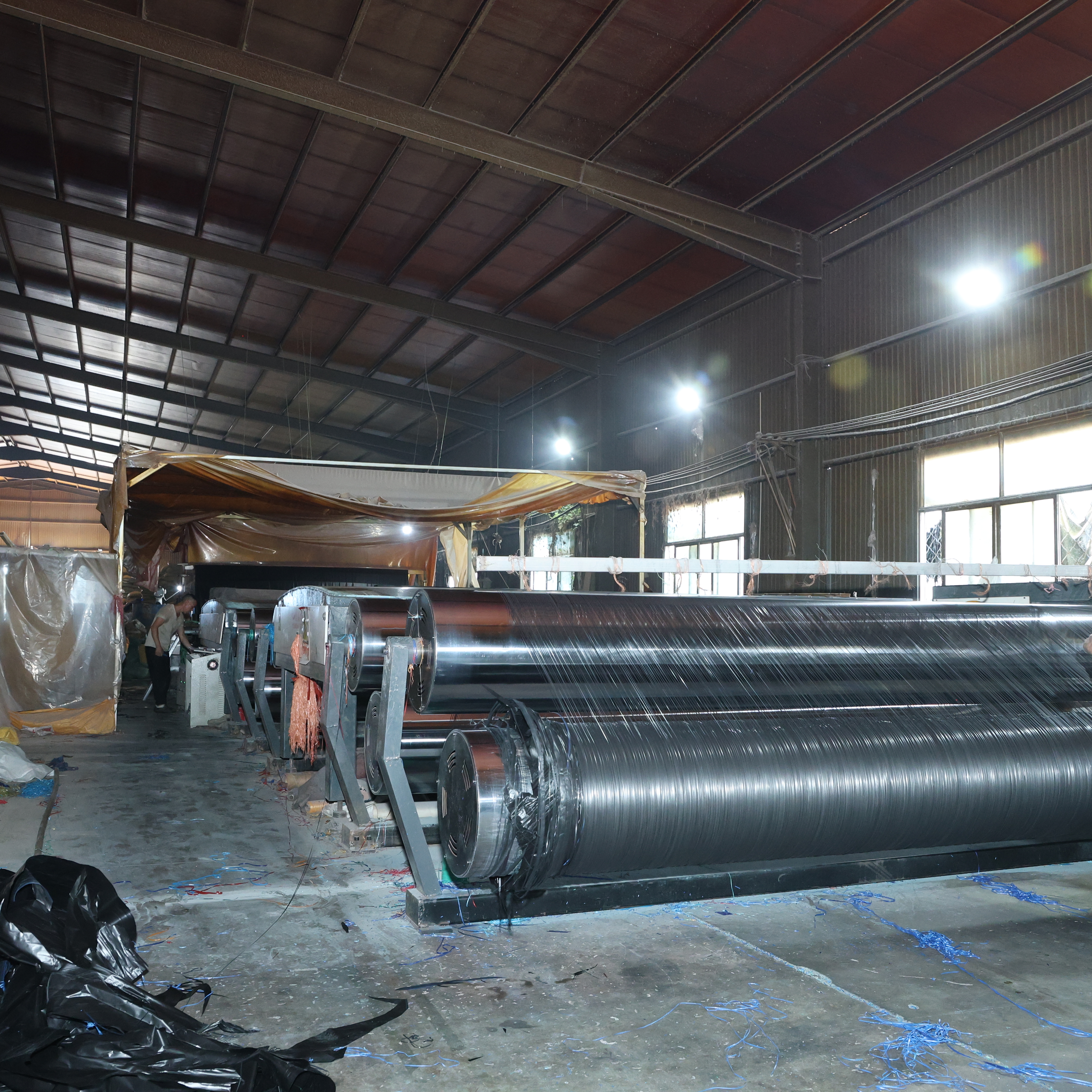
Understanding how logistics coordination operates among bag suppliers is essential for businesses that depend on reliable packaging solutions. A professional PP woven bag supplier manages complex supply chain networks to ensure products arrive on schedule and in optimal condition. The coordination between procurement, production, storage, and distribution defines how effectively a woven bag wholesale operation can serve its customers across global markets.
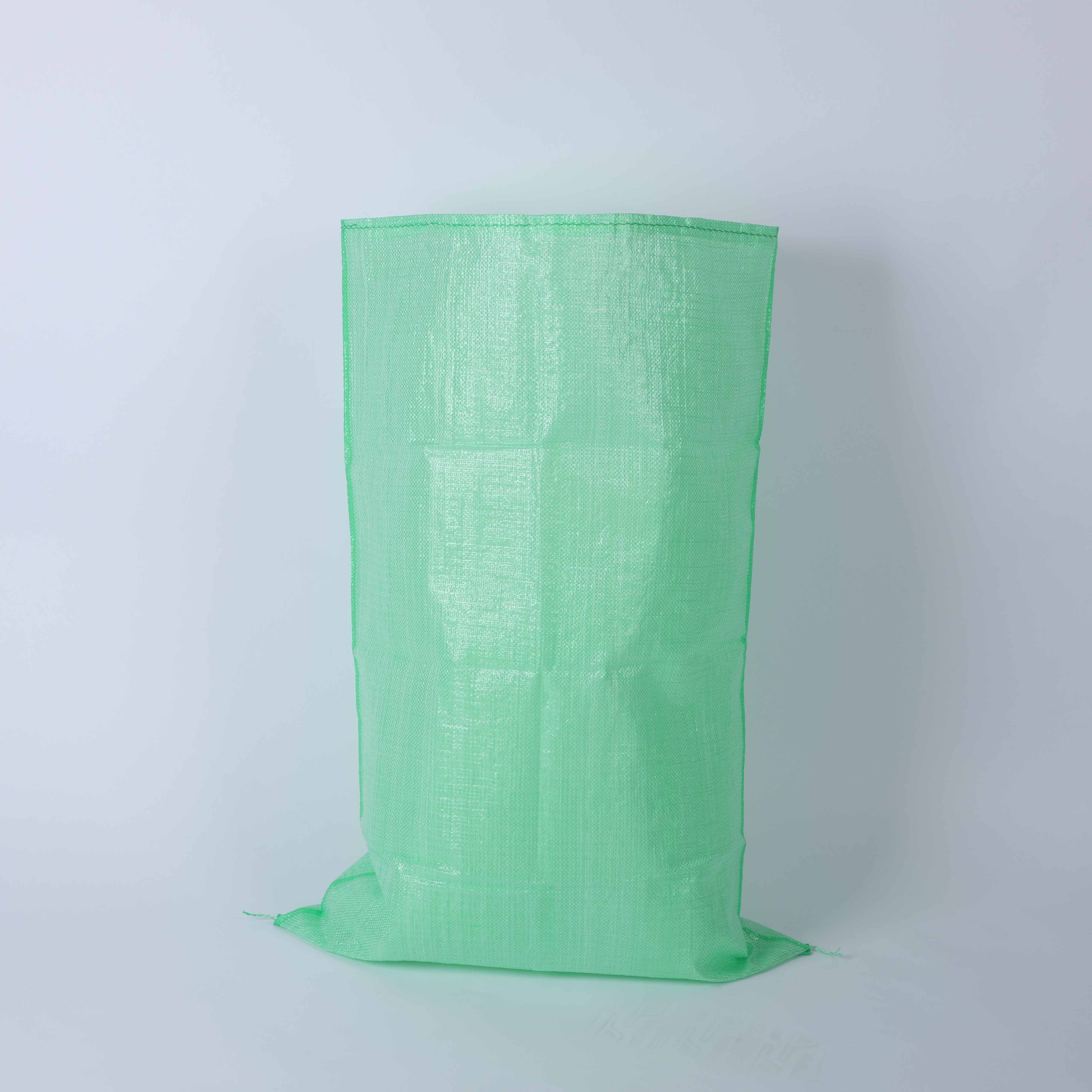
The logistics practices of a pp woven bag factory extend far beyond simply moving inventory. They involve strategic planning, real-time visibility, inventory management, and customer communication. Modern bulk woven bag supply operations integrate technology systems to track shipments, predict demand fluctuations, and optimize warehouse utilization. Understanding these coordination practices helps buyers make informed decisions when selecting suppliers for their packaging needs.
Effective inventory management forms the backbone of any woven bag wholesale business. A reliable pp bag export operation maintains strategic stock levels that balance customer demand with production capacity. The pp woven bag factory coordinates between sales forecasts and manufacturing schedules to prevent stockouts or excessive inventory holding costs. This requires continuous communication between sales teams, production departments, and logistics coordinators to ensure materials flow efficiently through the supply chain.
Production scheduling directly impacts logistics coordination in a bulk woven bag supply network. When a pp woven bag supplier aligns production timelines with order fulfillment deadlines, it reduces storage time and minimizes product damage risks. The factory calculates production batches based on confirmed orders and forecasted demand to optimize resource utilization. Coordinating multiple production runs requires precise timing so that finished goods move quickly to storage facilities and then to customers without unnecessary delays.
Transportation represents a critical logistics function for woven bag wholesale operations serving international markets. A pp bag export supplier carefully selects carriers based on reliability, cost efficiency, and service coverage areas. Route optimization ensures products travel via the most economical and fastest pathways to distribution centers or end customers. The pp woven bag factory evaluates carrier partnerships regularly, negotiating rates and service terms that benefit both parties while maintaining delivery performance standards that customers expect.
International logistics for bulk woven bag supply operations involve extensive regulatory compliance. A pp woven bag supplier must manage customs documentation, phytosanitary certificates, packing standards, and shipping labels across different destination countries. The coordination between legal, customs, and logistics teams ensures all documentation meets international standards and prevents costly delays at ports. Proper compliance documentation protects both the supplier and the customer while maintaining consistent service reliability across all shipments.
Modern pp woven bag factories implement tracking systems that provide visibility throughout the logistics chain. Customers expect to know exactly where their bulk woven bag supply shipments are located and when they will arrive. Real-time tracking reduces customer anxiety and enables proactive communication when unexpected delays occur. A pp bag export operation uses electronic data interchange and cloud-based logistics platforms to share shipment information seamlessly with customers, improving transparency and building trust in the supplier relationship.
Successful coordination requires constant communication between woven bag wholesale suppliers and their customers. When a pp woven bag supplier maintains open channels with buyers, it can respond quickly to order changes, expedited requests, or quantity adjustments. The bulk woven bag supply network functions most efficiently when customers provide accurate forecasts and reasonable lead times. However, professional logistics coordinators also build flexibility into systems to handle urgent orders without disrupting existing production schedules or shipments already in transit.
Protecting product quality throughout the logistics chain is a shared responsibility for pp woven bag factories and their distribution partners. Proper storage conditions prevent moisture absorption, UV damage, and contamination that could compromise bag performance. A pp woven bag supplier establishes clear handling protocols for warehouse staff and transportation personnel to minimize physical damage during loading and unloading. Regular audits of warehouse facilities and carrier handling practices ensure quality standards remain consistent across the entire pp bag export network.
Experienced bulk woven bag supply operators anticipate potential disruptions and develop contingency plans. Weather events, port congestion, carrier delays, and equipment failures can all impact logistics performance. A pp woven bag factory maintains backup transportation options and safety stock at strategic locations to buffer against unexpected disruptions. When problems occur, rapid communication and problem-solving protocols minimize customer impact and maintain long-term relationships despite occasional challenges in the complex woven bag wholesale environment.
A PP woven bag supplier uses centralized tracking systems to monitor inventory levels across all storage locations in real time. Distribution centers are strategically positioned near major ports and customer concentrations to minimize transit times. The supplier adjusts inventory distribution based on regional demand patterns, seasonal fluctuations, and customer proximity. This network approach allows bulk woven bag supply operations to respond quickly to customer orders while maintaining optimal inventory turnover rates that reduce storage costs.
Contemporary woven bag wholesale factories employ enterprise resource planning systems, transportation management software, and warehouse automation tools. These technologies integrate demand planning, production scheduling, inventory management, and order fulfillment into unified platforms. A pp woven bag factory uses data analytics to forecast demand more accurately and optimize production runs. Real-time visibility tools allow customers and internal teams to track shipments, while automated alerts notify coordinators of potential delays so corrective actions can be taken immediately.
Reliable on-time delivery requires multiple layers of coordination between production, quality control, and logistics teams at a pp bag export supplier. The factory builds safety stock buffers and schedules production ahead of customer deadlines to account for unexpected delays. Carrier selection prioritizes proven reliability and service commitments. Regular performance reviews of both internal processes and external partners identify improvement opportunities. Strong communication protocols between the woven bag wholesale operation and customers clarify expectations and enable proactive problem resolution before delivery failures occur.

Discover the 4 critical production metrics—throughput, defect rate, equipment uptime & on-time delivery—to vet factories confidently.

Ensure regulatory compliance & worker safety with proven methods for chemical woven bags—material selection, labeling, storage & training.

Discover the full PP woven bag manufacturing workflow—from extrusion & weaving to printing & QC. Boost efficiency, compliance & ROI. Download the process guide now.

Struggling with weak bags or high material waste? Master extrusion and tape drawing tech for stronger, cheaper PP woven bags. Optimize your production line now.

Struggling with defects or customer returns? Discover the 5 non-negotiable quality checkpoints across your woven bag production line
Which automation tier is right for your PP woven bag factory? Compare manual to Industry 4.0 systems for cost, quality, and scalability.
Get in touch for details on polypropylene woven bags and flexible packaging solutions.
Tel
Address
No.2015, Liaoyuan Building, Lanshan District, Linyi City, Shandong Province.China

