 EN
How to Assess Production Efficiency at a PP Woven Bag Factory
Discover the 4 critical production metrics—throughput, defect rate, equipment uptime & on-time delivery—to vet factories confidently.

2026/08/05
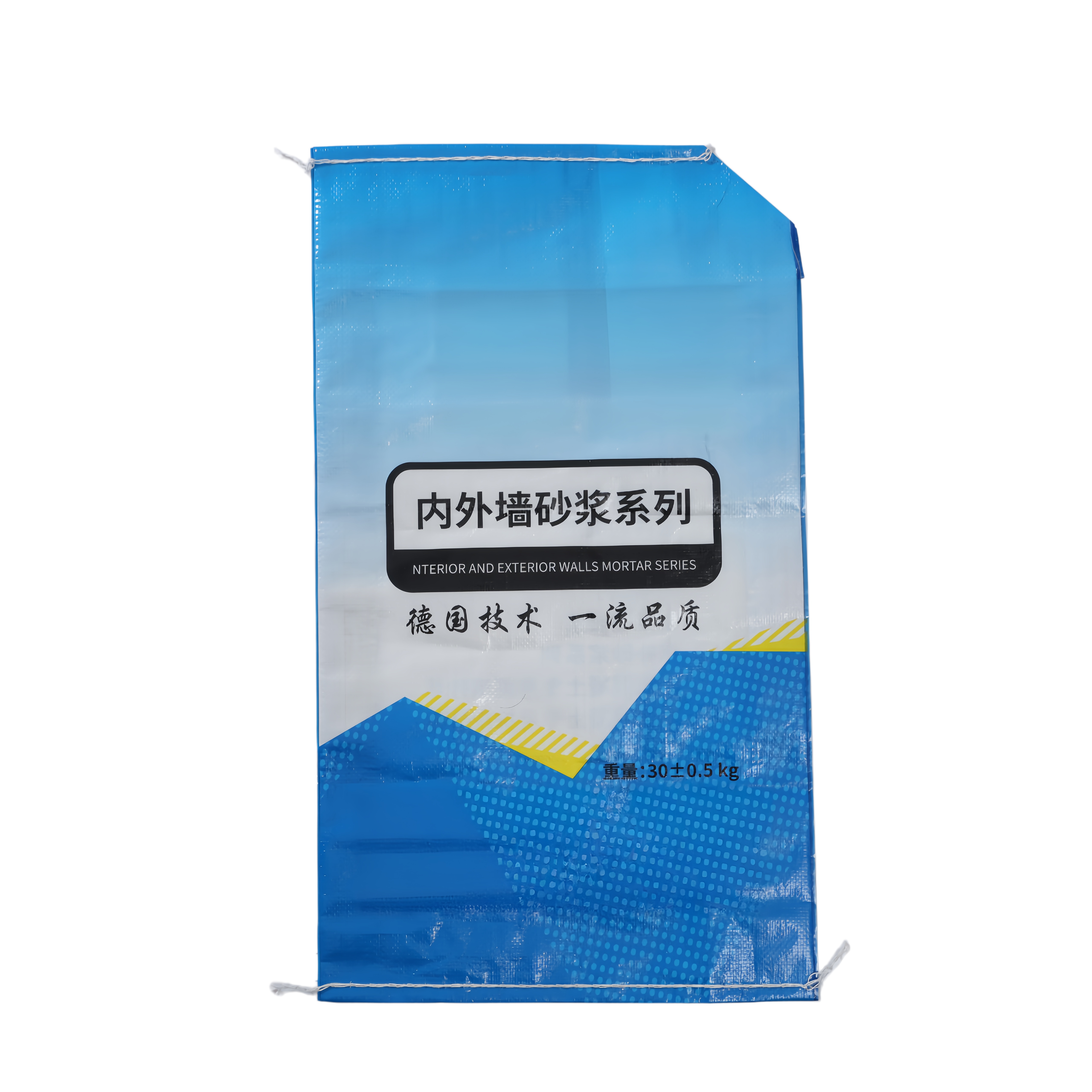
When planning a custom woven bags project, one of the first questions manufacturers and businesses face is understanding minimum order quantities and how they impact project feasibility and cost. Minimum order quantities, or MOQs, represent the smallest volume a supplier will produce for a single order, and they play a critical role in determining whether your custom packaging solution is economically viable. For companies exploring custom woven bags, understanding MOQ expectations upfront helps prevent costly surprises and enables better project planning.
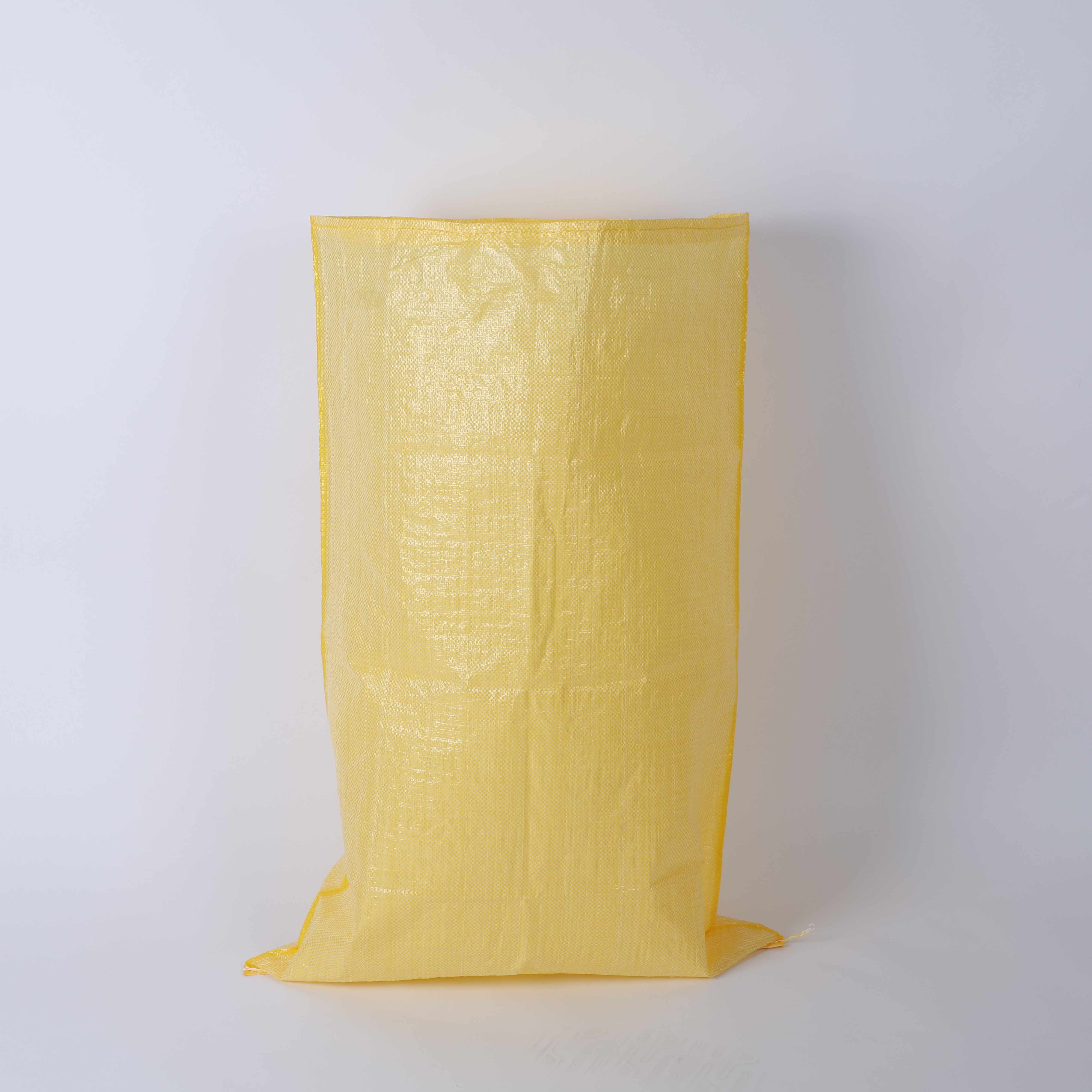
MOQs exist because manufacturing custom printed woven bags involves setup costs, tooling, and production line preparation that must be spread across units to remain profitable. Whether you need personalized pp bags for retail packaging, promotional distribution, or agricultural storage, the MOQ directly influences per-unit pricing and production timelines. This article explores how minimum order considerations work in practice, what factors drive MOQ levels, and how to evaluate whether your project volume aligns with supplier requirements and your budget constraints.
A minimum order quantity defines the lowest volume at which a manufacturer will produce a custom packaging solution for you. In the woven bag industry, MOQs typically range from 500 units for simpler designs to 2,000–5,000 units for highly customized tailored woven sacks with specialized printing or features.
Understanding your supplier's MOQ policy allows you to make informed decisions about order volume and budget allocation. If a personalized pp bag project requires 1,000 units but the supplier's MOQ is 2,000 units, you face a choice: increase your order to meet the minimum, seek a supplier with a lower MOQ, or delay the project until demand justifies the larger volume. MOQs are not arbitrary penalties but reflections of real production constraints and cost structures in custom printed woven bag manufacturing.
Several factors determine a supplier's minimum order quantity for tailored woven sacks and other custom packaging solutions. Material sourcing plays a role; if you request an unusual polypropylene grade or specialty weave pattern, suppliers may impose higher MOQs to justify purchasing material in bulk. Printing complexity also affects MOQ levels. A custom woven bags order with simple one-color branding may have lower MOQs than multi-color process printing or photographic reproduction, which require more precise color management and quality control.
Supplier scale and production model shape MOQ policies as well. Larger manufacturers with high-volume capacity may offer lower MOQs because their overhead is distributed across many production runs. Smaller, more specialized producers might require higher MOQs to ensure production efficiency.
Meeting or exceeding the MOQ directly influences the unit cost of your personalized pp bag order. Manufacturers typically offer tiered pricing where higher volumes unlock better per-unit rates. For example, a custom printed woven bag order of 1,000 units might cost $2.50 per bag, while ordering 5,000 units could reduce the cost to $1.80 per bag. This economies-of-scale principle means that orders closer to the MOQ often carry premium per-unit pricing compared to larger volumes, which partially justifies the manufacturer's setup investment.
To optimize your budget, calculate the total landed cost by multiplying the per-unit price by the order quantity, then compare it against your projected usage or sales. Sometimes ordering above the MOQ at a lower per-unit rate results in a lower total cost than ordering the minimum.
Experienced buyers of custom woven bags negotiate MOQ thresholds based on relationship potential and order commitments. If you represent a growing brand planning multiple orders over several years, suppliers may lower their MOQ as an investment in long-term partnership.
Transparency about your business needs strengthens negotiation leverage. Explaining that you anticipate repeat custom printed woven bag orders once you validate market demand, or that you plan to test multiple color variations of a tailored woven sack design, gives manufacturers confidence that the relationship justifies MOQ flexibility. However, unrealistic requests or vague commitments typically receive standard-rate MOQ enforcement. Establishing credibility through clear communication, upfront payment or deposits, and realistic timelines encourages manufacturers to work within your budget constraints on custom packaging solution volume.
Production timelines for custom woven bags intertwine with MOQ fulfillment. Once a supplier commits to producing your personalized pp bag order, they schedule raw material procurement, prepare printing equipment, and allocate production slots based on the confirmed volume.
Understanding production batching helps explain why custom printing woven bag timelines vary. If your tailored woven sack order of 1,500 units arrives when the manufacturer is already running a high-volume production schedule, your job may enter a queue behind higher-priority orders. Conversely, if your volume exactly matches a scheduled production run, your custom packaging solution benefits from immediate scheduling. Clarifying lead time expectations in your MOQ negotiations ensures you receive accurate delivery estimates and can plan downstream logistics and fulfillment activities appropriately.
Ordering above the MOQ necessitates proper inventory planning because you assume responsibility for storing the custom printed woven bags until they are used or sold. A personalized pp bag purchase of 5,000 units requires adequate warehouse space, climate-controlled storage to preserve material quality, and organized inventory tracking systems. Calculate your monthly usage or sales rate to determine how long stock will last and whether storage costs offset the per-unit savings gained by ordering above the MOQ. Some businesses reduce inventory pressure by negotiating staggered delivery schedules, receiving half their custom woven bags order immediately and the remainder 30–60 days later, balancing cash flow and storage constraints.
For companies operating in seasonal markets, timing your custom packaging solution orders to align with peak demand seasons ensures faster inventory turnover. A promotional campaign using tailored woven sacks timed to a product launch or holiday shopping period can move large volumes quickly, justifying the MOQ commitment. Conversely, ordering off-season creates longer holding periods and ties up working capital. Factoring storage costs, inventory management labor, and capital efficiency into your MOQ decision ensures the total cost of ownership reflects realistic business operations, not just the purchase price per unit.
Typical MOQs for custom woven bags range from 500 to 5,000 units depending on complexity and supplier capacity. Simple designs with basic printing often qualify for 500–1,000 unit minimums, while highly customized personalized pp bag projects with multi-color printing, specialty coatings, or unique construction features typically require 2,000–5,000 units. Larger suppliers may accept smaller MOQs, while specialized manufacturers serving niche markets might impose higher minimums. Discussing your specific custom packaging solution requirements with potential suppliers will provide accurate MOQ guidance for your project.
Yes, MOQ negotiation is common in the custom packaging solution industry. Demonstrating long-term business potential, committing to repeat orders, and clearly communicating your project timeline increases your leverage. Some manufacturers offer volume commitment agreements where you commit to purchasing a total quantity over time, allowing individual tailored woven sack orders to fall below the published MOQ. Establishing relationships with multiple suppliers also provides alternatives if one manufacturer cannot accommodate your personalized pp bag needs within your preferred order volume.
The MOQ significantly impacts total cost through per-unit pricing and inventory carrying expenses. Meeting the minimum order quantity typically results in the most favorable per-unit rate for a custom printed woven bag, though often higher than bulk volumes. Ordering above the MOQ usually reduces per-unit cost further, but increases storage and inventory management costs.

Discover the 4 critical production metrics—throughput, defect rate, equipment uptime & on-time delivery—to vet factories confidently.

Ensure regulatory compliance & worker safety with proven methods for chemical woven bags—material selection, labeling, storage & training.

Discover the full PP woven bag manufacturing workflow—from extrusion & weaving to printing & QC. Boost efficiency, compliance & ROI. Download the process guide now.

Struggling with weak bags or high material waste? Master extrusion and tape drawing tech for stronger, cheaper PP woven bags. Optimize your production line now.

Struggling with defects or customer returns? Discover the 5 non-negotiable quality checkpoints across your woven bag production line
Which automation tier is right for your PP woven bag factory? Compare manual to Industry 4.0 systems for cost, quality, and scalability.
Get in touch for details on polypropylene woven bags and flexible packaging solutions.
Tel
Address
No.2015, Liaoyuan Building, Lanshan District, Linyi City, Shandong Province.China

