 EN
How to Assess Production Efficiency at a PP Woven Bag Factory
Discover the 4 critical production metrics—throughput, defect rate, equipment uptime & on-time delivery—to vet factories confidently.

2026/09/02
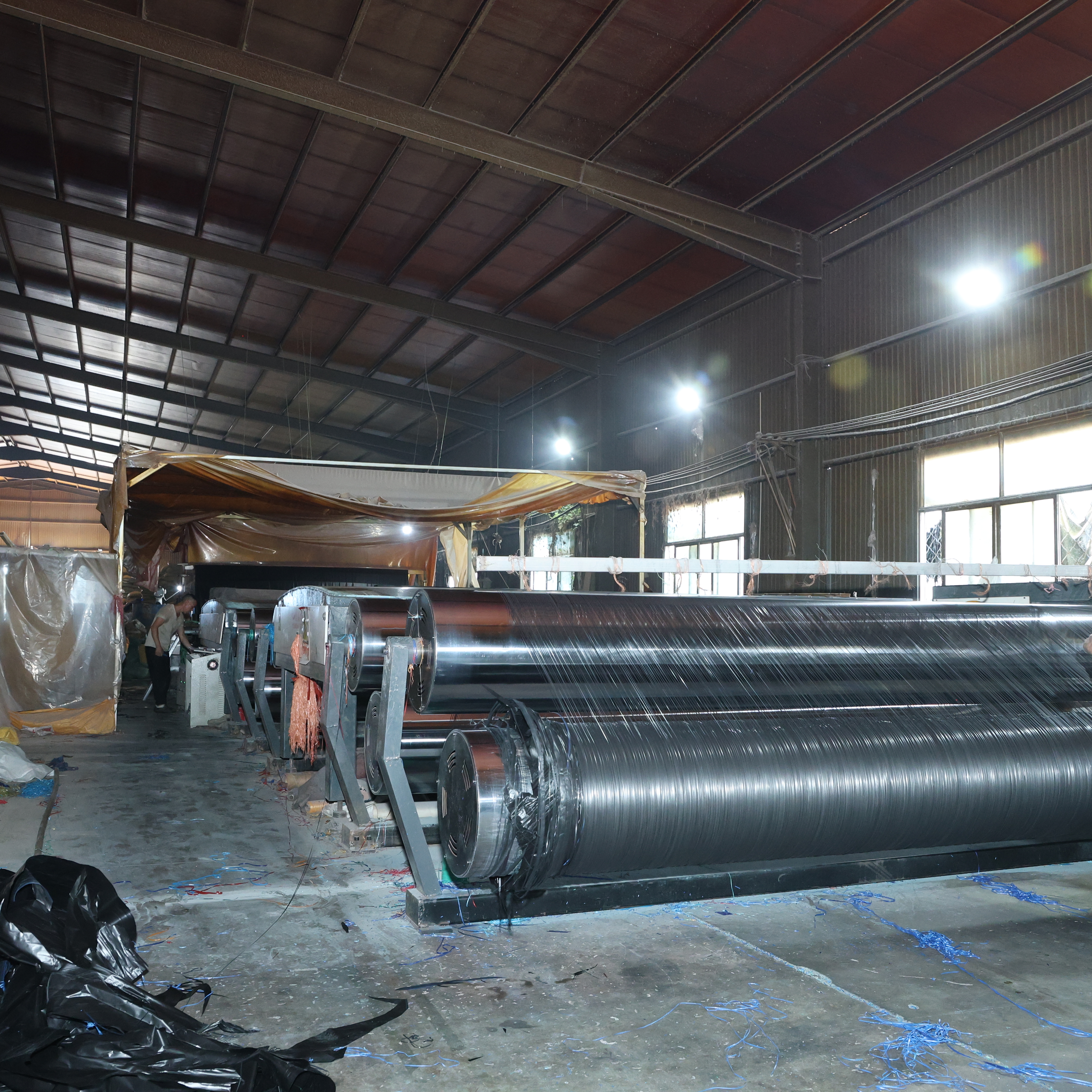
When sourcing packaging solutions, businesses encounter a critical barrier: minimum order requirements imposed by bag suppliers. These thresholds define the smallest quantity a manufacturer will accept for a single purchase, and understanding them is essential for operational and financial planning. For companies evaluating a PP woven bag supplier, minimum order quantities directly influence cost structure, inventory management, and supply chain flexibility.
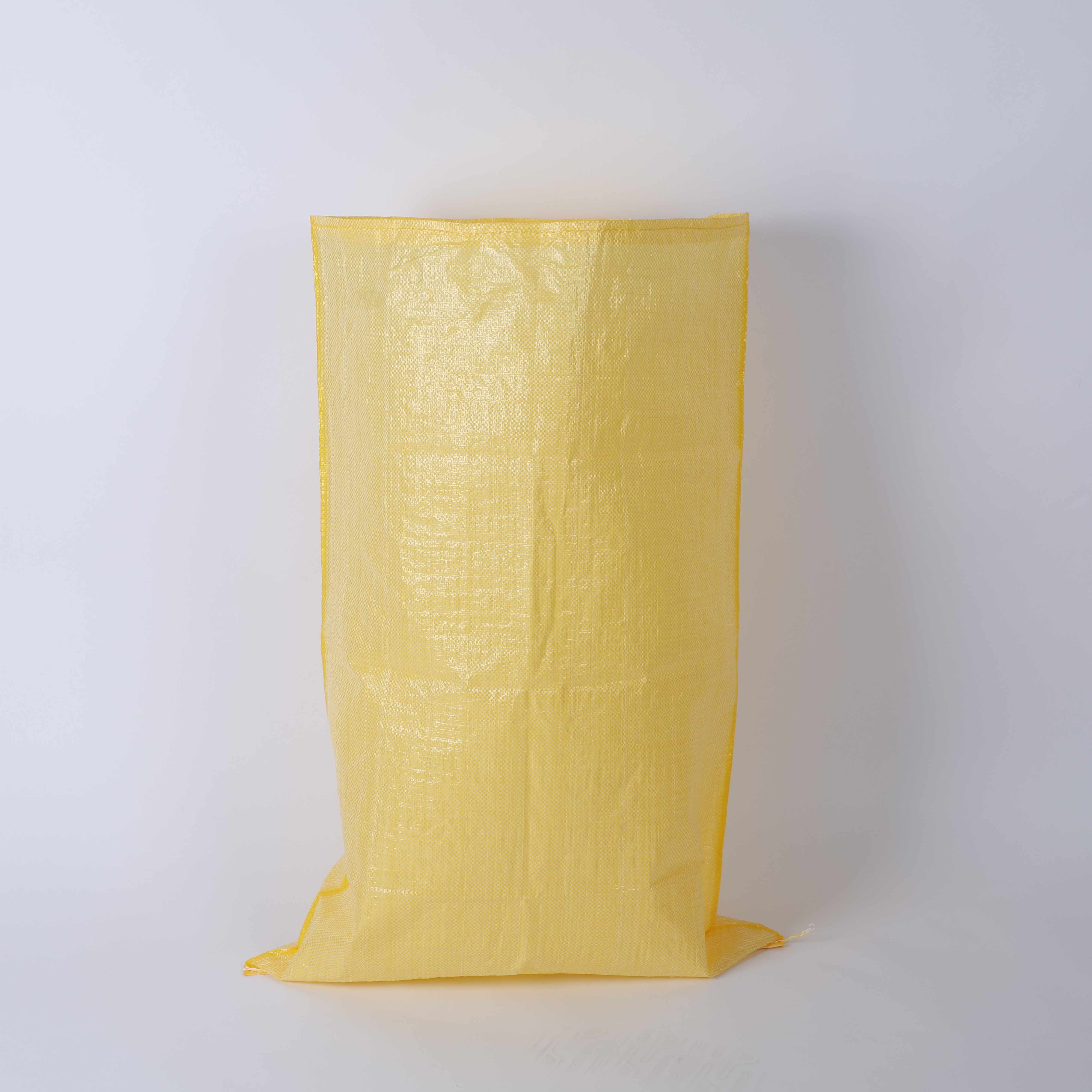
Minimum order requirements vary significantly across the packaging industry. A woven bag wholesale operation typically sets these thresholds based on production efficiency, material purchasing power, and risk management. Understanding why suppliers implement MOQs, how they affect your sourcing strategy, and what negotiation pathways exist will help you make informed decisions and establish sustainable partnerships with your chosen pp bag export or domestic manufacturer.
Manufacturing woven bags involves significant setup time and cost. Each production run requires machine calibration, material preparation, quality testing protocols, and labor coordination. A pp woven bag factory must process these fixed costs across the ordered volume to maintain competitive pricing. When customers order smaller quantities, the per-unit cost becomes prohibitively high because the fixed setup expense cannot be distributed efficiently. This is why bulk woven bag supply orders receive better unit pricing—they justify the production investment.
Furthermore, pp bag export operations benefit from consolidated shipments and reduced handling overhead. A single large order to an international destination is logistically simpler and more cost-effective than managing multiple smaller shipments. Suppliers pass these efficiency gains to buyers who meet or exceed their MOQ thresholds, creating a natural pricing incentive structure.
A woven bag wholesale supplier purchases raw polypropylene resin and accessories in large quantities to secure favorable commodity prices. These suppliers then set their own minimum orders to ensure they can purchase materials efficiently from their sources. This creates a cascading effect throughout the supply chain—the minimum order requirements you encounter reflect the supplier's own procurement constraints and volume commitments to their raw material vendors.
By establishing clear MOQ policies, a pp woven bag factory protects its working capital and ensures predictable cash flow. This stability allows suppliers to maintain competitive pricing and reliable delivery schedules across their entire customer base.
Minimum order requirements force buyers to commit capital in larger volumes than they might ideally prefer. If your seasonal demand or growth stage requires smaller initial orders, an MOQ can strain working capital or create excess inventory. A pp bag export supplier might require orders of 10,000 units or more, which represents a substantial financial commitment for small and medium-sized enterprises. This dynamic shapes how you negotiate terms, choose suppliers, and plan cash flow cycles.
However, larger orders tied to bulk woven bag supply typically deliver unit cost savings of 20–40% compared to smaller quantities. These economies of scale can offset inventory carrying costs if you have predictable, sustained demand. Companies must calculate the total cost of ownership—including storage, obsolescence risk, and financing costs—against the per-unit price reduction offered at higher volumes.
Different suppliers maintain different MOQ policies based on their market position, production capacity, and customer mix. A woven bag wholesale distributor serving large enterprises might require MOQs of 50,000 units, while a pp woven bag factory targeting growing businesses may accept 5,000-unit minimums. Your MOQ tolerance directly influences which suppliers you can realistically work with and when you can transition between partners.
Early-stage companies often face the greatest MOQ friction because they lack the volume to meet large suppliers' thresholds. This reality shapes a strategic decision: work with smaller, more flexible pp bag export specialists initially, or negotiate lower MOQs with larger suppliers in exchange for long-term volume commitments and growth projections.
While MOQs are not arbitrary, they are often negotiable. A pp woven bag factory may reduce minimums in exchange for extended payment terms, annual volume commitments, or multi-product orders across their portfolio. By demonstrating credible growth plans and long-term partnership intent, buyers can often secure more favorable terms than published MOQ policies suggest. Bulk woven bag supply contracts frequently include graduated pricing—lower minimums at higher per-unit costs, with traditional bulk discounts kicking in at higher thresholds.
Direct communication about your business needs, growth trajectory, and volume expectations helps suppliers understand your profile. A woven bag wholesale buyer with clear visibility into annual demand can often negotiate lower quarterly or monthly MOQs instead of a single large commitment.
Some pp bag export and domestic suppliers offer flexible models that reduce MOQ friction. Consignment inventory arrangements allow you to order smaller quantities upfront, with payment due upon use or resale. Drop-shipping models eliminate your inventory carrying burden entirely, though typically at a per-unit premium. Hybrid arrangements—such as initial orders above standard MOQ levels with subsequent reorders at reduced minimums—enable scaling partnerships as your business grows.
These alternative structures require stronger supplier relationships and often apply only after you have proven demand consistency and payment reliability. A pp woven bag supplier evaluates each model based on the buyer's credit profile, order predictability, and potential lifetime value.
MOQs for woven bag wholesale and pp bag export operations typically range from 5,000 to 50,000 units, depending on bag specifications, supplier size, and customization requirements. Standard stock designs from large manufacturers may have lower minimums, while custom-branded or specialty bags require higher MOQs to justify production setup and tooling costs. Domestic suppliers often maintain lower MOQs than international pp bag export specialists due to different cost structures and market positioning.
Yes, many bulk woven bag supply providers will reduce per-order minimums in exchange for annual volume commitments or extended contracts. A pp woven bag supplier values predictability and customer loyalty, so demonstrating your long-term business potential can unlock more flexible MOQ structures. Written agreements that specify annual quantities, payment terms, and price tiers create the transparency suppliers need to justify lower per-order minimums.
While meeting MOQs requires larger upfront capital, the per-unit cost savings often exceed 25% compared to smaller orders from the same pp woven bag supplier or pp bag export source. You must balance these unit savings against inventory carrying costs, potential obsolescence, and working capital impact. For businesses with steady demand, ordering at or above supplier MOQs typically optimizes total landed cost over a 6–12 month period compared to placing smaller, more frequent orders.

Discover the 4 critical production metrics—throughput, defect rate, equipment uptime & on-time delivery—to vet factories confidently.

Ensure regulatory compliance & worker safety with proven methods for chemical woven bags—material selection, labeling, storage & training.

Discover the full PP woven bag manufacturing workflow—from extrusion & weaving to printing & QC. Boost efficiency, compliance & ROI. Download the process guide now.

Struggling with weak bags or high material waste? Master extrusion and tape drawing tech for stronger, cheaper PP woven bags. Optimize your production line now.

Struggling with defects or customer returns? Discover the 5 non-negotiable quality checkpoints across your woven bag production line
Which automation tier is right for your PP woven bag factory? Compare manual to Industry 4.0 systems for cost, quality, and scalability.
Get in touch for details on polypropylene woven bags and flexible packaging solutions.
Tel
Address
No.2015, Liaoyuan Building, Lanshan District, Linyi City, Shandong Province.China

