 EN
How to Assess Production Efficiency at a PP Woven Bag Factory
Discover the 4 critical production metrics—throughput, defect rate, equipment uptime & on-time delivery—to vet factories confidently.

2026/08/14
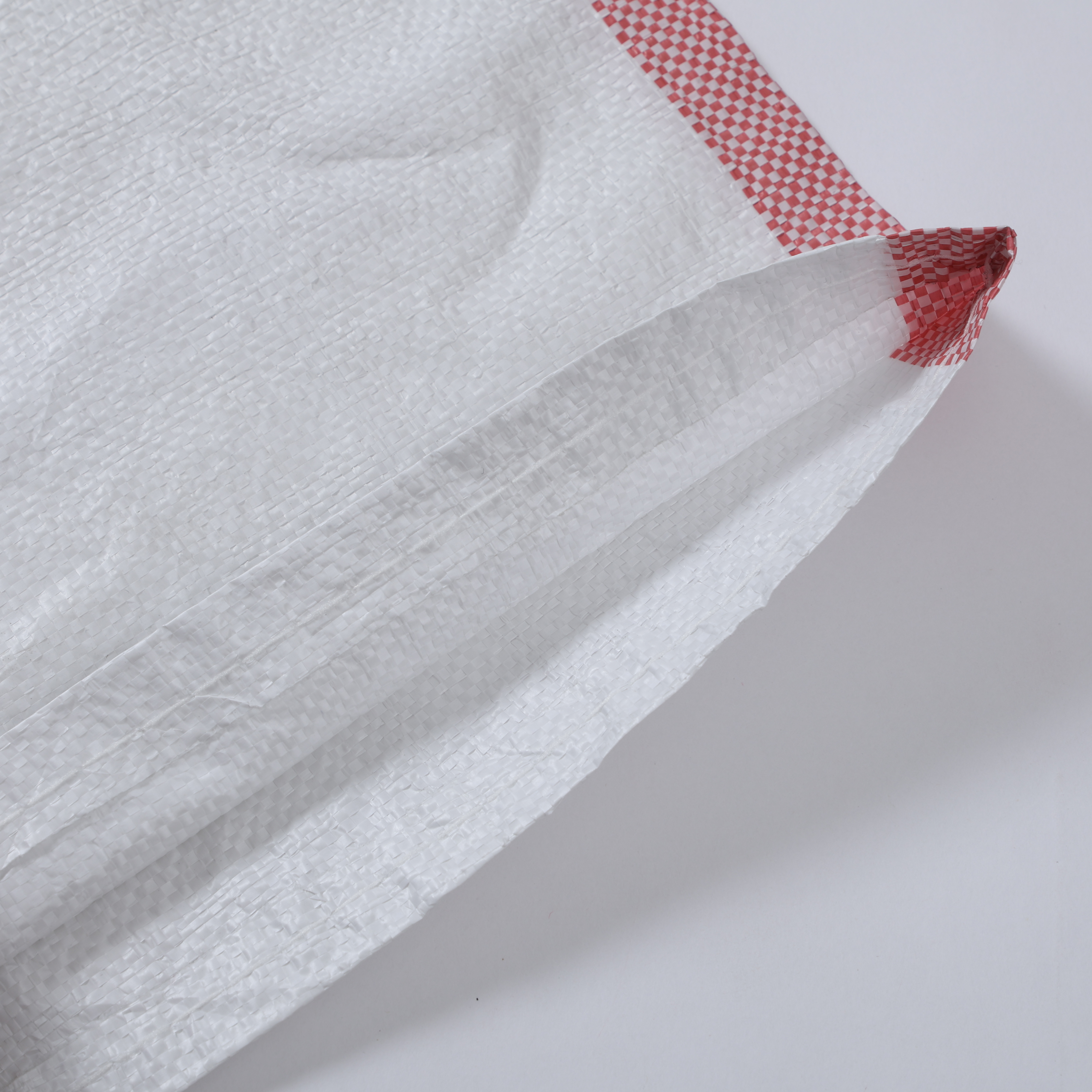
Salt storage and transport require specialized packaging solutions that protect the product from environmental moisture and contamination. Modern salt bags incorporate sophisticated moisture barrier layers designed to maintain product integrity throughout the supply chain. Understanding these barrier technologies is essential for manufacturers, distributors, and end-users who depend on reliable salt packaging performance in diverse climate conditions.
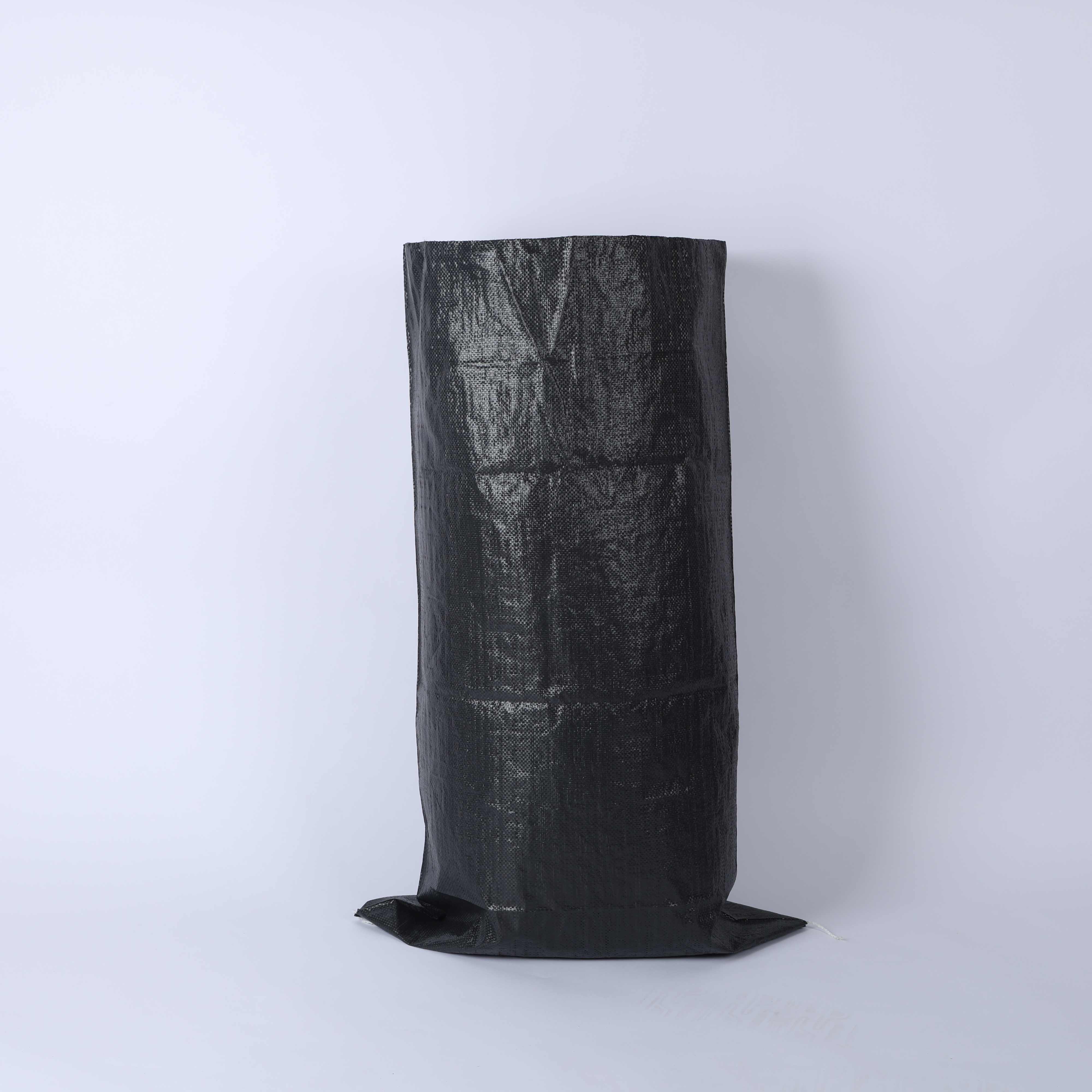
Moisture is the primary threat to salt quality during storage and shipment. When salt absorbs atmospheric moisture, it becomes hygroscopic and forms hard clumps that compromise flowability and usability. Advanced salt woven bags employ multiple barrier layer configurations to prevent moisture ingress while maintaining structural integrity and cost efficiency. The design of these barriers directly impacts product shelf life, application readiness, and customer satisfaction across industrial, food service, and consumer markets.
Professional salt packaging bag systems typically employ a three-layer or five-layer barrier structure. The outer layer consists of woven polypropylene fabric that provides mechanical strength and puncture resistance during handling and transport. The inner moisture barrier layer, commonly made from polyethylene or specialized coated films, blocks vapor transmission and prevents condensation from reaching the salt. This middle layer is the critical moisture control component in any pp salt sack design.
The innermost layer may include an additional protective coating that prevents direct contact between salt crystals and the polypropylene material. Food grade woven bag standards require this layering approach to meet safety and performance specifications. The combination creates a unified system where each component serves a specific function: the outer woven structure provides durability, the barrier layer prevents moisture migration, and the inner surface maintains product integrity and regulatory compliance.
Polyethylene remains the most common moisture barrier material in salt woven bag manufacturing due to its excellent water vapor transmission rate (WVTR) control and cost-effectiveness. High-density polyethylene (HDPE) offers superior barrier properties compared to standard grades, reducing moisture transmission by up to 95 percent in controlled conditions. Some manufacturers integrate laminated film systems that combine polyethylene with aluminum foil or other metallized layers for enhanced protection in extreme humidity environments or long-term storage scenarios.
The thickness and composition of the barrier layer directly influence the overall weight and cost of the pp salt sack. Thicker barriers provide superior moisture protection but increase material expenses and bag weight. Industry standards typically specify barrier layers between 20 and 50 microns for salt packaging applications. Food grade woven bag certification requires that barrier materials meet strict regulatory standards, including FDA compliance for products destined for food processing or consumption applications.
Proper installation of moisture barrier layers begins during the manufacturing process through precision heat-sealing techniques. Heat-sealed edges create permanent bonds between the woven fabric and the barrier film, eliminating gaps where moisture could enter. The salt bags undergo automated sealing at temperatures and pressures calibrated to achieve consistent bond strength without degrading the polypropylene material. This critical step determines whether the moisture barrier layers function as designed during actual storage and transport conditions.
Modern salt packaging bag production uses computerized sealing systems that monitor temperature, dwell time, and pressure in real-time. These systems ensure that every seal meets minimum strength specifications, typically requiring a seal strength of at least 5 kilograms per inch. Defective seals create pathways for moisture penetration, potentially compromising the entire barrier system. Quality control testing on random samples from each production batch verifies seal integrity before bags enter distribution channels.
The corners and gusset areas of salt woven bags present the greatest sealing challenges because these regions experience maximum stress during filling and transport. Reinforced sealing in these zones requires specialized equipment that applies additional pressure and temperature control. Many manufacturers use corner-blocking techniques where additional adhesive or heat-sealed reinforcement patches strengthen vulnerable points. These enhanced sealing methods add minimal cost while substantially improving barrier reliability in the salt bags during their operational lifecycle.
Gusset construction in pp salt sack design allows the bag to expand while maintaining barrier integrity. The moisture barrier material must flex with the gusset expansion without tearing or creating stress-induced micro-gaps. Advanced film materials specifically formulated for salt packaging applications provide the necessary elongation properties while maintaining water vapor transmission resistance. This balance between flexibility and barrier performance distinguishes premium food grade woven bags from basic utility bags.
Industry standards for salt bags include rigorous water vapor transmission rate (WVTR) testing that measures barrier layer effectiveness. Testing typically follows ASTM E96 protocols under controlled temperature and humidity conditions. These standardized tests quantify how much moisture vapor passes through the barrier per unit area per unit time, expressed in grams per square meter per day. Results below specified thresholds confirm that the salt packaging bag meets performance requirements for intended storage durations and climate conditions.
Manufacturers conduct WVTR testing on barrier film samples before bag production begins and periodically throughout manufacturing to verify material consistency. For salt woven bags destined for tropical or humid regions, testing specifications may require WVTR values below 1.0 gram per square meter per day. Food grade woven bag products often undergo accelerated aging tests that simulate long-term storage conditions, ensuring barrier performance remains effective even after exposure to temperature fluctuations and UV light during transport.
Beyond laboratory testing, manufacturers validate salt bags through extended field trials that replicate actual supply chain conditions. Salt stored in test pp salt sacks undergoes moisture content analysis at regular intervals during simulated storage in high-humidity environments. These trials confirm that laboratory performance predictions translate to real-world protection. Results from field validation studies guide adjustments to barrier layer thickness, material composition, and sealing specifications to optimize performance and cost efficiency.
Documentation of barrier performance becomes increasingly important for salt packaging bag users who require proof of product stability over specific time periods. Manufacturers provide technical data sheets that include WVTR measurements, storage life projections, and temperature sensitivity information. This transparency helps customers select the appropriate salt bags for their specific application, storage duration, and climate conditions. Food grade woven bag certifications include performance validation records that support compliance verification and quality assurance processes in downstream applications.
Moisture barrier layers create a sealed compartment that blocks vapor transmission from the surrounding air into the bag. The barrier material, typically polyethylene film laminated to the woven polypropylene structure, has extremely low water vapor transmission rates that prevent atmospheric moisture from reaching the salt crystals. When salt packaging bags are properly sealed and the barrier maintains its integrity, the internal humidity remains low enough to prevent salt from absorbing moisture and caking. This protection extends storage life significantly, even in tropical climates or high-humidity warehouses where unprotected salt would deteriorate within weeks.
Standard woven bags lack integrated moisture barrier layers and allow water vapor to pass through the fabric freely. Salt woven bags specifically designed for salt storage include the multi-layer barrier system that standard bags do not have. The pp salt sack integrates a moisture barrier layer between the outer woven fabric and inner surface, creating a protective environment that prevents salt degradation. Food grade woven bags meet additional safety and performance standards beyond basic packaging requirements, ensuring compatibility with food processing applications and regulatory compliance in food supply chains.
Once manufactured, the moisture barrier layers are permanently bonded to the salt bags structure and cannot be effectively replaced or repaired. Any compromise to the barrier film, seams, or sealed edges creates pathways for moisture ingress that cannot be sealed again under field conditions. If damage occurs during transport or storage, the affected salt bags should be replaced to maintain product integrity. This permanent nature of the barrier system emphasizes the importance of careful handling during distribution and storage to preserve the barrier's protective function throughout the product lifecycle.

Discover the 4 critical production metrics—throughput, defect rate, equipment uptime & on-time delivery—to vet factories confidently.

Ensure regulatory compliance & worker safety with proven methods for chemical woven bags—material selection, labeling, storage & training.

Discover the full PP woven bag manufacturing workflow—from extrusion & weaving to printing & QC. Boost efficiency, compliance & ROI. Download the process guide now.

Struggling with weak bags or high material waste? Master extrusion and tape drawing tech for stronger, cheaper PP woven bags. Optimize your production line now.

Struggling with defects or customer returns? Discover the 5 non-negotiable quality checkpoints across your woven bag production line
Which automation tier is right for your PP woven bag factory? Compare manual to Industry 4.0 systems for cost, quality, and scalability.
Get in touch for details on polypropylene woven bags and flexible packaging solutions.
Tel
Address
No.2015, Liaoyuan Building, Lanshan District, Linyi City, Shandong Province.China

