 EN
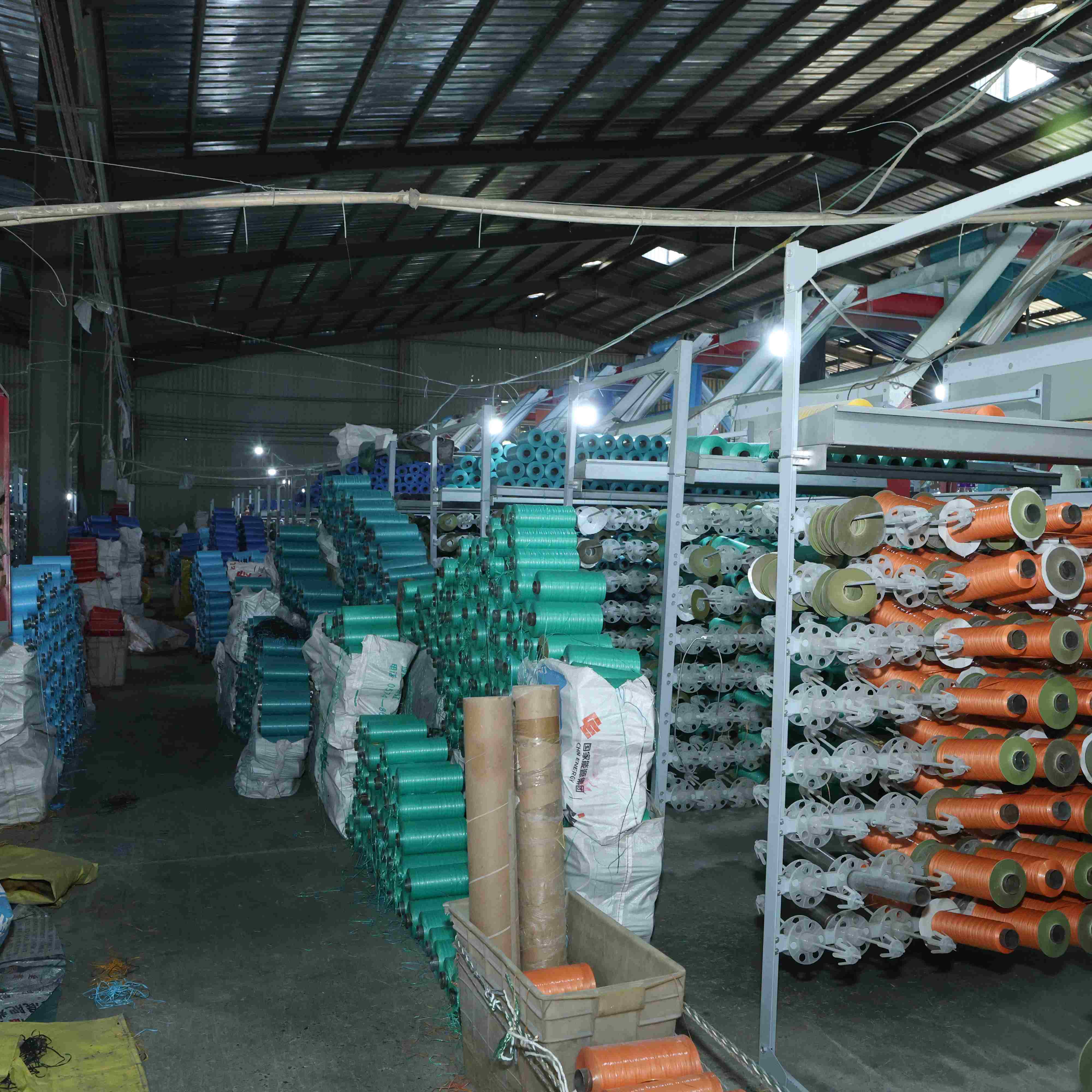
How to Assess Production Efficiency at a PP Woven Bag Factory
Discover the 4 critical production metrics—throughput, defect rate, equipment uptime & on-time delivery—to vet factories confidently.

2026/08/19
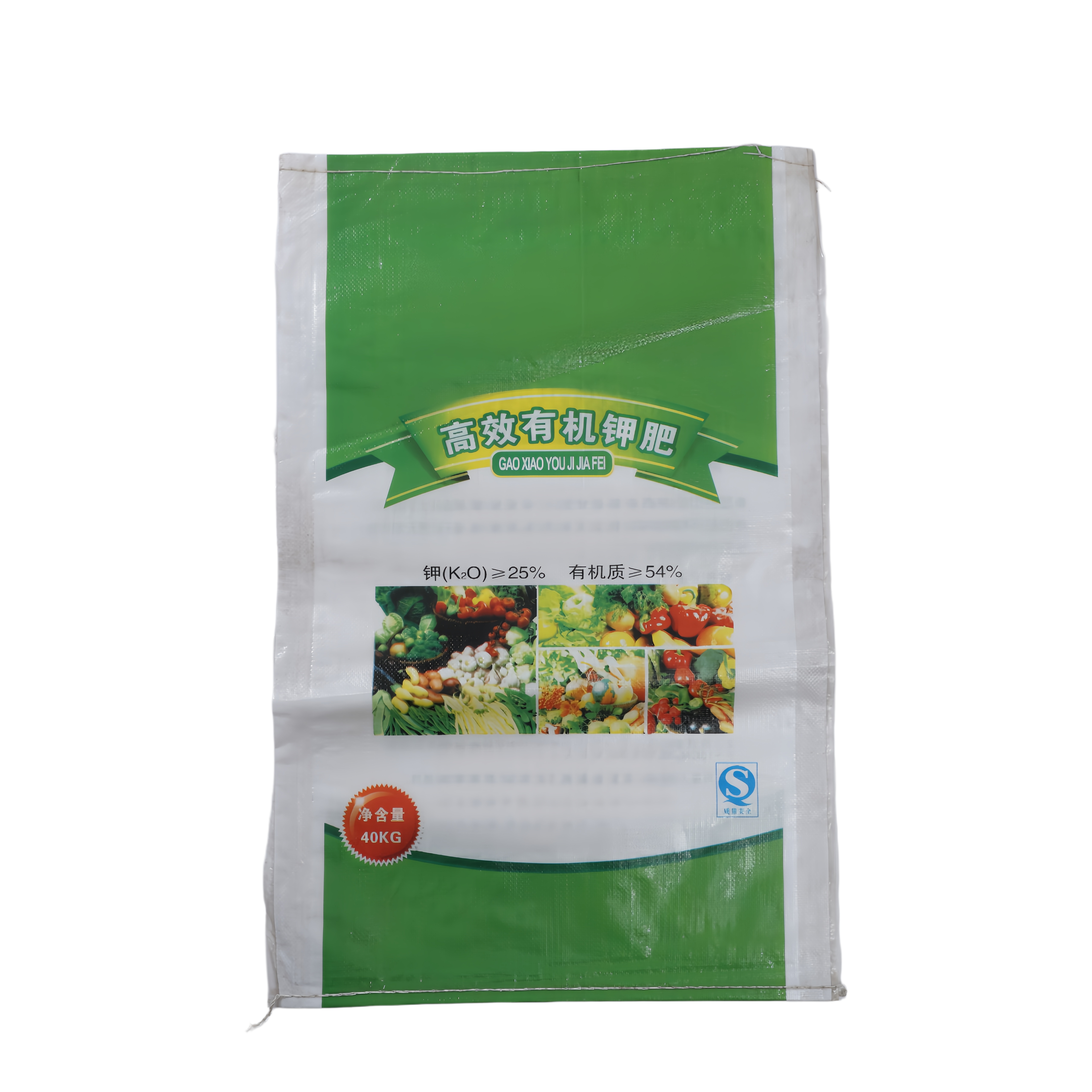
Moisture protection is one of the most critical requirements in modern packaging, especially for products that demand long shelf life and consistent quality. BOPP laminated bags have become the industry standard for achieving this protection across food, chemicals, agriculture, and pharmaceuticals. Understanding how these bags perform under moisture exposure conditions is essential for procurement teams, manufacturers, and supply chain professionals who need reliable packaging solutions. The layered construction of modern bopp woven bag designs creates a sophisticated barrier system that prevents water vapor penetration while maintaining product integrity.
The effectiveness of laminated pp bag construction depends on material composition, layer thickness, and adhesive quality between components. When moisture barrier performance is measured using industry-standard testing methods like WVTR (water vapor transmission rate), laminated pp bag solutions consistently outperform single-layer alternatives. This performance advantage directly translates to reduced product spoilage, extended shelf life, and lower waste in supply chains. The investment in quality bopp packaging reflects a long-term commitment to product protection and customer satisfaction.
The bopp woven bag construction combines polypropylene film layers with woven fabric substrates to create a composite barrier system. Each layer serves a specific function: the woven base provides mechanical strength, while the laminated pp bag coating layers block moisture transmission. The outermost BOPP film layer creates the primary moisture barrier, typically ranging from 15 to 25 microns in thickness. Inner adhesive layers bond these components together without compromising the barrier properties. This multi-component approach ensures that printed woven bag products maintain consistent moisture resistance throughout their storage and transport lifecycle.
Water vapor transmission rate (WVTR) serves as the industry benchmark for measuring laminated pp bag moisture barrier effectiveness. Standard WVTR testing occurs at 38 degrees Celsius and 90 percent relative humidity, simulating harsh tropical and humid storage environments. Quality bopp packaging typically achieves WVTR values below 5 grams per square meter per day, with premium laminated pp bag options reaching 1 to 3 grams per square meter per day. These measurements ensure that products stored in printed woven bag packaging experience minimal moisture exposure over weeks or months of shelf time. Adherence to these standards protects sensitive ingredients and prevents quality degradation in vulnerable products.
Agricultural commodities, flour, sugar, and snack foods benefit significantly from bopp laminated bags moisture barrier capabilities. Grain storage presents particular challenges because moisture allows fungal growth and insect proliferation, leading to total crop loss in worst-case scenarios. The printed woven bag format allows for branding while maintaining the high barrier performance that agricultural products demand. Farmers and food processors rely on bopp packaging to maintain product condition from harvest through retail distribution. In tropical climates where ambient humidity exceeds 80 percent regularly, laminated pp bag solutions provide the protection that single-layer woven bags cannot achieve.
Moisture-sensitive chemicals, vitamins, pharmaceuticals, and cosmetic powders require exceptional barrier performance, and bopp woven bag materials deliver this protection reliably. Pharmaceutical manufacturers specify laminated pp bag constructions to meet strict moisture limits that preserve drug efficacy and safety. The printed woven bag design accommodates regulatory labeling requirements while maintaining the barrier specifications necessary for compliance. Bopp packaging that meets international standards allows manufacturers to export products globally without worrying about humidity-related degradation during long ocean freight journeys. Quality assurance teams verify WVTR performance on every batch to ensure consistent protection across all product shipments.
The thickness of the BOPP film layer directly impacts moisture barrier effectiveness, with thicker coatings providing superior performance but increasing material costs. Laminated pp bag specifications typically range from 15 to 50 microns, and selecting the optimal thickness depends on product sensitivity and storage duration requirements. Adhesive selection also influences overall barrier performance, as poor-quality adhesives create micro-gaps that compromise the bopp woven bag moisture protection. Heat-seal coating compatibility with the BOPP layer ensures bag closure remains effective, preventing moisture ingress during storage. Printed woven bag manufacturers conduct extensive testing to balance barrier performance with cost efficiency and supply chain practicality.
Printing processes on laminated pp bag surfaces must not damage the underlying BOPP moisture barrier layer through excessive heat or mechanical pressure. Edge sealing quality determines whether bopp packaging maintains its barrier integrity during the final steps of bag production and filling operations. Water-based inks for printed woven bag applications provide color durability while minimizing barrier layer disruption. The edge folding technique used in bopp laminated bags manufacturing can either enhance or compromise moisture protection depending on fold geometry and heat-sealing temperature. Quality control inspectors verify that every sealed edge on laminated pp bag products meets visual and mechanical standards before shipment to customers.
Moisture barrier performance in laminated pp bag products remains effective for 12 to 24 months under normal storage conditions, depending on the BOPP film thickness and ambient humidity levels. Bopp woven bag barriers degrade gradually over time due to chemical oxidation and physical stress, but the protective effect remains strong throughout standard shelf life windows. Products stored in bopp packaging in controlled warehouse environments maintain barrier integrity for extended periods beyond standard expectations. Accelerated aging tests simulate several years of storage in a matter of weeks, confirming that printed woven bag designs maintain at least 80 percent of initial barrier performance after extended storage periods.
Yes, laminated pp bag construction effectively protects products during long ocean voyages lasting 30 to 60 days, where container interiors experience high humidity and temperature fluctuations. Bopp woven bag materials resist salt spray corrosion and maintain barrier integrity even when containers experience condensation on interior walls. The printed woven bag format allows for desiccant packages to be included inside for additional protection on moisture-critical shipments. International shipping standards recognize bopp packaging as a reliable barrier solution for export-grade products, and many regional certifications specifically reference laminated pp bag performance requirements.
BOPP lamination typically increases woven bag costs by 15 to 35 percent depending on film thickness and printing complexity on the printed woven bag surface. The cost premium for laminated pp bag solutions is justified by the substantial reduction in product losses, extended shelf life, and enhanced brand perception that bopp packaging delivers. Bulk purchasing of laminated pp bag materials reduces per-unit costs significantly for manufacturers ordering volumes exceeding 50,000 units per shipment. Long-term total cost of ownership analysis consistently demonstrates that bopp laminated bags reduce overall supply chain expenses compared to uncoated alternatives, even when initial material costs are higher.

Discover the 4 critical production metrics—throughput, defect rate, equipment uptime & on-time delivery—to vet factories confidently.

Ensure regulatory compliance & worker safety with proven methods for chemical woven bags—material selection, labeling, storage & training.

Discover the full PP woven bag manufacturing workflow—from extrusion & weaving to printing & QC. Boost efficiency, compliance & ROI. Download the process guide now.

Struggling with weak bags or high material waste? Master extrusion and tape drawing tech for stronger, cheaper PP woven bags. Optimize your production line now.

Struggling with defects or customer returns? Discover the 5 non-negotiable quality checkpoints across your woven bag production line
Which automation tier is right for your PP woven bag factory? Compare manual to Industry 4.0 systems for cost, quality, and scalability.
Get in touch for details on polypropylene woven bags and flexible packaging solutions.
Tel
Address
No.2015, Liaoyuan Building, Lanshan District, Linyi City, Shandong Province.China

