 EN
How to Assess Production Efficiency at a PP Woven Bag Factory
Discover the 4 critical production metrics—throughput, defect rate, equipment uptime & on-time delivery—to vet factories confidently.

2026/08/28
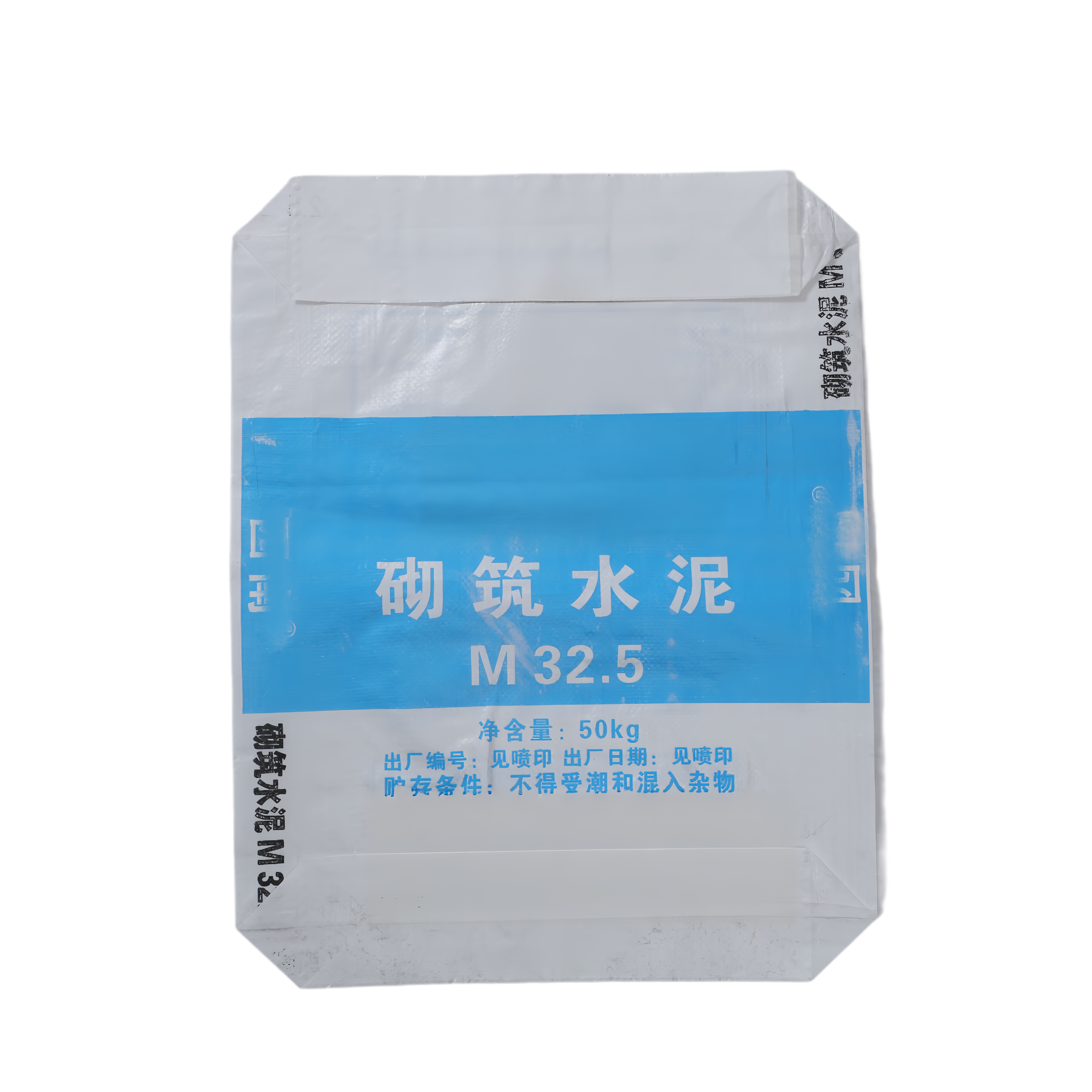
Moisture resistance is a critical factor in protecting cement during storage and transportation. A cement bag must withstand environmental challenges while maintaining product integrity. Moisture infiltration can compromise cement quality, reduce its binding strength, and lead to significant financial losses for manufacturers and distributors. Understanding how moisture resistant coatings function helps stakeholders select the right packaging solutions for their specific applications.
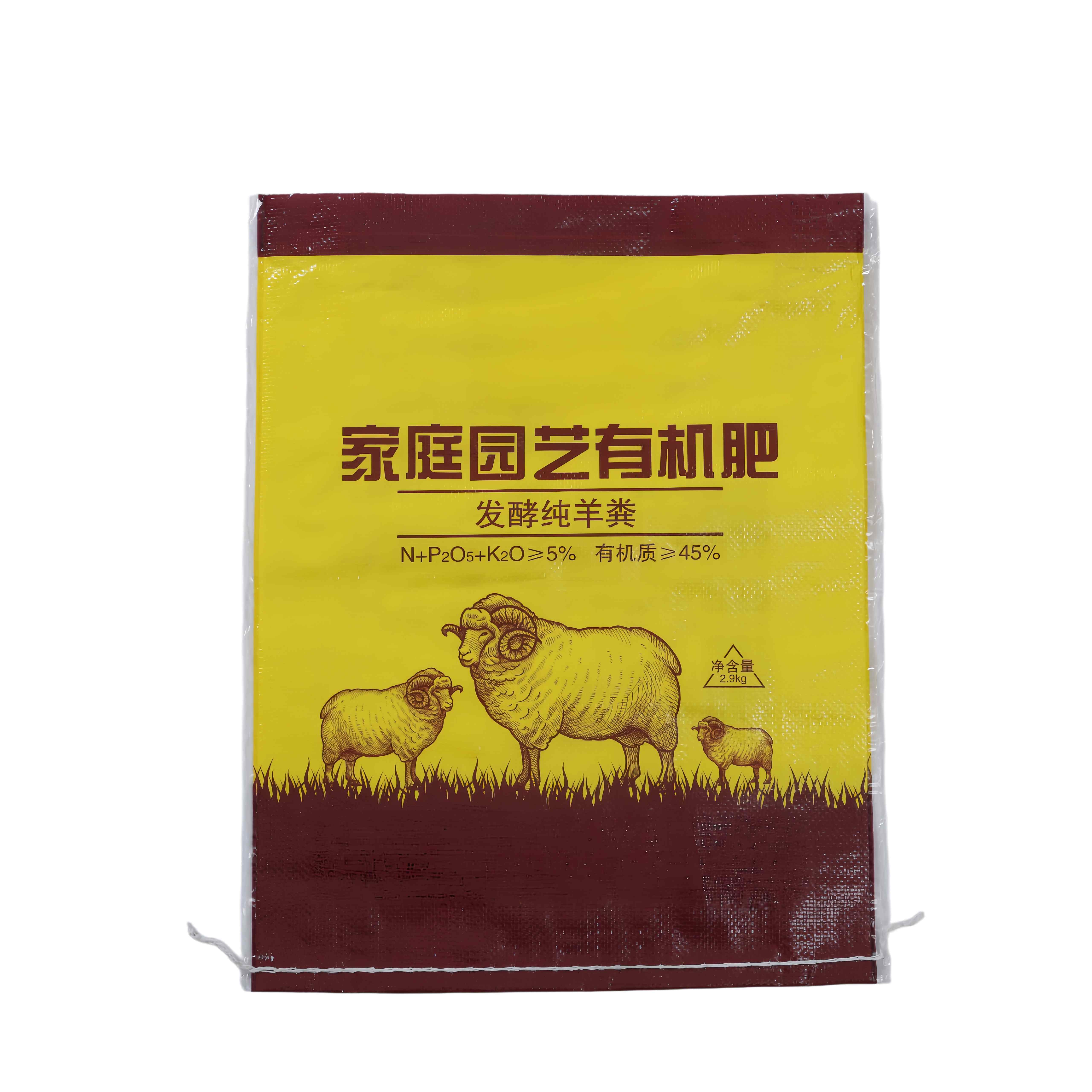
The cement woven bag industry has evolved significantly over the past decades, incorporating advanced coating technologies to address moisture challenges. Modern pp cement sack designs combine polymer materials with specialized surface treatments that create barriers against water vapor and liquid moisture. Heavy duty cement bag production now relies on multiple coating layers and quality testing protocols to ensure consistent performance in diverse climates and storage conditions.
Moisture resistant coatings function as a shield between the external environment and the cement inside. When manufacturers apply these coatings to a cement woven bag, they create a hydrophobic surface that repels water molecules and prevents vapor transmission. The coating composition typically includes synthetic polymers or natural resins that bond to the polypropylene fibers of the pp cement sack. This barrier becomes essential in humid climates, coastal areas, and regions with seasonal rainfall.
Heavy duty cement bag coatings are engineered to withstand mechanical stress during handling and stacking. The coating must remain intact even when bags are transported on rough surfaces or stored in outdoor environments. Quality building material bag suppliers test their coatings for adhesion, flexibility, and crack resistance to ensure they do not separate or degrade prematurely under operational stress.
The most effective moisture resistant coatings use polyethylene or polypropylene-based formulations applied during or after the weaving process. These materials are selected because they bond well with the pp cement sack substrate and provide long-term durability. The coating thickness typically ranges from 15 to 30 microns, which represents the optimal balance between protection and cost-effectiveness. Thicker coatings offer superior moisture barriers but increase production expenses and bag weight.
Building material bag manufacturers also incorporate additives such as anti-oxidants, ultraviolet stabilizers, and slip agents into their moisture resistant formulations. These additives enhance the cement bag performance in outdoor storage settings and extend its shelf life. The chemical stability of the coating ensures it does not degrade or separate from the substrate when exposed to temperature fluctuations or direct sunlight.
The cement woven bag industry follows established international standards that define acceptable moisture permeability rates. Organizations such as the ASTM International and ISO set specifications for pp cement sack testing, including water vapor transmission rates and moisture absorption limits. A heavy duty cement bag must typically achieve a water vapor transmission rate below 50 grams per square meter per day under standard testing conditions. These benchmarks ensure that cement remains viable for the expected shelf life, often 6 to 12 months depending on storage conditions.
Compliance testing for building material bag products includes both laboratory evaluation and real-world field trials. Manufacturers subject their cement bag designs to accelerated aging tests, temperature cycling experiments, and humidity chambers that simulate extreme storage environments. Results from these tests inform improvements in coating composition, fiber selection, and bag construction techniques.
Quality assurance teams verify the effectiveness of moisture resistant coatings through multiple methods. Gravimetric water vapor transmission testing measures how much moisture passes through a cement woven bag sample over a defined period. Tensile strength testing ensures that the pp cement sack maintains mechanical integrity after moisture exposure. Surface contact angle measurement confirms that the coating remains hydrophobic and water-repellent throughout the bag's operational lifespan.
Regular production audits help manufacturers maintain consistent coating quality on every heavy duty cement bag. Batch testing protocols verify that coating viscosity, application temperature, and curing time remain within specified ranges. These systematic checks prevent quality variations that could compromise the cement bag protection in the field.
The effectiveness of moisture resistant coatings depends significantly on storage conditions and handling practices. Cement bags stored in controlled warehouse environments experience minimal moisture stress and retain their protective properties longer. When a building material bag sits in outdoor locations exposed to rain, humidity, or ground moisture, the coating endures continuous environmental challenges. Heavy duty cement bag designs with superior coatings perform better in these demanding scenarios, reducing the risk of product degradation.
Geographic location influences moisture resistance requirements substantially. Coastal regions experience higher humidity and salt spray exposure, necessitating premium pp cement sack formulations. Desert climates present different challenges, including temperature extremes and dust infiltration, which benefit from specialized coating compositions. The cement woven bag must adapt to regional environmental profiles to maintain cement integrity.
Selecting appropriate moisture resistant coatings requires balancing protection level with production costs. Basic coating solutions provide adequate protection for short-term storage in moderate climates but may fail under extended exposure to moisture. Premium heavy duty cement bag options incorporate advanced coatings that offer extended protection but require higher material and processing investments. Building material bag buyers must evaluate their specific supply chain requirements, storage duration, and climate exposure to make informed purchasing decisions.
Operational efficiency also factors into coating selection. Some pp cement sack formulations cure quickly, enabling faster production throughput, while others require extended drying times but deliver superior long-term protection. Manufacturers must consider both immediate production constraints and long-term field performance when choosing coating systems for their cement bag product lines.
A cement bag becomes moisture resistant through specialized coatings applied to the polypropylene fabric. These coatings create a hydrophobic barrier that repels water and minimizes vapor transmission. The pp cement sack coating materials are selected for durability, adhesion, and compatibility with cement exposure. Heavy duty cement bag designs incorporate multi-layer protection strategies and quality control testing to ensure consistent moisture barriers across all production batches.
The protection duration of a cement woven bag depends on storage conditions, climate exposure, and coating quality. Bags stored in controlled indoor environments typically maintain effective moisture barriers for 12 months or longer. Building material bag products exposed to outdoor elements, high humidity, or temperature fluctuations may show degradation within 6 to 9 months. Heavy duty cement bag coatings are engineered for durability, but environmental stresses and handling impact the actual protection timeline in real-world applications.
Reapplying moisture resistant coatings to used cement bags is technically challenging and economically impractical for most supply chains. Once a cement woven bag has absorbed moisture or been damaged, the underlying polypropylene fibers are compromised. The pp cement sack structure may have micro-cracks or delamination that prevents new coating adhesion. Most industry practitioners recommend replacing compromised bags rather than attempting to refresh their coatings, ensuring that building material bag quality standards are maintained and that heavy duty cement bag protection remains reliable.

Discover the 4 critical production metrics—throughput, defect rate, equipment uptime & on-time delivery—to vet factories confidently.

Ensure regulatory compliance & worker safety with proven methods for chemical woven bags—material selection, labeling, storage & training.

Discover the full PP woven bag manufacturing workflow—from extrusion & weaving to printing & QC. Boost efficiency, compliance & ROI. Download the process guide now.

Struggling with weak bags or high material waste? Master extrusion and tape drawing tech for stronger, cheaper PP woven bags. Optimize your production line now.

Struggling with defects or customer returns? Discover the 5 non-negotiable quality checkpoints across your woven bag production line
Which automation tier is right for your PP woven bag factory? Compare manual to Industry 4.0 systems for cost, quality, and scalability.
Get in touch for details on polypropylene woven bags and flexible packaging solutions.
Tel
Address
No.2015, Liaoyuan Building, Lanshan District, Linyi City, Shandong Province.China

