 EN
How to Assess Production Efficiency at a PP Woven Bag Factory
Discover the 4 critical production metrics—throughput, defect rate, equipment uptime & on-time delivery—to vet factories confidently.

2026/08/20
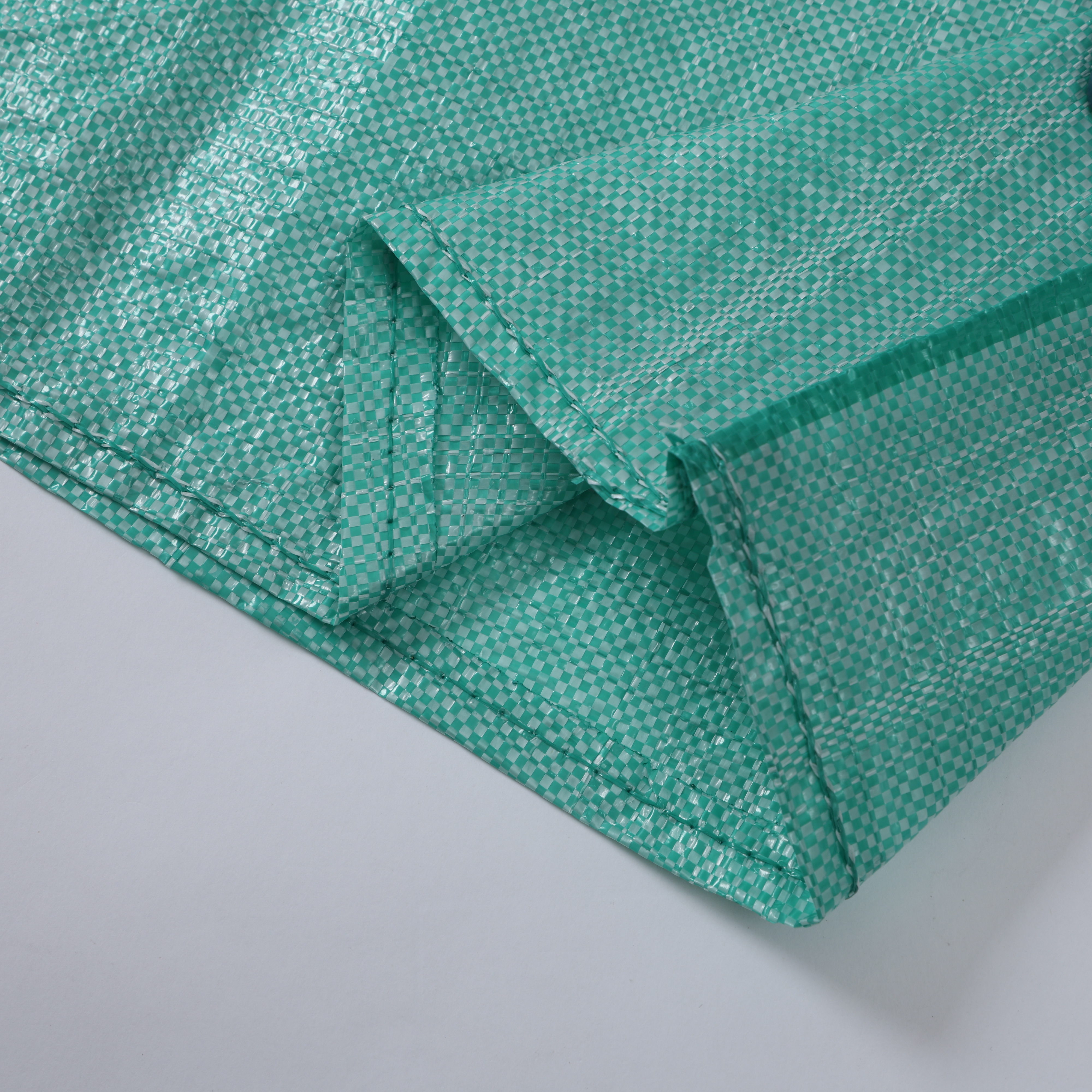
Cement packaging bags face constant exposure to environmental challenges that can compromise product quality and structural integrity. Moisture resistance has become a critical factor in selecting appropriate cement packaging bags, as water ingress can cause caking, early hydration, and material degradation. Understanding the science behind moisture resistant treatments helps procurement professionals, logistics managers, and construction suppliers make informed decisions that protect both product integrity and operational efficiency.
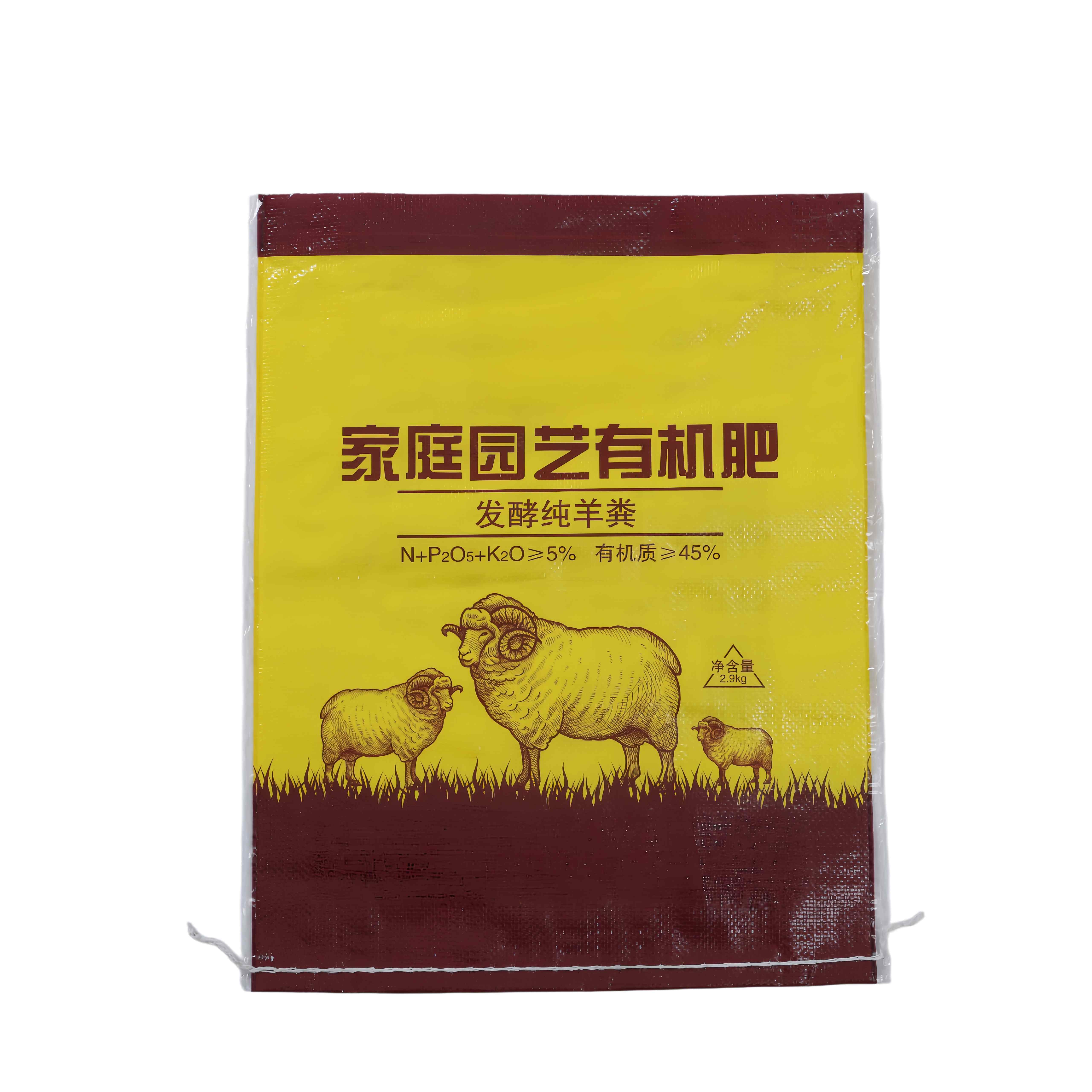
Modern cement sack manufacturing incorporates advanced coating technologies and barrier systems designed to minimize moisture permeation. A high-quality cement sack with proper moisture resistant treatment maintains cement flowability, reduces waste from damaged shipments, and extends shelf life in humid storage conditions. This article explores the fundamental mechanisms, application methods, and practical benefits of moisture resistant treatments in building material packaging, providing actionable insights for industrial supply chain decisions.
Moisture resistant treatments function by creating a hydrophobic barrier between the external environment and the cement product inside. The pp cement bag substrate is typically treated with specialized coatings or laminated films that repel water molecules while allowing minimal vapor transmission. These treatments work by altering the surface energy of the fabric fibers, preventing capillary action that would normally draw moisture through the weave structure.
Common moisture resistant treatment methods include latex-based coatings, polyethylene lamination, and wax emulsion applications. Each approach targets the physical pathways where water could penetrate the heavy duty cement bag material. The coating adheres to individual polypropylene fibers, creating a continuous seal without blocking the fabric's structural strength or breathability characteristics needed for product stability.
The effectiveness of a cement sack is measured through water vapor transmission rate (WVTR), typically expressed in grams per square meter per day. Industry standards specify acceptable WVTR ranges that balance moisture protection with the need to prevent internal condensation that could damage cement. A properly treated building material packaging solution maintains WVTR below critical thresholds while the product remains in transit and storage, particularly in tropical or high-humidity climates.
Testing protocols involve measuring moisture gain over specified time periods under controlled humidity conditions. A heavy duty cement bag meeting international standards will show minimal weight increase when exposed to 90 percent relative humidity, demonstrating that the moisture resistant treatment remains effective throughout the product's expected shelf life in demanding industrial environments.
Moisture resistant treatments are applied to cement packaging bags during the weaving or finishing stage of manufacturing. Knife coating systems distribute liquid polymer emulsions evenly across the fabric surface, ensuring consistent coverage without saturating the substrate. The wet coating is then dried using heated air tunnels, and calendering rollers compress the treatment into the fiber matrix for enhanced adhesion and durability.
Alternative methods include spray application for smaller batch operations and immersion processes for specialized heavy duty cement bag formulations. Each method must achieve uniform treatment density to prevent weak points where moisture could breach the barrier. Quality control systems monitor coating weight, thickness, and adhesion strength throughout production to ensure every cement sack meets specified moisture resistance criteria.
Premium building material packaging solutions employ laminated structures combining woven polypropylene with moisture barrier films. These multi-layer systems physically isolate the cement from external moisture sources while maintaining structural rigidity and handling durability. Lamination adds protective benefit without significantly increasing material cost, making it an efficient choice for long-distance shipments and warehouse storage applications.
The adhesive used in lamination must itself resist moisture penetration, creating a complete seal at all film and fabric interfaces. This approach is particularly valuable for pp cement bag designs destined for ports, export routes, or climates with extended wet seasons where conventional single-layer treatments might degrade over time.
Moisture resistant treatments directly reduce cement quality degradation and product loss in the supply chain. When cement absorbs moisture, it begins hydration reactions that reduce flowability and compromise structural performance in construction applications. A cement sack with proper moisture protection prevents this deterioration, ensuring the product reaches jobsites in optimal condition, reducing costly replacements and construction delays.
The economic impact extends beyond direct product loss. Reduced damaged shipments lower logistics costs, improve customer satisfaction, and strengthen brand reputation for reliability. Heavy duty cement bag suppliers who prioritize moisture resistant treatments report measurable decreases in field complaints and warranty claims, directly improving operational margins and market competitiveness.
Different regions present varying moisture challenges requiring tailored building material packaging solutions. Tropical climates with sustained high humidity demand the most aggressive moisture resistant treatments, while temperate zones may require standard protection levels. Understanding local climate conditions enables procurement teams to specify appropriate cement sack specifications that balance protection investment with operational requirements.
Regulatory frameworks in major markets increasingly specify minimum moisture barrier performance for cement packaging. Suppliers demonstrating consistent compliance with international standards gain competitive advantage in regulated markets and public infrastructure projects. Moisture resistant treatments meeting these standards become essential components of supply chain qualification and vendor approval processes.
Quality moisture resistant treatments on cement packaging bags can maintain product integrity in environments up to 90 percent relative humidity for extended periods. The actual protection duration depends on treatment type, bag construction, storage conditions, and climate variation. Heavy duty cement bag solutions designed for tropical service typically maintain acceptable moisture levels for 6 to 12 months under typical storage conditions, though this varies based on specific product formulations and environmental exposure.
Moisture resistant treatments typically add 5 to 15 percent to the base cost of a pp cement bag, depending on treatment method and substrate quality. Standard latex-based coatings represent the lower cost option, while advanced laminated systems command premium pricing. However, this investment typically pays for itself through reduced product loss, fewer warranty claims, and improved supply chain efficiency, making moisture resistant building material packaging economically justified for most commercial applications.
While post-production treatment is theoretically possible, it is rarely practical for commercial cement sacks. Effective moisture resistant treatments require integration during manufacturing to ensure proper coating adhesion, uniform coverage, and long-term durability. Retrofitting treatments to existing inventory is costly and may not achieve the performance reliability of factory-applied solutions. For this reason, specifying proper moisture resistant treatments during initial cement packaging bag procurement remains the most efficient approach.

Discover the 4 critical production metrics—throughput, defect rate, equipment uptime & on-time delivery—to vet factories confidently.

Ensure regulatory compliance & worker safety with proven methods for chemical woven bags—material selection, labeling, storage & training.

Discover the full PP woven bag manufacturing workflow—from extrusion & weaving to printing & QC. Boost efficiency, compliance & ROI. Download the process guide now.

Struggling with weak bags or high material waste? Master extrusion and tape drawing tech for stronger, cheaper PP woven bags. Optimize your production line now.

Struggling with defects or customer returns? Discover the 5 non-negotiable quality checkpoints across your woven bag production line
Which automation tier is right for your PP woven bag factory? Compare manual to Industry 4.0 systems for cost, quality, and scalability.
Get in touch for details on polypropylene woven bags and flexible packaging solutions.
Tel
Address
No.2015, Liaoyuan Building, Lanshan District, Linyi City, Shandong Province.China

