 EN
How to Assess Production Efficiency at a PP Woven Bag Factory
Discover the 4 critical production metrics—throughput, defect rate, equipment uptime & on-time delivery—to vet factories confidently.

2026/08/13
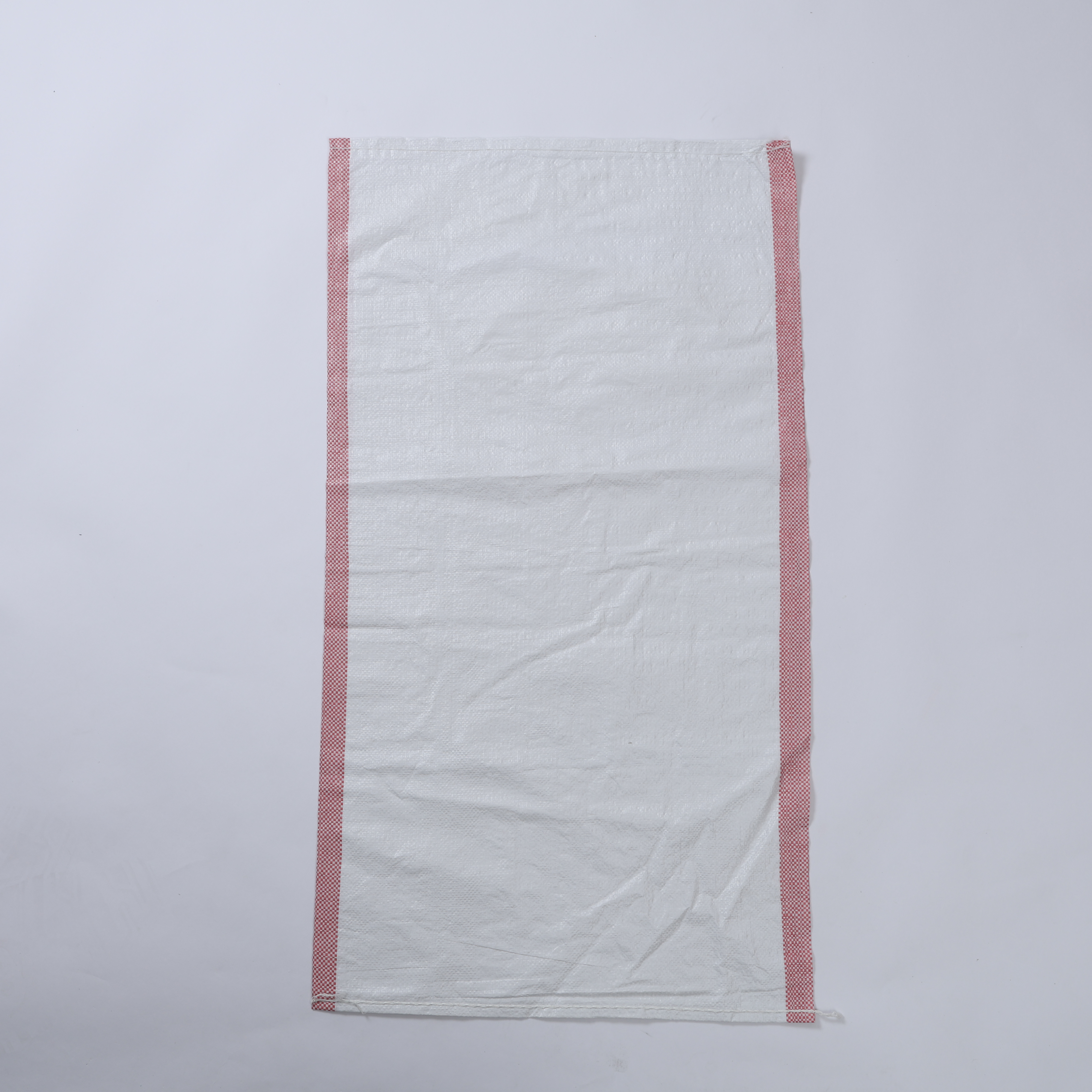
Heavy duty feed bags have become the standard for agricultural operations worldwide, protecting valuable animal feed from environmental damage, contamination, and spoilage. The structural integrity of these bags directly impacts feed quality, storage costs, and livestock health outcomes. Understanding how multi-layer construction works reveals why modern feed bags perform so much better than single-ply alternatives, and what specifications matter most when selecting packaging for your operation.
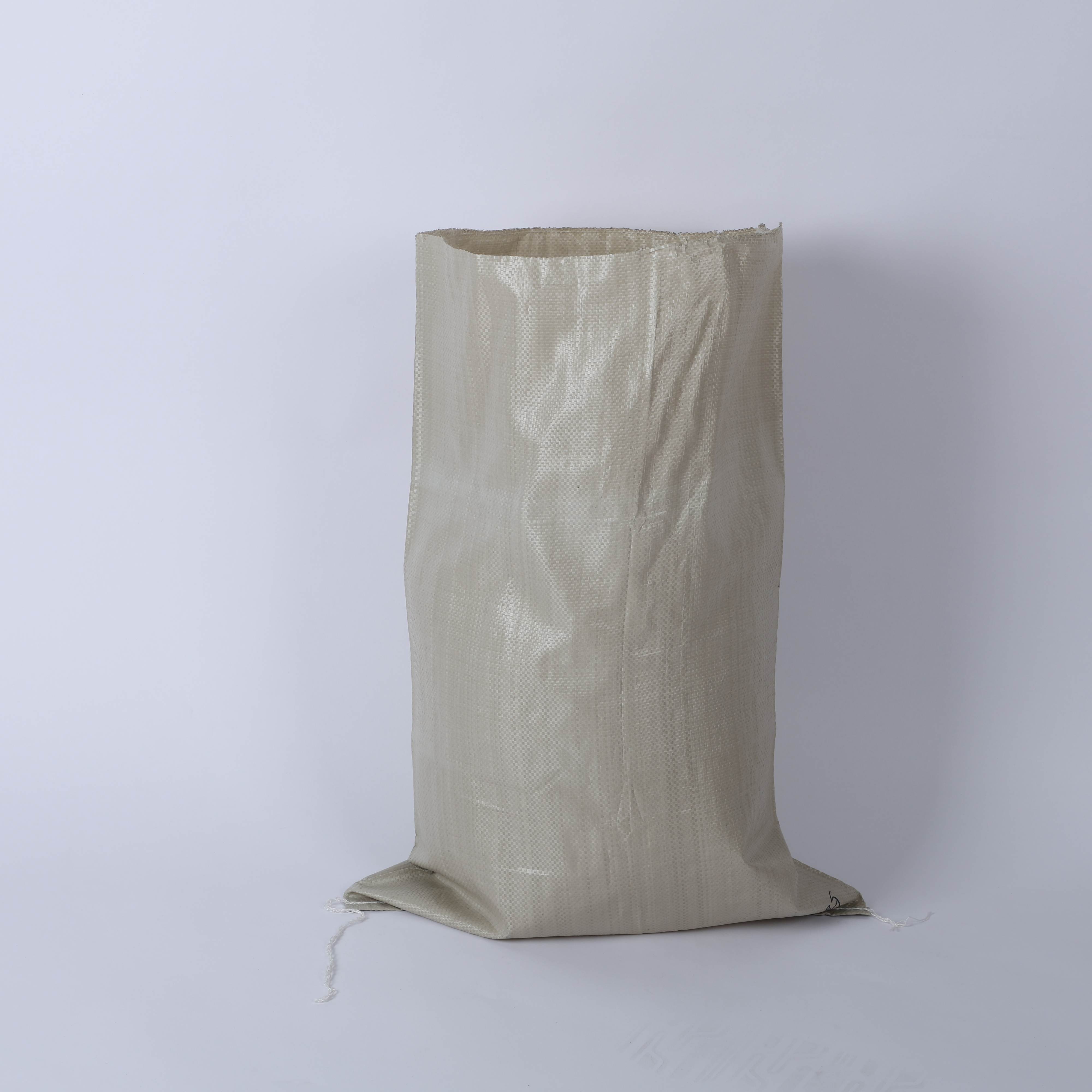
The multi-layer design of modern animal feed bag solutions combines multiple material layers, each serving a specific protective function. Polypropylene woven fabrics form the foundation, while inner and outer coatings provide moisture barriers, UV protection, and durability. This engineered approach transforms feed bags from simple containers into sophisticated protective systems that maintain feed value from production facility to livestock pen.
A feed bags multi-layer structure typically consists of three to five distinct material layers working in concert. The outer layer usually features a treated polypropylene woven base that provides mechanical strength and handles abrasion during handling and transport. The pp feed sack outer surface resists tearing, puncturing, and degradation from rough warehouse surfaces, pallet jacks, and loader equipment. This foundation layer determines how many times a bag can be handled before compromising feed quality inside.
The middle layers of a livestock feed bag add moisture resistance and provide additional tear strength. Modern animal feed bag designs often incorporate microfilm or kraft paper layers that create air-tight seals when properly sealed. These intermediate materials prevent humidity penetration while allowing the overall structure to remain flexible and stackable. The pp feed sack inner composition must balance protective capability against unnecessary weight, which reduces bag efficiency and increases shipping costs.
Inner coatings on feed packaging bag solutions serve as the critical moisture barrier that separates feed from environmental humidity. Polyethylene coatings, laminated films, or specialized resin treatments create water-resistant properties that preserve nutritional content and prevent mold growth during storage. A properly formulated livestock feed bag inner coating can reduce moisture transmission rates by up to 90 percent compared to uncoated woven materials alone. This protection becomes especially valuable in humid climates or during ocean freight when exposure time to salt air increases moisture risk.
Outer protective layers on animal feed bag products also incorporate UV-resistant additives that prevent degradation from sunlight exposure. Agricultural operations frequently store packaged feed in open-air yards or partially covered facilities where UV rays accelerate plastic breakdown. Feed packaging bag manufacturers add carbon black or UV absorbers to outer surfaces, extending bag lifespan and maintaining structural integrity throughout extended storage cycles. This multi-functional outer layer protects both the feed and the investment in premium packaging materials.
The primary value proposition of multi-layer pp feed sack construction centers on moisture management throughout the supply chain. Feed bags with proper moisture barriers maintain nutritional quality by preventing water infiltration that triggers mold formation, oxidation, and nutrient degradation. A livestock feed bag with inadequate moisture protection can lose 15 to 25 percent of nutritional value within weeks in humid storage conditions. Multi-layer animal feed bag designs prevent this loss, directly impacting animal growth rates and feed conversion efficiency on farms using stored nutrition.
Proper feed packaging bag moisture control also reduces liability risk from contaminated feed. Mold-contaminated grain creates mycotoxins that cause severe health problems in livestock consuming the affected feed. Feed bags engineered with multi-layer barriers protect agricultural operations from costly liability claims, animal health incidents, and reputation damage. This preventive protection makes premium multi-layer construction a business necessity rather than an optional upgrade.
Livestock feed bag durability testing reveals that multi-layer pp feed sack designs withstand 40 to 50 percent more handling cycles than basic single-layer bags before rupturing. Agricultural logistics involve rough handling at feed mills, during trucking, at distribution centers, and finally at farm locations. Each transfer point introduces mechanical stress, abrasion, and puncture risk that damages inadequate packaging. Animal feed bag multi-layer construction distributes these stresses across reinforced material zones, preventing catastrophic failures that spill feed and compromise inventory.
The economic impact of bag durability directly affects operational costs. Feed packaging bag failure rates of 2 to 3 percent on agricultural shipments create spillage loss, cleanup expenses, and logistics delays. Multi-layer construction reduces failure rates to 0.5 to 1 percent, delivering tangible cost savings across large-scale operations managing thousands of bags monthly. These durability improvements compound over time, making feed bags an investment in supply chain reliability.
The baseline strength of any livestock feed bag begins with polypropylene woven fabric specifications measured in grams per square meter and GSM values. Higher GSM ratings, typically 100 to 150 GSM for heavy-duty feed packaging bag applications, provide greater mechanical strength and puncture resistance. pp feed sack manufacturers select polypropylene resin grades and filament diameters that balance weight efficiency against durability requirements. Agricultural operations choosing between feed bags should examine GSM specifications as a reliable indicator of structural performance and handling capacity.
Polypropylene selection also involves UV resistance additives and antioxidant packages that preserve material properties during extended outdoor storage. Animal feed bag manufacturers formulate these resin blends to maintain flexibility and strength even after months of weathering exposure. Premium animal feed bag construction incorporates UV-stabilized polypropylene that costs 5 to 10 percent more but delivers superior longevity and reduced replacement cycles.
Feed bags sold for commercial agricultural use undergo rigorous testing protocols that verify multi-layer construction integrity and material compatibility. Burst strength tests measure how much internal pressure a livestock feed bag withstands before rupturing, typically rated in PSI or bar units. Tear propagation tests ensure that small punctures do not cascade into catastrophic failure across the entire pp feed sack structure. These standardized tests, performed according to ASTM or ISO specifications, provide objective evidence that animal feed bag designs meet protection requirements.
Moisture vapor transmission testing quantifies how effectively feed packaging bag inner coatings resist water infiltration over time. These tests simulate real-world storage conditions by measuring water uptake under specified humidity and temperature combinations. Manufacturers verify that multi-layer constructions reduce moisture transmission rates below thresholds that would compromise livestock feed quality. Regular third-party testing validates that production batches maintain consistent quality, protecting both manufacturers and agricultural end-users from substandard feed bags.
Multi-layer animal feed bag construction requires additional materials, specialized equipment, and more complex manufacturing processes that increase production costs by 15 to 25 percent. However, the superior performance of pp feed sack designs delivers corresponding value through extended feed storage life, reduced spoilage losses, improved durability through the supply chain, and lower replacement frequency. Agricultural operations investing in premium livestock feed bag packaging typically recover the additional cost within one to two seasons through reduced feed loss and improved animal performance metrics.
Well-manufactured feed bags with proper multi-layer construction maintain structural integrity and protective function for 12 to 18 months under typical agricultural storage conditions, and considerably longer when stored indoors away from direct UV exposure. The lifespan of animal feed bag materials depends heavily on environmental factors including temperature fluctuations, humidity levels, sunlight exposure, and stacking pressure applied during storage. Premium pp feed sack designs with enhanced UV additives and moisture barriers extend functional lifespan beyond these baseline timeframes, making them particularly valuable for agricultural operations planning long-term feed storage strategies.
Many livestock feed bag materials, particularly polypropylene woven components, remain structurally sound after use and can be repurposed for non-food agricultural applications or collected for material recycling programs. Some feed packaging bag manufacturers design products specifically for dual-use applications where customers recycle bags for seed storage, compost containment, or similar purposes after initial feed use. Environmental sustainability increasingly influences agricultural purchasing decisions, making the recyclability of animal feed bag materials an important consideration when evaluating packaging supplier options and long-term supply agreements.

Discover the 4 critical production metrics—throughput, defect rate, equipment uptime & on-time delivery—to vet factories confidently.

Ensure regulatory compliance & worker safety with proven methods for chemical woven bags—material selection, labeling, storage & training.

Discover the full PP woven bag manufacturing workflow—from extrusion & weaving to printing & QC. Boost efficiency, compliance & ROI. Download the process guide now.

Struggling with weak bags or high material waste? Master extrusion and tape drawing tech for stronger, cheaper PP woven bags. Optimize your production line now.

Struggling with defects or customer returns? Discover the 5 non-negotiable quality checkpoints across your woven bag production line
Which automation tier is right for your PP woven bag factory? Compare manual to Industry 4.0 systems for cost, quality, and scalability.
Get in touch for details on polypropylene woven bags and flexible packaging solutions.
Tel
Address
No.2015, Liaoyuan Building, Lanshan District, Linyi City, Shandong Province.China

