 EN
How to Assess Production Efficiency at a PP Woven Bag Factory
Discover the 4 critical production metrics—throughput, defect rate, equipment uptime & on-time delivery—to vet factories confidently.

2026/08/25
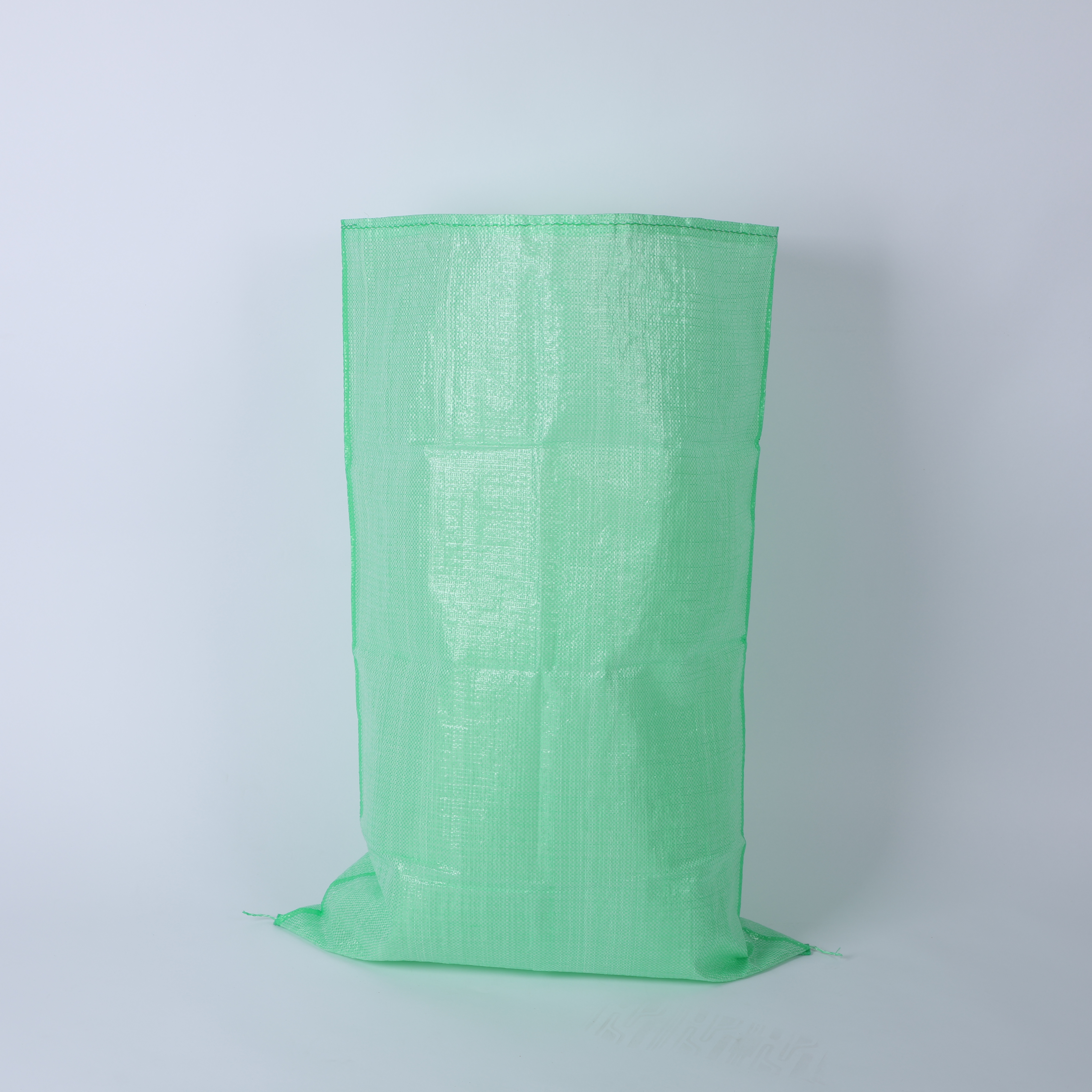
Understanding the structure of cement packaging bags requires insight into how multi-wall fabric construction provides superior protection and durability for one of the construction industry's most critical materials. The design and composition of modern cement sacks have evolved significantly to meet demanding industrial standards, and the multi-wall fabric approach represents the pinnacle of packaging innovation for heavy-duty cement bag applications.
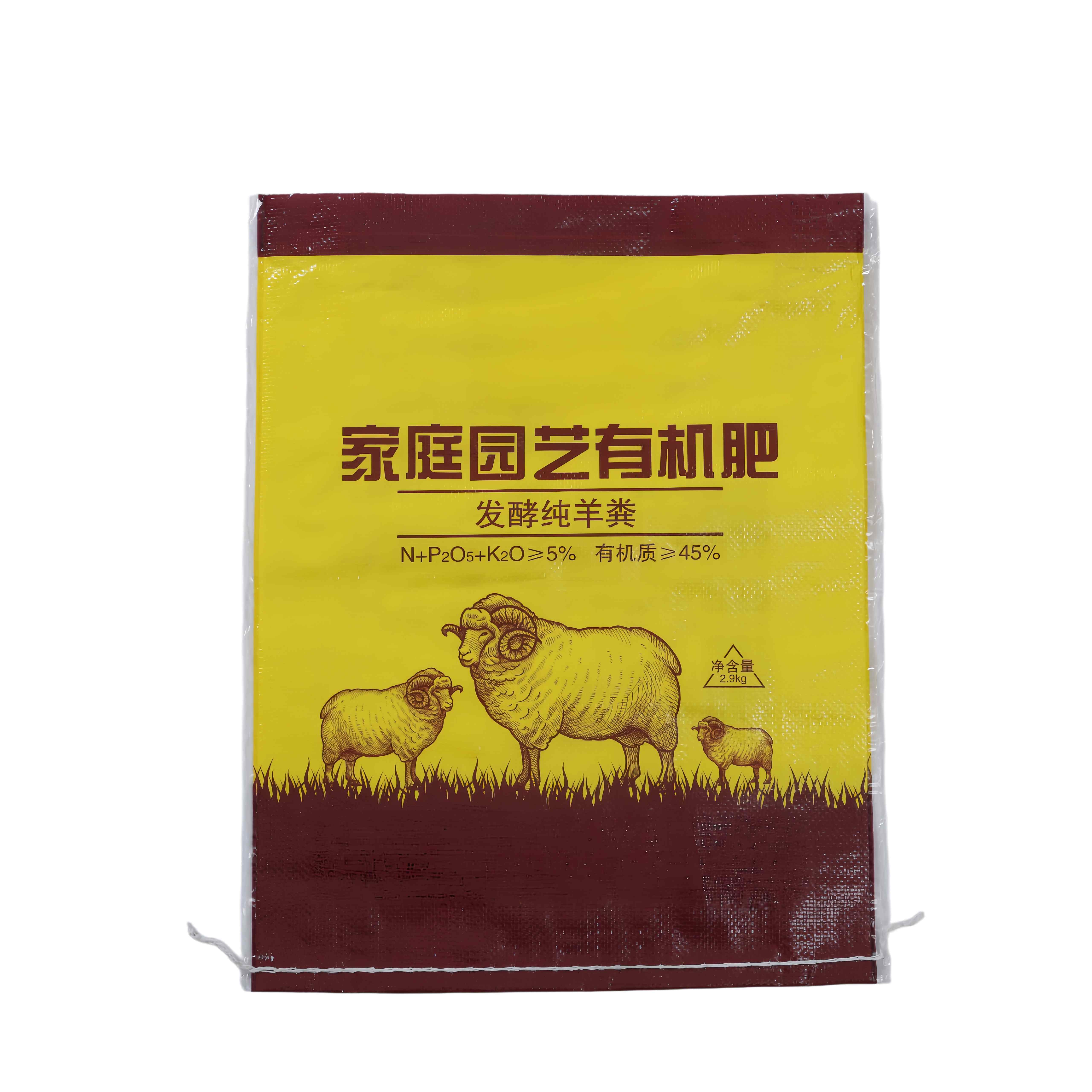
Multi-wall fabric structures in building material packaging represent a strategic engineering solution designed to overcome the inherent challenges of storing, transporting, and handling cement in bulk quantities. A typical heavy duty cement bag employs multiple layers of polypropylene fabric woven together in configurations that maximize tensile strength while maintaining cost efficiency. This layered approach creates redundancy in the packaging system, ensuring that even if one layer sustains minor damage, the integrity of the cement sack remains intact throughout the supply chain.
The foundational principle behind multi-wall fabric construction for cement packaging bags involves strategic layer bonding and weaving patterns that work synergistically. Each wall in a pp cement bag serves a distinct functional purpose, whether providing primary containment, reinforcing puncture resistance, or creating moisture barriers. The number of walls typically ranges from three to six layers, with each layer contributing specific mechanical properties. Construction companies and cement suppliers rely on heavy duty cement bag designs that can withstand pressure from adjacent bags during stacking and the abrasive nature of cement powder itself.
Modern cement sack manufacturing employs specialized adhesive systems that bond individual fabric layers without compromising flexibility or tear resistance. The bonding process ensures that layers function as a unified system rather than separate components that might delaminate under stress. Building material packaging professionals recognize that proper adhesion directly correlates with the lifespan of the cement bag in warehouse environments and during transportation over rough terrain. This integration technology distinguishes premium heavy duty cement bag options from basic single-wall alternatives that cannot offer comparable protection.
The cumulative effect of multiple fabric walls dramatically increases the tensile strength of cement packaging bags compared to conventional designs. When tested under standardized industrial conditions, a typical pp cement bag with multi-wall construction demonstrates tensile values exceeding 200 kilograms per linear inch, a specification that directly impacts the number of bags that can be safely stacked vertically. Construction projects often stack cement sacks eight to ten layers high, and the structural reliability of each heavy duty cement bag becomes critical to preventing costly collapses and material waste. The multi-wall approach distributes load stress across multiple fabric interfaces, extending the usable life of each package.
Cement powder possesses sharp crystalline particles that naturally abrade packaging materials during handling and transport. A building material packaging solution utilizing multi-wall fabric effectively counters this degradation mechanism through layered protection. If outer layers of a cement sack sustain micro-tears or puncture damage, interior layers maintain containment integrity. This redundancy proves invaluable in harsh handling environments where forklifts, rough surfaces, and stacking pressure create continuous stress. Heavy duty cement bag designs incorporating three or more walls exhibit puncture resistance metrics that are 40 to 60 percent higher than comparable single-wall cement packaging bags.
Cement undergoes chemical degradation when exposed to moisture, a reality that makes environmental protection a central concern in cement packaging bags design. Multi-wall fabric construction allows manufacturers to integrate moisture-resistant coatings and films into specific layers without sacrificing the breathability needed for cement curing during initial storage phases. Some advanced pp cement bag designs incorporate a polyethylene film layer sandwiched between outer polypropylene walls, creating a moisture barrier that remains effective even when the cement sack experiences minor surface wetting. The pp cement bag format allows customization of barrier properties based on intended storage duration and climate conditions.
Building material packaging engineers recognize that multi-wall fabric structures provide superior long-term performance in varied climatic conditions. Coastal regions with high humidity, deserts with extreme temperature fluctuations, and tropical environments all present unique challenges that single-wall cement sacks struggle to address effectively. A heavy duty cement bag utilizing multi-wall technology maintains its structural integrity and protective capacity across storage periods extending from weeks to months. This consistency directly benefits construction firms that purchase cement in bulk and distribute it gradually across project phases, ensuring that cement quality remains constant regardless of warehouse conditions or transportation duration.
Most industrial-grade cement packaging bags employ three to five fabric walls to balance protection, cost efficiency, and handling flexibility. A three-wall pp cement bag provides adequate protection for standard construction applications, while premium heavy duty cement bag configurations use four to five walls for extended storage or particularly demanding environments. The specific wall count depends on project duration, climate conditions, and stacking height requirements.
Yes, multi-wall fabric construction significantly reduces cement loss by minimizing puncture incidents and preventing dust leakage through micro-tears. Studies show that a building material packaging solution using multi-wall technology reduces product loss by 15 to 25 percent compared to traditional single-wall cement sacks. This improvement translates directly to cost savings and reduced environmental impact from cement dust dispersal during logistics operations.
Polypropylene offers superior chemical resistance to cement, maintains flexibility across temperature ranges, and allows efficient lamination of multiple layers without brittleness concerns. The pp cement bag format also enables advanced printing and branding capabilities on outer walls while maintaining protective functionality. These characteristics make heavy duty cement bag designs using polypropylene the industry standard for demanding applications where both protection and cost-effectiveness matter.

Discover the 4 critical production metrics—throughput, defect rate, equipment uptime & on-time delivery—to vet factories confidently.

Ensure regulatory compliance & worker safety with proven methods for chemical woven bags—material selection, labeling, storage & training.

Discover the full PP woven bag manufacturing workflow—from extrusion & weaving to printing & QC. Boost efficiency, compliance & ROI. Download the process guide now.

Struggling with weak bags or high material waste? Master extrusion and tape drawing tech for stronger, cheaper PP woven bags. Optimize your production line now.

Struggling with defects or customer returns? Discover the 5 non-negotiable quality checkpoints across your woven bag production line
Which automation tier is right for your PP woven bag factory? Compare manual to Industry 4.0 systems for cost, quality, and scalability.
Get in touch for details on polypropylene woven bags and flexible packaging solutions.
Tel
Address
No.2015, Liaoyuan Building, Lanshan District, Linyi City, Shandong Province.China

