 EN
How to Assess Production Efficiency at a PP Woven Bag Factory
Discover the 4 critical production metrics—throughput, defect rate, equipment uptime & on-time delivery—to vet factories confidently.

2026/09/22
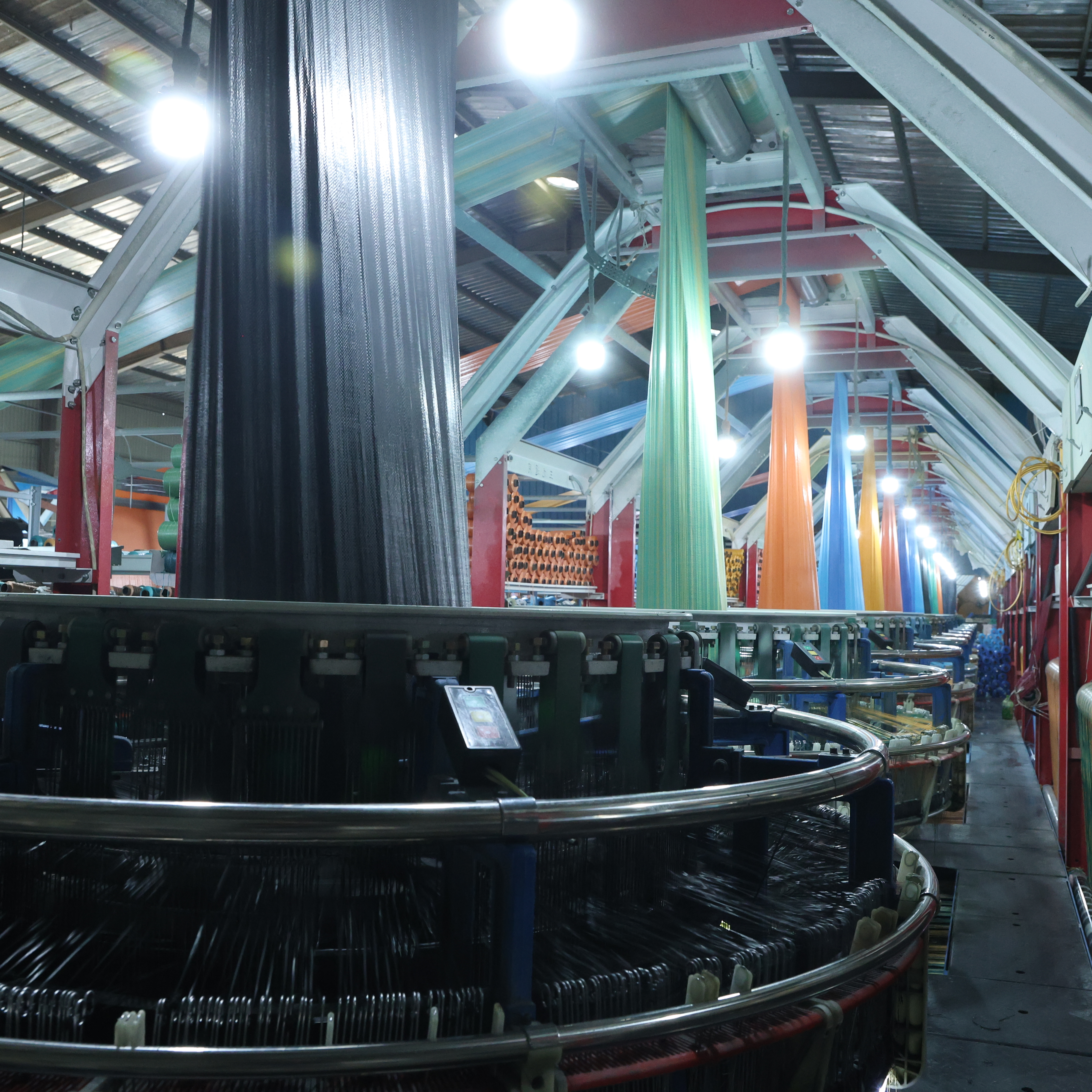
Understanding the pricing structure behind bulk woven bag supply agreements requires insight into how industrial suppliers calculate costs, manage economies of scale, and balance profit margins across large orders. When working with a PP woven bag supplier, buyers must recognize that pricing is not arbitrary but reflects raw material expenses, manufacturing complexity, logistics coordination, and market positioning.
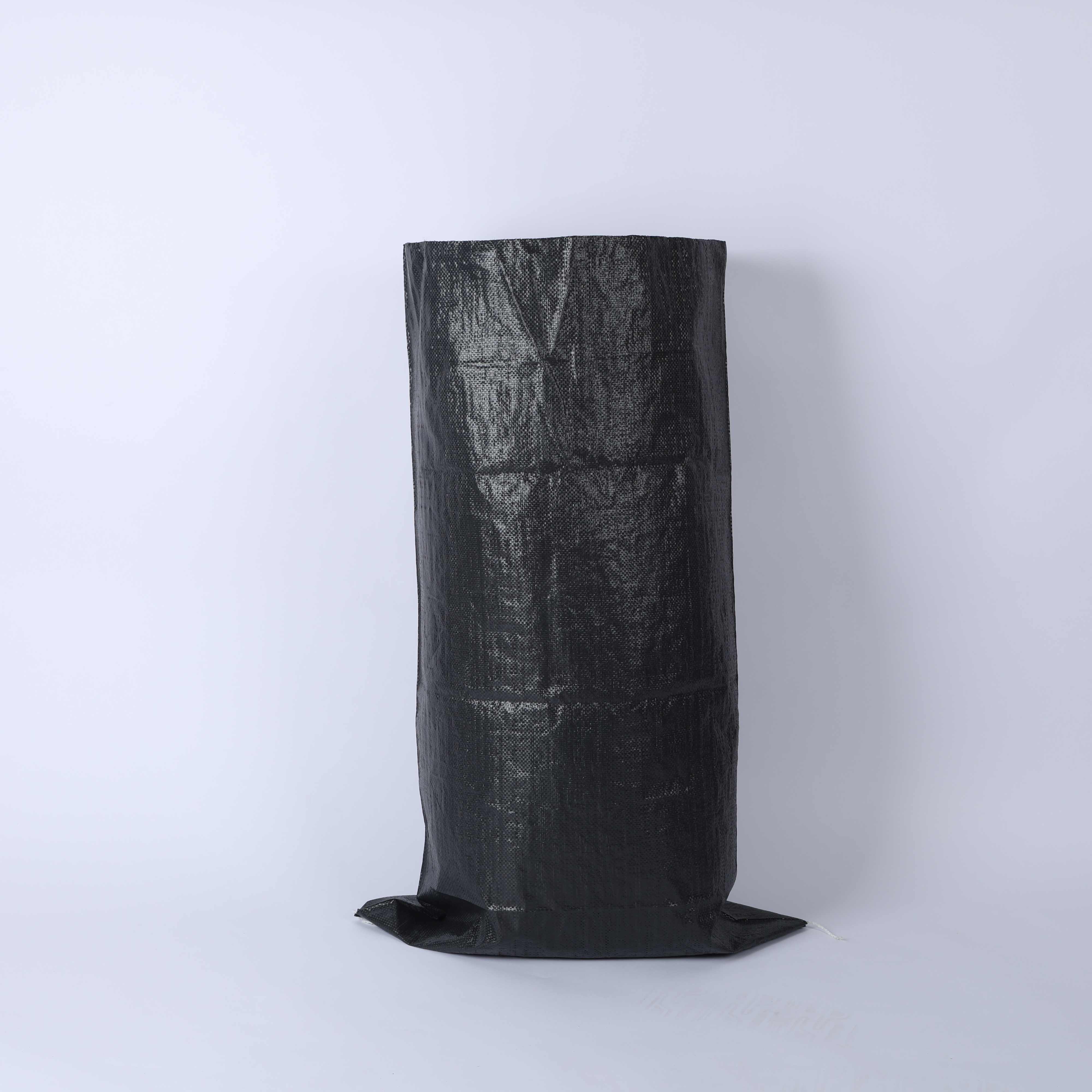
Bulk woven bag supply agreements present unique pricing dynamics because volume commitments shift the cost burden and enable suppliers to optimize production scheduling. The relationship between order size, material sourcing, factory capacity utilization, and final unit cost forms the foundation of every commercial negotiation. By examining how these elements interact, purchasing managers can make informed decisions and identify fair market rates.
The largest component of woven bag wholesale pricing originates from raw polypropylene resin, which fluctuates based on crude oil markets, polymer production capacity, and global supply chain conditions. A pp woven bag factory typically allocates 40–50% of manufacturing cost to polypropylene inputs, making commodity price movements the primary driver of retail pricing adjustments. When bulk woven bag supply volumes increase, suppliers gain negotiating leverage with resin distributors, allowing them to secure volume discounts that partially transfer to end buyers through improved unit economics.
Beyond polypropylene, pp bag export pricing includes costs for colorants, UV stabilizers, antistatic agents, and other additives that enhance durability and performance. For woven bag wholesale orders, these components represent a smaller but meaningful portion of total cost, typically 5–8% of material expenses. Higher-specification bags requiring UV protection or flame-retardant properties command premium material costs that directly impact bulk pricing agreements.
A pp woven bag factory incurs setup expenses for each new production run, including equipment calibration, color mixing, quality system verification, and labor coordination. When pp bag export orders are large, these fixed costs distribute across many units, dramatically reducing per-unit manufacturing overhead. An order of 100,000 bags might distribute setup costs to just 0.5 cents per unit, whereas a 10,000-unit order spreads the same expenses to 5 cents per unit, creating a 10-fold difference in overhead allocation.
Woven bag wholesale suppliers maintain production lines, warehousing infrastructure, and workforce capacity that must be optimally utilized to remain profitable. Bulk woven bag supply commitments allow factories to operate at full capacity without demand uncertainty, reducing idle time and maximizing throughput efficiency. This capacity certainty enables competitive pricing because suppliers avoid the cost of speculative production or underutilized assets.
Transportation and storage costs vary dramatically based on order size and delivery location. A pp woven bag supplier offering bulk woven bag supply benefits from consolidated shipments, reduced handling per unit, and optimized container utilization. When buyers consolidate demand into fewer, larger orders, freight per unit decreases, warehouse holding periods extend predictably, and logistics planning becomes efficient. Conversely, small frequent orders trigger premium logistics surcharges that make unit pricing appear uncompetitive.
Reputable pp bag export suppliers invest in testing laboratories, certification programs, and quality management systems to meet international standards. Bulk orders allow these costs to amortize more favorably because compliance testing and documentation apply to production batches rather than individual purchases. A pp woven bag factory committed to ISO, FDA, or food-grade certifications already carries these costs; larger orders simply reduce their per-unit impact on final pricing.
Premium woven bag wholesale suppliers often maintain pricing discipline even when bulk volume increases because their reputation and demand stability allow them to avoid commodity pricing pressure. Conversely, suppliers facing demand uncertainty may offer aggressive bulk discounts to secure revenue certainty. Understanding a supplier's market position—whether they have abundant capacity seeking volume or constrained capacity with strong demand—directly influences the negotiation dynamic.
Most pp woven bag factories employ tiered pricing models where unit cost decreases incrementally as order volume increases. A typical structure might offer one price for orders of 10,000–25,000 units, a lower price for 25,000–50,000 units, and premium volume pricing for 50,000+ units. This approach reflects the genuine cost reductions achieved through economies of scale while maintaining supplier profitability. Bulk woven bag supply agreements at higher tiers typically discount 15–30% compared to small orders, depending on material specifications and customization requirements.
Every pp bag export supplier establishes a minimum order quantity below which standard pricing does not apply. These minimums protect suppliers from unsustainable per-unit costs and ensure production efficiency. Understanding why a pp woven bag factory sets a 5,000-unit minimum helps buyers recognize that smaller orders would incur premium surcharges that reflect genuine production inefficiency rather than supplier markup.
Custom printing dramatically increases the complexity of bulk woven bag supply agreements. Design file setup, color separation, screen preparation, and quality verification add fixed costs that become proportionally smaller as order volumes increase. A pp woven bag supplier offering custom branding on 100,000 units benefits from amortized design costs, whereas the same branding on 5,000 units carries heavy per-unit charges. This dynamic explains why woven bag wholesale pricing for custom orders shows steeper volume discounts than unprinted commodity bags.
Bulk woven bag supply orders requiring short lead times or delivery during peak seasons may attract premium pricing because suppliers must adjust production schedules, pay overtime, or compromise other customer commitments. Conversely, orders positioned during off-season periods or with extended lead times enable suppliers to optimize scheduling efficiency and reduce labor costs, justifying lower pp bag export pricing.
A pp woven bag factory pricing bulk orders must account for working capital requirements, payment timing, and credit risk. Orders requiring advance payment allow suppliers to fund material purchases and labor without carrying inventory financing costs, enabling lower pricing. Extended payment terms such as net-30 or net-60 increase supplier financing obligations and may trigger slight price increases to offset interest costs and credit exposure.
PP woven bag supplier pricing varies significantly by geography because labor costs, energy prices, resin availability, and regulatory requirements differ globally. Understanding regional cost bases helps buyers evaluate whether quoted pp bag export pricing is competitive. Suppliers in regions with lower energy and labor costs can offer more competitive woven bag wholesale pricing, though quality standards and logistical proximity must also factor into purchasing decisions.
Savvy procurement teams establish price benchmarks by requesting quotes from multiple pp woven bag factories at identical specification and volume levels. Comparing bulk woven bag supply quotes across three to five suppliers reveals market pricing bands and helps identify outliers. If one supplier's pricing is significantly higher or lower, specific questions about cost composition clarify whether the difference reflects genuine operational efficiency or quality compromises.
The primary factors are polypropylene resin costs, manufacturing setup and overhead allocation, order volume, customization complexity, lead time requirements, and working capital financing. Resin price fluctuations and capacity utilization typically drive the largest pricing variations. When a pp woven bag factory operates at full capacity with predictable bulk woven bag supply demand, pricing naturally becomes more competitive because fixed costs distribute across higher volume.
Volume discounts typically range from 10–30% depending on order size, specifications, and market conditions. Small orders of 5,000–10,000 units might receive 10–15% discounts, whereas orders exceeding 50,000 units often qualify for 20–30% reductions. However, bulk woven bag supply pricing remains negotiable; factors like payment terms, customization, and relationship history influence final pricing. Requesting quotes at multiple volume thresholds reveals each pp bag export supplier's actual cost structure and margin expectations.
Price variations reflect differences in regional production costs, scale and capacity utilization, technology efficiency, quality certifications, supply chain integration, and market positioning. A pp woven bag factory with integrated resin supply and advanced automation achieves lower unit costs than smaller competitors relying on external material sourcing and manual processes. Additionally, bulk woven bag supply suppliers with stable long-term customers can offer lower pricing than those competing aggressively for new business. Direct supplier comparisons at identical specifications provide the most accurate view of competitive pricing.

Discover the 4 critical production metrics—throughput, defect rate, equipment uptime & on-time delivery—to vet factories confidently.

Ensure regulatory compliance & worker safety with proven methods for chemical woven bags—material selection, labeling, storage & training.

Discover the full PP woven bag manufacturing workflow—from extrusion & weaving to printing & QC. Boost efficiency, compliance & ROI. Download the process guide now.

Struggling with weak bags or high material waste? Master extrusion and tape drawing tech for stronger, cheaper PP woven bags. Optimize your production line now.

Struggling with defects or customer returns? Discover the 5 non-negotiable quality checkpoints across your woven bag production line
Which automation tier is right for your PP woven bag factory? Compare manual to Industry 4.0 systems for cost, quality, and scalability.
Get in touch for details on polypropylene woven bags and flexible packaging solutions.
Tel
Address
No.2015, Liaoyuan Building, Lanshan District, Linyi City, Shandong Province.China

